Check out our guide on What Is the Difference Between a Sports Bra and a Yoga Bra. Learn about support, fabric, and fit to find the right one for your practice.
Are you confused about whether to choose a yoga bra vs sports bra for your workouts? You’re not alone.
Both types promise comfort and support, but they serve very different purposes. Picking the right bra can make a huge difference in how you feel during exercise—whether you’re hitting the gym hard or flowing through calming yoga poses. You’ll discover the key differences between a sports bra and a yoga bra, so you can find the perfect fit for your body and your routine.
Keep reading to learn how to boost your comfort, support, and performance with the right choice!
Key Features Of Sports Bras
Sports bras have unique features tailored to support intense physical activity. They provide stability and comfort during movements. Understanding their key features helps choose the right one for your workout needs.
Support And Compression
Sports bras offer high support and compression to reduce breast movement. They minimize bounce, which protects breast tissue during exercise. Compression helps keep breasts close to the chest. This prevents discomfort and strain while running or jumping.
Fabric And Material
Sports bras use moisture-wicking fabrics to keep skin dry. Materials like polyester blends and spandex provide stretch and durability. These fabrics allow airflow to prevent overheating. They also dry quickly after sweating. The material must be soft to avoid skin irritation during long workouts.
Design And Structure
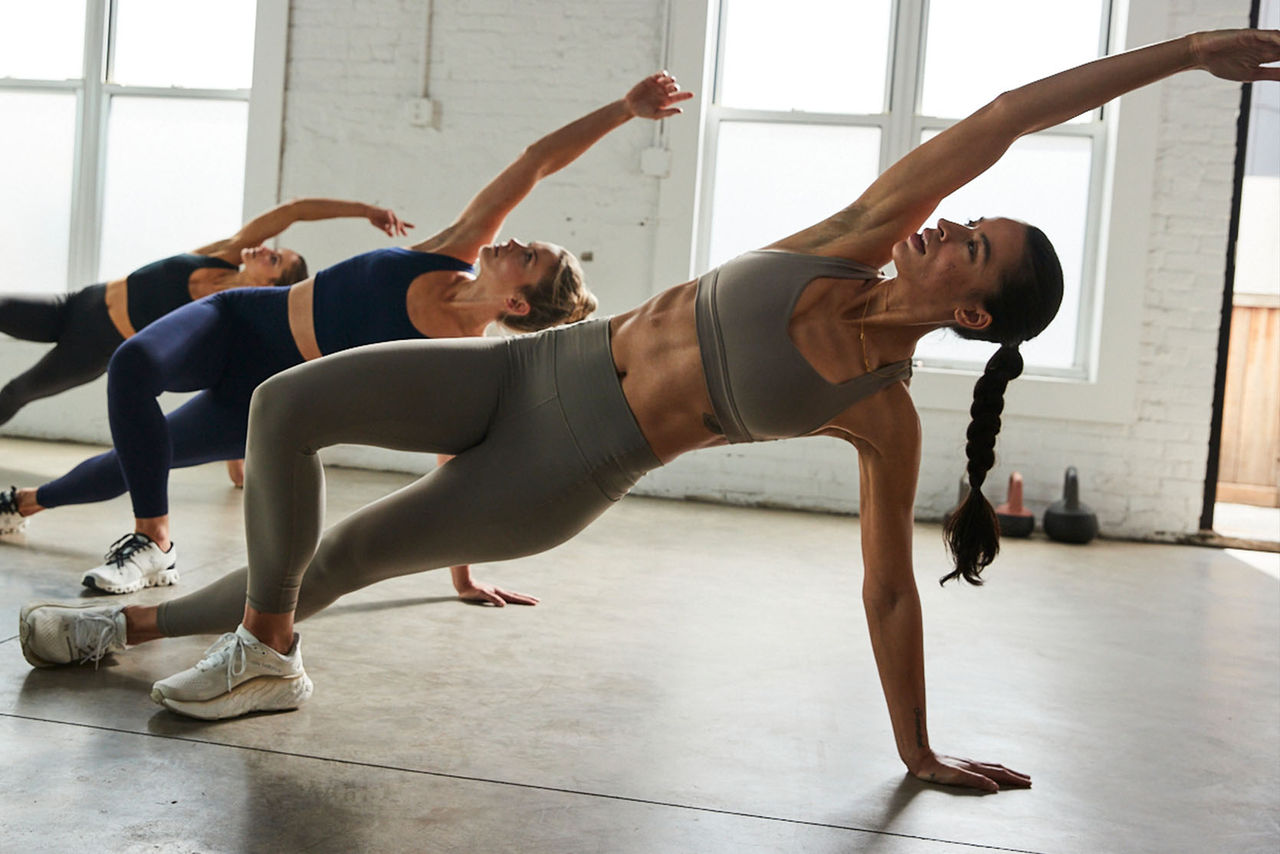
Sports bras have wide straps and a broad band for extra support. They often include molded cups or padding for shape and comfort. Many designs use racerback styles to improve movement range. Seams are placed to reduce chafing during exercise. The structure is built to stay in place without shifting.
Credit: www.dickssportinggoods.com
Characteristics Of Yoga Bras
Yoga bras have unique features designed to enhance your practice. They offer a balance of support and freedom of movement. These bras focus on comfort and breathability to keep you relaxed and focused. Unlike high-impact sports bras, yoga bras prioritize gentle support and softness.
Comfort And Flexibility
Yoga bras use soft, stretchy materials that move with your body. They avoid tight compression to allow easy bending and stretching. The straps and bands are usually wide and gentle on the skin. This design prevents irritation during long sessions.
Breathable Fabrics
Materials in yoga bras often include cotton, bamboo, or modal blends. These fabrics let air flow to keep your skin cool and dry. Breathability reduces sweat buildup and discomfort. Lightweight fabrics help maintain comfort during slow or intense poses.
Minimalist Design
Yoga bras have simple, clean designs without extra padding or underwires. This minimalism reduces bulk and pressure points on the body. Smooth seams and soft fabrics prevent chafing. The design also allows easy layering under loose or fitted yoga tops.
Support Differences
Support differences define the main purpose of sports bras and yoga bras. Each bra type is designed to offer support suited to specific activities. Sports bras handle more intense movement. Yoga bras focus on comfort and gentle support during stretches and poses. Understanding these differences helps in choosing the right bra for your workout.
High Impact Vs Low Impact Support
Sports bras provide high impact support. They reduce breast movement during running or jumping. This prevents pain and damage. Yoga bras offer low impact support. They allow more freedom for slow, controlled movements. The support is lighter to match the calm nature of yoga. This makes yoga bras softer and less restrictive.
Band And Strap Variations
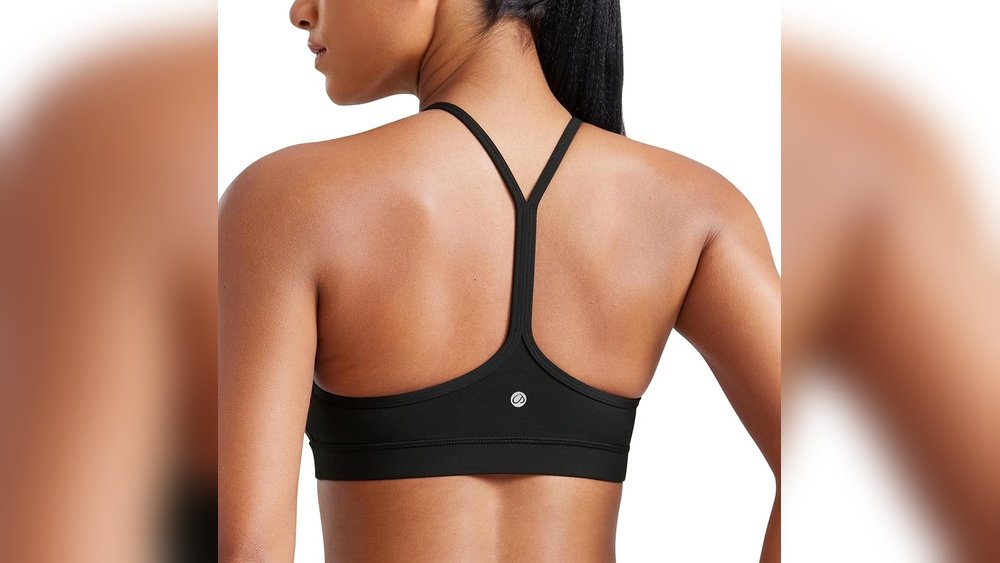
Sports bras have wide bands and thick straps. These features distribute weight evenly and add stability. Adjustable straps are common for a perfect fit. Yoga bras use thinner bands and straps. The design prioritizes flexibility and comfort. Straps may be racerback or simple to avoid interference during poses. Bands are often stretchy to move with the body.

Credit: www.amazon.com
Material Comparisons
Material plays a key role in the comfort and function of sports bras and yoga bras. Both types use fabrics designed to support different activity levels and body movements. Understanding the differences in material helps you pick the right bra for your workout style.
Natural Vs Synthetic Fabrics
Yoga bras often favor natural fabrics like cotton, bamboo, or modal. These materials feel soft and gentle on the skin. They allow air to pass through easily, reducing irritation during slow and smooth movements.
Sports bras usually rely on synthetic fabrics such as polyester, nylon, or spandex. These materials stretch well and hold the body tightly. They provide firm support needed for high-impact activities like running or jumping.
Natural fabrics are breathable and better for sensitive skin. Synthetic fabrics offer durability and elasticity for intense motion.
Breathability And Moisture Wicking
Yoga bras focus on breathability to keep you cool during poses. Natural fibers absorb sweat and allow it to evaporate slowly. This creates a dry and comfortable feeling throughout the session.
Sports bras prioritize moisture-wicking properties. Synthetic fibers pull sweat away from the skin quickly. This helps prevent chafing and discomfort during vigorous exercise.
Both types aim to manage moisture but use different fabric technologies. Breathable yoga bras suit gentle activity. Moisture-wicking sports bras suit high-impact workouts.
Fit And Comfort
Fit and comfort are crucial when choosing between a sports bra and a yoga bra. Both bras aim to support the body but in different ways. Understanding how each bra fits can help you pick the best option for your activity. Comfort depends on the bra’s design and materials. It affects your performance and how you feel during exercise.
Compression Levels
Sports bras usually have higher compression levels. They tightly hold the breasts to reduce movement during intense activities. This strong support prevents pain and discomfort. Yoga bras offer lighter compression. They allow more freedom and stretch for gentle movements. This softer fit helps maintain comfort during longer sessions.
Wirefree And Wireless Options
Both sports and yoga bras often come wirefree or wireless. Wirefree bras avoid metal underwires, which can cause discomfort. Wireless designs use elastic bands for support. Sports bras may add extra padding or reinforced bands to improve hold. Yoga bras focus more on softness and flexibility. These options reduce pressure points and skin irritation.
Use Case Scenarios
Understanding how sports bras and yoga bras fit into different activities helps you choose the right one. Each bra type serves a unique purpose based on the activity and comfort level needed. Let’s explore some common use case scenarios to see where each bra shines.
Sports Bras For Yoga Practice
Sports bras offer firm support to minimize movement during intense yoga sessions. They keep your chest stable in dynamic poses like jumps or inversions. Their snug fit prevents discomfort and distraction. Sports bras are ideal for power yoga or hot yoga where sweat and motion increase.
Yoga Bras For Everyday Wear
Yoga bras focus on comfort and flexibility for light activity and daily use. They use soft, stretchy fabrics that allow natural movement. These bras feel gentle on the skin and avoid tight compression. Yoga bras work well for casual wear or low-impact exercises like stretching and meditation.
When To Choose Each Type
Choose a sports bra if your activity involves high movement or intense workouts. Pick a yoga bra for relaxed activities or when comfort is a priority. Consider how much support and freedom you need. Your choice depends on the balance between support and ease of movement.
Health And Skin Considerations
Choosing the right bra for sports or yoga involves more than support. Health and skin comfort play a big role. Both sports bras and yoga bras affect your skin and posture differently. Understanding these factors helps you pick the best option for your body and activity.
Fabric Certifications And Safety
Look for fabrics certified by GOTS or OEKO-TEX. These labels ensure the material is free from harmful chemicals. Organic cotton, bamboo, and modal are safer choices. They reduce the risk of allergies and skin irritation. Certified fabrics also mean the bra is made with eco-friendly processes. This benefits your skin and the environment.
Avoiding Skin Irritation
Sports bras often use synthetic fabrics like nylon or polyester. These can trap sweat and heat, causing irritation. Yoga bras usually use softer, breathable fabrics. Natural fibers allow air to flow and wick moisture away. A proper fit prevents rubbing and chafing. Wireless designs reduce pressure points that can hurt sensitive skin. Choosing the right fabric and fit protects your skin during exercise.
Impact On Posture And Circulation
Sports bras provide firm support to limit breast movement. This support can improve posture during high-impact activities. Yoga bras offer lighter support, allowing more freedom of movement. Tight bands or straps can restrict blood flow and cause discomfort. A well-fitted bra maintains good circulation and reduces muscle strain. Proper support also helps avoid back and shoulder pain.
Credit: www.splits59.com
Style And Aesthetic Differences
Sports bras and yoga bras differ significantly in style and aesthetics. Their visual appeal suits the specific activities they support. These differences affect how each bra looks and feels during wear. Understanding these style elements helps in choosing the right bra for your needs.
Design Preferences
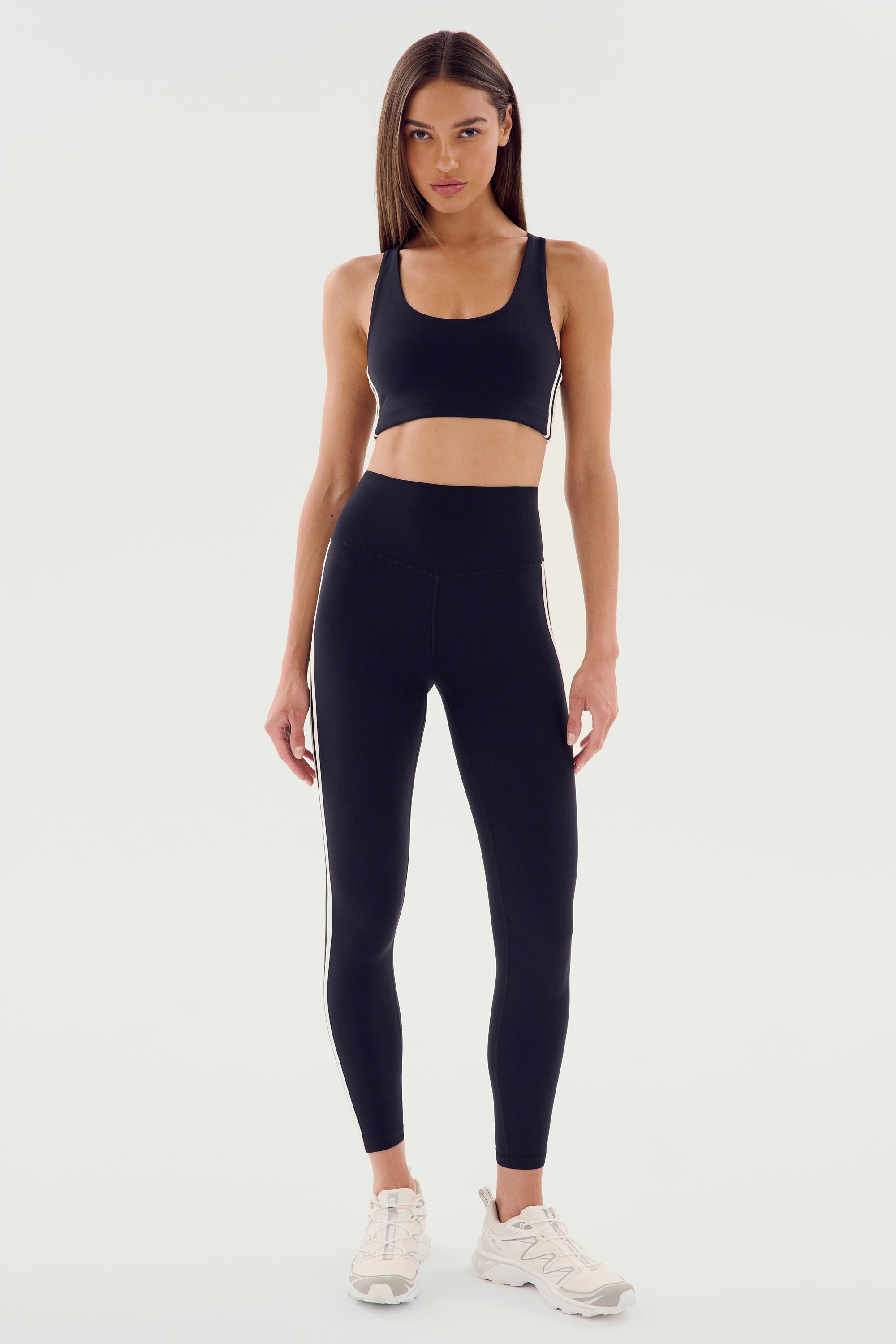
Sports bras often feature bold, structured designs. They include thicker straps and reinforced seams for extra support. Colors tend to be bright and energetic. Patterns might be geometric or sporty to reflect high activity levels.
Yoga bras focus on simplicity and calmness. They usually have thinner straps and softer fabrics. Neutral or pastel colors dominate yoga bra collections. The design aims for a relaxed, minimal look that matches yoga’s peaceful vibe.
Versatility In Wardrobe
Sports bras work well under workout gear and casual clothes. Their sporty look pairs easily with tank tops and shorts. Some styles double as crop tops for running errands or casual outings.
Yoga bras blend smoothly with everyday wear. They often match well with loose tops or layered outfits. Their subtle style makes them suitable for both exercise and leisure. Yoga bras provide comfort without drawing too much attention.
Frequently Asked Questions
Can I Wear A Sports Bra To Yoga?
Yes, you can wear a sports bra to yoga. It offers good support and comfort during various poses, reducing distractions. Choose a breathable, well-fitting sports bra for optimal movement and focus.
What Is The Healthiest Kind Of Bra To Wear?
The healthiest bras use breathable, natural fabrics like organic cotton or bamboo. Choose a proper fit with wireless support to avoid discomfort. Look for certifications like GOTS or OEKO-TEX to ensure safety and quality. Avoid synthetic materials that trap heat or irritate skin.
Who Should Not Wear A Sports Bra?
People with sensitive skin or certain breast conditions should avoid sports bras. Also, those needing minimal support may prefer other styles.
Is It Okay To Wear A Sports Bra As An Everyday Bra?
Wearing a sports bra daily is okay if it fits well and feels comfortable. Choose breathable fabrics for better skin health. Sports bras provide good support but may lack the style or shape of everyday bras. Rotate with regular bras to avoid discomfort or skin irritation.
Conclusion
Choosing between a sports bra and a yoga bra depends on your activity needs. Sports bras offer firm support for high-impact movements. Yoga bras focus on comfort and flexibility for gentle stretches. Both use different fabrics and designs to serve their purpose.
Picking the right bra helps you stay comfortable and confident during exercise. Remember, good fit and breathable materials are key. Understanding these differences ensures you get the best support for your workout.