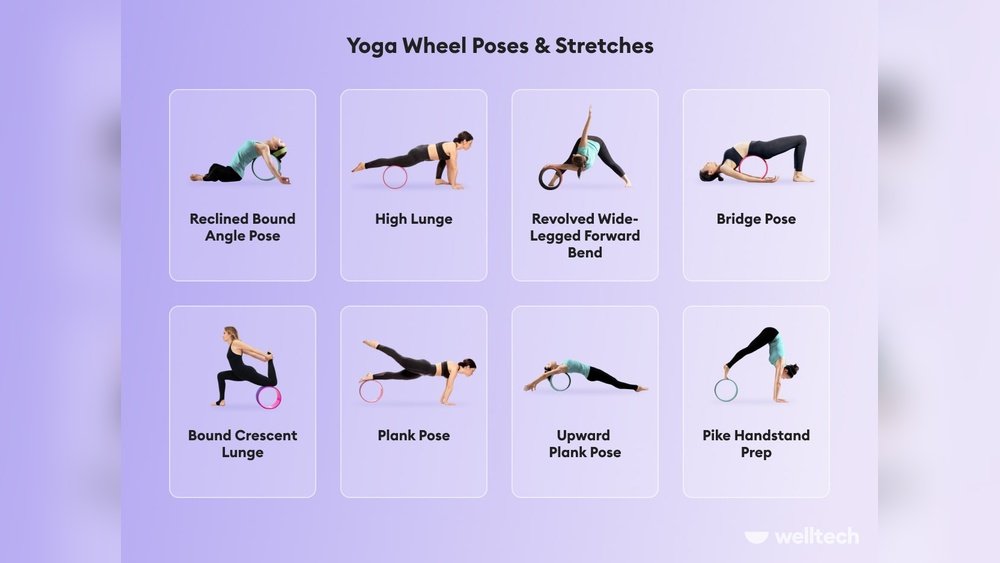
Master yoga wheel poses to boost flexibility, core strength, and balance. From beginner to advanced, take your practice to the next level with these top moves.
Whether you’re struggling with tight hips, a stiff spine, or just want to add some fun and challenge to your routine, the yoga wheel can be your perfect companion. You’ll discover how to use the yoga wheel to deepen stretches, relieve tension, and master poses that once felt out of reach.
Keep reading to unlock the secrets of yoga wheel poses and transform your practice today!

Benefits Of Yoga Wheel
The foam roller yoga wheel poses offers many benefits that help improve your practice. It supports the body in various poses and increases flexibility. Using the wheel can make deep stretches easier and safer. It also builds strength and enhances balance.
This tool is helpful for all skill levels, from beginners to advanced yogis. It encourages better posture and relieves tension, especially in the back and shoulders. The yoga wheel is a versatile prop that adds variety to your routine.
Deep Backbends And Chest Opening
The yoga wheel helps open the chest and shoulders deeply. It gently stretches the front body, reducing tightness from sitting. This support allows you to hold backbends longer and with less strain. It improves flexibility in the spine and chest muscles.
Spinal Mobility And Massage
Rolling on the yoga wheel massages the spine and back muscles. It increases spinal flexibility and eases stiffness. This massage effect helps release tension and improves blood flow. The wheel promotes better posture by loosening tight areas.
Enhanced Stretching
The yoga wheel helps you reach deeper stretches safely. It supports the body to extend muscles without overstraining. Using the wheel increases your range of motion gradually. It allows you to explore new poses with confidence.
Core Strengthening
Balancing on the yoga wheel engages your core muscles. It challenges your abs and back muscles to stay stable. This builds core strength which supports overall body control. Strong core muscles improve balance and posture during yoga.
Balance And Stability
The yoga wheel requires focus to maintain balance. Practicing with it improves body awareness and coordination. It strengthens stabilizing muscles around joints. This leads to better balance in both yoga and daily activities.
Inversion Support
The yoga wheel offers support for inversion poses. It helps beginners feel safe while upside down. The wheel reduces pressure on the neck and spine during inversions. It builds confidence to try new challenging poses.
Pose Assistance And Modification
The yoga wheel can assist in many yoga poses like Yin. It helps modify poses for different skill levels. You can use it to reduce strain or deepen stretches. This makes yoga accessible and enjoyable for everyone.

Credit: totalplumbingfl.com
Popular Yoga Wheel Poses
The yoga wheel offers many ways to improve your practice. It supports the body in poses that stretch and strengthen muscles. Many popular yoga wheel poses help open the chest, increase spinal flexibility, and build core strength.
These poses suit different skill levels. Beginners find support and gentle stretches. Advanced yogis enjoy deeper backbends and balance challenges. Here are some popular yoga wheel poses to try.
Spinal Rolls
Spinal rolls use the wheel to massage the spine. Lay your back on the wheel and slowly roll up and down. This motion helps relieve tension and increases spinal mobility. It feels like a gentle back massage and improves flexibility.
Chest Opener Variations
Placing the wheel under the upper back opens the chest deeply. Lean back slowly and stretch your arms wide. This pose improves posture and reduces tightness in the shoulders. Try small movements to find your comfort zone.
Plank Variations
The yoga wheel adds challenge to plank poses. Place your hands or feet on the wheel to test your balance. This variation builds core strength and stability. Keep your body strong and steady throughout the pose.
Forward Folds
Use the wheel to support your body in forward folds. Place your hands on the wheel as you bend forward. It helps you reach deeper without straining. This pose stretches the hamstrings and calms the mind.
Supported Wheel Pose
The wheel supports your back in the full wheel pose. Lie back and place the wheel under your spine. Press your hands and feet into the floor and lift your chest. This pose opens the front body and strengthens your arms and legs.
Strength And Flexibility Drills
Strength and flexibility drills with a yoga wheel help improve body control and muscle tone. These exercises target key areas like the core, balance, and back flexibility. Using the wheel adds support and increases the challenge safely. Regular practice builds endurance and prevents injury.
Each drill focuses on a different skill. Core engagement exercises activate the deep abdominal muscles. Balance challenges improve stability and coordination. Backbend progressions open the chest and strengthen the spine. Together, they create a well-rounded yoga practice.
Core Engagement Exercises
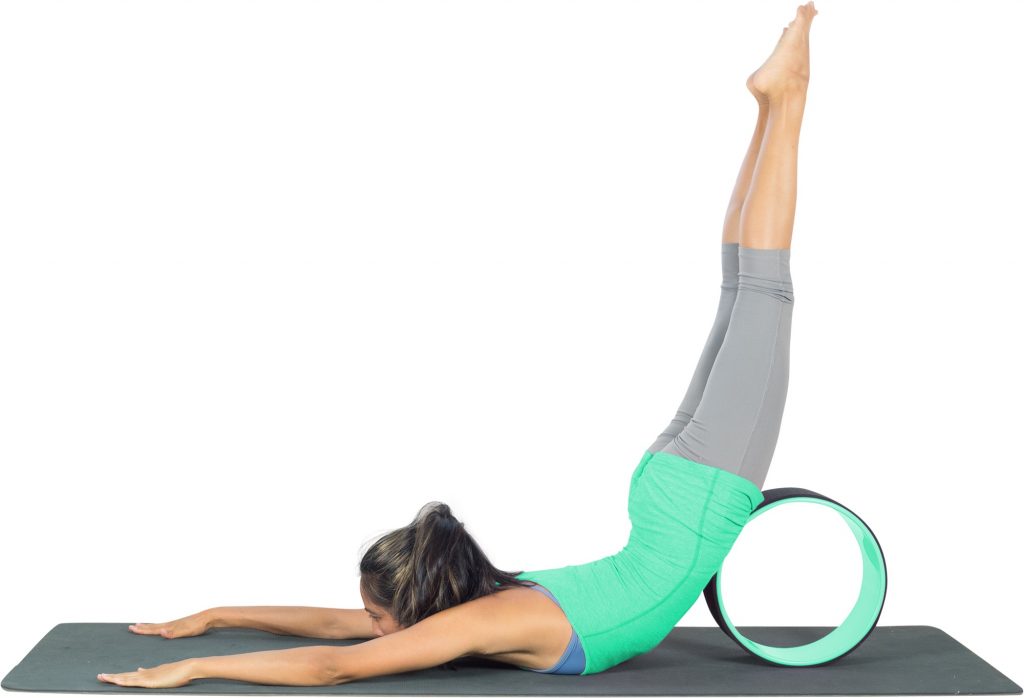
Start with the yoga wheel under your lower back. Engage your abdominal muscles to lift your hips. Hold the position for a few breaths. This strengthens the core and supports the spine.
Try rolling the wheel slowly up and down your back. Keep your core tight to control the movement. This improves muscle activation and stability. Core strength helps with all yoga wheel poses.
Credit: upcircleseven.com
Balance Challenges
Place the yoga wheel under your hands or feet. Lift one limb off the ground. Focus on steady breathing and a fixed gaze. This sharpens your balance and body awareness.
Practice standing on the wheel with both feet. Shift your weight from side to side. These small movements train your muscles to stay steady. Balance drills reduce falls and improve posture.
Backbend Progressions
Begin by lying on the yoga wheel with it supporting your spine. Slowly extend your arms overhead. Let your chest open gently. This stretches the front body and loosens tight muscles.
Move into a full wheel pose by planting your hands and feet on the floor. Lift your hips and chest upward. Keep your core engaged to protect your lower back. Backbend progressions increase flexibility and spinal strength.
Advanced Moves To Try Later
After getting comfortable with basic yoga wheel poses, you can try advanced moves. These poses help improve strength, balance, and flexibility. They bring new challenges and excitement to your practice. Take your time and listen to your body. Practice safely and enjoy the journey.
Inversions With The Wheel
Inversions flip your body upside down, boosting circulation and focus. Using the wheel adds support and helps keep balance. Start with gentle poses like supported headstands or shoulder stands. The wheel cushions your back and makes holding poses easier. Always practice near a wall or with a partner for safety.
Deep Backbends
The wheel helps open your chest and spine deeply. It supports your back while you stretch. Try poses like wheel-assisted bridge or full backbends. These moves improve posture and reduce tension in your shoulders. Move slowly and breathe deeply to avoid pain. Stop if you feel discomfort or strain.
Dynamic Flow Sequences
Flow sequences link poses smoothly and build strength. Use the wheel to transition between moves with control. Combine backbends, twists, and stretches for a full-body workout. Flowing helps increase endurance and coordination. Keep your movements steady and steady your breath throughout the sequence.
Common Mistakes To Avoid
Using a yoga wheel can improve your flexibility and strength. Yet beginners often make mistakes that slow progress or cause injury. Avoiding these common errors helps you enjoy safe and effective practice. Focus on slow, mindful movements and listen to your body.
Overstretching And Injury Risks
Trying to stretch too far can hurt muscles and joints. The yoga wheel supports your back and spine, not force extreme bends. Move gently and stop if you feel sharp pain. Overstretching leads to strains and longer recovery time.
Ignoring Body Alignment
Proper alignment protects your body during poses. Keep your spine straight and shoulders relaxed. Misalignment stresses muscles and causes discomfort. Use a mirror or ask for help to check your form. Correct posture improves the wheel’s benefits.
Rushing Progress
Progress takes time with a yoga wheel. Avoid pushing yourself too fast. Slow, steady practice builds strength and flexibility safely. Skipping steps increases risk of injury and frustration. Celebrate small improvements and stay patient.
Building Confidence And Flexibility
Building confidence and flexibility with a yoga wheel takes time and patience. The wheel helps open tight muscles and improve balance. Beginners can feel unsure at first. Small, steady steps bring success. Using the wheel regularly makes movements easier and more natural. Progress happens bit by bit.
Consistent Practice Tips
Practice with the yoga wheel several times a week. Short sessions work well. Start with 5 to 10 minutes. Focus on comfort and control. Avoid pushing too hard. Use simple poses to build strength. Repeat each pose slowly. Consistency helps muscles adapt and grow.
Incorporating Breath Control
Breathing deeply improves your yoga wheel practice. Breathe in through the nose. Breathe out through the mouth. Match your breath to your movements. Slow, steady breaths relax muscles. Controlled breathing reduces fear. It helps you stay calm and focused. Breath control supports balance and flexibility.
Tracking Your Progress
Keep a simple journal or log. Write down how long you use the wheel. Note which poses feel easier. Record any new stretches or movements. Celebrate small improvements. Seeing progress boosts confidence. Tracking helps you stay motivated and aware. It shows how your flexibility grows over time.
Who Should Use A Yoga Wheel
The yoga wheel offers unique support and challenges for many practitioners. It suits those who want to improve flexibility, strength, or relieve tension. Beginners and advanced yogis find value in using this simple prop. Its rounded shape helps to open the chest and stretch the spine safely. Using the wheel can enhance your yoga practice in multiple ways.
Relieving Back Pain And Stiffness
People with tight backs or mild pain benefit from the yoga wheel. It gently stretches the spine and muscles around it. Rolling on the wheel massages the back and releases tightness. This can ease stiffness from sitting or poor posture. The wheel supports the back during gentle backbends, reducing strain. Regular use improves spinal mobility and comfort.
Deepening Stretch Practice
The yoga wheel helps deepen stretches without forcing the body. It supports backbends, chest openers, and hip stretches. Using the wheel encourages safe, gradual increases in flexibility. It guides the body into deeper positions while protecting joints. This makes it easier to hold poses longer and with better form. The wheel adds variety to a regular stretch routine.
Building Strength For Advanced Poses
Advanced practitioners use the yoga wheel to build core and back strength. Balancing on the wheel challenges stability and muscle control. It strengthens the arms, shoulders, and spine for harder poses. The wheel also helps prepare the body for inversions and arm balances. Using it regularly improves body awareness and balance skills. It offers a fun way to progress in yoga practice.
Tips For Safe Practice
Practicing yoga wheel poses can greatly enhance flexibility and strength. Safety is key to avoid injury and enjoy the benefits fully. Follow these simple tips to practice safely and confidently.
Proper Alignment
Keep your body well-aligned to protect joints and muscles. Position your hands and feet firmly on the ground. Ensure your spine stays straight, not overly bent. Check your shoulders are relaxed and away from your ears. Proper alignment helps prevent strain and improves pose effectiveness.
Gradual Progression
Start with easy poses before moving to advanced ones. Build strength and flexibility step by step. Avoid rushing into deep backbends or difficult stretches. Practice regularly but give your body time to adjust. Gradual progression reduces the risk of injury.
Listening To Your Body
Pay attention to how your body feels during practice. Stop if you feel sharp pain or discomfort. Use the yoga wheel to support, not force, your movements. Rest when needed and avoid pushing beyond your limits. Listening to your body keeps your practice safe and enjoyable.

Credit: totalplumbingfl.com
Incorporating Yoga Wheel Into Routine
Incorporating the yoga wheel into your regular practice helps enhance flexibility and strength. It supports deeper stretches and improves posture. Using the wheel regularly adds variety and challenge to your routine.
Warm-up Sequences
Start your session with gentle movements using the yoga wheel. Roll it along your spine to release tight muscles. Use it for gentle backbends to open your chest and shoulders. These simple warm-ups prepare your body for more intense poses. They increase blood flow and reduce injury risk.
Cool-down Stretches
End your practice with calming stretches using the wheel. Place it under your upper back and relax into a supported backbend. This helps lengthen tight muscles and calm the nervous system. Use the wheel to stretch your hips and open your chest slowly. These cool-downs aid recovery and improve flexibility over time.
Combining With Other Props
Pair the yoga wheel with blocks or straps for better alignment. Use blocks to support your hands or feet while balancing on the wheel. Straps help deepen stretches safely when combined with the wheel. Props add stability and allow you to hold poses longer. This combination enhances your practice and builds confidence.
Resources And Tutorials
Finding the right resources and tutorials makes practicing Yoga Wheel poses easier and safer. Many tools help beginners and experienced yogis improve their skills. These resources offer clear instructions, demonstrations, and support.
With proper guidance, you can avoid injury and gain confidence. Choose resources that match your learning style and pace. Here are some useful options to explore.
Video Guides
Video guides show step-by-step instructions for Yoga Wheel poses. They provide clear visuals and tips to improve your form. Watching videos helps you understand how to use the wheel correctly. Many free videos are available on platforms like YouTube.
These guides often cover beginner to advanced poses. Some focus on specific benefits, such as backbends or flexibility. Practicing along with videos makes learning more interactive and fun.
Online Classes
Online classes offer structured lessons with expert teachers. They often include warm-ups, pose breakdowns, and cool-downs. Classes range from short sessions to full-length courses. You can learn at your own pace and schedule.
Many classes provide feedback through comments or live chats. This helps you improve and stay motivated. Choose classes that focus on Yoga Wheel poses or include them in broader yoga practice.
Community Support
Joining a yoga community connects you with others who share your interest. Online forums and social media groups offer advice and encouragement. Members share their experiences, challenges, and progress.
Community support keeps you inspired and accountable. You can ask questions, find local classes, or join group challenges. Being part of a community makes your Yoga Wheel journey more enjoyable and consistent.
Credit: kdfoundation.org
Frequently Asked Questions
Is There A Wheel Yoga Pose?
Yes, the Wheel Pose (Chakrasana) is a popular backbend in yoga. It strengthens the spine, opens the chest, and improves flexibility.
What Can I Do With A Yoga Wheel?
A yoga wheel deepens stretches, improves flexibility, balances poses, massages the spine, builds core strength, and supports inversions. It enhances posture and relieves muscle tension.
What Is A Yoga Wheel Used For Beginners?
A yoga wheel helps improve flexibility and balance. Beginners use it to stretch muscles and open the chest safely. It supports backbends and enhances core strength. Using a yoga wheel gradually builds confidence in challenging poses.
How Do Beginners Start With A Yoga Wheel?
Start by placing the wheel under your back or hands. Use it to gently stretch and support your spine. Begin with basic poses like seated stretches and supported backbends. Practice regularly to improve flexibility and control.
Are Yoga Wheels Safe For Beginners?
Yes, yoga wheels are safe when used correctly. Beginners should follow tutorials and avoid pushing beyond comfort. Start slow and listen to your body. Using a yoga wheel can prevent injuries by offering controlled support.
Can A Yoga Wheel Improve Flexibility Quickly?
A yoga wheel can speed up flexibility improvements. It helps deepen stretches and releases muscle tension. Consistent practice, even a few minutes daily, can show noticeable results. Patience and proper technique are key for safe progress.
Who Should Not Do A Wheel Pose?
People with wrist, shoulder, or back injuries, high blood pressure, or heart conditions should avoid the Wheel Pose. Pregnant women should skip it too.
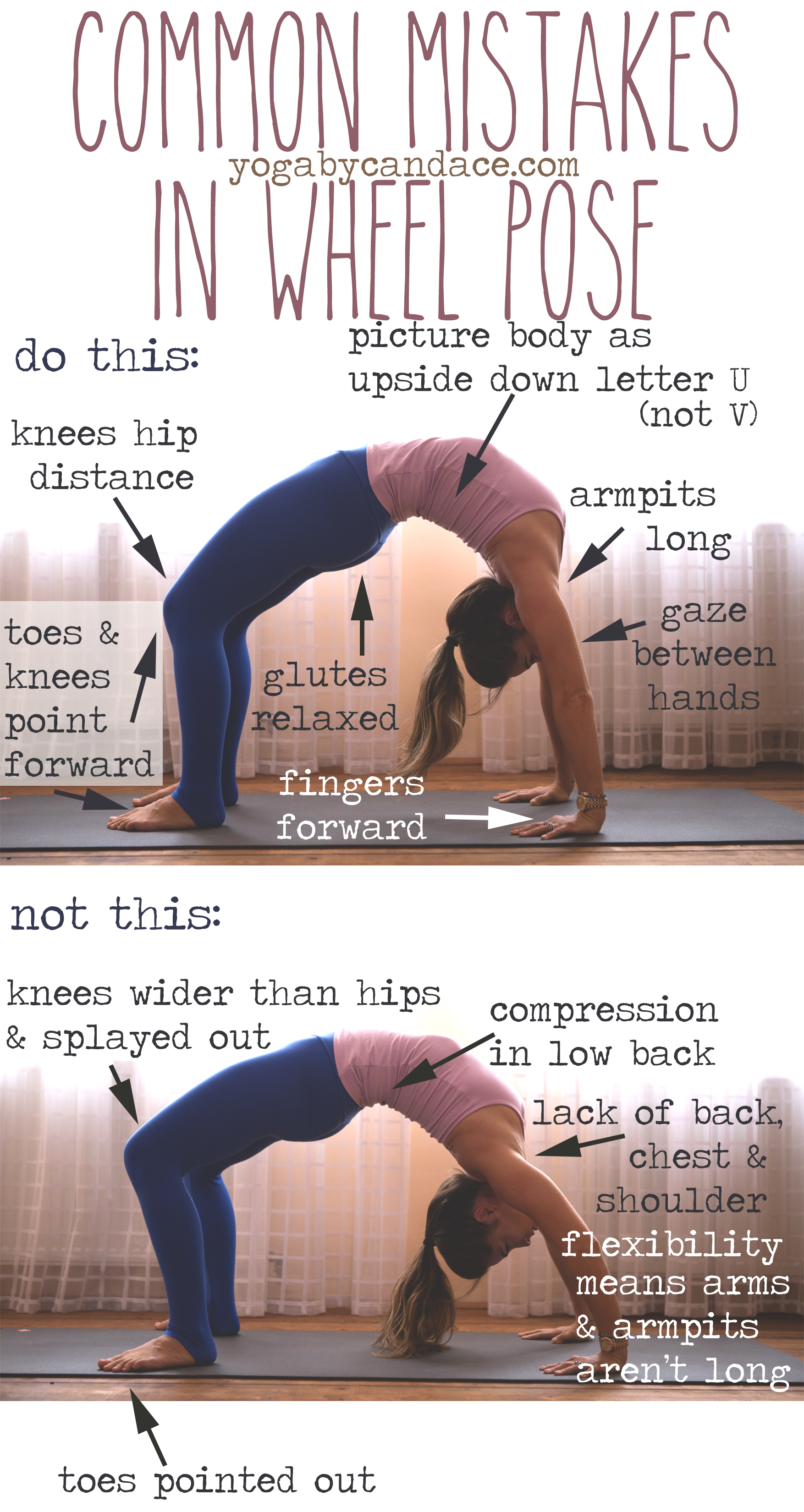
What Are Common Mistakes In Yoga Wheel Pose?
Common mistakes in Wheel Pose include improper hand and foot placement, collapsing the lower back, not engaging the core, and forcing the backbend too quickly. Avoid holding breath and neglecting shoulder opening, which can cause strain and reduce pose benefits.
Conclusion
Yoga wheel poses help improve flexibility, strength, and balance. They gently open the chest and shoulders, easing tightness. Using the wheel supports the spine and relieves muscle tension. Beginners and advanced practitioners can benefit from its support. Practicing regularly builds core strength and enhances body awareness.
Try different poses to find what feels best for you. Enjoy the journey of growing stronger and more flexible each day.