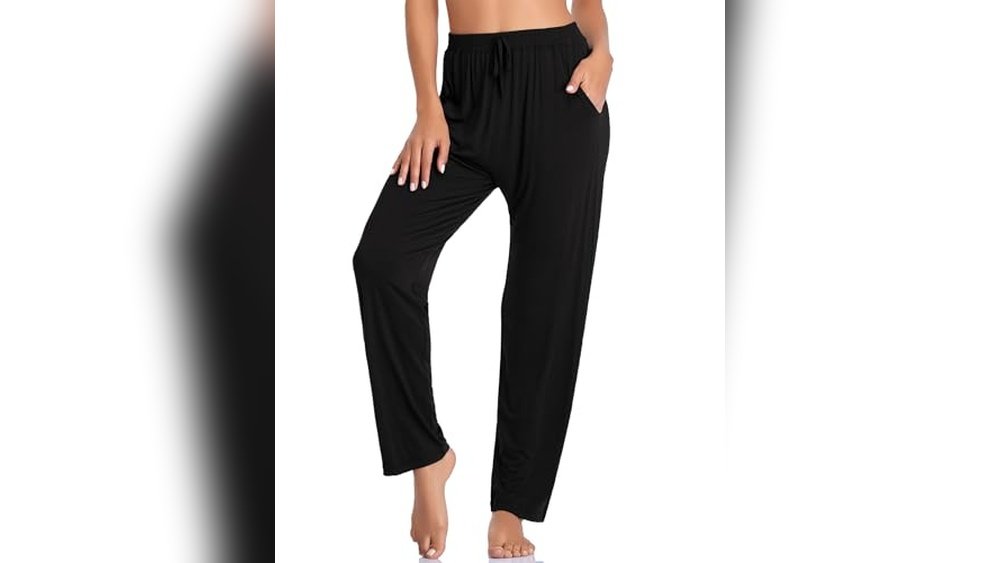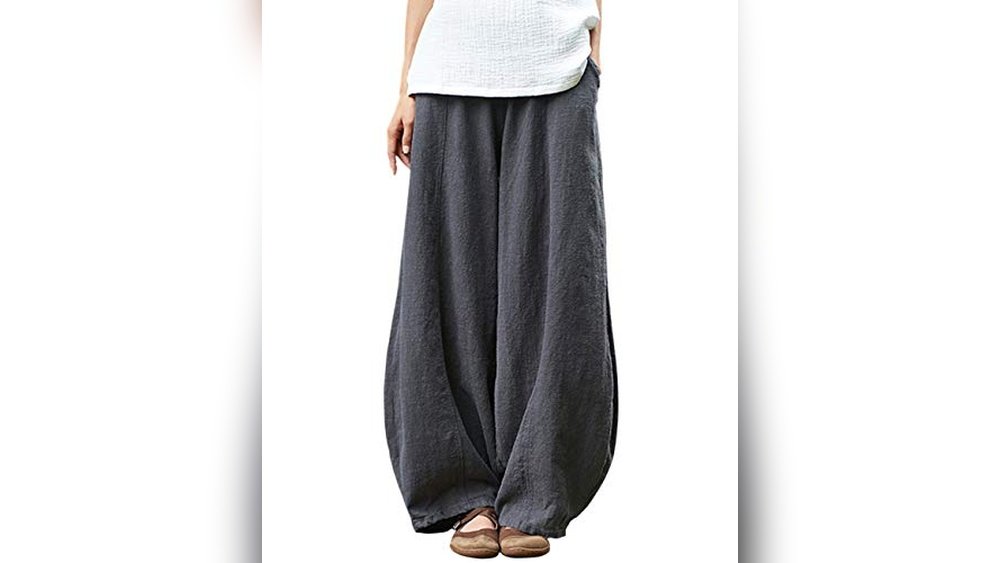
Finding the perfect pair of yoga pants isn’t just about style—it’s about comfort, confidence, and performance. You’ve probably experienced the frustration of leggings that slip down, feel too tight, or become see-through when you move.
So, how do you know which size and fit will truly work for your body? This guide will help you understand exactly what to measure and how to choose yoga pants that move with you, support your practice, and feel like a second skin.
Keep reading, and you’ll never have to guess your yoga pants size again.
Measuring Your Waist
Measuring your waist is the first key step to find the perfect yoga pants. A correct waist measurement ensures comfort and a secure fit. Too tight around the waist can cause discomfort. Too loose may make the pants slip down during movement.
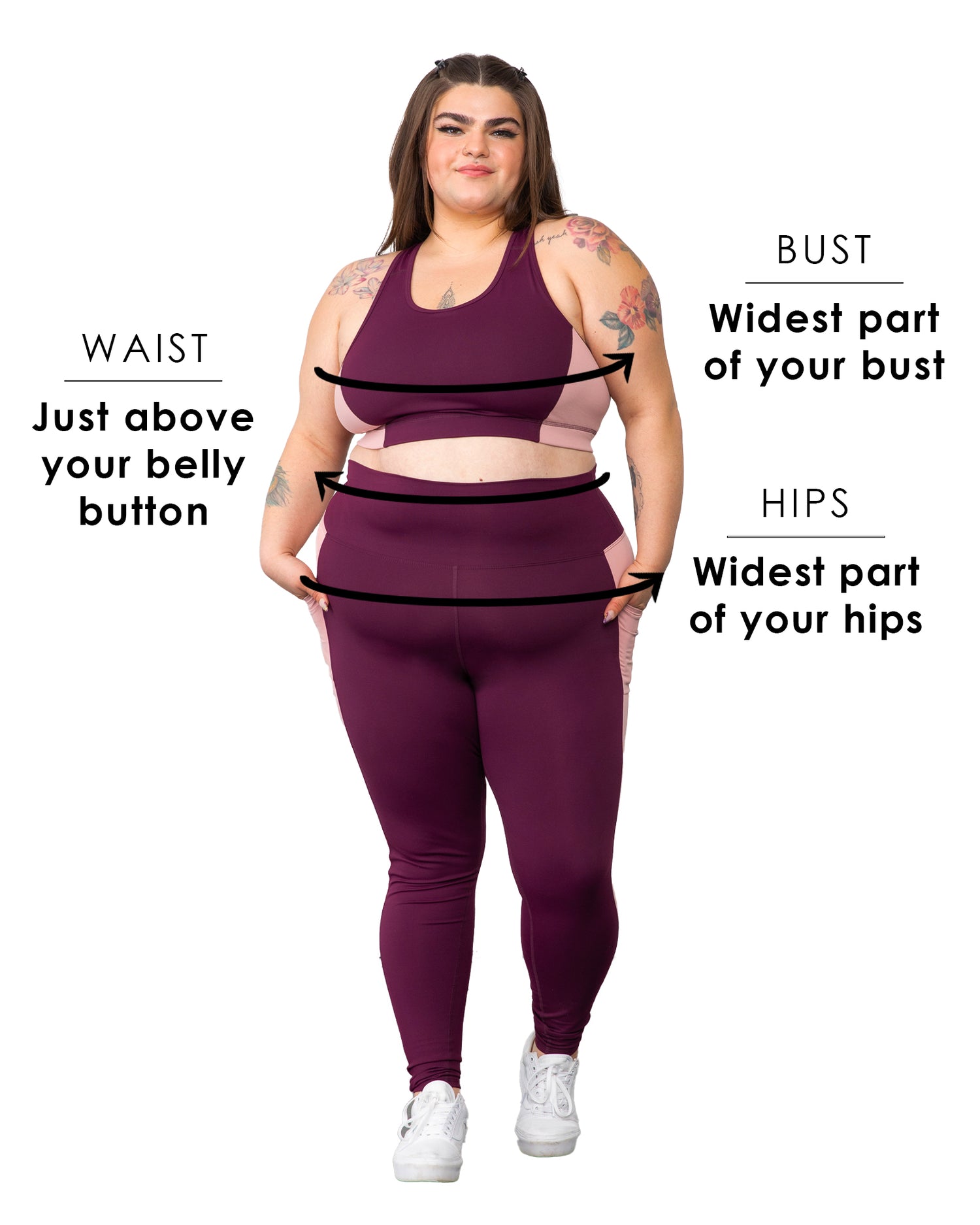
Use a flexible measuring tape to get an accurate size. Stand straight and relax your stomach muscles while measuring. The tape should be snug but not tight. Measure at the narrowest part of your waist, usually just above the belly button.
Find The Smallest Part Of Your Waist
Locate the narrowest point between your ribs and hips. This spot is often above your belly button. It is the best place to measure for yoga pants waist size. Avoid measuring too high or too low for accuracy.
Use A Flexible Measuring Tape
Use a soft, cloth or plastic tape designed for body measurements. Metal tapes are stiff and can give wrong results. Wrap the tape around your waist without pulling it tight. Keep it level all around to avoid mistakes.
Measure While Standing Straight
Stand with your feet hip-width apart for balance. Keep your back straight and breathe normally. Do not suck in your stomach or push it out. This gives a true waist size that fits comfortably.
Record Your Measurement In Inches Or Centimeters
Note the number where the tape meets itself. Write it down immediately to avoid forgetting. Use this number to compare with yoga pant size charts. Different brands may have slight size variations.
Measuring Your Hips
Measuring your hips is a key step to find yoga pants that fit well. The hips are usually the widest part of your lower body. Accurate hip measurement helps avoid leggings that are too tight or loose. This ensures comfort and freedom of movement during your practice.
Use a soft measuring tape for best results. Stand straight with your feet about hip-width apart. Wrap the tape around the fullest part of your hips and buttocks. Keep the tape parallel to the floor and snug but not tight.
Take the measurement at the point where your hips are widest. This number helps you choose the correct size according to brand size charts. Double-check the measurement for accuracy before ordering.
Choosing The Right Spot To Measure Your Hips
Locate the widest area around your hips and buttocks. This is usually below your waist and above your thighs. Standing in front of a mirror can help find this spot. Measuring here captures the true hip width for yoga pants sizing.
How To Use A Measuring Tape Correctly
Use a flexible, cloth measuring tape. Wrap it around the widest part of your hips. Make sure it lies flat and is parallel to the ground. Avoid pulling the tape too tight or leaving it too loose. Take the measurement in inches or centimeters.
Recording And Using Your Hip Measurement
Write down your hip measurement immediately. Compare it to the size chart provided by the yoga pants brand. Choose the size that matches or is closest to your measurement. This prevents buying pants that do not fit properly.
Measuring Inseam Length
Measuring the inseam length is key to finding yoga pants that fit well. The inseam affects how the pants feel during movement and how they look on your legs. A proper inseam length prevents the pants from being too short or dragging on the floor. This simple measurement helps you choose yoga pants that feel comfortable and stay in place.
What Is Inseam Length?
The inseam is the measurement from the groin to the ankle bone. It shows the inside length of your leg. This length helps determine where the yoga pants will end on your leg. Different inseam lengths create different styles like full-length, capris, or shorts.
How To Measure Your Inseam Length
Stand straight with your legs slightly apart. Use a soft measuring tape for accuracy. Measure from the top of your inner thigh down to your ankle bone. Keep the tape snug but not tight. Write down this number in inches or centimeters.
Why Inseam Length Matters For Yoga Pants
Yoga pants with the right inseam length move better with your body. Too short inseam can cause discomfort and constant adjusting. Too long inseam may bunch up and cause tripping. Choosing the correct inseam supports comfort and performance during yoga or workouts.
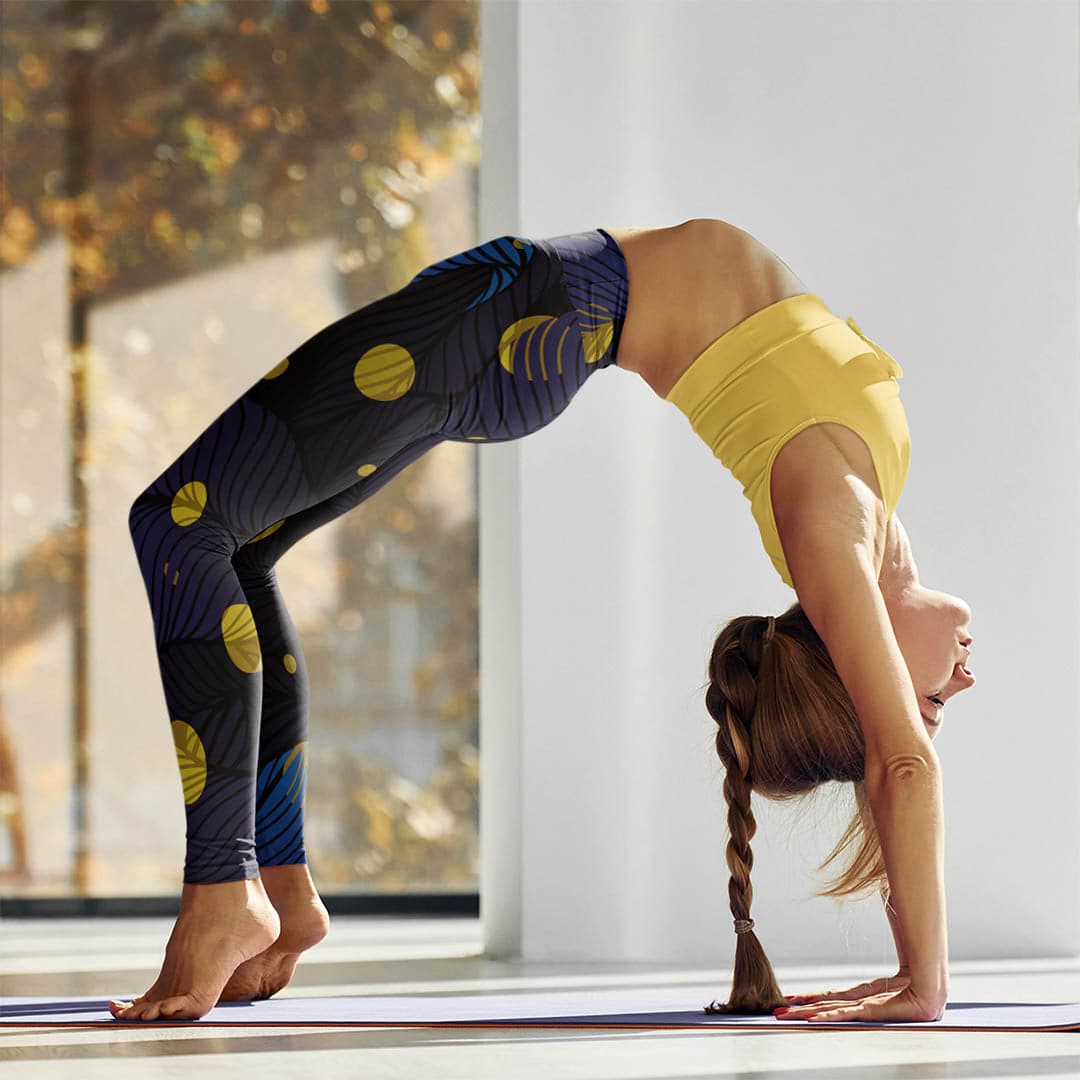
Credit: loonylegs.com
Choosing Between Hip And Waist Size
Choosing the right yoga pants size depends on your hip and waist measurements. Measure hips at the widest point for a snug fit that stays in place. Waist size helps ensure comfort without digging in or slipping down during movement.
Understanding Hip And Waist Measurements
Choosing the right size yoga pants starts with knowing your body shape. The two main measurements are your waist and hips. Each plays a different role in fit and comfort.
Your waist is the narrowest part of your torso, usually above your belly button. The hips are the widest part around your buttocks. Both measurements help find pants that fit well and stay in place.
When To Choose Hip Size
Pick hip size if your hips are larger than your waist. This helps avoid leggings that feel tight or cut into your skin. Pants sized by hips fit better over curves.
Hip measurement is important for comfort during movement. It stops the fabric from stretching too much or becoming see-through. This size choice also prevents leggings from sliding down.
When To Choose Waist Size
Choose waist size if your waist is larger or close to your hip size. This ensures the waistband fits snugly and does not dig into your skin. A good waistband keeps pants from slipping.
Waist sizing works well for those with a straight body shape. It offers a smooth fit without extra bunching or gaps. This choice helps maintain a clean silhouette.
Tips For Accurate Measurement
Use a soft measuring tape for both hip and waist. Stand straight and relax your body. Measure your waist at the smallest point.
Measure hips at the widest part while standing with feet together. Write down both numbers. Compare them to the brand’s size chart for the best match.
When To Size Up Or Down
Choosing the right size for yoga pants can change your workout experience. Sometimes, you may need to size up or down based on activity and comfort. This helps you feel good and move freely. Knowing when to adjust the size keeps your yoga pants fitting just right.
High-intensity Workouts
For intense exercises, tighter yoga pants offer more support. They hold muscles firmly and reduce movement. Picking a smaller size can improve performance and comfort. Avoid pants that are too loose or they may slide down. Compression helps blood flow and reduces fatigue.
Low-impact Activities
During gentle activities, looser yoga pants feel more relaxing. Sizing up provides extra room for easy movement. This prevents any tightness or pinching. It also helps with breathability and comfort during long sessions. Choose a size that feels soft and not restrictive.
Personal Comfort Preferences
Comfort is personal and varies for everyone. Some like snug fits for support and shape. Others prefer relaxed fits for freedom and softness. Consider how you feel wearing yoga pants all day. Your size choice should match your daily comfort needs.
Checking The Fit On Thighs And Calves
Checking the fit on your thighs and calves is crucial for yoga pants comfort and performance. These areas need to feel snug but not tight. Proper fit prevents slipping and chafing during movement. It also supports muscle compression and flexibility.
Feel The Fabric Stretch On Your Thighs
Start by pulling the pants up to your waist. Next, check how the fabric wraps around your thighs. The material should hug your skin without digging in. You want a smooth fit that moves with your muscles. Avoid pants that feel loose or bunch up.
Assess The Tightness Around Your Calves
Look at the lower part of the pants near your calves. They should fit comfortably without squeezing too hard. Calf fit helps keep the pants in place during poses and stretches. Pants too loose here may slide down. Too tight can cause discomfort or restrict blood flow.
Move To Test The Flexibility
Try bending your knees and doing some lunges. Notice if the yoga pants stretch easily over your thighs and calves. Good pants allow full range of motion without pulling or pinching. You should feel supported but free to move.
Avoiding Sheerness And Bunching
Choosing yoga pants that fit perfectly means avoiding two common issues: sheerness and bunching. Sheerness occurs when fabric is too thin or stretched too much, making pants see-through. Bunching happens if pants are too long or loose, causing extra fabric to gather around your ankles or knees. Both problems can ruin comfort and confidence during yoga practice.
Understanding how to avoid these issues helps you find pants that look good and feel great. Focus on fabric quality, proper sizing, and fit to prevent sheerness and bunching.
Check Fabric Thickness And Quality
Thicker fabrics usually resist sheerness better. Look for materials with a higher density or blends that include nylon or polyester. Avoid very thin or cheap fabrics that stretch out easily. Test fabric by stretching it over your hand to see if it becomes see-through.
Measure Your Hips And Waist Correctly
Use a measuring tape around the widest part of your hips and the narrowest part of your waist. Compare these numbers with the brand’s size chart. Choosing pants based on hips ensures better coverage and reduces fabric stretching in key areas.
Try Different Lengths To Prevent Bunching
Choose pants with an inseam length that matches your leg length. Pants too long will gather at ankles and knees. If you are between sizes, opt for the shorter length or a style labeled “cropped” to avoid extra fabric.
Look For Stretch But Avoid Overstretching
Pants should stretch enough to move with your body without becoming see-through. Compression fabrics offer support without excessive stretch. Avoid sizes that pull tight, especially in the thigh and hip areas.
Considering Fabric And Stretch
Choosing yoga pants means paying close attention to fabric and stretch. These two factors affect comfort and fit more than size alone. Fabric type changes how pants feel on your skin. Stretch controls how pants move with your body.
Yoga pants made from cotton blends offer softness but less stretch. Synthetic fabrics like nylon or polyester often provide better stretch and durability. The right stretch lets pants hug your body without cutting off circulation. Stretchy fabrics adapt to your shape and movements during yoga poses.
Understanding Fabric Types
Natural fabrics like cotton feel soft and breathable. They are great for light activities but may lose shape after wear. Synthetic fabrics like spandex or elastane add stretch and resilience. Most yoga pants mix synthetic fibers with natural ones for balance.
Importance Of Stretch In Yoga Pants
Stretch allows freedom of movement. Pants with 10% to 20% spandex offer good flexibility. Too little stretch feels tight and restrictive. Too much stretch might cause pants to sag or lose support. Proper stretch keeps pants snug but comfortable.
How Fabric And Stretch Affect Size Choice
Fabrics with high stretch can fit tighter without discomfort. Less stretchy fabrics need a slightly larger size for ease. Stretchy pants mold to your body, so exact sizing is less critical. Check fabric details on the label before picking a size.
Adjusting For Rise And Length
Adjusting for rise and length is key to finding yoga pants that fit well and feel comfortable. The rise affects how the waistband sits on your body. Length determines if the pants reach your ankles or are too short or long. Both factors impact your comfort and movement during yoga.
Understanding The Rise Of Yoga Pants
The rise is the distance from the crotch seam to the top of the waistband. It can be low, mid, or high-rise. High-rise yoga pants sit above the belly button, offering more coverage and support. Mid-rise pants rest at the natural waist, balancing comfort and style. Low-rise pants sit below the waist, giving a relaxed fit but less support.
Choose a rise that feels secure without digging into your skin. Consider your torso length. Taller people often prefer higher rises to avoid exposure during stretches.
Measuring The Right Length
Length is the measurement from the crotch to the ankle. It affects how the pants look and move with you. Standard lengths usually reach the ankle bone. Cropped styles stop above the ankle, good for warmer weather. Full-length pants provide more coverage and protect against cold.
Check the inseam length before buying. Try yoga pants on or compare your measurements with size charts. Pants that are too long may bunch up, while too short pants may limit movement.
Tips For Adjusting Rise And Length
Test different rises to find what feels best. Move around and bend to check comfort. For length, consider your height and shoe choice. Taller people may need longer inseams. Remember, stretchy fabric can slightly change fit.
Alterations are an option if pants almost fit perfectly. Simple hemming can fix length issues. Choosing the right rise and length enhances your yoga practice by allowing freedom and comfort.

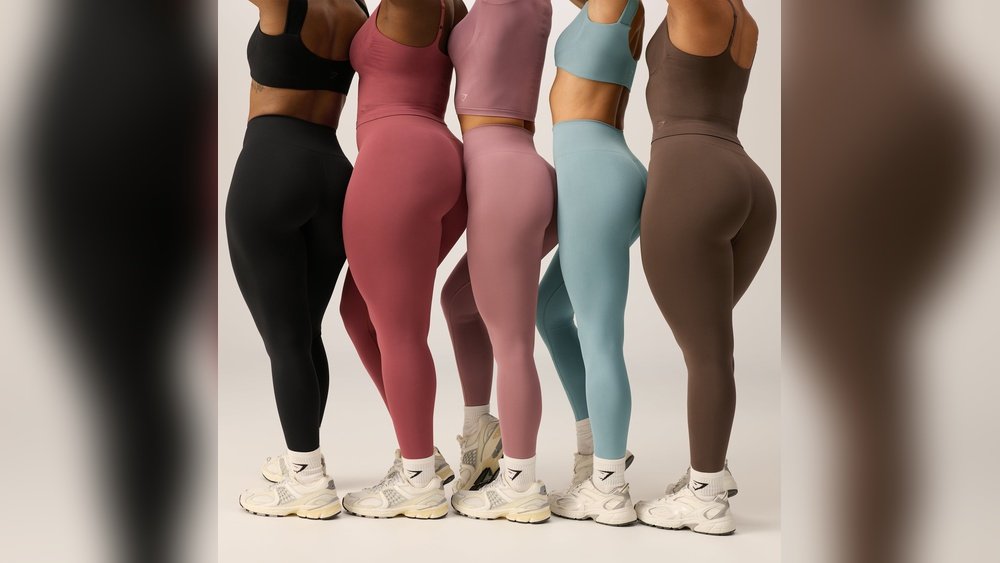
Credit: row.gymshark.com
Using Size Charts Effectively
Using size charts effectively helps find yoga pants that fit well. Size charts show measurements for waist, hips, and inseam. These numbers guide you to pick the correct size for your body shape.
Following size charts reduces guesswork and avoids returns. Each brand’s chart may differ, so always check before buying. Measuring yourself accurately is the first step.
Measure Your Waist Correctly
Use a soft tape measure. Wrap it around the smallest part of your waist. Keep the tape snug but not tight. Record the number in inches or centimeters. This measurement is key for the top of yoga pants.
Find Your Hip Measurement
Stand with feet hip-width apart. Wrap the tape around the widest part of your hips or butt. Make sure the tape is level and straight. Write down this number carefully. Hip size affects how the pants fit around your lower body.
Check The Inseam Length
Stand straight and measure from the groin to the ankle bone. This length shows how long the pants will be. Different brands have various inseam options. Knowing this helps avoid pants that are too short or too long.
Compare Your Measurements To The Chart
Locate your numbers on the size chart. Find the size that fits both waist and hips. If your waist and hips match different sizes, choose the size for hips. Yoga pants need to fit hips well for comfort and movement.
Consider The Fabric Stretch
Check the material details on the product page. Stretchy fabrics may allow a tighter fit. Less stretchy materials need a bit more room. Use this info to decide if you should size up or down.
Tips For Borderline Sizes
Choosing the right size yoga pants can be tricky, especially if your measurements fall between two sizes. These borderline sizes often cause confusion. Picking the best fit is important for comfort and performance. Below are some simple tips to help you decide.
Consider Your Activity Level
Think about how you plan to use your yoga pants. For high-intensity workouts, a snug fit offers better support. If you prefer gentle stretching or lounging, a looser fit feels more comfortable.
Check Fabric Stretch And Recovery
Look at the material’s stretch. Fabrics with strong elasticity can fit tighter without discomfort. Poor stretch fabrics need more room for ease of movement.
Test Both Sizes When Possible
Try on both sizes to compare. Move, squat, and stretch in each pair. Notice which size stays in place and feels less restrictive.
Think About Waistband Comfort
Pay attention to the waistband fit. A tighter band can dig into your skin. A looser band may slip down during poses.
Remember Shrinkage And Washing
Some yoga pants shrink slightly after washing. Choose a size that accounts for this change to avoid tightness later.
Credit: superfithero.com
Frequently Asked Questions
How Do You Know What Size Yoga Pants You Are?
Measure your waist at the smallest point and hips at the widest part. Check your inseam from groin to ankle. Match these to size charts. Choose snug but comfortable fit that moves with you without bunching or sagging.
Is It Better To Size Up Or Down In Leggings?
Choose leggings based on your comfort and activity. Size down for compression and intense workouts. Size up for relaxed fit and low-impact activities. Always prioritize fit around hips to avoid sheerness and ensure leggings stay in place during movement.
Should I Go By Hip Or Waist Measurement For Leggings?
Choose your hip measurement for leggings if your hips are wider than your waist. This prevents sheerness and keeps leggings secure during movement.
How Do You Tell If Your Leggings Are The Right Fit?
Leggings fit well when they hug your thighs, calves, and butt without squeezing. They should move with you and prevent chafing during activity. Avoid excess fabric or tightness, ensuring comfort and secure placement through all movements.
Conclusion
Choosing the right size of yoga pants improves comfort and performance. Focus on waist, hips, and inseam measurements for accuracy. A snug fit prevents slipping and chafing during movement. Remember, slight stretch is normal but avoid overly tight pants. Trying different brands helps find your best fit.
Prioritize comfort over size numbers for a better experience. Properly fitted yoga pants support your practice and daily wear. Keep these tips in mind for a confident, comfortable choice every time.