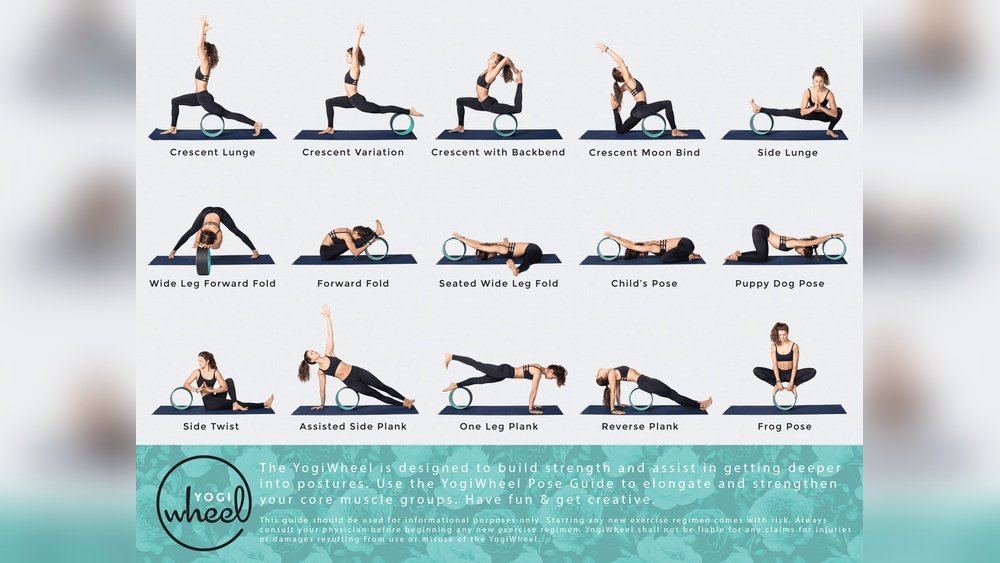
If you’ve ever felt stuck in your yoga practice or wanted to deepen your stretches, the yoga wheel could be your perfect new tool. It’s designed to support your body as you open up your chest, shoulders, and spine, making tough poses feel more accessible and even enjoyable.
Whether you want to relieve back tension, improve your balance, or challenge your core, learning how to use the yoga wheel can transform the way you move. In this guide, you’ll discover simple, effective ways to incorporate the wheel into your routine safely and confidently—helping you unlock flexibility and strength like never before.
Ready to roll into a stronger, more flexible you? Let’s dive in.
Benefits Of Yoga Wheel
The yoga wheel offers many benefits for all levels of practice. It supports safe stretching and helps improve body awareness. Using the wheel regularly can boost flexibility, strength, and balance. These benefits make it a useful tool for anyone wanting to deepen their yoga practice.
Enhancing Flexibility
The yoga wheel helps open tight muscles gently. It supports the spine and shoulders during deep stretches. Rolling on the wheel increases the range of motion safely. This tool encourages slow, controlled movements for better flexibility. Over time, it reduces muscle stiffness and improves joint mobility.
Building Strength
Using the yoga wheel engages many muscle groups at once. It challenges the core muscles to maintain stability. Balancing on the wheel also works the arms and legs. Regular practice increases muscle tone and endurance. Strength built with the wheel supports better posture and body control.
Improving Balance
The yoga wheel creates an unstable surface for balance exercises. It trains the body to react and stay steady. Balancing on the wheel improves coordination and focus. This helps prevent falls and enhances overall body control. Practice on the wheel builds confidence in movement.
Choosing The Right Wheel
Choosing the right yoga wheel is important for a safe and effective practice. The right wheel supports your body and matches your needs. It helps you stretch deeper and balance better. Consider size, material, weight capacity, and surface texture before buying. These factors affect comfort and performance.
Size And Material
Yoga wheels come in various sizes. A common size is 12 inches in diameter. Smaller wheels suit beginners and kids. Larger wheels offer more support and space for advanced poses. Material matters too. Most wheels use ABS plastic or wood. ABS plastic is light and strong. Wood offers a natural feel but may be heavier. Choose a wheel that feels sturdy and comfortable.
Weight Capacity
Check the weight limit of the yoga wheel. It should support your body weight safely. Most wheels hold between 200 to 600 pounds. A higher weight capacity means better durability. If you weigh more or plan intense practice, pick a wheel with a strong frame. This prevents accidents and damage.
Surface Texture
The surface texture affects grip and stability. Some wheels have smooth surfaces, others have padded or textured covers. A padded surface feels soft on your back and joints. Textured surfaces prevent slipping during poses. Pick a texture that feels secure but not harsh on your skin. Good grip helps you stay steady and confident.
Basic Yoga Wheel Exercises
The yoga wheel offers a simple way to improve flexibility and strength. Basic exercises with the wheel help open tight muscles and support the spine. These moves suit beginners and build confidence using the wheel.
Start gently and focus on your breathing. Move slowly and listen to your body. The wheel supports you, making stretches safer and deeper. Here are three essential exercises to begin your practice.
Spinal Extension Roll
Sit on the floor with your knees bent and feet flat. Place the yoga wheel behind your back at the lower spine. Lean back slowly, letting the wheel support your spine.
Roll the wheel gently up and down along your back. This movement helps release tension and increases spinal flexibility. Keep your arms extended overhead for a deeper stretch.
Move with control and breathe deeply. Stop if you feel any pain or discomfort. This exercise improves posture and relieves back stiffness.
Chest And Shoulder Stretch
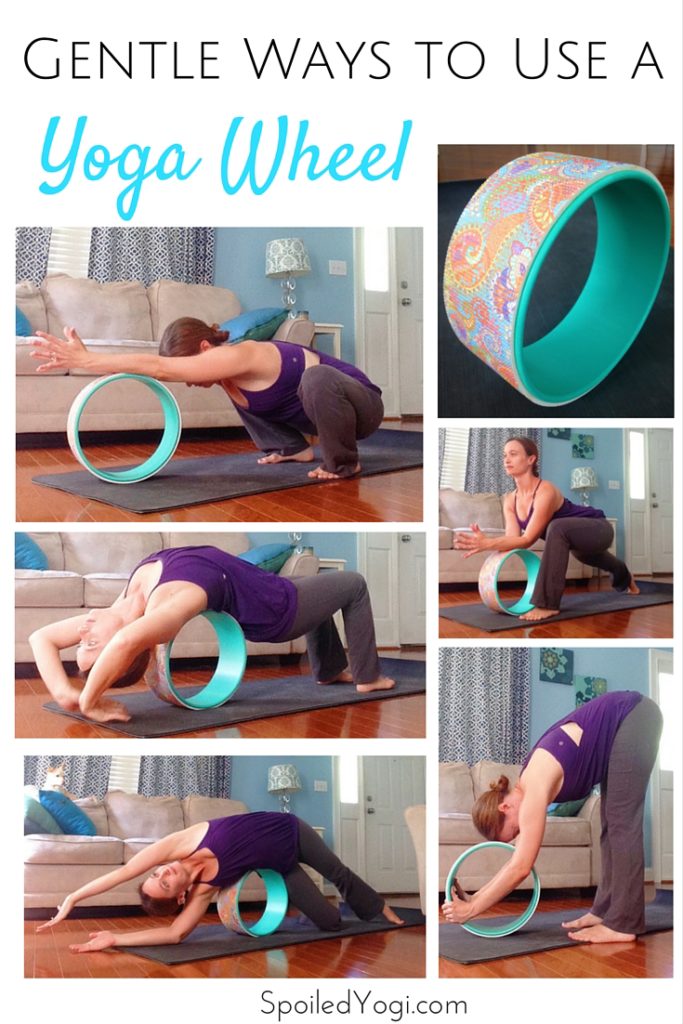
Place the yoga wheel on the floor and kneel in front of it. Rest your elbows on the wheel with your palms facing up. Slowly roll the wheel forward, opening your chest and shoulders.
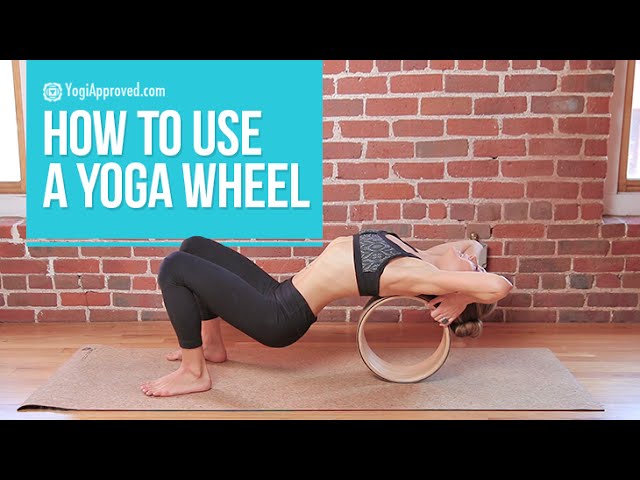
Alternatively, lie down with the wheel under your upper back. Let your head drop gently backward. This position stretches the chest muscles and relieves shoulder tightness.
Hold each stretch for 20 to 30 seconds. Breathe deeply and relax into the stretch. These moves help improve upper body flexibility and reduce shoulder pain.
Hip And Leg Stretches
Kneel on the floor with the yoga wheel in front of you. Place one foot on the wheel and straighten the leg slowly. This stretches the hip flexors and hamstrings.
You can also place your heel on the wheel and gently rock your hips forward and backward. This motion loosens tight hips and improves leg flexibility.
Keep your movements smooth and steady. Use your breath to deepen the stretch. These exercises support better hip mobility and reduce leg stiffness.
Advanced Poses With Yoga Wheel
Advanced poses with the yoga wheel elevate your practice. They deepen stretches and challenge your strength. These poses push your limits safely. Focus on control and breath in each movement. The yoga wheel supports your spine and shoulders in these intense poses.
Deep Backbends
Use the wheel to open your chest deeply. Sit with the wheel behind you. Place hands on its rim for support. Inhale and lean back slowly over the wheel. Let your spine curve gently along the wheel’s shape. Roll from mid-back to lower back to release tension. Hold the stretch while breathing deeply. This pose improves spinal flexibility and relieves stiffness.
Core Balance Challenges
Balance on the yoga wheel to strengthen your core. Place hands or feet on the wheel in plank pose. Engage your abdominal muscles fully to stabilize. Try balancing near a wall for support at first. Keep your body steady and breathe evenly. These exercises build core strength and improve overall balance. They also enhance body awareness and control.
Dynamic Flow Sequences
Combine poses using the yoga wheel for fluid movements. Move from backbends to core balances smoothly. Use the wheel as a prop to transition between poses. Flow slowly and keep your breath steady. Dynamic sequences increase strength and flexibility together. They add variety and fun to your yoga routine. Practice regularly to see progress in your flow and control.
Safety Tips For Using The Wheel
Using a yoga wheel can enhance your practice safely when you follow key safety tips. These tips help protect your body and improve your experience. Pay attention to your movements and listen to your body’s signals.
Start each session gently and stay aware of your limits. Proper breathing and muscle engagement support your stability and control. These simple steps reduce injury risk and deepen your stretch safely.
Start Slow And Controlled
Begin with slow, small movements on the yoga wheel. Avoid rushing or forcing your body into poses. Move gently to find your balance and control. This prevents strain and helps your muscles adjust. Take breaks if you feel discomfort or pain.
Focus On Breath
Keep your breath steady and even while using the wheel. Breathe deeply to relax muscles and ease tension. Match your breath with your movements for better flow. Controlled breathing helps maintain calmness and focus during poses.
Engage Core Muscles
Activate your core muscles to support your spine and balance. A strong core stabilizes your body on the wheel. Tighten your abs gently during poses for better control. This reduces stress on your back and improves posture.
Credit: www.youtube.com
Modifications For Beginners
Beginners often find the yoga wheel challenging at first. Modifications help ease into poses safely. They reduce strain and build confidence.
Start with simple steps and listen to your body. Progress slowly for better results and fewer injuries.
Using Support Props
Use blocks or cushions alongside the yoga wheel. They add stability and comfort during poses. Place a block under your hands or back for extra support. This helps keep balance and prevents falls. Props make poses gentler and easier to hold.
Gentle Stretch Variations
Try milder stretches before deep backbends. Roll the wheel under your upper back, not lower, for less intensity. Keep your feet on the ground to stay stable. Move slowly and stop if you feel pain. These light stretches prepare your muscles and spine for harder poses.
Building Strength Gradually
Use the wheel for short sessions at first. Focus on core and shoulder exercises to increase strength. Hold poses for a few seconds, then rest. Repeat often to improve muscle control. Strong muscles protect your joints and improve balance over time.
Incorporating The Wheel Into Daily Practice
Incorporating the yoga wheel into your daily practice enhances flexibility and strength. The wheel supports your body, making stretches safer and more effective. Use it regularly to improve posture and relieve tension. Simple routines with the wheel can fit into any practice level, from beginner to advanced. Consistency is key to feeling the benefits over time.
Warm-up Routines
Start your session by gently rolling the yoga wheel under your back. This warms up the spine and opens the chest. Use slow, controlled movements to avoid strain. Next, place the wheel under your calves or thighs for light leg stretches. These actions prepare muscles and joints for deeper poses. Keep your breath steady to increase relaxation.
Cool-down Stretches
End your practice by lying on the wheel to release tension in the back. Let your spine relax fully over the wheel’s curve. Use the wheel to stretch your shoulders by placing your arms on it and rolling slightly. Gentle rocking helps muscles recover and reduces soreness. Finish with deep breathing to calm the mind and body.
Targeting Specific Muscle Groups
Use the wheel to focus on tight areas like hips and shoulders. Place one foot on the wheel and stretch the hip flexors by extending the leg. For shoulders, rest your elbows on the wheel and gently roll forward. The wheel also helps strengthen the core by balancing on it in plank positions. Targeted work improves flexibility and builds strength safely.
Credit: www.spoiledyogi.com
Troubleshooting Common Issues
Using a yoga wheel can be rewarding but also challenging at times. Common issues can slow progress or cause discomfort. Knowing how to troubleshoot these problems helps maintain safety and improve practice. Here are some tips to manage common difficulties while using a yoga wheel.
Avoiding Discomfort
Discomfort often comes from poor positioning or tight muscles. Adjust the wheel placement to match your body size. Use a yoga mat to soften pressure points. Move slowly and listen to your body’s signals. Stop if pain occurs and try gentler poses first.
Preventing Injury
Injuries happen when you push too hard or lose control. Warm up before using the wheel to prepare muscles. Focus on controlled movements instead of speed. Use the wheel near a wall or stable surface for support. Avoid sudden twists or overextension of joints.
Overcoming Balance Challenges
Balance can be tricky, especially for beginners. Keep your gaze fixed on a spot to help steady yourself. Engage your core muscles to maintain control. Start with simple poses and hold onto a chair or wall if needed. Practice regularly to build confidence and stability.

Credit: kdfoundation.org
Frequently Asked Questions
How To Properly Use A Yoga Wheel?
Place the yoga wheel under your back to extend the spine and open the chest. Use it for leg stretches by placing your heel on it. Balance on it to engage your core. Move slowly, breathe deeply, and avoid forcing your body beyond comfort.
Is Wheel Yoga Good For Beginners?
Yes, wheel yoga suits beginners by supporting balance, flexibility, and gentle backbends. Start slowly and focus on breath.
How To Crack Back With Yoga Wheel?
Place the yoga wheel under your mid-back while seated. Inhale, lean back slowly to extend your spine. Roll gently to release tension. Breathe deeply and engage your core. Move carefully, avoiding force, to safely crack and stretch your back.
Is Yoga Wheel Effective?
Yoga wheels effectively enhance flexibility, improve balance, and support deeper backbends by providing spinal and chest support. They aid in releasing tension and strengthening the core when used correctly and safely.
Conclusion
Using a yoga wheel helps improve flexibility and balance safely. Move slowly and listen to your body’s limits. Focus on your breath to stay relaxed during poses. Regular practice can ease tension in your back and shoulders. Start with simple stretches and build strength over time.
This tool supports your yoga journey with gentle assistance. Enjoy exploring new movements and feeling more open.