
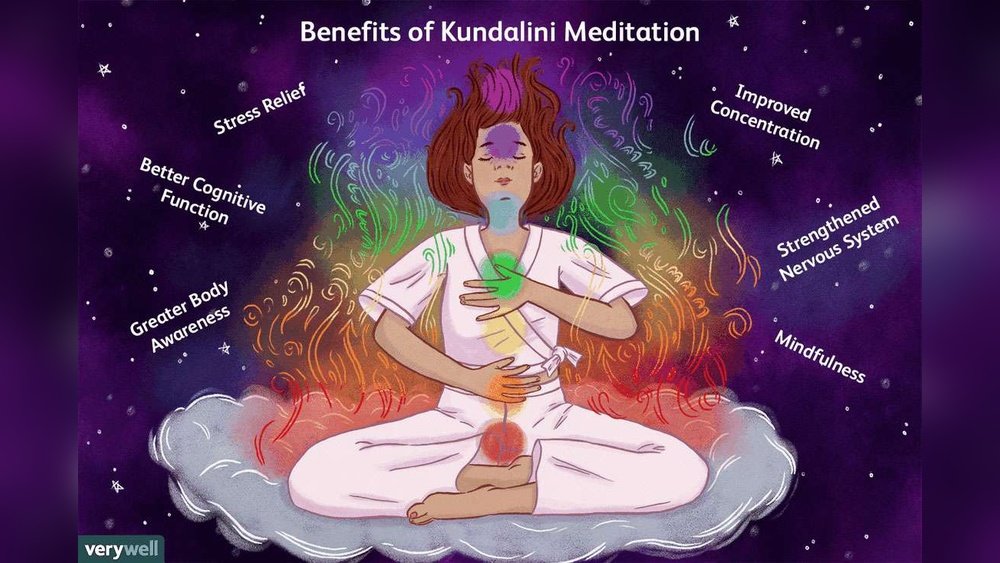
Are you ready to unlock a powerful energy within you and bring more balance to your life? Kundalini Yoga offers a unique way to awaken your inner potential through simple yet profound practices.
You don’t need to be an expert or have years of experience to start—just a willingness to explore breath, movement, and meditation. In this guide, you’ll discover easy-to-follow steps that help you safely tap into Kundalini energy, improve your focus, and boost your overall well-being.
Keep reading, and you’ll learn how to do Kundalini Yoga confidently, right from the comfort of your own space.
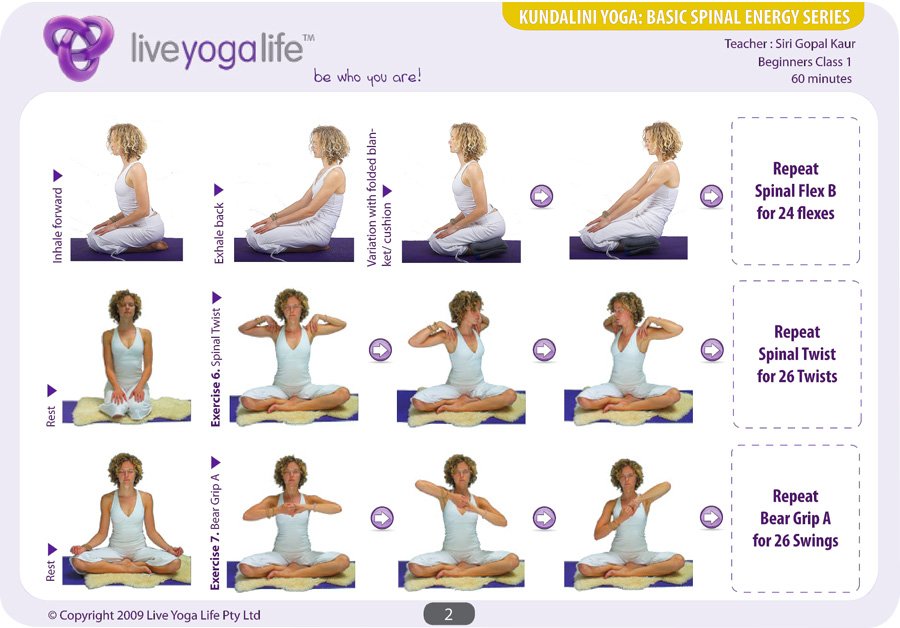
Credit: www.liveyogalife.com
Basics Of Kundalini Yoga
Kundalini Yoga is a unique form of yoga that combines movement, breath, and sound. It aims to awaken energy stored at the base of the spine. Practicing Kundalini involves specific postures, breathing techniques, and chants.
Starting with the basics helps beginners feel confident and connected. Learning the core principles makes the experience deeper and more rewarding. A regular practice can bring balance to body and mind.
What Sets Kundalini Apart
Kundalini Yoga uses kriyas, which are sets of exercises done together. It includes breath control, called pranayama, to move energy through the body. Chanting mantras is a key part, helping focus the mind and raise vibration.
This style focuses on awakening hidden energy and expanding awareness. It works on physical, mental, and spiritual levels at the same time. The practice often feels more intense than other yoga types.
Key Benefits For Beginners
Kundalini Yoga helps increase energy and reduce stress quickly. Beginners often notice better focus and emotional balance after sessions. It improves flexibility and strengthens the nervous system.
The breathing exercises calm the mind and lower anxiety. Chanting mantras supports mental clarity and inner peace. Overall, it offers tools to handle daily challenges calmly.
Preparing For Practice
Preparing for Kundalini Yoga practice sets the tone for a deeper, more focused session. It helps you connect with your body and mind. Preparation makes the experience calm and centered.
Start by finding a quiet space. This reduces distractions and allows you to focus fully. Wear loose, comfortable clothes. This helps your body move freely and breathe easily.
Choosing A Comfortable Seat
Pick a seat that supports your spine. Sitting cross-legged on a cushion works well. You can also sit on a chair if needed. Keep your back straight but relaxed. This posture keeps energy flowing during practice.
If you feel pain or discomfort, adjust your seat. Use blankets or blocks to support your hips and knees. Comfort helps you stay longer in meditation and breathing exercises.
Setting An Intention
Before you start, set a clear intention. It guides your practice and keeps your mind focused. Your intention can be simple, like feeling calm or gaining energy. Say it quietly in your mind or out loud.
Intentions create purpose and meaning. They help you connect to the deeper benefits of Kundalini Yoga. Keep your intention positive and open. Return to it whenever your mind wanders.
Tuning In With Chanting
In Kundalini Yoga, tuning in with chanting sets the tone for your practice. Chanting helps calm the mind and focus your energy. It creates a sacred space within and around you. This initial step connects you deeply to the practice.
Chanting also helps align your breath and body. It invites your inner teacher to guide you. This connection brings clarity and intention to your session.
Ong Namo Guru Dev Namo
The chant “Ong Namo Guru Dev Namo” means “I bow to the creative wisdom, I bow to the divine teacher within.” It is the traditional opening mantra in Kundalini Yoga. This chant clears your mind and opens your heart.
Repeat it three times with a steady, calm voice. Feel the vibration rise from your navel to the top of your head. This mantra helps you tune in and prepare for the kriya or meditation ahead.
Connecting With The Lineage
Chanting also connects you to the long lineage of Kundalini Yoga teachers. It honors the wisdom passed down through generations. This connection strengthens your practice and trust in the process.
Knowing you are part of a greater tradition can inspire confidence. It reminds you that Kundalini Yoga is a shared journey of awakening and healing.
Breathwork Techniques
Breathwork techniques form the core of Kundalini Yoga practice. They help control the flow of energy and calm the mind. Proper breathing prepares the body for kriyas and meditation. It also enhances focus and raises vitality.
These techniques are simple but powerful. Each method has a specific rhythm and purpose. Beginners should start slowly and build up their comfort and stamina.
Breath Of Fire
Breath of Fire is a rapid, rhythmic breath through the nose. It involves pumping the belly in and out with each exhale. The inhale happens naturally and quickly between exhales. This breath cleanses the lungs and energizes the body.
Practice Breath of Fire sitting tall with a straight spine. Keep the mouth closed and eyes relaxed. Start with 30 seconds and gradually increase to one minute or more.
Equal Breath
Equal Breath means inhaling and exhaling for the same length of time. It calms the nervous system and balances energy. This breath is steady and smooth, often used to prepare for meditation.
Count to four while breathing in, then count to four while breathing out. Adjust the count to what feels comfortable. Breathe quietly through the nose with no pauses between breaths.
Pranayama Warm-ups
Pranayama warm-ups include gentle breathing exercises to open the lungs. They prepare the breath and body for deeper Kundalini practices. These exercises improve lung capacity and oxygen flow.
Examples include slow deep breaths, alternate nostril breathing, and humming breaths. Perform these warm-ups sitting comfortably. Keep your spine straight and shoulders relaxed for best results.
Essential Postures And Movements
Essential postures and movements form the core of Kundalini Yoga practice. These exercises help awaken energy at the base of the spine. They also clear energy channels and prepare the body for higher awareness. Each posture has unique benefits and a specific rhythm. Practicing them regularly supports mental clarity and physical strength.
Spinal Flexes
Spinal flexes involve gentle forward and backward movements. Sit comfortably with a straight spine. Inhale as you arch your spine forward. Exhale while rounding your spine backward. This movement massages the spinal nerves and improves flexibility. It helps release tension in the back and stimulates energy flow.
Sufi Grinds
Sufi grinds are circular movements of the torso. Sit cross-legged and place your hands on your knees. Inhale as you move your chest to the right. Exhale while moving to the left. This motion opens the hips and strengthens the lower back. It also balances the nervous system and calms the mind.
Sat Kriya
Sat Kriya is a powerful posture to activate Kundalini energy. Sit on your heels with your arms extended overhead. Clasp your hands, pointing index fingers upward. Chant “Sat” on the inhale and “Nam” on the exhale. This practice builds heat in the body and awakens the energy center at the spine’s base. It strengthens the core and improves focus.
Frog Pose
Frog pose is a deep hip opener that activates the root chakra. Start on all fours and spread your knees wide apart. Keep your feet touching and lower your hips toward the floor. Hold the position while breathing deeply. This posture increases flexibility in hips and thighs. It also stimulates energy flow through the pelvic region.
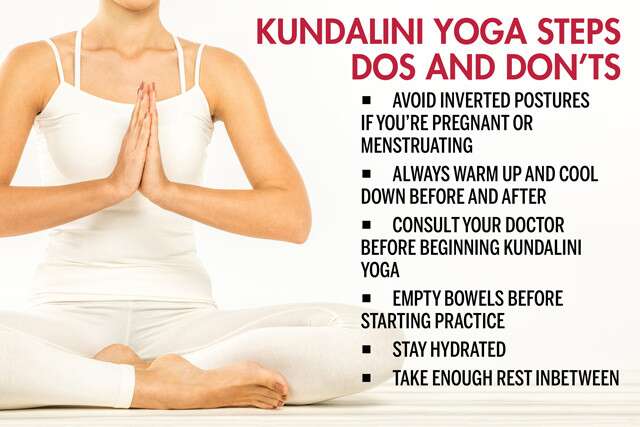
Credit: www.femina.in
Mudras And Mantras
Mudras and mantras form a vital part of Kundalini Yoga. They help direct energy flow and deepen focus. Mudras are specific hand positions used to channel energy through the body. Mantras are sacred sounds or phrases repeated aloud or silently. Both enhance the practice and support spiritual awakening.
Using mudras during kriyas or meditation can improve concentration. Chanting mantras activates the mind and vibrations in the body. Together, they create a powerful synergy that balances the nervous system and calms the mind. Learning some common mudras and mantras will enrich your Kundalini Yoga experience.
Common Hand Positions
One well-known mudra is Gyan Mudra. Touch the tip of the index finger to the thumb. Keep other fingers straight. This mudra increases wisdom and focus.
Another is Prana Mudra. Join the tips of the ring finger and little finger to the thumb. It boosts vitality and energy flow.
Shuni Mudra forms by touching the middle finger tip to the thumb. It promotes patience and discipline.
Apan Mudra connects the tips of the middle and ring fingers to the thumb. This mudra supports detoxification and grounding.
Popular Mantras To Chant
“Sat Nam” means “Truth is my identity.” It is the most common Kundalini mantra. Chanting it helps reveal your true self.
“Ong Namo Guru Dev Namo” means “I bow to the divine teacher within.” It is used to tune in at the start.
“Wahe Guru” expresses joy and ecstasy of spiritual awakening. Repeat it to raise your energy level.
“Sa Ta Na Ma” stands for birth, life, death, and rebirth. It is used in meditation to balance the mind.
Meditation Practices
Meditation practices are a core part of Kundalini Yoga. They help calm the mind and awaken inner energy. Regular meditation improves focus and deepens self-awareness. These practices use simple techniques anyone can learn and enjoy. The goal is to connect with your inner self and balance energy flow. Below are two effective meditation methods used in Kundalini Yoga.
Focusing On The Brow Point
This meditation directs attention to the space between the eyebrows. It is called the brow point or the third eye. Sit comfortably with your spine straight. Close your eyes gently and bring your focus to this spot. Breathe slowly and deeply. Hold your gaze inward without straining. This practice helps improve concentration and mental clarity. It also stimulates intuition and inner vision. Try this meditation for a few minutes daily to feel more centered and calm.
Sa Ta Na Ma Meditation
Sa Ta Na Ma is a powerful mantra meditation. It uses four simple sounds repeated in sequence. Each sound has a special meaning: Sa means birth, Ta means life, Na means death, and Ma means rebirth. Sit in a comfortable position with your spine straight. Close your eyes and chant the mantra softly or aloud. Use your fingers to touch each tip in order with each sound. This mudra helps anchor your focus and energy. This meditation balances your mind and emotions. Practicing Sa Ta Na Ma daily can bring peace and mental strength.
Relaxation And Closing
Relaxation and closing are essential parts of Kundalini Yoga practice. They help your body absorb the benefits of the kriyas and meditation. This phase calms your nervous system and balances your energy. It allows the mind to settle and the spirit to rest in stillness. Ending your session properly prepares you for daily life with more peace and clarity.
Corpse Pose For Absorption
Lie flat on your back in Corpse Pose, also called Savasana. Let your feet fall open and arms rest by your sides. Close your eyes and focus on your breath. Breathe naturally and deeply. Feel your body melt into the floor. Release all tension and let your muscles relax fully. Stay here for at least five minutes. This pose helps your body absorb the energy raised during practice. It also calms your mind and restores balance.
Closing With Sat Nam
After relaxation, sit comfortably with a straight spine. Bring your hands in prayer position at your heart center. Close your eyes and chant “Sat Nam” aloud or silently. “Sat Nam” means “Truth is my identity.” Repeat the mantra slowly and with focus. This closing seals the practice and connects you to your inner truth. Chanting Sat Nam helps ground your energy and clear your thoughts. End with a few deep breaths, feeling calm and centered.
Safety And Precautions
Kundalini Yoga awakens powerful energy within the body. This energy can bring deep healing and transformation. It also requires respect and care. Practicing Kundalini Yoga without proper caution may cause discomfort or emotional imbalance. Following safety tips helps you enjoy the benefits safely. Awareness of your body’s signals is key to a safe practice.
Recognizing Energy Sensations
As you practice, you may feel tingling, warmth, or vibrations. These sensations show that energy moves in your body. Some may feel sudden emotions or light-headedness. These are normal but should not be overwhelming. If sensations cause pain or fear, pause the practice. Breathe deeply and rest until you feel calm. Never force your body beyond comfort. Listening to these signals keeps your practice safe.
When To Seek Guidance
Seek help if you feel confused or disturbed by your experience. A trained Kundalini teacher can guide you through challenges. They offer support and advice on correct techniques. Avoid practicing alone if you have mental health issues. Also, consult a doctor if you have physical health conditions. Guidance reduces the risk of injury or emotional upset. Learning under supervision builds confidence and safety.
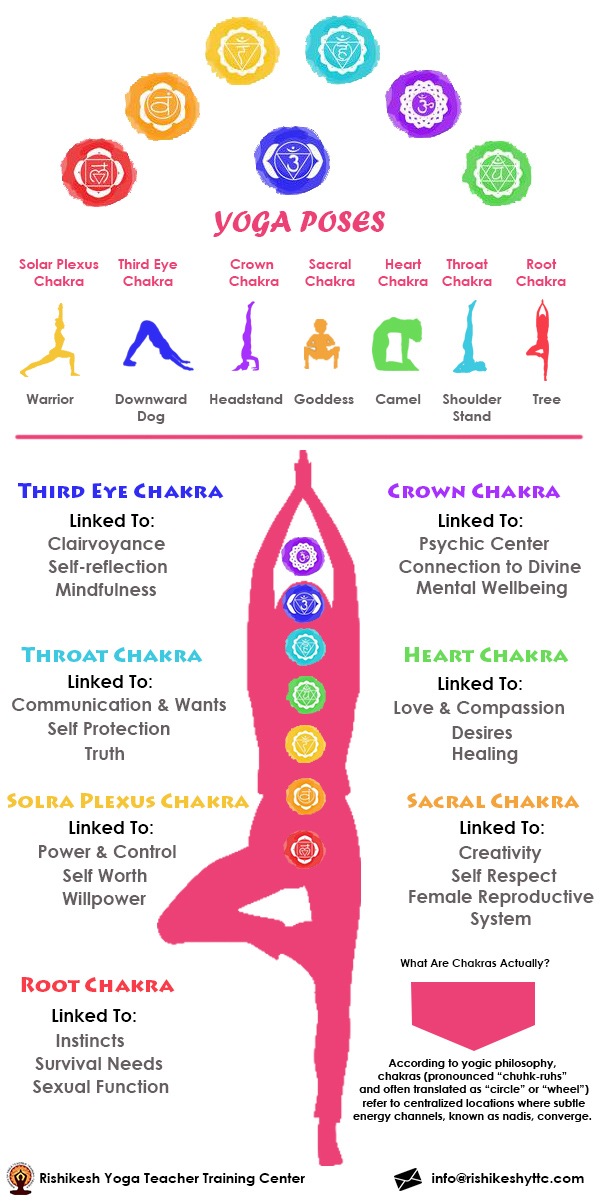
Credit: www.arloren.com
Tips For Beginners
Starting Kundalini Yoga can feel new and exciting. Simple tips help beginners feel safe and focused. These tips support your practice and deepen your experience. Small steps build strong habits and confidence.
Breath Awareness
Breath is the heart of Kundalini Yoga. Pay close attention to your breathing. Use slow, deep breaths to calm your mind. Practice “Breath of Fire” carefully and do not rush. Breathing helps move energy and balance your body.
Using Mantras Effectively
Mantras are words or sounds repeated during practice. They focus your mind and raise energy. Repeat mantras softly or aloud. Choose simple mantras like “Sat Nam” to start. Let the sound flow naturally without force.
Wearing Comfortable Clothing
Wear loose, comfortable clothes that allow free movement. Cotton or soft fabrics work best. Avoid tight or heavy clothing that blocks energy flow. Comfortable clothes help you relax and focus on your practice.
Finding A Teacher
A good teacher guides your practice safely. Look for experienced Kundalini Yoga instructors. They can correct your posture and breathing. Join local classes or trusted online sessions. A teacher answers questions and supports your growth.
Practicing Kundalini Yoga Alone
Practicing Kundalini Yoga alone offers a unique path to self-discovery and inner balance. It allows you to explore your energy and mind at your own pace. You can create a quiet space that suits your needs and schedule. However, it demands commitment and care to experience its full benefits safely.
Many beginners find solo practice empowering but challenging. Without a teacher, you rely on your discipline and intuition. You must listen to your body and mind carefully. This practice can deepen your self-awareness and strengthen your daily routine.
Building Discipline
Discipline is key in solo Kundalini Yoga practice. Set a regular time and place for your sessions. Keep your environment clean and free from distractions. Start with short sessions and gradually increase time. Use a timer to maintain focus and avoid overexertion. Consistency helps your energy flow smoothly. Track your progress to stay motivated.
Balancing Energy Safely
Kundalini Yoga awakens strong energy inside. Move slowly and breathe deeply to stay grounded. Pay close attention to any unusual feelings or discomfort. Stop if you feel dizzy or overwhelmed. Use gentle postures and avoid forcing any movement. End each session with relaxation and calming breaths. Meditation helps integrate the energy and calm the mind. Safety comes from respect and patience with your body’s signals.
Frequently Asked Questions
How To Do Kundalini Yoga For Beginners?
Begin Kundalini Yoga by sitting comfortably and chanting “Ong Namo Guru Dev Namo. ” Practice breathwork like Breath of Fire, mudras, kriyas, and meditation. Focus on a straight spine and the brow point. End with relaxation and a closing chant, “Sat Nam,” to complete the session.
What Are The Steps Of Kundalini Yoga?
Kundalini Yoga steps include tuning in with a chant, warming up with pranayama, performing kriyas, meditating, and closing with relaxation and a chant.
Can You Do Kundalini Yoga By Yourself?
Yes, you can practice Kundalini Yoga alone with discipline and clear knowledge. Start with guided sessions for safety and effectiveness.
How Can I Activate My Kundalini By Myself?
Activate Kundalini by practicing pranayama, chanting mantras, and meditating on the brow point. Maintain relaxed focus and a straight spine. Start with simple Kundalini yoga kriyas and breathe deeply. Consistency and mindfulness enhance safe energy awakening.
Conclusion
Kundalini Yoga offers a path to greater energy and calm. Practice regularly to feel its benefits in body and mind. Focus on breath, posture, and sound to stay present. Start slow and listen to your body’s signals. Over time, you can deepen your experience safely.
This gentle practice suits all levels and ages. Embrace the journey with patience and care. Your inner energy can grow with simple, steady steps.