Have you ever felt stuck with tight chest muscles or a stiff upper back? The Yoga Fish Position, or Matsyasana, might be exactly what your body needs.
This simple yet powerful pose opens up your chest, stretches your neck, and relieves tension that builds up from daily stress. Imagine feeling a deep release as your chest lifts and your breath flows freely—giving you instant energy and calm.
You’ll discover how to do the Fish Pose step-by-step, why it’s so beneficial, and tips to avoid common mistakes. Ready to unlock more flexibility and boost your well-being? Keep reading to transform your practice with the Yoga Fish Position.
Credit: omstars.com
Fish Pose Basics
The Fish Pose is a gentle backbend that opens the chest and throat. It is a reclining posture that stretches the front of the body. This pose helps improve posture and breathing. Many people find it calming and refreshing.
Understanding the basics of Fish Pose helps you practice it safely and effectively. This section explains what the pose involves, which muscles it uses, and the common benefits.
What Fish Pose Entails
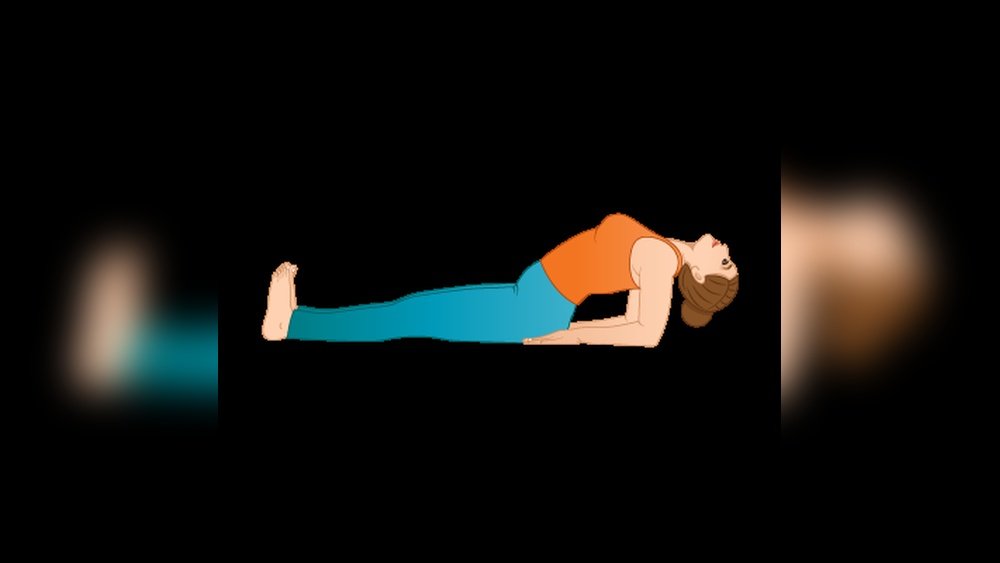
Fish Pose, or Matsyasana, requires lying on your back. You lift your chest while resting the top of your head on the floor. Your legs stay extended or crossed. The arms support your body under the hips. The spine arches gently, creating space in the chest and throat.
Key Muscles Engaged
This pose mainly works the muscles of the upper back and neck. The chest muscles stretch deeply. The muscles along the spine support the arch. The front neck muscles also stretch as you tilt your head back. The shoulders open, relieving tension in the upper body.
Common Benefits
Fish Pose improves posture by opening the chest. It helps relieve neck and shoulder tension. The pose enhances breathing by stretching the lungs. Many feel more relaxed and energized after practicing. It also stimulates the throat and neck, aiding voice clarity and calmness.

Credit: www.shvasa.com
Step-by-step Fish Pose
The Fish Pose, or Matsyasana, is a gentle backbend that opens the chest and throat. It improves posture and relieves tension in the upper body. Follow these simple steps to practice Fish Pose safely and effectively. This guide breaks down the pose into easy parts for clear understanding.
Starting Position
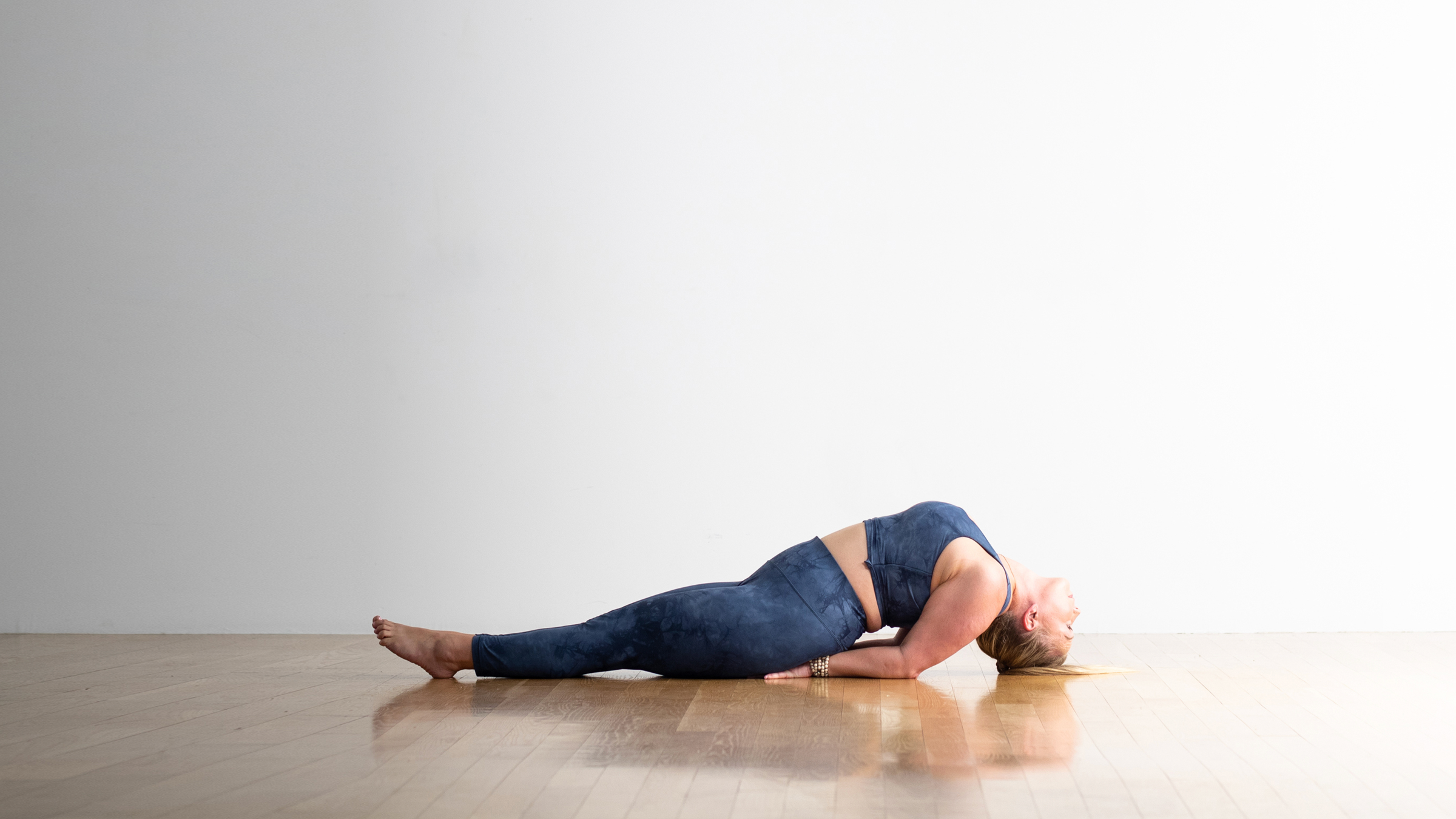
Lie flat on your back on a yoga mat. Keep your legs straight and together. Place your arms alongside your body with palms facing down. Relax your entire body and breathe deeply. Prepare your body to lift the chest gently.
Proper Alignment
Press your forearms and elbows firmly into the floor. Lift your chest upward while gently arching your upper back. Tilt your head back so the crown rests lightly on the floor. Keep your neck long and avoid strain. Maintain straight legs and active feet to support balance.
Breathing Techniques
Inhale slowly and deeply through your nose as you lift your chest. Hold your breath for a moment to feel the stretch. Exhale slowly and relax your chest downward while keeping the pose. Breathe evenly and calmly throughout the hold. Focus on expanding your lungs with each inhale.
Advanced Variations
The Yoga Fish Position offers many ways to deepen your practice. Advanced variations challenge your strength and flexibility. These variations help improve spinal mobility and open the chest further. Trying new forms keeps your routine fresh and exciting.
Deep Backbend Modifications
In deep backbend modifications, your chest lifts higher off the ground. You may bend your elbows and reach your hands toward your feet. This increases the stretch along your spine and neck. Keep your neck safe by not forcing it backward. Move slowly and listen to your body’s limits.
Using Props For Support
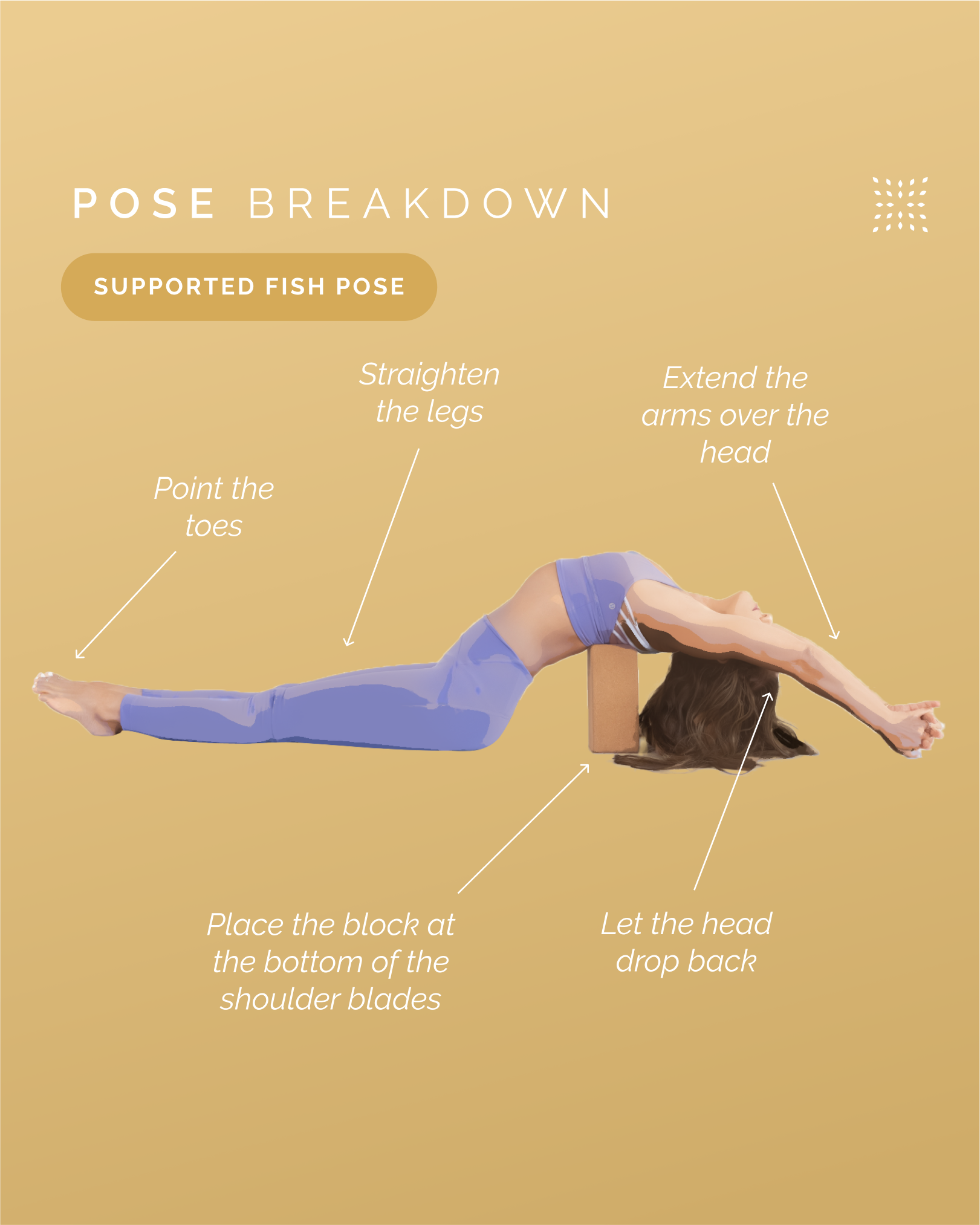
Props like blocks and bolsters can support your backbend. Place a block under your upper back to lift your chest gently. A bolster under your shoulders helps maintain the curve without strain. These props allow longer holds and reduce muscle tension. They make the pose accessible for all skill levels.
Combining With Other Poses
You can combine the Fish Pose with shoulder openers or twists. Start in Fish Pose, then move into a seated twist to stretch the spine differently. Pair it with chest-opening poses like Cobra or Upward Dog. This mix increases flexibility and balances muscle work. It creates a dynamic and balanced yoga flow.
Flexibility Gains
The Yoga Fish Position offers excellent flexibility gains for your upper body. It gently stretches key muscles and joints. This pose helps improve movement and ease in daily activities.
Chest And Shoulder Opening
This pose stretches the chest muscles deeply. It also loosens tight shoulders. The broad opening of the chest improves breathing capacity. Regular practice reduces stiffness and tension in these areas.
Spinal Mobility
The Fish Pose promotes gentle back bending. It increases flexibility along the spine. This helps reduce back pain and discomfort. The spine becomes more supple and strong with time.
Neck And Throat Stretch
The position extends the neck and throat area. It releases tightness caused by poor posture. This stretch improves neck movement and comfort. It also supports better voice and breathing function.
Relaxation Benefits
The Yoga Fish Position offers deep relaxation benefits. It stretches the chest and throat, opening the body gently. This pose helps the body release tension and stress. Practicing it regularly supports physical and mental calmness. The following sections explain key relaxation benefits of this posture.
Stress Relief Effects
The Fish Pose lowers stress by easing muscle tightness. It opens the chest, improving breathing and oxygen flow. Deep breathing during this pose calms the nervous system. This reduces feelings of anxiety and tension quickly. Regular practice helps the body relax deeply.
Improved Circulation
This pose boosts blood flow by stretching the upper body. The gentle backbend encourages better heart function. Increased circulation delivers more oxygen to muscles and organs. It helps remove toxins and refreshes the body. Improved blood flow also supports healing and energy levels.
Calming The Mind
The Fish Pose encourages mindfulness and focus on breath. It quiets racing thoughts and mental chatter. Holding the pose allows the mind to settle naturally. This mental calmness improves mood and clarity. Many find it easier to sleep and feel peaceful after practicing.
Precautions And Tips
Yoga Fish Position, or Matsyasana, is powerful for opening the chest and improving posture. Caution is key to practice it safely and enjoy its benefits. Follow these precautions and tips to avoid harm and get the most from this pose.
Avoiding Common Mistakes
Do not strain your neck by pushing the head too far back. Keep your throat relaxed and gently tilt your head. Avoid collapsing your lower back; support it with your hands or a blanket. Do not force your chest upward; lift it slowly and with control. Keep your legs active and extended to maintain stability.
Who Should Skip Fish Pose
People with neck or back injuries should avoid this pose. Those with migraines or severe headaches should also skip it. Pregnant women should consult a doctor before trying Fish Pose. If you feel sharp pain or discomfort, stop immediately. Always listen to your body’s signals during practice.
Injury Prevention
Warm up your body before attempting Fish Pose. Use props like yoga blocks or cushions for extra support. Move into and out of the pose slowly to prevent strain. Keep your shoulders relaxed and away from your ears. Practice under guidance if you are new to this pose.
Incorporating Fish Pose
Incorporating Fish Pose, or Matsyasana, into your yoga routine brings many benefits. This gentle backbend opens the chest and strengthens the upper back. It improves posture and relieves tension in the neck and shoulders.
Practicing Fish Pose regularly supports better breathing and helps reduce stress. Adding it thoughtfully in your sequence enhances the flow and balance of your practice.
Ideal Time In Yoga Sequence
Place Fish Pose after forward bends and seated poses. It acts as a counterpose to stretch the front body. Use it before finishing with relaxation or meditation. Avoid doing it right after intense backbends to prevent strain.
Complementary Poses
Combine Fish Pose with poses like Shoulder Stand and Plow Pose. These poses complement each other by opening the chest and strengthening the back. Follow it with gentle twists or seated stretches for balance. Use Child’s Pose to relax after Fish Pose.
Daily Practice Suggestions
Start with holding Fish Pose for 20 to 30 seconds. Gradually increase time as your flexibility improves. Practice it at least three times a week for best results. Use a folded blanket under the upper back for support. Always listen to your body and avoid pain.
Credit: www.yogajournal.com
Frequently Asked Questions
What Is A Fish Pose In Yoga Good For?
Fish pose (Matsyasana) stretches the chest, neck, and spine. It improves posture, relieves tension, and boosts lung capacity and energy.
What Is The Hardest Yoga Pose Ever?
The hardest yoga pose is Vrschikasana (Scorpion Pose). It demands extreme strength, flexibility, balance, and focus. Other tough poses include Yoganidrasana and Firefly Pose. These require intense hip, core, and shoulder engagement. Mastering them challenges body control and flexibility at advanced levels.
Who Should Not Do Fish Pose Yoga?
People with severe neck or back injuries, hernias, or high blood pressure should avoid doing Fish Pose yoga.
Is Fish Pose A Heart Opener?
Yes, Fish Pose (Matsyasana) acts as a heart opener by stretching the chest and upper body muscles. It enhances lung capacity and improves posture.
Conclusion
The Yoga Fish Position helps open the chest and stretch the front body. It improves posture and relieves tension in the neck and back. Practicing this pose regularly can boost your breathing and energy. Start slowly and listen to your body’s limits.
Enjoy the calm and strength this gentle backbend brings. Try adding Fish Pose to your routine for better flexibility and relaxation.