
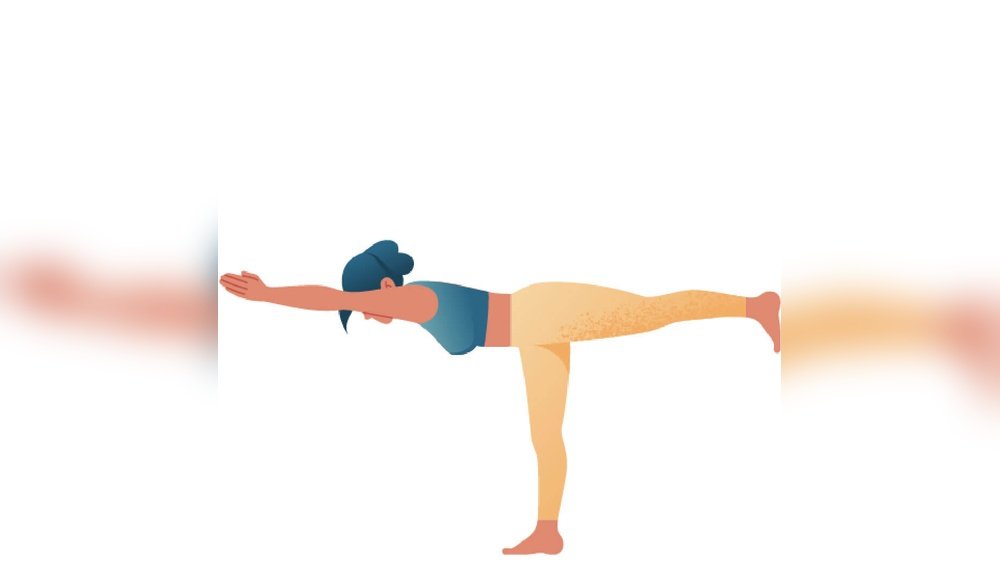
Are you ready to challenge your balance, build strength, and sharpen your focus all at once? Virabhadrasana III, also known as Warrior III, is a powerful yoga pose that can transform your practice and your body.
This pose might look simple, but it demands your full attention and steady control. As you hold Warrior III, you’ll feel your muscles engage, your mind clear, and your confidence grow. Whether you want to improve your posture, increase your stamina, or simply find a moment of calm in your busy day, mastering Virabhadrasana III will open new doors for you.
Keep reading to discover how to perform this pose safely, the key benefits it offers, and tips to make it work for your body and mind. Your journey to strength and balance starts here!
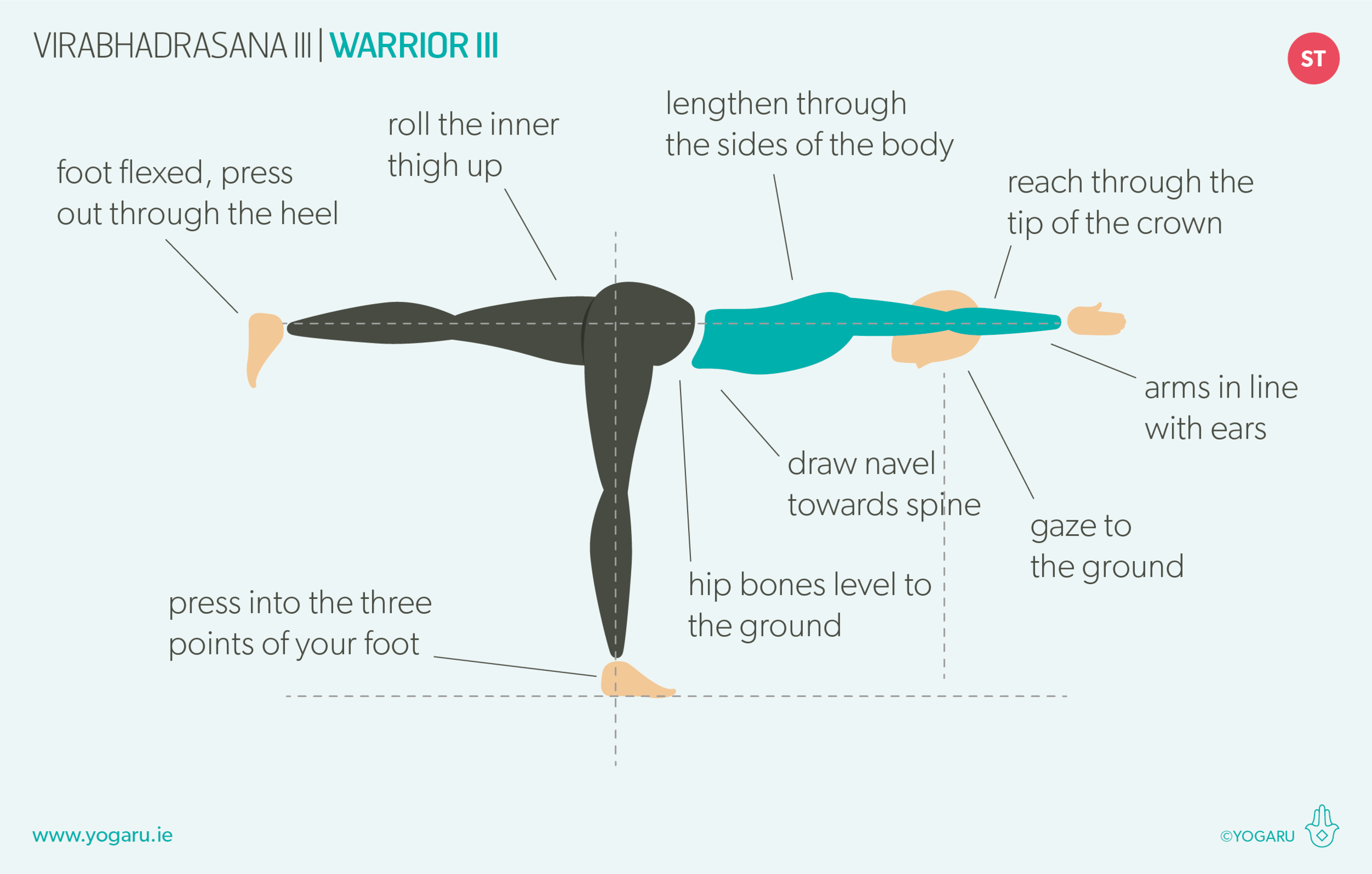
Credit: www.yogaru.ie
Pose Basics
Virabhadrasana III, also known as Warrior III, is a powerful standing balance pose. It strengthens the entire body and improves focus. This pose requires steady alignment and muscle engagement to maintain balance. Understanding the basics helps beginners practice safely and effectively.
Body Alignment
Start with your standing leg strong and straight but not locked. Your hips should face the floor evenly, avoiding any tilting. Extend your lifted leg straight behind you, parallel to the ground. Reach your arms forward or keep them by your sides. Keep your spine long and chest open. Gaze at a fixed point to help balance.
Key Muscles Engaged
The standing leg activates the quadriceps and glutes to hold the body steady. The core muscles work hard to stabilize the torso and prevent wobbling. The hamstrings of the lifted leg engage to keep it straight and lifted. The shoulders and upper back muscles activate to extend and hold the arms. This pose builds strength and endurance in multiple muscle groups.
Common Mistakes
Allowing the hips to open or twist reduces balance and alignment. Bending the standing knee too much causes instability. Dropping the chest or rounding the back breaks the spine’s line. Holding the arms too rigidly can create unnecessary tension. Not focusing the gaze leads to loss of balance. Awareness of these mistakes improves posture and effectiveness.

Credit: liforme.com
Balance Techniques
Balance is the key to holding Virabhadrasana III with grace and strength. This pose challenges your body to stay steady on one leg while extending forward. Learning balance techniques helps you avoid wobbling and builds confidence.
Focus on simple methods to improve your stability. These techniques make the pose more accessible and enjoyable. Let’s explore how to find your center, use breath for stability, and easy tips for beginners.
Finding Your Center
Stand tall and feel your weight evenly on the grounded foot. Imagine a line running from your head to your standing foot. This line is your center of balance.
Keep your gaze fixed on a point in front of you. This focus helps steady your body and mind. Slightly engage your core muscles to support your spine. Your arms and extended leg should align with your torso, creating one straight line.
Using Breath For Stability
Breathing slowly and deeply calms your nerves and improves focus. Inhale to lengthen your spine and prepare your body. Exhale slowly as you lift your leg and lean forward.
Keep breathing steady and even while holding the pose. Each breath helps maintain your balance and relaxes tense muscles. Avoid holding your breath as it causes stiffness and wobbling.
Tips For Beginners
Start near a wall or chair for extra support. Rest your hands lightly on the wall to feel steady. Use a yoga block under your hands for balance if needed.
Keep your lifted leg slightly bent if straightening is hard. Practice the pose in short bursts and increase time gradually. Be patient and kind to your body as you grow stronger.
Strength Building
Virabhadrasana III, also known as Warrior III, is a powerful yoga pose that builds strength throughout the body. This pose challenges balance and stamina, making muscles work hard. Practicing it regularly improves overall muscle tone and endurance.
Strength building in Virabhadrasana III targets key muscle groups. It activates the core, strengthens legs and back, and helps develop steady control over the body. This section breaks down how the pose enhances strength in these areas and suggests ways to increase difficulty safely.
Core Activation
The core muscles engage deeply during Warrior III. Keeping the torso stable and straight requires strong abdominal and lower back muscles. The pose encourages tightness in the belly, which supports balance and prevents wobbling. A strong core also protects the spine and improves posture.
Leg And Back Strength
Virabhadrasana III demands power from the standing leg. It works the thighs, calves, and ankles to hold the body upright. The raised leg stretches but also requires strength to stay extended. The back muscles work hard to keep the torso parallel to the floor. This combination builds endurance and prevents injury.
Progressive Strength Exercises
Start with shorter holds and focus on form. Gradually increase the time in the pose to build muscle stamina. Adding small movements, like lifting and lowering the raised leg, can boost strength further. Using props or wall support helps beginners maintain balance while gaining strength. Consistency is key to steady improvement.
Flexibility Focus
Virabhadrasana III, or Warrior III, sharpens your body’s flexibility. This pose stretches key muscles while building balance and strength. It targets the hamstrings, hips, and shoulders. These areas gain more mobility and ease through steady practice.
Focusing on flexibility in this pose helps improve posture and movement. It also reduces muscle tightness and increases range of motion. Each part plays a vital role in holding the pose correctly.
Hamstring Stretching
Warrior III deeply stretches the hamstrings of the standing leg. Tight hamstrings can limit your ability to balance and extend the lifted leg. This pose encourages lengthening and loosening these muscles. Over time, your legs feel lighter and more flexible.
Hip Mobility
The hips stay engaged and open during Virabhadrasana III. Balancing on one leg requires strong hip muscles. The lifted leg’s hip must stay aligned and flexible. This improves hip joint movement and stability. Increased hip mobility helps prevent lower back pain.
Shoulder Opening
Keeping your arms extended forward or to the side opens the shoulders. This action stretches the chest and shoulder muscles. It relieves stiffness from daily activities like sitting or using a phone. Good shoulder flexibility supports better arm movement and posture.
Mental Benefits
Virabhadrasana III, also known as Warrior III, offers more than physical strength. This pose shapes the mind in powerful ways. It invites calm, clarity, and inner strength. Practicing it regularly helps improve mental health.
The pose demands balance and focus, which trains the mind to stay present. It also challenges patience and persistence. These mental benefits support overall well-being and daily life.
Cultivating Mindfulness
Virabhadrasana III encourages full attention to the body and breath. Holding the pose requires noticing small shifts and maintaining steadiness. This builds mindfulness, the skill of being aware without judgment. Mindfulness reduces stress and increases calmness.
Building Perseverance
The pose tests your endurance and willpower. Staying balanced and strong takes effort and time. Each practice helps develop patience and determination. This mental toughness carries into other challenges outside yoga.
Enhancing Focus
Concentration is key in Warrior III. The mind learns to block distractions and stay sharp. This improved focus helps in work, study, and daily tasks. Regular practice trains the brain to be more attentive and clear.
Variations And Modifications
Virabhadrasana III, or Warrior III, tests your balance, strength, and focus. Many practitioners find the full pose challenging. Variations and modifications help you build confidence and safely improve. These options suit all levels, from beginners to advanced yogis.
Using Props
Props support your body and enhance alignment. A yoga block under your hands offers extra stability. Use a wall to steady your lifted leg or torso. A strap around your foot helps keep the leg extended. Props allow you to hold the pose longer and with less strain.
Simplified Versions
Start with both hands on the floor or blocks. Keep the lifted leg lower if balancing is hard. Slightly bend the standing knee to reduce tension. Focus on engaging your core to keep steady. These changes build strength and balance gradually.
Advanced Challenges
Try lifting your arms overhead or clasping hands behind your back. Hold the pose longer to increase endurance. Add small pulses with the lifted leg for extra strength. Close your eyes to test your balance. These variations deepen your practice and improve focus.
Common Challenges
Virabhadrasana III, or Warrior III pose, challenges balance, strength, and focus. Many practitioners struggle with keeping stable and aligned. Challenges often appear in body control and muscle tightness. Addressing these issues helps improve the pose and prevents frustration.
Understanding common difficulties can make practice safer and more effective. The following sections cover key problems and practical tips to handle them.
Overcoming Wobble
Wobbling is common in Warrior III due to balance demands. The standing leg must stay strong and steady. Focus on rooting your foot firmly into the ground. Engage your core muscles to support stability. Use a wall or chair for support when starting out. Practicing regularly builds confidence and balance over time.
Dealing With Tight Muscles
Tight hamstrings and hips limit full extension in this pose. Stretching these areas before practice helps. Gentle forward bends and hip openers prepare your muscles. Avoid forcing the leg too high; keep a slight bend if needed. Gradual flexibility increases reduce strain and improve alignment.
Avoiding Injury
Injury can occur from poor form or overreaching. Keep your hips square and avoid twisting. Protect your lower back by engaging your core. Do not lock your standing knee to prevent joint stress. Stop if you feel sharp pain or discomfort. Listening to your body prevents setbacks and supports safe progress.

Credit: yogaselection.com
Incorporating Into Practice
Incorporating Virabhadrasana III into your yoga practice builds balance and strength. This pose challenges your body and mind, improving focus and stability. Practicing it regularly enhances posture and core power. A thoughtful approach helps you gain the most benefit.
Sequencing Tips
Start with standing poses to warm up your legs. Include poses like Warrior I and II before Virabhadrasana III. This prepares your muscles and joints for balance work. Follow with calming poses like Tree Pose to maintain focus. End your sequence with gentle stretches to relax tight muscles.
Combining With Other Poses
Pair Virabhadrasana III with poses that strengthen the core. Plank Pose and Boat Pose work well together. Add lunges to open the hips and build leg power. Use standing forward bends to stretch the hamstrings after balance work. These combinations create a balanced, effective practice.
Daily Practice Routine
Practice Virabhadrasana III for a few minutes every day. Begin with a short warm-up to prepare your body. Hold the pose for 20 to 30 seconds on each side. Gradually increase the time as your strength improves. Finish with relaxing stretches to cool down your muscles.
Frequently Asked Questions
What Is Warrior 3 Pose Good For?
Warrior 3 pose strengthens legs, core, and back while improving balance and focus. It enhances stability and builds endurance.
What Is The Hardest Yoga Pose Ever?
The hardest yoga pose varies by individual skill. Commonly, Scorpion Pose, Eight-Angle Pose, and Formidable Face Pose challenge strength, balance, and flexibility. These poses demand intense focus, core strength, and spinal flexibility, making them some of the most difficult to master in yoga practice.
What Are The Benefits Of Virabhadrasana III?
Virabhadrasana III improves balance, strengthens legs and core, enhances focus, and boosts stamina. It also promotes body alignment and stability.
Is Warrior 3 A Heart Opener?
Warrior 3 (Virabhadrasana III) primarily strengthens the legs and core. It does not deeply open the heart but improves balance and focus.
Conclusion
Virabhadrasana III builds strength, balance, and focus effectively. It tones muscles and improves posture with practice. The pose also encourages mental calm and body awareness. Regular practice helps you stay steady and confident. Try to hold the pose longer each time.
Remember, progress comes with patience and effort. Enjoy the journey of improving your Warrior III stance.