
The Niyamas guide personal conduct to cultivate peace, purity, and self-awareness in daily life.
Imagine rushing through your morning routine, juggling tasks with little time to pause. In moments like these, finding balance and calm can feel impossible.
The 5 Niyamas offer simple guidance to bring order and mindfulness into everyday life. Next, I’ll share expert picks to help you embrace these principles with ease.
What Expert Picks For 5 Niyamas
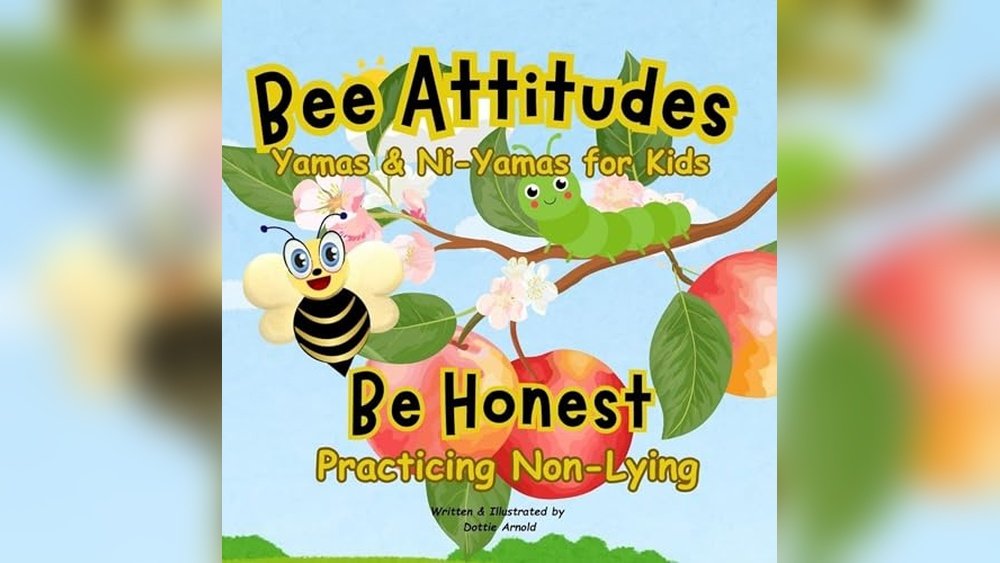
Bee Attitudes: Be Honest Book 2
Introducing 5 Niyamas through a gentle, kid-friendly story that encourages honesty and kindness.

This book, aimed at children aged 3 to 10, introduces the concept of honesty and the moral principle of telling the truth as taught in Yoga’s Yamas and Niyamas. It uses simple language and engaging storytelling to make complex ethical ideas accessible to young readers, fostering compassion and kindness in an early and meaningful way.
In everyday use, it serves as a reliable tool for parents and educators to start conversations about honesty and integrity. The storytelling style is gentle and consistent, making it easy for children to understand and relate to the lessons. It’s a comforting and educational addition to any child’s library that encourages thoughtful reflection without feeling like a lesson.
Pros:
- Age-appropriate explanation of complex moral principles
- Engaging storytelling that holds children’s attention
- Supports development of honesty and kindness
- Easy to read for young children and parents alike
- Encourages early ethical awareness in a gentle manner
Cons:
- Limited to a very specific age group (3-10 years)
- Does not include interactive features or activities
- May require adult guidance for full comprehension
My Practical Opinion
This book is ideal for parents or teachers looking to introduce basic ethical concepts to young children in a gentle, understandable way. It’s simple to use right after purchase, with no extra materials needed, making it a convenient choice for busy adults. While it’s best suited for beginners in ethical education, adults with experience teaching values will find it a useful addition to their resources. My tip: read it together with your child and discuss the ideas to deepen their understanding and create meaningful dialogue.
Overall, it’s a calm and reassuring tool that supports a foundation of honesty and compassion, which feels especially important in today’s world.
| Best for | Why |
|---|---|
| Parents of young children | Simple introduction to honesty and kindness concepts |
| Early childhood educators | Supports teaching moral principles in an accessible way |
| Children ages 3-10 | Age-appropriate storytelling with ethical lessons |
| Anyone seeking gentle value-based books | Non-intimidating approach to important life lessons |
Bee Attitudes: Be Kind Book
Discover the gentle teachings of 5 Niyamas through this engaging children’s book that promotes kindness and compassion.
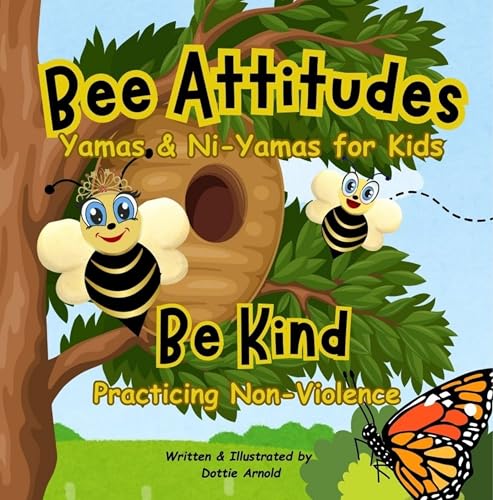
Bee Attitudes: Be Kind Book is designed to introduce children to the foundational yoga principles known as 5 Niyamas, focusing on kindness, self-discipline, and compassion toward all living beings. It offers a thoughtful, accessible way to teach young readers important social and emotional skills through storytelling and simple lessons.
In everyday use, this book serves as a gentle guide that parents and educators can rely on to foster empathy and mindfulness in children. Its straightforward approach makes it easy to read repeatedly, encouraging consistent learning and reflection without overwhelming young minds.
Pros:
- Clear introduction to 5 Niyamas suited for children
- Encourages empathy and kindness through relatable stories
- Simple language that is easy for young readers to understand
- Supports social and emotional development
- Visually appealing cover that attracts children’s attention
- Suitable for classroom or home reading
Cons:
- Lacks extensive illustrations inside the book
- May be too basic for older children familiar with yoga concepts
My Recommendation
This book is ideal for parents and teachers introducing yoga principles to younger children in a gentle, approachable way. It’s straightforward and easy to use right after purchase, requiring no additional materials. Beginners will find it particularly helpful as it explains 5 Niyamas with kindness and care.
One practical tip is to read the book together with children and discuss how each principle can be practiced in daily life, which reinforces learning and connection. Its calm tone offers peace of mind, ensuring the lessons are both meaningful and enjoyable.
Personally, I appreciate how it combines mindfulness with simple storytelling, making yoga values accessible to young hearts.
| Best for | Why |
|---|---|
| Parents of young children | To introduce basic yoga principles in a friendly way |
| Elementary school teachers | To support social and emotional learning in the classroom |
| Yoga instructors for kids | As a resource to explain 5 Niyamas with stories |
| Caregivers seeking mindfulness tools | Provides simple, relatable lessons on kindness and compassion |
Bee Attitudes: Be A Giver
A gentle introduction to the 5 Niyamas teaching kids kindness and respect through yoga principles.

This book offers a simple and engaging way to teach children aged 3 to 10 about the 5 Niyamas—moral principles from yoga that encourage kindness, self-discipline, and respect. It uses storytelling and relatable examples to help young readers understand values like contentment, self-study, and non-possessiveness in everyday life.
In daily use, this book serves as a gentle guide to nurturing compassion and mindfulness in kids. Its straightforward language and warm tone make it easy for parents and educators to incorporate these lessons consistently, fostering a kinder and more thoughtful environment for children to grow.
Pros:
- Clear and age-appropriate explanation of 5 Niyamas
- Encourages moral development through storytelling
- Suitable for young children ages 3-10
- Supports social and emotional learning
- Easy for parents and teachers to use as a teaching tool
Cons:
- May be too simple for older children beyond age 10
- Limited illustrations or interactive features
My Recommendation
This book is ideal for parents, caregivers, and teachers seeking a gentle introduction to yoga ethics for young children. It’s easy to read and fits well into daily routines without requiring additional materials or preparation.
If you’re looking for a resource to foster kindness and mindfulness in little ones, this is a practical choice that makes abstract concepts accessible. I found it particularly helpful when reading together and discussing the values afterward.
Its calm approach provides peace of mind that children are learning important life principles in a supportive and age-appropriate way.
| Best for | Why |
|---|---|
| Parents of young children | Simple lessons to introduce ethical values at home |
| Early childhood educators | Supports social skills and moral teaching in classrooms |
| Yoga instructors for kids | Teaches foundational yoga ethics in an accessible way |
| Anyone seeking gentle moral education | Focuses on kindness and respect through storytelling |
Meditations From The Mat Yoga Reflections
Explore the essence of 5 Niyamas through daily yoga reflections that deepen your personal practice.

This book, “Meditations from the Mat,” offers daily reflections inspired by the path of yoga, focusing on the practice of the 5 Niyamas. It’s designed to guide readers through mindful living with insights that complement a yoga lifestyle, helping deepen understanding beyond the physical practice.
In everyday use, these reflections are accessible and grounding, providing thoughtful prompts that are easy to integrate into daily life. The style is consistent and approachable, making it suitable for both beginners and those more experienced in yoga philosophy who want to enrich their journey.
Pros:
- Daily reflections encourage steady mindfulness practice
- Focuses on 5 Niyamas for ethical and spiritual growth
- Clear, relatable writing style
- Suitable for all levels of yoga practitioners
- Compact size easy to carry or read daily
Cons:
- Lack of extensive imagery or visual aids
- Number of pages not specified, which may affect depth
My Recommendation
This book is ideal for anyone looking to incorporate the 5 Niyamas into their daily routine in a reflective and manageable way. Beginners will find it a gentle introduction to yoga ethics, while experienced yogis can use it as a steady companion to deepen their practice.
Once you start reading, the ease of daily short reflections makes it simple to stay consistent without feeling overwhelmed. A practical tip is to set a daily reminder to read one reflection, helping you build a mindful habit around your yoga philosophy practice.
Personally, I appreciate how it bridges the gap between theory and everyday living, making yoga’s ethical teachings feel approachable and relevant.
| Best for | Why |
|---|---|
| Yoga beginners | Introduces key ethical principles simply and accessibly |
| Daily mindfulness seekers | Provides short, practical reflections for everyday practice |
| Experienced yogis | Offers ongoing inspiration to deepen yoga philosophy understanding |
How To Choose 5 Niyamas For Your Needs
Understanding the 5 Niyamas can guide you toward a balanced and mindful lifestyle. Use this checklist to reflect on each principle and how it fits into your daily routine.
- Are you cultivating purity in your thoughts and surroundings?
- Do you practice contentment with what you have?
- How often do you engage in self-discipline?
- Are you regularly reflecting on your actions and intentions?
- Do you dedicate time to self-study or personal growth?
- Are you open to surrendering your ego to a higher purpose?
If you want to explore these concepts further, check out our FAQs section.
Faqs Of 5 Niyamas
What are the 5 Niyamas in daily practice?
The 5 Niyamas are personal observances in yoga: cleanliness, contentment, discipline, self-study, and surrender. They guide safe and mindful daily living.
How does cleanliness (Shaucha) promote safety?
Shaucha emphasizes physical and mental purity. Keeping yourself and your environment clean prevents illness and supports well-being.
Is contentment (Santosha) important for mental health?
Yes, Santosha encourages acceptance and gratitude. Practicing it daily reduces stress and promotes emotional balance safely.
How does discipline (Tapas) affect daily use?
Tapas builds self-control and consistency. Regular practice helps maintain healthy habits and improves overall life quality.
Can self-study (Svadhyaya) improve personal growth?
Svadhyaya involves reflection and learning. It supports safe self-awareness and helps track progress in your yoga journey.
How does surrender (Ishvarapranidhana) aid in stress relief?
This Niyama teaches letting go of control. Trusting the process reduces anxiety and fosters peace in daily challenges.
Final Verdict: 5 Niyamas For Most People
Reflecting on the 5 Niyamas offers a thoughtful way to enhance personal growth and inner peace. Each principle provides a unique perspective, encouraging a balanced and mindful approach to everyday life.
Deciding which Niyama resonates most often depends on individual goals and current life circumstances. Embracing these guidelines with sincerity can lead to meaningful transformation over time.
Let your intuition guide you toward the path that feels right.