Dolphin Plank: The Complete Guide To This Powerful Exercise
Finding a workout move that strengthens your body, improves posture, and challenges your balance is rare. The dolphin plank is one of these valuable exercises. It’s not just a simple twist on the classic plank; it also has roots in yoga and is used by fitness professionals worldwide to enhance core stability and upper body strength. Whether you’re new to working out or an experienced athlete, understanding the dolphin plank can help you unlock better results, prevent injuries, and add variety to your routine.
This in-depth guide will teach you everything about the dolphin plank. You’ll discover how to do it, what muscles it works, its main benefits, common mistakes, tips for improvement, and how it compares to other plank variations. By the end, you’ll know exactly why this move deserves a spot in your workouts—and how to use it safely and effectively.
What Is A Dolphin Plank?
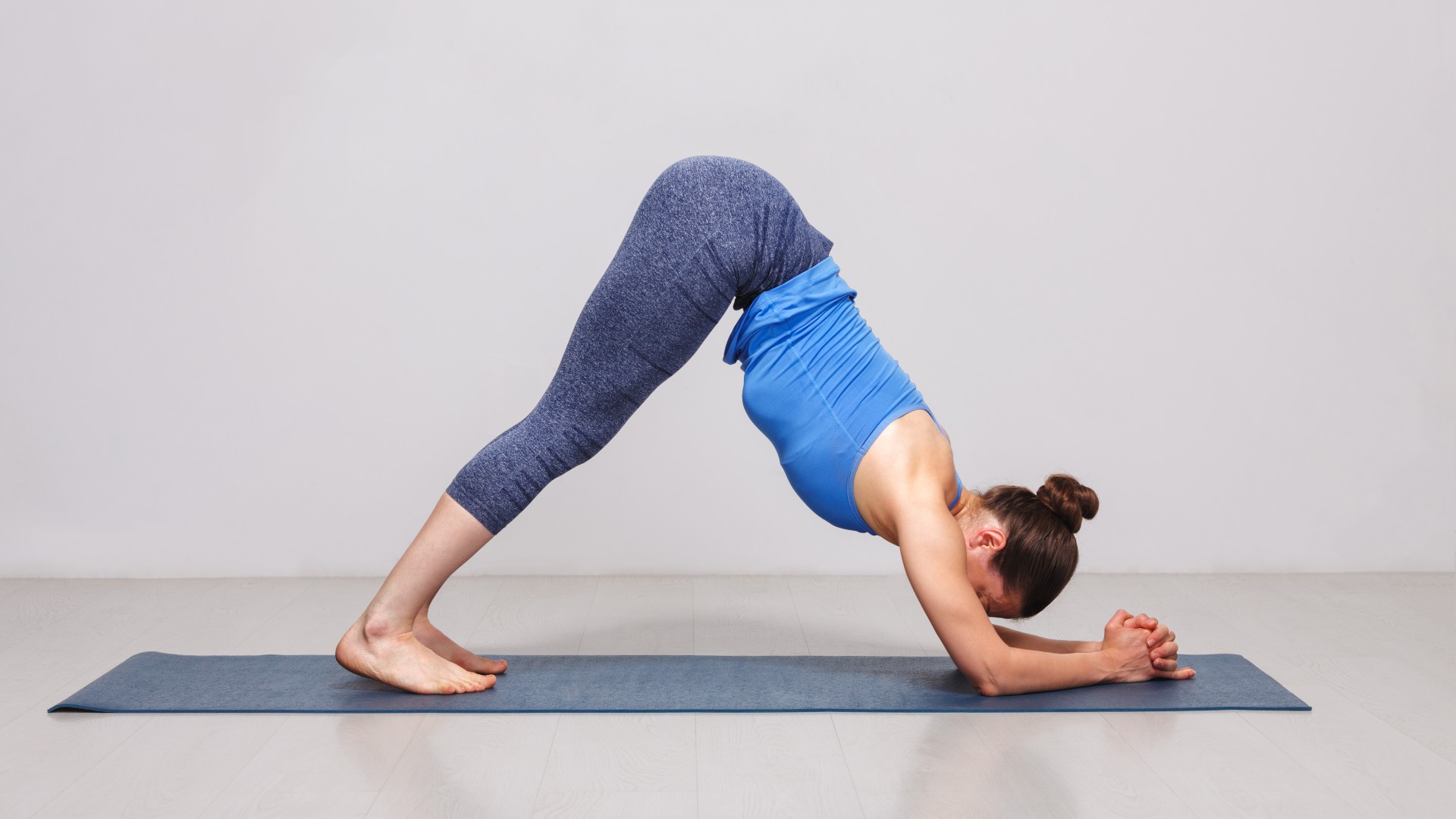
The dolphin plank is a bodyweight exercise that combines elements from yoga’s dolphin pose and the classic forearm plank. In this move, you support your body weight on your forearms and toes, keeping your elbows directly under your shoulders. The hips lift slightly higher than in a traditional plank, and the head stays relaxed between the arms. This position puts extra emphasis on the shoulders, upper back, and deep core muscles.
Unlike the regular plank, which focuses mainly on the abdominals and requires a flat back, the dolphin plank challenges your shoulders and improves mobility while still activating your core. It’s often used in yoga flows, Pilates, and even physical therapy routines.
Main Muscles Worked
Understanding which muscles are targeted by the dolphin plank helps you get the most out of the exercise.
- Shoulders (Deltoids): Support much of your body weight and stabilize the upper body.
- Trapezius: Helps keep your neck and upper back in alignment.
- Core (Rectus Abdominis, Transverse Abdominis, Obliques): Maintain stability and prevent sagging.
- Glutes: Activate to keep the hips in position.
- Quadriceps: Engage to keep the legs strong and steady.
- Serratus Anterior: Works to stabilize your shoulder blades, which is often overlooked in basic planks.
This combination of muscle activation makes the dolphin plank a full-body challenge rather than just a core workout.
Credit: www.tomsguide.com
How To Do A Dolphin Plank Correctly
Proper form is key to preventing injuries and getting the full benefit. Here’s a step-by-step guide:
- Start on your hands and knees (tabletop position) on a mat.
- Lower your forearms to the ground, placing your elbows directly under your shoulders. Hands should be flat or palms together.
- Step your feet back one at a time, extending your legs and lifting your knees off the floor.
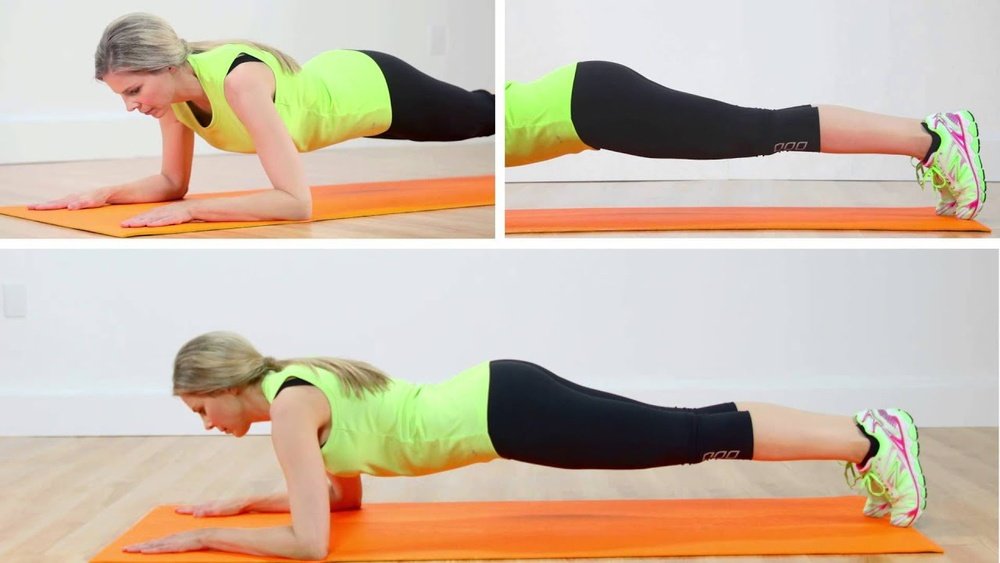
- Lift your hips slightly higher than a standard plank, forming a straight line from head to heels with a gentle slope at the hips.
- Press your forearms down and gently push your body away from the floor. Your head should stay between your upper arms, relaxed.
- Hold the position for 20–60 seconds, breathing steadily. Keep your body tight but avoid locking your elbows or tensing your neck.
- Lower your knees to the mat to finish.
Key tips:
- Avoid dropping or lifting your hips too high.
- Keep your shoulders away from your ears.
- Engage your core and glutes for stability.
Dolphin Plank Vs. Classic Plank
Many people wonder how the dolphin plank is different from the regular plank. Let’s compare these two popular moves:
| Feature | Dolphin Plank | Classic Plank |
|---|---|---|
| Main Emphasis | Shoulders, upper back, core | Core, glutes, shoulders |
| Hip Position | Slightly raised | Flat, in line with body |
| Common in | Yoga, Pilates | Fitness, sports, rehab |
| Difficulty | Moderate | Beginner to moderate |
| Shoulder Mobility | High | Medium |
Insight: The dolphin plank’s unique hip position and shoulder activation make it better for people working on shoulder strength or yoga transitions. However, beginners may find it more challenging to keep proper form.
Benefits Of The Dolphin Plank
The dolphin plank is more than just a core exercise. Here’s why it’s so effective:
- Improves Shoulder Stability: The forearm support and hip position force your shoulder muscles to work harder, which builds strength for pushing and lifting movements.
- Enhances Core Strength: By engaging both the rectus abdominis and deep core muscles, you get better core control and endurance.
- Increases Flexibility: The elevated hips stretch your hamstrings and shoulders, improving mobility.
- Protects the Lower Back: The form prevents sagging, reducing strain on the lower spine.
- Builds Postural Awareness: Holding this position makes you more aware of your body’s alignment, which can help with posture in daily life.
- Supports Yoga Practice: Many yoga poses, like the dolphin pose and forearm stands, use similar mechanics.
- Low Equipment Needs: All you need is a mat and some space.
Non-obvious benefit: Practicing dolphin plank regularly can help reduce risk of shoulder injuries during sports or weightlifting, as it strengthens supporting muscles often ignored in standard planks.
Common Mistakes And How To Fix Them
Even experienced exercisers make errors with the dolphin plank. Here are some mistakes to watch for:
- Hips Too High or Too Low: Lifting your hips too much turns the move into a downward dog, while dropping them strains the lower back.
- Solution: Keep a gentle slope, not a peak or a flat line.
- Shoulders Crowding Ears: Many people tense up, letting their shoulders rise toward their ears.
- Solution: Pull your shoulders away from your ears and press your forearms down.
- Neck Tension: Looking up or tensing the neck can cause discomfort.
- Solution: Keep your head in a neutral position between your arms.
- Collapsed Core: Letting your stomach drop removes the core challenge.
- Solution: Draw your belly button toward your spine and engage your glutes.
- Bent Elbows or Hands Clasped Too Tightly: This reduces shoulder activation.
- Solution: Keep elbows under shoulders, and relax your hands.
Tip: Film yourself or use a mirror when learning, as it’s easy to lose form without feedback.
Progressions And Modifications
The dolphin plank can be adjusted for beginners or made harder for advanced athletes.
Easier Variations
- Knees on the Ground: Keep knees down to reduce intensity while learning.
- Shorter Holds: Start with 10–15 seconds, then build up.
- Elbow Support on a Bench: Elevate your forearms on a sturdy surface.
Harder Variations
- Leg Lifts: Lift one leg at a time, holding for 5–10 seconds.
- Plank to Dolphin Flow: Move between a forearm plank and the dolphin plank position.
- Weighted Dolphin Plank: Place a light weight or sandbag on your hips for extra resistance.
Non-obvious insight: The dolphin plank is a great way to prepare for advanced yoga poses like the forearm stand or handstand, as it builds both strength and balance.
When Should You Use The Dolphin Plank?
The dolphin plank fits into many workout routines:
- Warm-Up: Activates shoulders and core before lifting or sports.
- Core Day: Use it as a main core exercise or a burnout at the end.
- Yoga Flow: Perfect during vinyasa or as part of a sun salutation sequence.
- Rehabilitation: Helps retrain shoulder stability after injury (but always consult a physical therapist first).
- Active Recovery: Low-impact, so it can be used on lighter days for mobility and strength.
Comparing Dolphin Plank With Other Plank Variations
There are many plank variations. Here’s how the dolphin plank compares to a few popular ones:
| Plank Variation | Main Focus | Difficulty Level |
|---|---|---|
| Dolphin Plank | Shoulders, upper back, core | Moderate |
| Side Plank | Obliques, hip stability | Moderate to Hard |
| Reverse Plank | Glutes, hamstrings, lower back | Hard |
| Forearm Plank | Core, shoulders | Beginner to Moderate |
| High Plank | Chest, core, wrists | Beginner |
Takeaway: The dolphin plank offers a unique shoulder and upper-back focus, making it ideal if you want more than just core work.
Who Should And Shouldn’t Do Dolphin Plank?
The dolphin plank is safe for most people, but there are exceptions.
Great for:
- People wanting stronger shoulders and core
- Yoga practitioners
- Athletes looking for injury prevention
- Anyone bored with standard planks
Use caution if:
- You have shoulder injuries or pain
- You suffer from wrist or elbow issues
- You’re pregnant (consult a doctor first)
If you’re unsure, always check with a fitness professional or physical therapist before starting new exercises.
How To Add Dolphin Plank To Your Workout
You can include dolphin plank in your routine in several ways:
- As a Standalone Move: Hold for 3 sets of 20–45 seconds, resting 30 seconds between sets.
- In a Circuit: Pair with push-ups, squats, or lunges for a full-body workout.
- Yoga Sequences: Use it between downward dog and forearm stand transitions.
- With Core Exercises: Mix with mountain climbers, bird-dogs, or Russian twists.
Example Beginner Routine:
- Dolphin plank – 20 seconds
- Rest – 30 seconds
- Side plank (left) – 15 seconds
- Rest – 30 seconds
- Side plank (right) – 15 seconds
- Rest – 30 seconds
- Repeat 2–3 times
Practical Tips For Mastery
- Consistency beats intensity: Short, daily holds are better than one long session per week.
- Quality over quantity: Perfect form for 20 seconds is more valuable than 1 minute with poor posture.
- Breathe steadily: Many people hold their breath, which increases tension and reduces endurance.
- Combine with stretching: After dolphin plank, do gentle shoulder and hamstring stretches.
- Track your progress: Write down hold times and try to increase weekly.

Credit: www.youtube.com
Evidence And Research
Studies show that plank variations like the dolphin plank can increase core strength, improve posture, and reduce back pain if done regularly. According to a 2022 study published in the Journal of Strength and Conditioning Research, adding plank variations to a workout improved trunk endurance by over 20% in just 8 weeks.
For more on the science of planks, check out Wikipedia’s entry on the plank exercise.
Frequently Asked Questions
What’s The Difference Between Dolphin Plank And Dolphin Pose In Yoga?
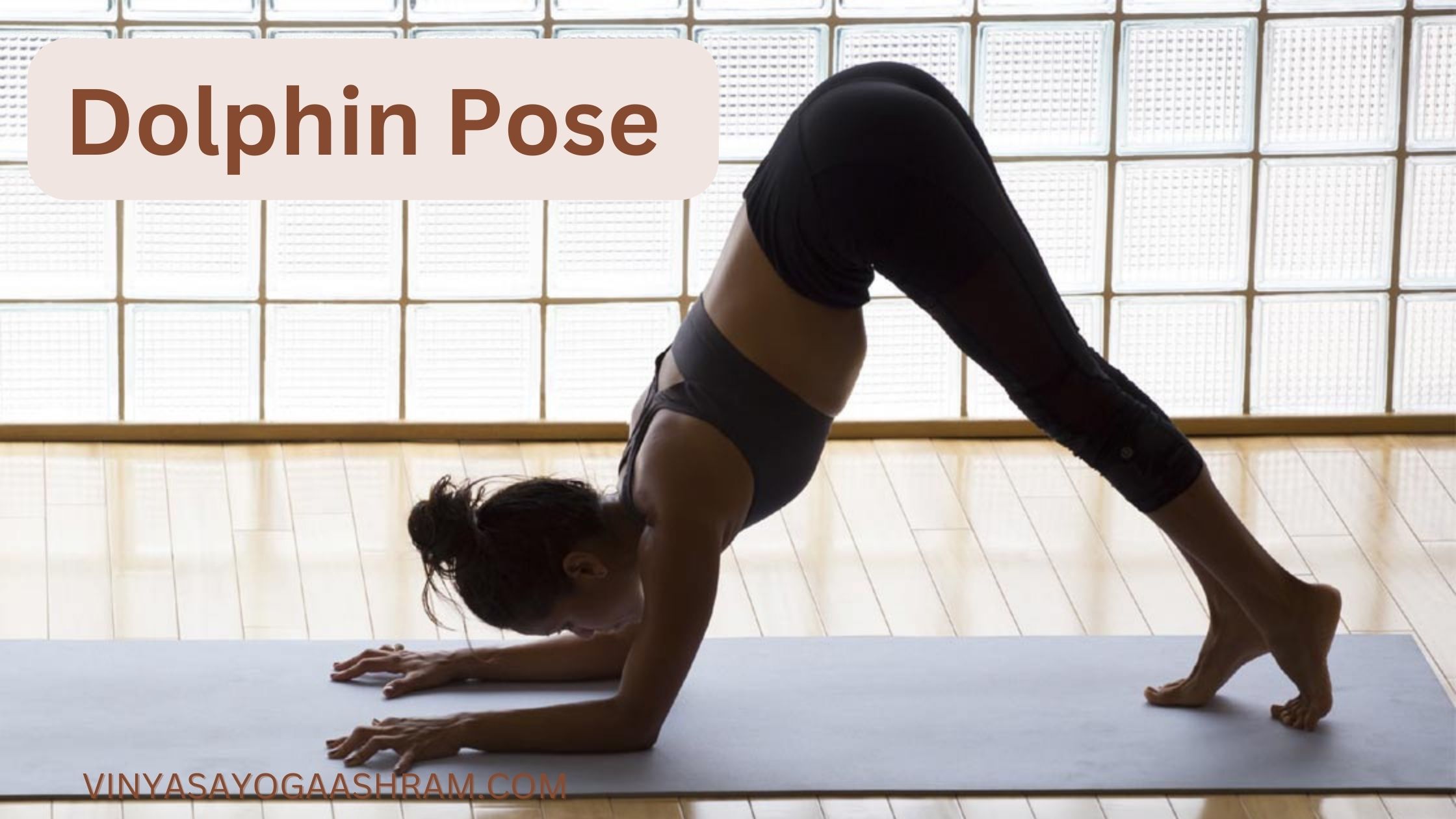
The dolphin plank keeps your body in a straight or gently sloped line, focusing on strength. The dolphin pose (in yoga) lifts the hips higher, forming an inverted V, and emphasizes shoulder mobility and stretching. Both start on the forearms, but their goals are different.
How Long Should I Hold A Dolphin Plank?
Beginners can start with 10–20 seconds per set and gradually increase to 60 seconds or more as strength improves. Focus on good form before increasing hold time.
Can Dolphin Plank Help With Back Pain?
Yes, if performed correctly, the dolphin plank strengthens the core and supports the lower back. However, if you feel pain during the exercise, stop and consult a professional.
Is Dolphin Plank Safe For Seniors?
It can be safe for seniors with good shoulder mobility and no major injuries. Modifying the move with knees down or shorter holds is a good idea. Always check with your doctor if you have concerns.
How Often Should I Do Dolphin Plank For Best Results?
Doing dolphin plank 3–4 times per week is enough for most people. Combine with other exercises for a balanced routine and allow rest days for recovery.
Adding the dolphin plank to your workouts can boost your strength, mobility, and body awareness. With practice and attention to form, you’ll feel the benefits both in your fitness and in everyday life.
Credit: www.vinyasayogaashram.com