
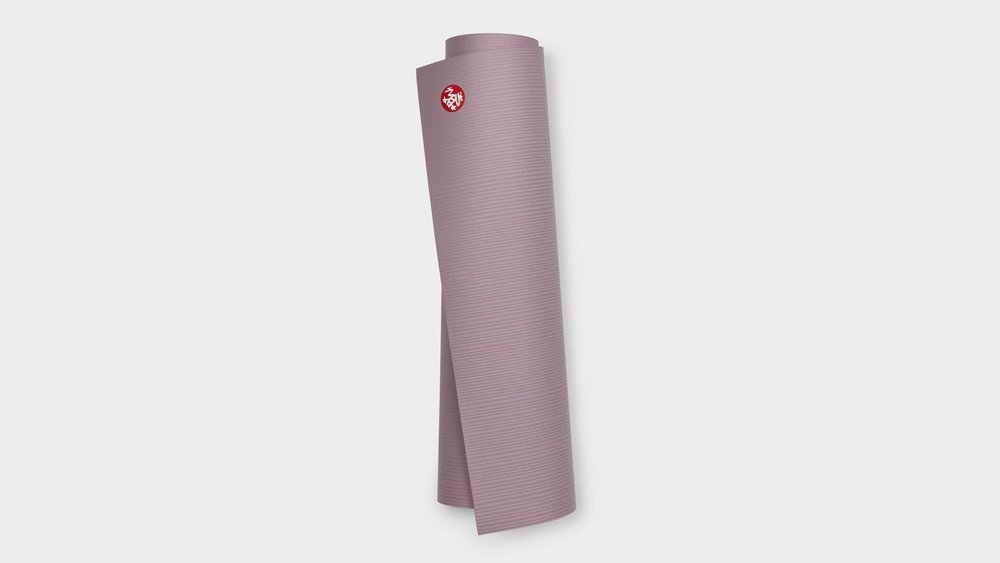
If you practice yoga regularly, you’ve probably seen the name Manduka. Their mats appear in yoga studios, influencer posts, and even at home with experienced yogis. But Manduka mats are not cheap. Many people wonder: Are Manduka yoga mats worth it? Or is the price just clever marketing? Let’s take a closer look at what makes these mats special, what you actually get for your money, and whether a Manduka is the right choice for you.
What Makes Manduka Yoga Mats Different?
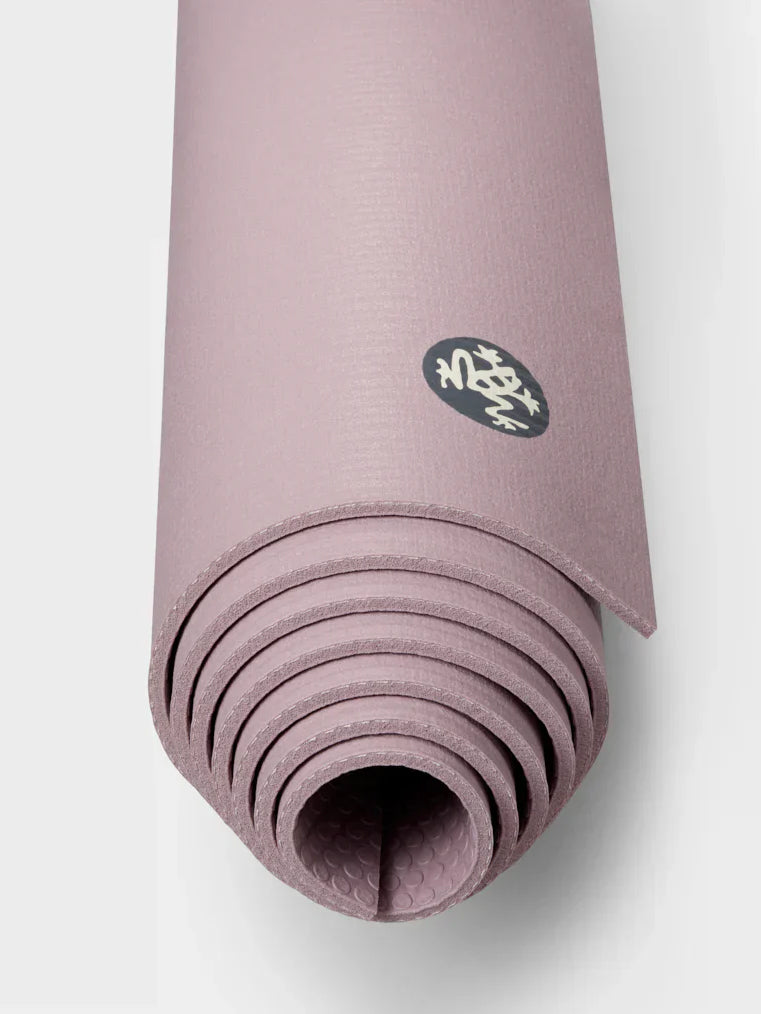
Manduka mats stand out for several reasons. First, they use high-density PVC material in their PRO series, which feels very solid and offers excellent support. Many cheaper mats use foam or low-quality rubber, which can wear out quickly. Manduka’s top mats last much longer, sometimes over a decade with regular use. The brand also focuses on sustainability, using non-toxic materials and ethical manufacturing processes.
Another key point is Manduka’s lifetime guarantee for their PRO series mats. They promise the mat will not flake, peel, or fade, and if it does, you get a replacement. While this doesn’t cover every possible problem, it shows confidence in their quality.
Key Features Of Manduka Mats
Not all Manduka mats are the same. The most popular are the PRO, PROlite, and eKO series. Here’s a quick comparison to help you see the differences:
| Mat Series | Material | Thickness | Weight | Intended Use |
|---|---|---|---|---|
| PRO | High-density PVC | 6mm | 3.4kg (standard) | Studio, home |
| PROlite | High-density PVC | 4.7mm | 1.8kg | Travel, lighter use |
| eKO | Natural tree rubber | 5mm | 2.9kg | Eco-friendly choice |
PRO series mats are famous for their density and durability. They feel very supportive for knees and wrists, especially during long sessions. The PROlite is lighter, making it easier to carry, but still gives great support. The eKO series uses natural rubber for people who want a more eco-friendly option.
Pros Of Choosing A Manduka Mat
There are clear advantages when you choose a Manduka mat over a standard yoga mat:
- Exceptional Durability: Many users report their Manduka mat lasting more than 10 years. The dense material holds its shape and doesn’t flatten out, even after hundreds of practices.
- Support and Comfort: The thickness and density give a lot of joint protection, which is important for people with sensitive knees or wrists. You can even do high-impact moves without feeling the floor.
- Lifetime Guarantee: The warranty is rare for yoga mats. If your mat wears out in a way that’s covered, you get a new one.
- Stable Surface: Manduka mats don’t shift easily. The bottom grips the floor, so you can practice safely without slipping.
- Easy to Clean: The closed-cell surface means sweat and dirt stay on top and can be wiped off. This is very helpful in hot yoga or sweaty classes.
- Eco-Conscious Options: The eKO series uses natural rubber and non-toxic foaming agents, making it a better choice for people who care about the environment.
Cons And Common Complaints
Manduka mats are not perfect for everyone. Here are some downsides to think about:
- High Price: The PRO series can cost 2-3 times more than a basic yoga mat. For beginners, this can be a big investment.
- Heavy Weight: The PRO mat is over 3kg, which makes it hard to carry to class every day. People who walk or bike may find this annoying.
- Break-In Period: New Manduka mats can feel a bit slippery at first. It often takes several weeks of use before the surface feels grippy enough.
- Not for Everyone: If you like very soft, cushioned mats, Manduka’s dense, firm feel may not be comfortable.
- Limited Cushion in PROlite: The lighter version is easier to carry but doesn’t offer as much padding as the original.
How Much Do Manduka Mats Cost?
Manduka mats are expensive compared to most yoga mats. Here’s a look at typical prices as of 2024:
| Mat Model | Price (USD) | Warranty |
|---|---|---|
| PRO | $130–$150 | Lifetime |
| PROlite | $90–$110 | Lifetime |
| eKO | $90–$120 | 1 Year |
| Begin Mat | $50–$60 | None |
You can find cheaper mats in stores for as little as $15–$30. But those mats usually wear out in a year or less. If you want to see Manduka’s current pricing and options, check their official website.
Comparing Manduka With Other Popular Yoga Mats
To decide if Manduka is worth it, it helps to compare with other well-known brands. Here’s how Manduka stacks up against two common competitors: Liforme and Gaiam.
| Feature | Manduka PRO | Liforme Yoga Mat | Gaiam Premium Mat |
|---|---|---|---|
| Material | PVC (dense) | Natural rubber | Foam/PVC blend |
| Thickness | 6mm | 4.2mm | 5mm |
| Weight | 3.4kg | 2.5kg | 1.4kg |
| Grip | Good (after break-in) | Excellent | Average |
| Price | $130–$150 | $140–$160 | $30–$40 |
| Durability | 10+ years | 3–5 years | 1–2 years |
Manduka wins on durability and warranty. Liforme is known for its excellent grip and alignment lines, but it costs as much as Manduka and does not last as long. Gaiam is affordable and lightweight, but won’t survive heavy use for many years.
Credit: www.yogamatters.com
Is A Manduka Mat Worth The Investment?
The answer depends on your situation, but here are some clear guidelines to help you decide:
- You practice 3+ times per week: The cost per use becomes very low over years. The mat will last, and you’ll enjoy the support every day.
- You have joint pain or sensitive knees: The dense support can make a big difference in comfort and help prevent injury.
- You want a mat that will last: If you hate replacing mats every year, Manduka is a smart choice.
- You value sustainable products: The eKO series is a strong eco-friendly option.
- You teach yoga or practice in studios: The PRO’s durability and stability help it handle heavy use.
But a Manduka may not be worth it if:
- You’re a beginner and not sure you’ll stick with yoga.
- You need a very lightweight, portable mat for travel.
- You prefer a squishy, soft feel rather than firm support.
- The price makes you uncomfortable.
Non-obvious Insights Most Beginners Miss
- Break-in Makes a Difference: The Manduka PRO mat can feel slick when new. Many people give up too soon, thinking it’s always slippery. However, regular use or cleaning with salt can speed up the break-in process and greatly improve grip. Don’t judge the mat’s traction too quickly.
- Closed-Cell Structure Prevents Odor: Cheaper mats often soak up sweat, leading to bad smells. The PRO’s closed-cell design keeps sweat on the surface, so it doesn’t trap odors—making it much easier to keep clean.
- Thickness Isn’t Everything: Many people think a thick mat is always softer. But Manduka’s density means you get support without “sinking in.” This helps with balance, especially in standing poses.
- Long-Term Value: While the upfront cost is high, the cost per year can actually be lower than with multiple cheap mats. For serious practitioners, this saves money and reduces waste.

Credit: eu.manduka.com
Tips For Getting The Most From Your Manduka Mat
- Clean it regularly: Use mild soap or a special yoga mat cleaner. Avoid soaking, which can damage the mat.
- Break it in: Try sprinkling salt on the surface, let it sit, then wipe off. This helps improve grip faster.
- Store flat or rolled loosely: Keeping the mat flat or rolled without tight bends helps it keep its shape.
- Don’t leave in hot cars: Extreme heat can warp any yoga mat, including Manduka.
What Users And Teachers Say
Many experienced yoga teachers recommend Manduka mats, especially for people who practice often or need extra support. User reviews often mention the “investment” feel—the mat costs more, but feels like a real upgrade in quality and comfort. Some users do mention the initial slipperiness and weight as annoyances, but most agree these issues are small compared to the benefits.
A useful point: some studios provide Manduka mats for their students, so you can try one before buying. If you are unsure, ask your local studio if they have Manduka mats available.
Credit: www.manduka.com
Environmental And Health Considerations
Manduka makes efforts to reduce environmental impact. Their eKO mats use biodegradable natural rubber, and their PRO mats are made in Germany under strict environmental standards. They are free from toxic chemicals like phthalates and latex, making them safer for people with allergies. If you care about sustainability, Manduka is a better choice than most cheap mats, which often use low-grade plastics and can release harmful compounds.
Frequently Asked Questions
How Do I Clean My Manduka Yoga Mat?
Use a damp cloth with mild soap or a special yoga mat cleaner. Avoid harsh chemicals and never put it in a washing machine. For deep cleaning, wipe both sides with a damp cloth and allow the mat to air dry before rolling it up.
Why Does My New Manduka Mat Feel Slippery?
The PRO and PROlite mats have a protective layer that can feel slick at first. This break-in period is normal. You can speed up grip improvement by sprinkling coarse salt on the mat, letting it sit, then wiping off.
How Long Will A Manduka Mat Last?
With regular use, many people report 10+ years for the PRO series. Even with heavy use, the mat usually keeps its shape and function for a long time. The eKO series may not last as long, but still outperforms most cheap mats.
Is The Manduka Mat Good For Hot Yoga?
Yes, especially the eKO series, which provides better grip when wet. The PRO mat is also popular for hot yoga, but you may want to use a towel on top during very sweaty sessions.
Are There Any Cheaper Alternatives To Manduka Mats?
Yes, brands like Gaiam, Liforme, and Jade Yoga offer mats at different price points. However, these often have shorter lifespans or less support. If you practice yoga only occasionally, a cheaper mat may be enough. For serious or daily practice, Manduka’s quality can be worth the investment.
In the end, Manduka yoga mats are not for everyone, but for those who value durability, support, and long-term value, they are often a smart investment. Always consider your budget, practice habits, and personal comfort before making a decision. If you want a mat that will last for many years, Manduka is hard to beat. For more technical information, you can check the Wikipedia article on yoga mats.