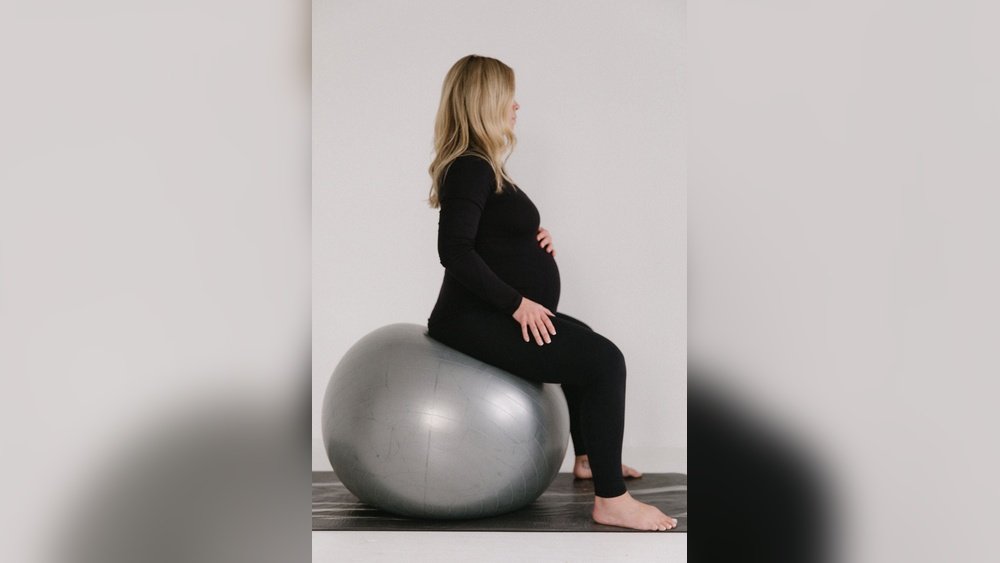
Pregnancy changes your body in many ways. Sometimes, it brings back pain, hip pressure, or simple discomfort. Many women look for safe, natural ways to feel better. One simple tool is the yoga ball (also called a birth ball or exercise ball). Used well, a yoga ball can make pregnancy easier, help you stay active, and even prepare your body for labor.
But a yoga ball is not just for sitting. There are many ways to use it, each with special benefits. Using a yoga ball safely and with purpose can help you move better, relax, and even reduce pain. In this guide, you’ll learn exactly how to use a yoga ball for pregnancy, what to avoid, and smart tips that most beginners miss.
Why Use A Yoga Ball During Pregnancy?
A yoga ball is more than a soft seat. It gently works your muscles, especially your core and lower back, without strain. Here’s why many health professionals recommend a yoga ball:
- Improves posture: Sitting on a yoga ball makes you sit upright. Good posture supports your spine and reduces back pain.
- Relieves pressure: The ball spreads your weight, taking pressure off your hips and tailbone.
- Eases back pain: Gentle movements relax tight muscles.
- Helps flexibility: Stretching over the ball keeps your body loose.
- Prepares for labor: Certain moves help open your pelvis, making labor easier.
Pregnant women often spend hours sitting. Swapping a hard chair for a yoga ball can help you feel better and move more.
Choosing The Right Yoga Ball
It’s important to pick the right size and quality. The wrong ball can cause discomfort or even injury.
| Height | Recommended Ball Size |
|---|---|
| Under 5’4″ (163 cm) | 55 cm |
| 5’4″ to 5’10” (163–178 cm) | 65 cm |
| Over 5’10” (178 cm) | 75 cm |
When you sit on the ball, your hips should be slightly higher than your knees and your feet flat on the floor. If you feel unstable, the ball is too big or too firm.
Non-obvious tip: Choose a ball labeled “anti-burst.” This means it deflates slowly if punctured, making it safer during pregnancy.
Look for:
- Durable material (anti-burst, thick PVC)
- Non-slip surface
- Correct size for your height

Credit: www.amazon.ae
How To Use A Yoga Ball Safely
Safety comes first, especially when you’re pregnant. Follow these tips:
- Check the ball: Make sure there are no cracks or leaks before each use.
- Use on a flat surface: Avoid carpets or slippery floors.
- Wear non-slip shoes or go barefoot: Socks can make you slip.
- Start slowly: Practice getting on and off the ball with support.
- Keep a chair or wall nearby: Support yourself if you lose balance.
Extra insight: In the last trimester, your balance changes. Move slower and ask someone to help if needed.
Best Ways To Use A Yoga Ball During Pregnancy
There are many simple, effective ways to use a yoga ball. Let’s break them down by trimester and purpose.
Sitting For Comfort And Posture
Many women find that sitting on a yoga ball feels better than a chair, especially in the last months.
- Sit with your feet flat and knees a bit wider than your hips.
- Keep your back straight, shoulders relaxed.
- Gently bounce or rock side to side to ease back pain.
Non-obvious insight: Small rocking or hip circles on the ball can keep your pelvis loose, which helps with labor later.
Pelvic Tilts
Pelvic tilts are easy and help strengthen your lower back and abs.
- Sit on the ball with your feet flat.
- Gently roll your pelvis forward and backward (like tilting a bowl).
- Repeat for 10-15 reps.
This move can relieve lower back pain and teach your pelvis to move smoothly during labor.
Hip Circles
Hip circles are gentle but effective.
- Sit upright on the ball.
- Move your hips in a slow circle clockwise, then counter-clockwise.
- Do 10 circles each way.
This movement stretches tight muscles and opens your hips.
Supported Squats
Squats build leg strength for labor.
- Stand behind the ball, feet hip-width apart.
- Place both hands on the ball for support.
- Lower your body into a squat, keeping your chest up.
- Push through your heels to return to standing.
Do 8–12 reps. The ball gives you balance and makes squats safer.
Back Stretch
If your back feels tight, try this stretch:
- Kneel in front of the ball.
- Lean forward, draping your upper body over the ball.
- Let your arms hang or stretch forward.
- Breathe deeply, relaxing your back.
Stay for 30–60 seconds, then slowly rise.
Child’s Pose Support
A yoga ball can make the classic Child’s Pose more comfortable.
- Kneel with knees wide.
- Rest your arms and chest on the ball.
- Let your head relax on the ball or turn to one side.
This pose relieves hip and back tension.
Wall Ball Squats
This move combines stability and strength.
- Place the ball between your lower back and a wall.
- Step feet hip-width apart, a bit in front.
- Lower into a squat, letting the ball roll up your back.
- Rise back up.
Do 8–12 reps. The ball supports your back, reducing strain.
Gentle Bouncing
Gentle bouncing helps some women feel lighter and eases pelvic pain.
- Sit with feet flat, back straight.
- Bounce up and down gently—no more than 2–3 inches.
- Stop if you feel dizzy or uncomfortable.
This is safe through most of pregnancy, but always listen to your body.
Labor Preparation Moves
Late in pregnancy, certain moves can help the baby move into the right position.
- Figure 8s: Sit on the ball and move hips in a figure-eight shape.
- Rocking: Rock hips forward and back, side to side.
- Leaning: Lean forward over the ball while kneeling, swaying your hips.
These moves encourage your baby to move lower into the pelvis.
When To Use A Yoga Ball
You can use a yoga ball throughout pregnancy, but adjust as your body changes.
- First trimester: Gentle stretching and sitting for posture.
- Second trimester: Add squats, hip circles, and gentle bouncing.
- Third trimester: Focus on comfort, back relief, and labor prep moves.
Many women use the ball while watching TV, working at a desk, or during prenatal yoga.
Benefits At Each Stage Of Pregnancy
A yoga ball is useful in every trimester, but the benefits shift as your body grows.
| Trimester | Main Benefits |
|---|---|
| First | Improves posture, gentle stretching, relieves early back pain |
| Second | Strengthens core and legs, increases flexibility, eases hip tension |
| Third | Reduces pelvic pressure, prepares body for labor, helps baby descend |
Example: Some women report less hip pain and better sleep after using the ball for 10–15 minutes before bed.

Credit: www.wikihow.com
Yoga Ball Exercises For Pregnancy
Here are step-by-step guides for common pregnancy-safe yoga ball exercises:
1. Seated Pelvic Tilts
- Sit on the ball, feet flat, knees open.
- Tilt pelvis forward (arch back slightly), then backward (round lower back).
- Repeat 10–15 times.
2. Hip Circles
- Sit tall on the ball.
- Rotate hips in a circle, keeping upper body steady.
- Do 10 circles each way.
3. Supported Squat
- Stand with the ball against a wall.
- Rest lower back against the ball.
- Lower into a squat, keeping knees behind toes.
- Rise up. Repeat 8–12 times.
4. Child’s Pose Stretch
- Kneel, with knees wide.
- Lean forward onto the ball.
- Hold for 30–60 seconds.
5. Gentle Bounces
- Sit on the ball, back straight.
- Bounce softly for 1–2 minutes.
Safety note: Always stop if you feel dizzy, short of breath, or have pain.
Common Mistakes To Avoid
Even a simple tool like a yoga ball can be misused. Watch for these mistakes:
- Using the wrong size: This can make sitting or exercising unsafe.
- Over-inflating: Too firm is less stable and harder to control.
- Slouching: Always keep your back straight.
- Doing advanced moves: Avoid planks, crunches, or anything that strains your abs.
- Ignoring pain: Stop any move that hurts.
Extra tip: If you feel lightheaded, get off the ball and rest.

Credit: babygo.uk
Who Should Not Use A Yoga Ball?
Most pregnant women can use a yoga ball, but some should avoid it. Do not use a yoga ball if you:
- Have been told to avoid exercise
- Have a history of preterm labor
- Have severe pelvic pain
- Feel dizzy or unsteady
Always check with your doctor or midwife before starting new exercises.
Preparing For Labor With A Yoga Ball
In the last weeks of pregnancy, the yoga ball becomes even more helpful. It can:
- Help the baby move into the right position (head down)
- Open your pelvis naturally
- Make early labor more comfortable
Many hospitals and birth centers encourage women to bring their own yoga ball. Using it during labor can reduce pain and help you stay calm. For more about birthing balls in labor, see this helpful NHS guide.
Pro tip: Practice using the ball before labor starts, so you feel confident.
Cleaning And Caring For Your Yoga Ball
A yoga ball collects dust and germs, so keep it clean:
- Wipe with a damp cloth and mild soap after each use.
- Avoid harsh chemicals that damage the material.
- Store away from sharp objects and direct sunlight.
Check the ball for damage every week. Replace it if you see cracks or it feels soft.
After Pregnancy: Postpartum Use
A yoga ball is useful even after your baby arrives. You can:
- Sit on the ball to soothe your back while feeding your baby.
- Use gentle bouncing to calm a fussy baby (always hold your baby securely).
- Try light stretching and pelvic tilts to rebuild your core strength.
Wait until your doctor gives the OK before starting postpartum exercises.
Frequently Asked Questions
How Long Can I Sit On A Yoga Ball While Pregnant?
Most women can sit for 20–60 minutes at a time, as long as it feels comfortable. Take breaks to stand and move around. Listen to your body—if you feel tired or sore, stop.
Can I Use A Yoga Ball In The First Trimester?
Yes. The yoga ball is safe in the first trimester for gentle stretching and improving posture. Avoid bouncing or hard exercises until you feel steady.
Is A Yoga Ball Safe For All Pregnancies?
A yoga ball is safe for most women. But if you have a high-risk pregnancy, talk to your doctor first. Avoid if you have dizziness, balance problems, or have been told not to exercise.
What’s The Difference Between A Yoga Ball And A Birthing Ball?
They are the same thing. “Birthing ball” is just another name for a large exercise or yoga ball used in pregnancy and labor.
Can A Yoga Ball Help Start Labor?
A yoga ball doesn’t make labor start, but it can help your baby move into position and make you more comfortable in late pregnancy. It may help labor progress once it begins, but always follow your doctor’s advice.
Pregnancy is a time of big changes. A yoga ball is a simple, affordable tool to ease discomfort, stay active, and get ready for your baby’s arrival. With smart use and a little practice, you’ll find it’s a helpful part of your pregnancy journey.
Remember, always check with your healthcare provider before starting anything new. Your comfort and safety come first.