
Yoga Tree Pose: How To Master Balance And Find Focus
Standing steady on one foot may look simple, but the Yoga Tree Pose—also called Vrikshasana—offers much more than meets the eye. This classic yoga posture, inspired by the graceful shape of a tree, helps to build both physical and mental strength. Whether you are a complete beginner or an experienced yogi, practicing Tree Pose can improve your balance, focus, and confidence. Understanding the correct form, benefits, and common mistakes will help you make the most of this powerful pose.
Let’s explore what makes Tree Pose special, how to practice it safely, and why it’s a favorite in yoga classes around the world.
What Is Yoga Tree Pose?
The Tree Pose is a standing yoga posture where you balance on one leg while placing the sole of your other foot on your inner thigh, calf, or ankle. Your hands can be in prayer position at the chest or stretched overhead, like tree branches reaching for the sky. The pose is called “Vrikshasana” in Sanskrit, with “Vriksha” meaning tree and “asana” meaning pose.
Unlike many challenging yoga postures, Tree Pose is accessible for most people, even beginners. However, it still requires concentration, body awareness, and steady breathing. Practicing regularly can teach you how to stay calm and focused—even if you feel a little shaky at first.
Step-by-step Guide To Tree Pose
Getting into Tree Pose safely and correctly is important. Follow these steps for the best results:
- Start in Mountain Pose (Tadasana): Stand tall with feet hip-width apart, shoulders relaxed, and arms at your sides. Distribute your weight evenly on both feet.
- Shift Your Weight: Slowly transfer your weight onto your left foot. Feel the strength in your standing leg.
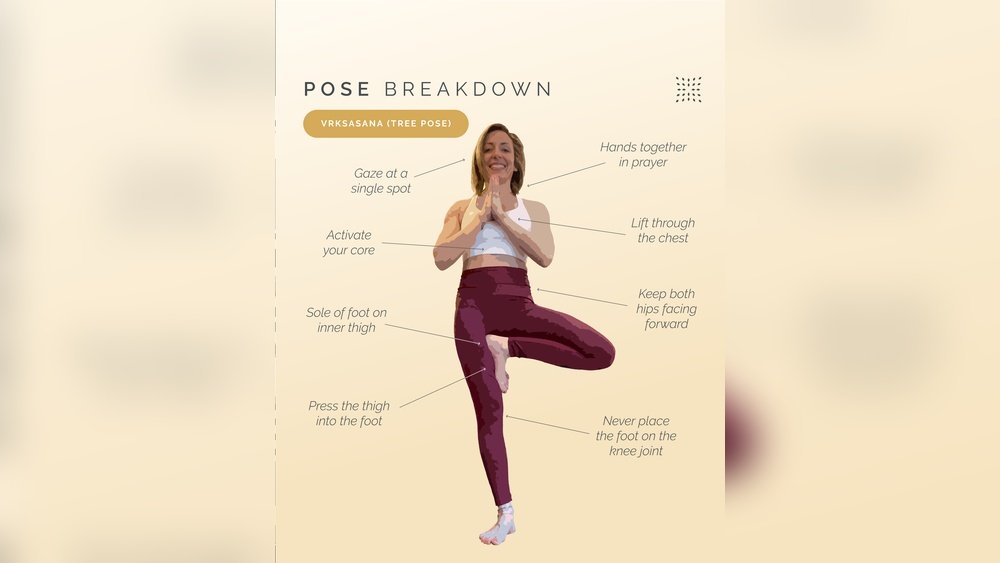
- Place Your Foot: Bend your right knee and lift your right foot off the floor. Use your hand to help place the sole of your right foot on the inner left thigh, calf, or ankle—avoid the knee joint.
- Find Your Balance: Press the standing leg and foot together gently. Keep your hips facing forward.
- Hand Position: Bring your palms together at your chest in prayer position. If you feel stable, extend your arms overhead, reaching up with your fingers spread wide.
- Hold and Breathe: Look at a fixed point in front of you (a “drishti”) to help with balance. Take slow, deep breaths. Hold for 20–60 seconds.
- Release: Gently lower your right foot and return to Mountain Pose. Repeat on the other side.
Tips For Beginners
- If you’re struggling with balance, start with your foot at the ankle or use a wall for support.
- Avoid pressing your foot directly against the knee.
- Focus on a spot at eye level to help stay steady.

Credit: blog.glo.com
Key Benefits Of Tree Pose
Tree Pose is much more than a balance challenge. Practicing it regularly can bring both physical and mental rewards:
- Improves balance and stability: Strengthens the muscles in your legs, ankles, and feet.
- Enhances focus and concentration: Holding the pose requires mental attention and calmness.
- Strengthens core muscles: Engages your abdominal muscles for stability.
- Increases hip flexibility: Opens the hips gently, especially when the knee is turned outward.
- Builds confidence: Standing tall on one leg fosters a sense of achievement.
- Reduces stress: Focusing on breath and balance can help calm the mind.
Non-obvious Insights
- Micro-movements matter: Even when you look still, tiny muscles in your feet and legs are constantly adjusting to keep you balanced. Over time, this improves your overall stability in daily life.
- Mental “wobble” is normal: If your mind wanders, your body often follows. Tree Pose teaches you to notice and manage distractions, a skill that helps far beyond your yoga mat.
Common Mistakes And How To Fix Them
Even experienced yogis make mistakes in Tree Pose. Being aware of these can help you progress safely.
- Pressing foot against the knee: This can strain your knee joint. Always place your foot above or below the knee.
- Tilting hips: Keep your hips level and facing forward. Imagine your pelvis as a bowl of water; don’t let it tip.
- Tensing shoulders: Relax your shoulders, even if your arms are overhead.
- Holding breath: Remember to breathe deeply; holding your breath makes balance harder.
- Looking around: Keep your gaze fixed on one point to maintain stability.
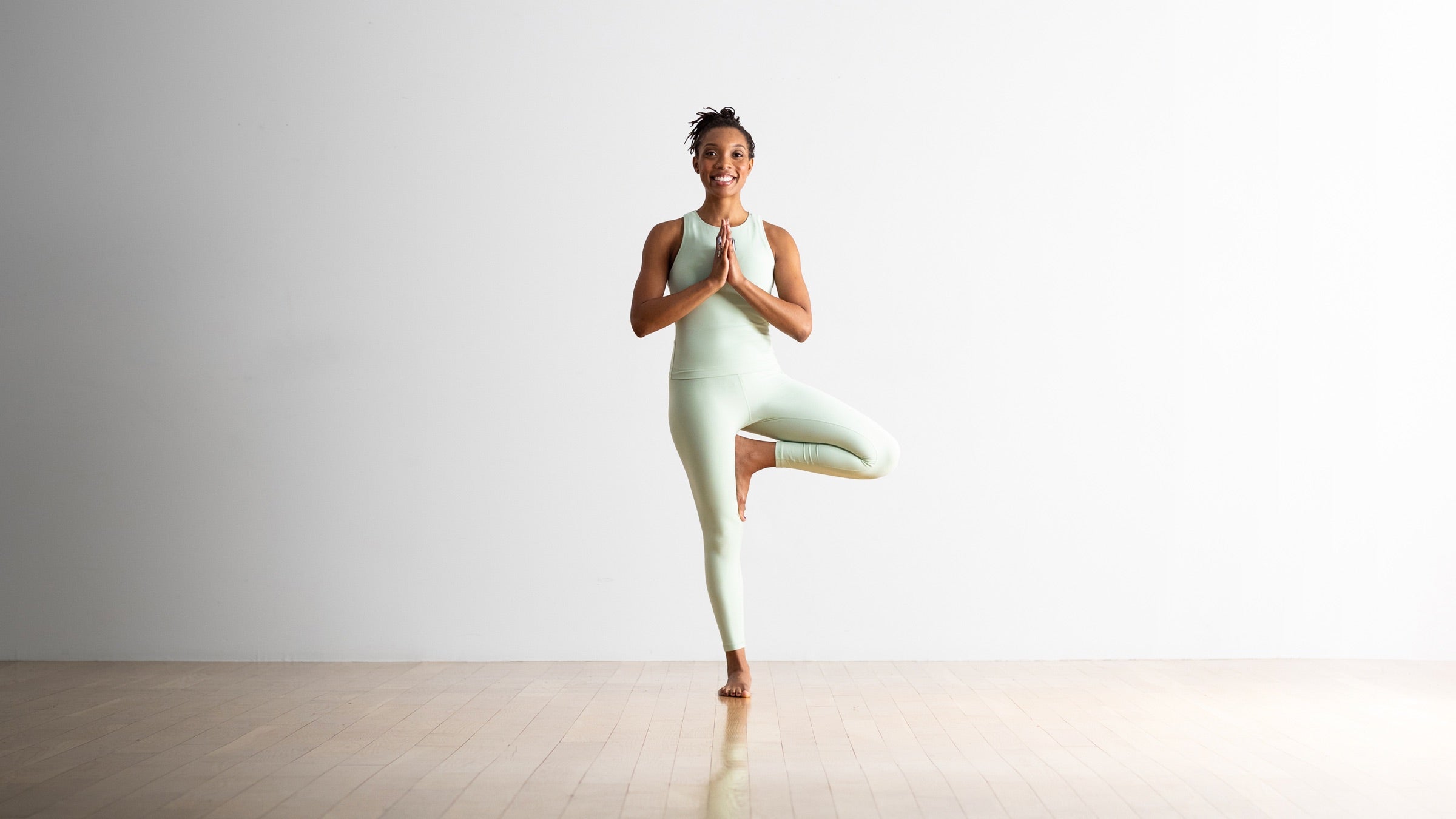
Credit: www.yogajournal.com
Tree Pose For Different Levels
Tree Pose can be adapted for all experience levels. Here’s how to make it work for your unique body and goals.
Beginners
- Use a wall or chair for balance.
- Keep your foot at the ankle or calf.
Intermediate
- Place your foot on the inner thigh.
- Try extending your arms overhead.
Advanced
- Close your eyes for an extra challenge (only if you feel steady).
- Practice on an uneven surface, like a folded mat.
Tree Pose Variations
You can adjust Tree Pose to add variety and meet your needs. Here are a few popular variations:
- Arms Overhead: Stretch your arms up like branches for a full-body stretch.
- Eagle Arms: Cross your arms in front of your chest for a shoulder stretch.
- Half-Lotus Tree: Place the foot in half-lotus position for deeper hip opening.
- Reverse Tree: Press the sole of your foot against the back of your standing leg.
- Partner Tree: Stand next to a friend and hold hands for support and fun.
How Tree Pose Compares To Other Balance Poses
Balancing poses in yoga come in many forms. Tree Pose is often the first one learned, but how does it compare to others?
| Pose | Balance Focus | Flexibility Required | Core Engagement |
|---|---|---|---|
| Tree Pose | Moderate | Low–Moderate | Moderate |
| Eagle Pose | High | Moderate | High |
| Dancer’s Pose | High | High | High |
| Warrior III | High | Moderate | Very High |
Tree Pose requires less flexibility than Dancer’s or Eagle, making it more accessible for most people. It focuses more on inner stability and gentle hip opening.
Scientific Research On Tree Pose
Modern research supports the benefits of balance postures like Tree Pose. For example, studies show that practicing balance poses can reduce the risk of falls, especially in older adults. Tree Pose specifically helps improve proprioception (your sense of body position), which is key for staying safe and moving confidently.
A study published in the *Journal of Geriatric Physical Therapy* found that regular yoga—including Tree Pose—improved balance and lower body strength in seniors. These benefits aren’t just for older adults; athletes also use Tree Pose to train focus and coordination.
Tree Pose In Daily Life
You might be surprised how practicing Tree Pose can help in your everyday life. Here’s how:
- Better posture: Standing tall with aligned hips and shoulders can help you walk and sit with confidence.
- Improved focus at work or study: The concentration needed in Tree Pose can carry over to tasks that require mental attention.
- Calm under pressure: Balancing on one leg teaches patience and the ability to reset after losing focus—a valuable lesson for stressful situations.
When To Avoid Or Modify Tree Pose
Not every pose is right for every body, all the time. Avoid or modify Tree Pose if you:
- Have a recent ankle, knee, or hip injury.
- Experience severe balance problems or dizziness.
- Are pregnant and feel unstable—use a wall or skip the pose if needed.
If you are unsure, consult a certified yoga instructor or healthcare provider before practicing.
How To Integrate Tree Pose Into Your Practice
Tree Pose works well as part of any yoga routine. You can include it:
- During warm-up to build focus.
- In the middle of your practice for a balance challenge.
- As a cool-down to relax and center yourself.
Practicing Tree Pose just 2–3 times a week can bring noticeable improvements in balance and confidence.
Tree Pose Progress Tracker
Tracking your progress in Tree Pose can help you stay motivated. Here’s a simple way to record your improvements:
| Week | Hold Time (seconds) | Foot Placement | Notes |
|---|---|---|---|
| 1 | 10 | Calf | Needed wall for support |
| 2 | 20 | Calf | Less wobbling |
| 3 | 30 | Thigh | No wall needed |
| 4 | 45 | Thigh | Arms overhead |
Seeing your progress on paper can make it easier to notice small wins and stay consistent.
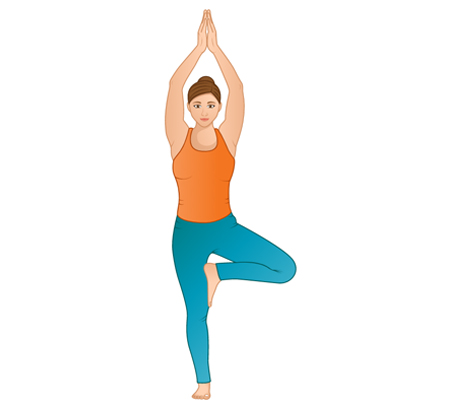
Credit: www.yogaclassplan.com
Tips For Getting The Most Out Of Tree Pose
- Practice barefoot: Shoes can interfere with your balance and foot muscles.
- Engage your standing leg: Keep it strong and active, not locked.
- Visualize roots: Imagine your foot growing roots into the floor for extra stability.
- Switch sides: Always practice on both legs to build balanced strength.
- Be patient: Some days your balance will be better than others—this is normal.
Frequently Asked Questions
What Muscles Does Tree Pose Work?
Tree Pose mainly strengthens the legs, ankles, and core muscles. It also gently opens the hips and stretches the groin area. The pose improves the small stabilizing muscles in your feet and lower legs, which are important for daily balance.
How Long Should I Hold Tree Pose?
Beginners can start with 10–20 seconds per side. As you improve, try to hold the pose for up to 60 seconds. The goal is to stay steady and relaxed, not to push past your comfort level.
Can Tree Pose Help With Anxiety?
Yes, focusing on your breath and balance in Tree Pose can help reduce stress and anxiety. It encourages you to be present and calm, which can carry over into daily life. Some studies suggest that regular yoga practice can lower anxiety levels.
What If I Can’t Balance At All?
If balancing is difficult, use a wall or chair for support. Start with your foot at the ankle rather than the thigh. With time and practice, your balance will improve. Even a few seconds on one leg can be helpful.
Where Can I Learn More About Yoga Poses?
You can find reliable information from certified yoga instructors, books, and trusted websites. One helpful resource is Wikipedia’s Vrikshasana page, which offers history and detailed guidance.
Tree Pose is more than just a balancing act—it’s a journey of growth, patience, and self-discovery. By practicing regularly and paying attention to your body, you can enjoy both the physical and mental rewards this timeless yoga posture offers. Whether you’re standing steady or learning to manage a wobble, each attempt brings you closer to inner balance.