Yoga is much more than stretching. Every pose has a purpose and story. One pose, called Eagle Pose (Sanskrit: Garudasana), stands out for its mix of challenge, focus, and benefit. Many people see it in yoga classes but do not realize how much it can change the body and mind. Whether you are a beginner or have practiced for years, exploring Eagle Pose deeply can help you balance, strengthen, and calm yourself on and off the mat.
What Is Eagle Pose?
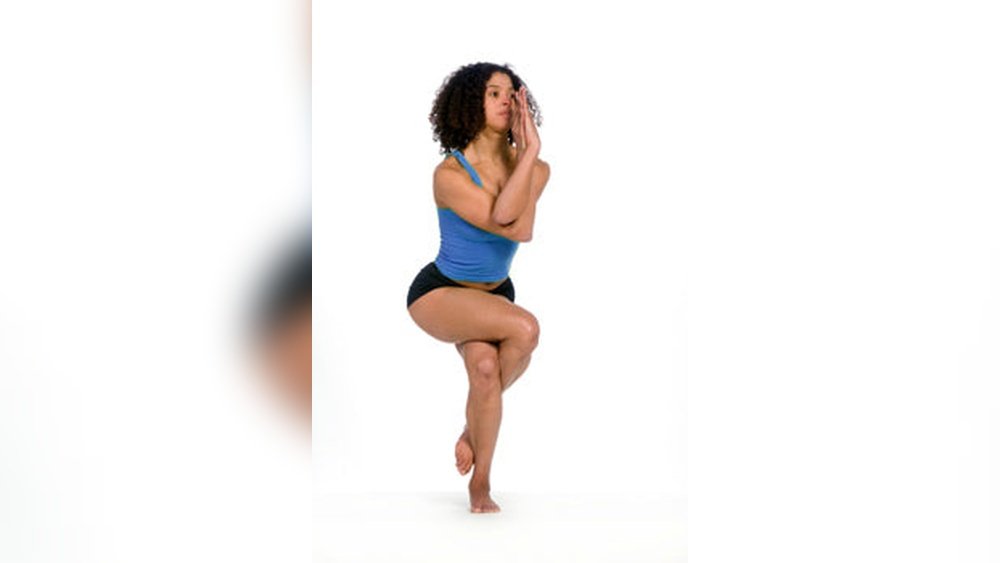
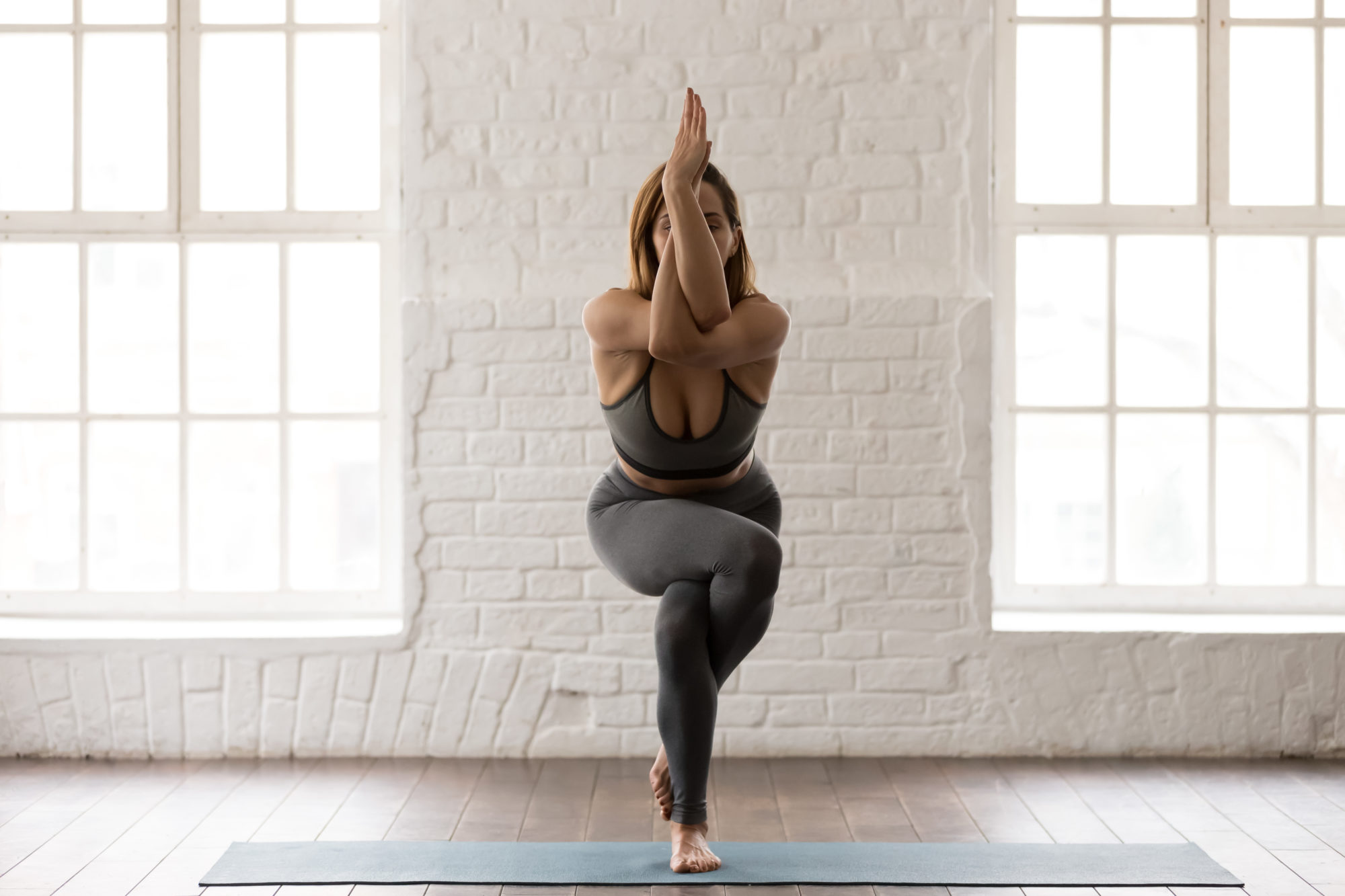
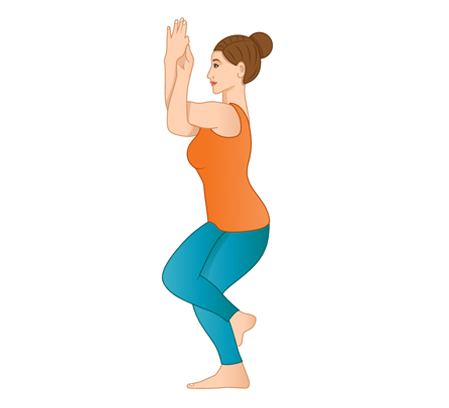
Eagle Pose is a standing, balancing posture found in many yoga styles, especially Hatha Yoga and Vinyasa. The body twists and wraps itself—arms crossed, legs entwined, back straight. The name Garudasana comes from “Garuda,” the mythic eagle in Hindu and Buddhist stories. Garuda is known for strength, vision, and freedom, and this pose is meant to bring these qualities to your practice.
Some call Eagle Pose a “one-pose workout. ” It works on balance, flexibility, strength, and focus at the same time. But beyond the physical, it is also a moving meditation, building deep concentration and inner calm. People often use it as a “peak pose” in class, meaning it’s a main event, not just a warm-up.
How To Do Eagle Pose Step By Step
Learning Eagle Pose can feel tricky. Here’s a clear breakdown:
- Begin standing with feet together and arms at your sides. Focus your gaze on a spot in front of you.
- Bend your knees slightly, as if starting to sit in a chair.
- Lift your right foot off the floor. Cross your right thigh over your left thigh as high as possible.
- Hook your right foot behind your left calf if you can. If not, just cross the legs tightly.
- Stretch your arms forward. Cross your left elbow over your right elbow.
- Bend your elbows and bring your palms together (or as close as you can).
- Lift your elbows up to shoulder height and move your hands away from your face.
- Sit deeper and keep your back straight. Hold for 5–10 breaths.
- Slowly unwind and repeat on the other side.
Most people find one side easier than the other, which is normal. With practice, both sides become more balanced.
Credit: www.theyogacollective.com
Physical Benefits Of Eagle Pose
Eagle Pose offers a unique set of physical benefits that go far beyond a simple stretch:
- Improves balance: Standing on one leg while crossing the other forces your body to stabilize, strengthening small muscles in your feet and ankles.
- Strengthens legs: The pose deeply engages your thighs, calves, and hips, making your lower body stronger over time.
- Stretches shoulders and upper back: Crossing your arms opens the space between your shoulder blades, which helps after long hours at a desk.
- Increases flexibility: Both the upper and lower body get a deep, active stretch.
- Boosts circulation: The squeeze-and-release effect can help blood flow to your joints.
Many yoga teachers say that regular practice can also help with knee and ankle stability—something that is especially helpful for runners or people who play sports.
Mental And Emotional Benefits
Physical strength is only one part of the story. Eagle Pose is also known for its powerful effect on the mind:
- Sharpens focus: You cannot balance without paying attention. This pose trains your mind to stay present, which can help in stressful daily life.
- Builds patience: It often takes time to master. Practicing it regularly teaches you to be patient with yourself.
- Reduces stress: The deep squeeze followed by release can feel like a “reset” for your nervous system.
- Boosts confidence: Every time you find balance, even for a few seconds, you prove to yourself that you can succeed with practice.
Many people notice that after a few rounds of Eagle Pose, their minds are quieter and their thoughts slower. This is a sign that you are truly connecting body and mind.
Common Mistakes And How To Fix Them
Eagle Pose is not easy for most beginners. Here are the most common mistakes and how to avoid them:
- Losing balance: If you wobble or fall, try focusing your eyes on a single spot and engaging your core muscles.
- Collapsed chest: Many people round their upper back. Instead, keep your chest lifted and your spine long.
- Shoulders near ears: Relax your shoulders down, even as you lift your elbows.
- Standing leg locked: Keep a soft bend in your standing knee to protect your joint.
- Arms slipping apart: If you cannot wrap your arms, just touch the backs of your hands together. The stretch still works.
A non-obvious tip: Try practicing near a wall. Stand sideways so you can catch yourself if you lose balance. Over time, move farther from the wall as you gain confidence.
Modifications And Variations
Not every body is the same. Eagle Pose can be adapted to suit different levels, injuries, or needs.
If You Cannot Cross Your Legs
- Rest your toes on the floor for balance instead of hooking the foot behind the calf.
- Use a yoga block under your foot for extra support.
If You Have Tight Shoulders
- Hold opposite shoulders in a hug instead of wrapping your arms.
- Practice “half eagle” by only crossing the arms or the legs, not both.
For Advanced Practice
- Lower your hips closer to the floor.
- Try closing your eyes for a few seconds to challenge your balance.
- Add a forward fold by leaning your upper body forward while keeping the twist.
Remember: It is not about how the pose looks, but how it feels. Choose the variation that helps you grow without pain.

Credit: jennirawlingsblog.com
When To Avoid Eagle Pose
There are times when Eagle Pose is not a good idea:
- If you have a recent knee, ankle, or shoulder injury, skip or modify the pose.
- Pregnant people should avoid deep twists or strong balances.
- If you feel sharp pain, especially in the joints, stop and consult a professional.
A common mistake is pushing too hard. Yoga should challenge but never hurt.
How Eagle Pose Compares To Other Balance Poses
To understand what makes Eagle Pose unique, let’s compare it to other popular balancing postures.
| Pose | Main Focus | Level of Challenge |
|---|---|---|
| Eagle Pose | Balance, twist, full body squeeze | Medium to High |
| Tree Pose | Balance, hip opening | Medium |
| Warrior III | Balance, strength, forward fold | High |
| Dancer’s Pose | Balance, backbend, stretch | High |
Eagle Pose is special because it combines twisting, squeezing, and balancing. Most other poses focus on just one or two of these aspects.
How To Prepare For Eagle Pose
Many people struggle with Eagle Pose because their body is not ready. Doing a few warm-up poses first can make a big difference. Here are some good options:
- Cat-Cow Pose: Warms up the spine and shoulders.
- Shoulder Circles: Loosens the upper back and neck.
- Chair Pose: Activates the legs and prepares the knees.
- Figure Four Stretch: Opens the hips and glutes.
- Standing Forward Fold: Stretches the hamstrings and calves.
These simple movements prepare your joints and muscles, making Eagle Pose safer and more comfortable.
How Long To Hold Eagle Pose
Holding Eagle Pose for 5 to 10 breaths is typical in most yoga classes. If you practice at home, you can hold it for up to 30 seconds on each side. It is better to focus on quality rather than how long you can stay. If your breath gets shaky, come out of the pose gently.
A non-obvious insight: Beginners often hold their breath. Remember to breathe deeply and slowly. This helps keep your balance and calms your mind.
Building A Routine With Eagle Pose
Eagle Pose can be part of many types of yoga routines. Here are some ideas for adding it to your practice:
- Morning boost: Do Eagle Pose after a gentle warm-up to wake up your body and mind.
- Midday reset: Use it during a quick break to release tension in your shoulders and legs.
- Evening unwind: Try Eagle Pose after a busy day to relax your muscles and calm your thoughts.
For best results, practice Eagle Pose 3–5 times a week. Consistency matters more than perfection.
Progress And Tracking Improvements
Yoga is about progress, not perfection. Here are some ways to notice your growth in Eagle Pose:
| Sign of Progress | What It Means |
|---|---|
| Longer holds | Better balance and focus |
| Deeper twist | More flexibility in spine and shoulders |
| Less shaking | Stronger stabilizing muscles |
| Smoother transitions | Improved coordination |
Taking a short video of your practice every few weeks is a great way to see changes you might not notice in the mirror.
Eagle Pose In Yoga Sequences
Eagle Pose is used in many types of yoga flows. Here are some ways it is included:
- Standing balance series: Often follows Tree Pose or Warrior III for variety.
- Detox flows: The twisting motion helps “wring out” tension and may support digestion.
- Shoulder-focused classes: Because of the deep arm stretch, it is a favorite in upper body routines.
- Power yoga: Used as a challenge for strength and endurance.
If you teach yoga, Eagle Pose is a good “wake-up” posture before deeper hip openers or backbends.
Stories And Symbolism Of Eagle Pose
In Indian mythology, Garuda is the king of birds, loyal and powerful. Practicing Eagle Pose is said to bring these qualities into your life—sharp vision, courage, and a sense of rising above problems. Some teachers use the pose to remind students that even if you feel “twisted up” in life, you can still find focus and freedom.
A non-obvious insight: Many find that emotional tension is released during Eagle Pose, sometimes even leading to a sense of lightness or relief after practicing.
Safety Tips And Best Practices
To stay safe and get the most from Eagle Pose:
- Warm up before you try it.
- Move slowly into and out of the pose.
- Keep your gaze steady to help with balance.
- Use props or a wall if you are new or recovering from injury.
- Listen to your body. Never force a twist or a bind.
Remember, yoga is not a competition. Your version of Eagle Pose is perfect for you today.
Scientific Research On Eagle Pose
While there are not many studies on Eagle Pose alone, research shows that balance poses improve proprioception (body awareness), lower stress, and help with joint stability. One study found that practicing balancing yoga postures reduces anxiety and increases focus in both young and older adults (National Institutes of Health). This supports what many yoga practitioners feel after Eagle Pose: a sharper, calmer mind.
Credit: www.yogaclassplan.com
Frequently Asked Questions
What If I Cannot Hook My Foot Behind My Calf In Eagle Pose?
You can still do Eagle Pose without hooking the foot. Just cross your legs tightly and rest your toes on the floor for balance. With regular practice, flexibility and balance will improve.
How Can I Improve My Balance For Eagle Pose?
Focus on a spot in front of you, engage your core, and practice standing on one leg in other poses like Tree Pose. Building strength in your feet and ankles also helps.
Is Eagle Pose Safe For People With Knee Pain?
If you have knee pain, do not force the twist. Try the pose with the toes on the ground or skip it. Always listen to your body and consult a doctor or yoga therapist if unsure.
How Often Should I Practice Eagle Pose?
For best results, practice 3–5 times a week as part of your regular yoga routine. Consistency is more important than holding the pose for a long time.
Can Eagle Pose Help With Stress Or Anxiety?
Yes. The combination of deep focus, physical squeeze, and slow breathing can reduce stress and calm anxiety. Many people feel more relaxed and clear-headed after practicing.
Eagle Pose is a powerful tool for growth—physical, mental, and emotional. With patience and practice, you can unlock its many rewards and fly higher in your yoga journey.