Chaturanga Dandasana: The Foundation Of Strength And Stability In Yoga
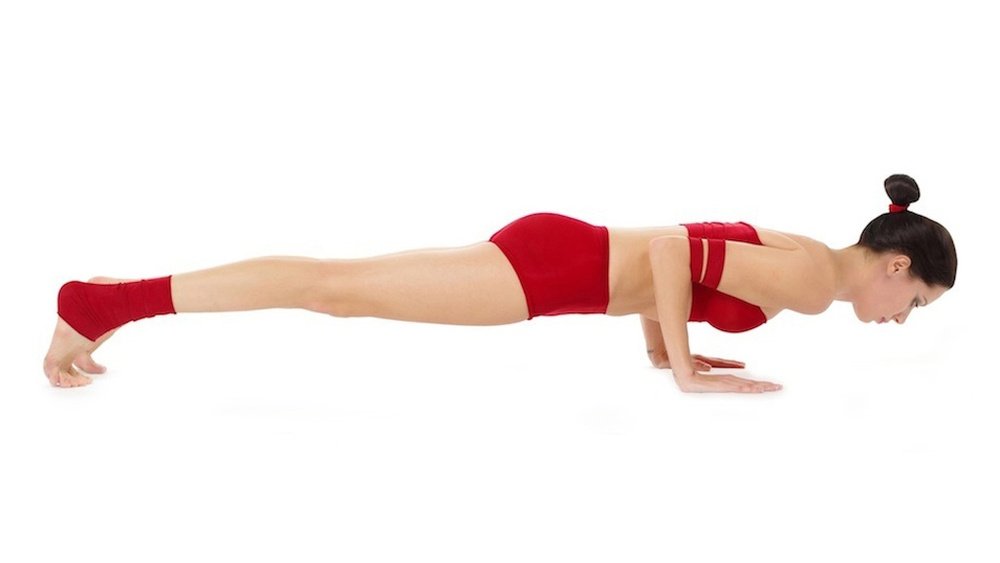
Many people see yoga as gentle stretching, but there is one pose that changes that idea completely: Chaturanga Dandasana. Also known as the Four-Limbed Staff Pose or Low Plank, this posture is a key part of vinyasa and power yoga classes. At first glance, Chaturanga looks simple—a straight body held above the floor with elbows bent. But ask anyone who’s tried it: this pose quickly shows where your real strength and alignment lie.
Let’s look deeper at what makes Chaturanga Dandasana so important, how to do it safely, its benefits, and how to avoid common mistakes. Whether you’re a beginner or an experienced yogi, understanding this pose can transform your practice—and your body.
What Is Chaturanga Dandasana?
Chaturanga Dandasana comes from Sanskrit words: “Chatur” means four, “Anga” means limb, “Danda” means staff, and “Asana” means pose. In English, it’s called Four-Limbed Staff Pose. The name describes the body position: straight like a staff, supported by two hands and two feet.
You’ll often find Chaturanga in sequences like Sun Salutations and vinyasa flows. It is a transition pose, usually coming after Plank and before Upward Facing Dog. Chaturanga is not just a push-up. It requires strength, alignment, and control, and forms the backbone of many yoga flows.
How To Do Chaturanga Dandasana: Step-by-step Guide
Many yoga injuries happen in Chaturanga, often due to poor form or lack of strength. Here’s a breakdown for safe practice:
1. Start In Plank Pose
Place your hands under your shoulders, fingers spread wide, shoulders stacked over wrists. Your body should be a straight line from head to heels.
2. Engage Your Core
Pull your belly in and keep your legs strong. This helps protect your lower back.
3. Shift Forward
Lean your body slightly forward so your shoulders move just past your wrists. This sets up your arms for the next step.
4. Lower Down
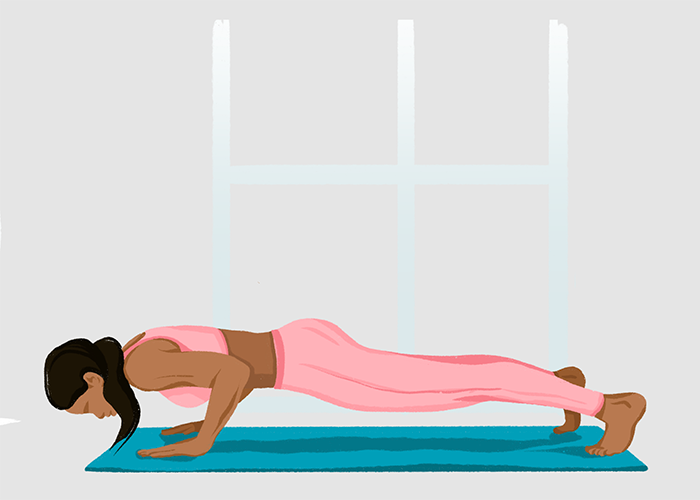
Bend your elbows straight back (not out to the sides). Keep elbows close to your ribs. Lower your body in one straight line—no dropping your hips or chest. Stop when your elbows form a 90-degree angle (upper arms parallel to the floor).
5. Hold And Breathe
Keep your body strong and steady. Take one breath. From here, you can move to Upward Facing Dog or Cobra, or press back to Plank.
Practical Tips For Alignment
- Keep your shoulders in line with your elbows or slightly above.
- Do not let your hips sag or stick up.
- Press back through your heels to keep legs active.
- Spread your fingers for better balance.
Why Chaturanga Dandasana Matters In Yoga
This pose is more than just a transition. Chaturanga builds the foundation for strong, safe movement throughout your practice.
- Strength: Works chest, arms, shoulders, back, abs, and legs.
- Stability: Trains you to hold a strong, straight line. This skill helps in arm balances, inversions, and even daily movement.
- Technique: Learning Chaturanga teaches you safe alignment, which protects your joints and muscles.
For many beginners, Chaturanga is a challenge. But with practice, it becomes the key to unlocking strength, flow, and confidence in yoga.
Muscles Used In Chaturanga Dandasana
Chaturanga is a full-body exercise. Here’s a breakdown of the main muscle groups involved:
| Muscle Group | Role in Chaturanga | How it Helps |
|---|---|---|
| Triceps | Elbow flexion | Controls lowering and holds body weight |
| Chest (Pectorals) | Shoulder stability | Helps lower and support the torso |
| Core (Abdominals, Obliques) | Spine and pelvis stability | Keeps body straight and strong |
| Shoulders (Deltoids, Rotator Cuff) | Arm and shoulder control | Protects joints, prevents injury |
| Legs (Quads, Glutes) | Support and extension | Prevents hips from dropping |
| Back (Latissimus, Erector Spinae) | Spinal support | Maintains posture |
Many people miss how much core and leg strength are needed. Chaturanga is not just about arm power; the whole body must work together.
Key Benefits Of Practicing Chaturanga Dandasana
Practicing Chaturanga regularly brings many gains, both on the mat and in daily life.
1. Upper Body Strength
Chaturanga is famous for building strong arms, shoulders, and chest—key for other poses like arm balances and inversions.
2. Core Power
The position demands a tight core, which supports your spine and improves posture.
3. Posture And Alignment
Learning to keep your body straight in Chaturanga improves your awareness and posture throughout the day.
4. Joint Safety
When done correctly, Chaturanga trains you to move with control, which protects your shoulders, wrists, and back.
5. Mental Focus
Holding this pose requires concentration and presence—skills that transfer to other areas of life.
6. Foundation For Flows
Mastering Chaturanga makes yoga flows smoother and safer.
7. Functional Fitness
Strength from Chaturanga helps in daily tasks: lifting, carrying, pushing, and even sitting upright.
Common Mistakes And How To Fix Them
Even experienced yogis make errors in Chaturanga. Here are the most frequent problems, with solutions:
1. Elbows Flaring Out
Mistake: Elbows go wide, stressing shoulders.
Fix: Hug elbows to your ribs as you lower. Imagine holding a rolled towel under each arm.
2. Dropping The Hips
Mistake: Hips sag below the shoulders, straining the back.
Fix: Engage your core and legs. Check your body in a mirror or have a friend watch.
3. Chest Drops Before Hips
Mistake: Chest touches the floor before the rest of the body.
Fix: Lower your whole body as one unit. Move slowly and in control.
4. Shoulders Below Elbows
Mistake: Lowering too far, which can damage shoulders.
Fix: Stop when your upper arms are parallel to the floor.
5. Locked Or Collapsed Wrists
Mistake: Too much weight on wrists, causing pain.
Fix: Spread your fingers and press evenly through your whole hand.
6. Holding The Breath
Mistake: Forgetting to breathe under effort.
Fix: Inhale as you lower, exhale as you move to the next pose.
7. Going Too Fast
Mistake: Rushing through the pose in a vinyasa flow.
Fix: Move with awareness, even if you slow down the class.
Experienced teachers can spot these errors and give feedback. But self-awareness and practice are key for progress.
Credit: yogaselection.com
Modifications And Variations For All Levels
Not everyone can do a full Chaturanga at first. That’s normal. Here are options to build strength safely:
For Beginners
- Knees Down: Drop knees to the mat and keep your body straight from knees to head. This reduces weight on the arms.
- Wall or Tabletop Chaturanga: Practice the movement with hands on a wall or table for lighter resistance.
- Halfway Down: Lower only part way, then push back up. Build strength over time.
For Intermediate
- Block Under Chest: Place a yoga block under your chest as a target. Lower down with control until you touch the block, then push up or move to the next pose.
For Advanced
- Slow Lowering: Take three counts to lower down, then hold for three counts.
- One-Leg Chaturanga: Lift one leg off the mat as you lower, increasing the challenge.
No matter your level, focus on form over depth. It’s better to do a half-Chaturanga with correct alignment than a full one with errors.
Chaturanga Dandasana Vs. Push-up: What’s The Difference?
At first, Chaturanga looks like a classic push-up. But there are important differences:
| Feature | Chaturanga Dandasana | Push-Up |
|---|---|---|
| Elbow Position | Elbows stay close to ribs | Elbows often angle out |
| Range of Motion | Lower until upper arms parallel to floor | Usually lower chest all the way down |
| Shoulder Alignment | Shoulders in line with or above elbows | Shoulders may dip below elbows |
| Body Engagement | Whole body, especially core and legs | Mainly upper body, less core/legs |
| Breath | Move with the breath (yoga style) | Breath varies, not always coordinated |
Chaturanga is about control and alignment, not just strength. Push-ups build muscle, but Chaturanga builds smart strength for yoga and life.

Credit: liforme.com
Step-by-step Progression Plan
Many students want to master Chaturanga quickly but lack the base strength. Here’s a safe plan to build up:
- Wall Chaturanga (2-3 weeks): Stand facing a wall, hands on wall at shoulder height. Bend elbows, bring chest to wall, press back.
- Knee Chaturanga (2-3 weeks): From knees, lower down as described above.
- Halfway Down Holds (2 weeks): In full plank, lower halfway and hold for 3-5 breaths, then push back up.
- Full Chaturanga: Try the full pose, but focus on doing 1-2 reps with perfect form instead of many with poor form.
Track your progress. Take a video or use a mirror to check alignment. Ask a teacher for feedback if possible.
Injuries And Safety In Chaturanga Dandasana
Chaturanga is safe when done correctly. But poor form or fatigue can cause problems, especially in:
- Shoulders: Over-lowering or elbows flaring can strain rotator cuff.
- Wrists: Too much weight forward can cause pain.
- Lower Back: Sagging hips put pressure on the spine.
If you feel sharp pain, stop and rest. Build strength slowly, and use props or modifications as needed.
Non-obvious insight: Many wrist problems come from weak legs and core. If you push back through your heels and engage your abs, you take pressure off your wrists.
Chaturanga Dandasana In Yoga Sequences
Chaturanga is not a one-time pose. It is repeated in many flows, like Sun Salutations (Surya Namaskar) and vinyasa classes. Here’s how it fits in a common sequence:
- Plank Pose
- Chaturanga Dandasana
- Upward Facing Dog
- Downward Facing Dog
Doing this sequence 5-10 times in a class means you might do Chaturanga a dozen times or more. That’s why learning correct form is so important!
Advanced Chaturanga Techniques
If you’ve mastered the basics, try these tips to deepen your practice:
- Weighted Chaturanga: Place a light sandbag on your upper back for extra resistance (only with solid alignment).
- Slow Eccentric Chaturanga: Lower in 5-10 seconds, focusing on smooth control.
- Chaturanga to Crow Pose: Flow from Chaturanga directly into an arm balance for upper-level practice.
These are for advanced students only. Always warm up, and listen to your body.

Credit: en.wikipedia.org
Real-life Success Stories
Many yogis notice big changes after focusing on Chaturanga:
- Posture improves: People stand taller and have less back pain.
- Shoulders get stronger: Weakness and aches decrease.
- Yoga flows feel smoother: Moving from pose to pose becomes easier and safer.
One student shared that after six weeks of practicing with modifications, she could do her first full Chaturanga—and felt stronger in daily life, not just yoga.
Resources For Safe Practice
Learning from a qualified teacher is best. But you can also watch reputable online demonstrations or read trusted guides. For extra details, see the breakdown on Wikipedia.
Frequently Asked Questions
What If I Can’t Do A Full Chaturanga Dandasana Yet?
Start with modifications like knees-down or wall Chaturanga. Build strength in your arms, shoulders, and core. Progress comes with practice, not force.
How Many Times Should I Practice Chaturanga In A Week?
2-4 times per week is safe for most people. More frequent practice can lead to fatigue or strain, especially if your alignment is not solid.
Can Chaturanga Dandasana Cause Injury?
It can, if done with poor form or too much repetition. Focus on alignment, move slowly, and use props or modifications to protect your joints.
Should I Do Push-ups To Get Better At Chaturanga?
Push-ups can help, but Chaturanga requires more core and alignment. Practice both, but do not replace one with the other.
How Do I Know If My Form Is Correct?
Check in a mirror, record a video, or ask a teacher. Signs of good form: elbows close to body, body in a straight line, shoulders not dropping below elbows.
Chaturanga Dandasana is more than a yoga push-up. It’s a test of strength, control, and focus that pays off in all areas of life. With patience and practice, anyone can build the skill and confidence to master this powerful pose.