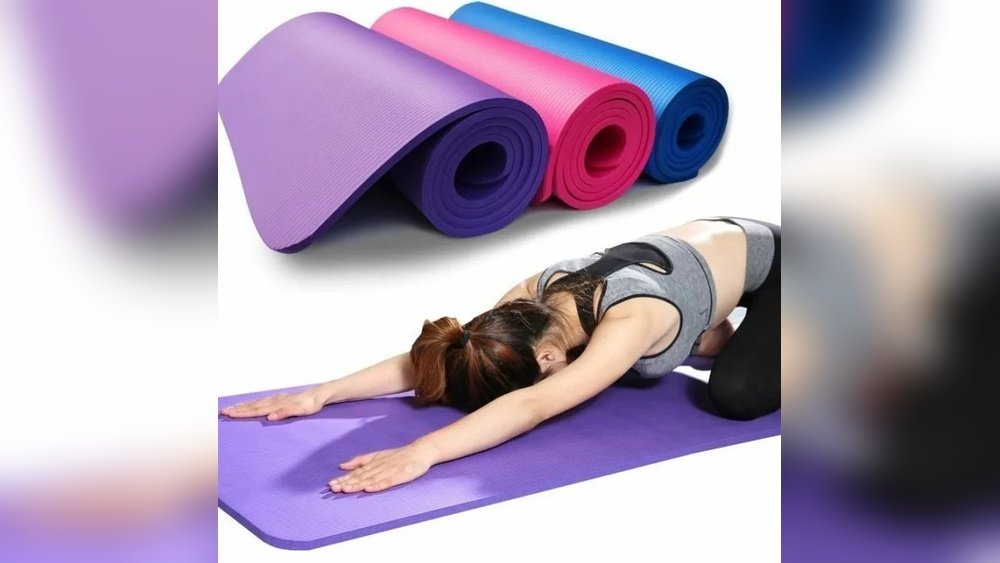
Yoga is more popular than ever, with people of all ages and backgrounds practicing for health, stress relief, and flexibility. But if you’ve spent time in a yoga class, you know not all mats feel the same. Some are thin and light; others are thick and cushiony. So, what is the best thickness for a yoga mat? The answer depends on your needs, practice style, and comfort. Choosing the right thickness can make your yoga sessions safer and more enjoyable.
Let’s break down what thickness means for yoga mats, how it affects your body, the pros and cons of different options, and how to pick the right one for you.
Why Yoga Mat Thickness Matters
The thickness of your yoga mat isn’t just about comfort. It affects your balance, joint protection, portability, and overall experience. A mat that’s too thin might leave your knees sore. A mat that’s too thick can make it hard to balance during standing poses. Many beginners don’t realize how much thickness changes the feel of yoga until they try a few mats themselves.
The Role Of Cushioning
Yoga mats act as a barrier between your body and the floor. Cushioning is essential for poses where your knees, elbows, or spine press into the ground. However, too much cushioning can make the mat feel unstable.
Stability And Balance
Yoga involves many standing poses that require a firm, stable base. Thicker mats can sometimes make balancing harder, especially during advanced poses like Tree Pose or Warrior III. A mat that is too soft may wobble under your feet.
Portability
If you travel to classes or carry your mat around, thickness impacts weight and portability. Thicker mats are usually heavier and take up more space, which can be inconvenient.
Standard Yoga Mat Thickness Options
Most yoga mats fall into three main thickness categories. Here’s a look at the most common sizes and what they offer.
| Thickness | Millimeters (mm) | Inches (in) | Typical Use |
|---|---|---|---|
| Thin | 1-3 mm | 0.04-0.12 in | Travel, advanced practice |
| Standard | 4-5 mm | 0.16-0.20 in | Everyday, all levels |
| Thick | 6+ mm | 0.24+ in | Pilates, joint support, restorative yoga |
Thin Yoga Mats (1-3 Mm)
Thin mats are usually 1 to 3 millimeters thick. They are lightweight and easy to carry. Many yoga travelers or people with advanced balance skills prefer them.
Benefits:
- Easy to transport: Light and rolls up small.
- Better floor connection: You feel grounded and stable during standing poses.
- Affordable: Usually less expensive.
Drawbacks:
- Less cushion: Not ideal for people with sensitive joints.
- Wears out faster: Thinner mats may tear or compress more quickly.
Best for: Experienced yogis, travelers, hot yoga classes, or people who want to feel the ground.
Standard Yoga Mats (4-5 Mm)
Most classic yoga mats are 4 to 5 millimeters thick. This size offers a balance between comfort and stability.
Benefits:
- Good joint support: Enough cushion for most people.
- Stable surface: Not too soft, so balancing is easier.
- Versatile: Suitable for most yoga styles.
Drawbacks:
- Heavier than thin mats: Can be less portable.
- Not enough for some injuries: People with chronic joint pain may need more cushion.
Best for: Beginners, intermediate practitioners, and anyone doing a mix of yoga styles.
Thick Yoga Mats (6+ Mm)
Thick mats are 6 millimeters or more. They provide extra cushioning, which can be great for certain needs.
Benefits:
- Excellent for joints: Soft on knees, hips, and elbows.
- Warmth: Insulates from cold floors.
- Good for floor exercises: Also popular for Pilates or stretching.
Drawbacks:
- Less stability: Harder to balance during standing poses.
- Bulky: Heavier and harder to carry.
- Can be more expensive: Premium thick mats cost more.
Best for: People with joint pain, restorative yoga, Pilates, and anyone practicing on hard or cold floors.
How To Choose The Best Thickness For Your Yoga Mat
Picking the right mat thickness depends on several personal factors. Here’s what to consider before you buy.
Your Yoga Style
Different yoga styles need different levels of support.
- Vinyasa and Power Yoga: These fast-paced styles benefit from standard or thin mats for stability.
- Restorative or Yin Yoga: A thicker mat provides more comfort during long holds.
- Hot Yoga: Thinner mats dry faster and are easier to clean.
Your Body And Joints
If you have sensitive knees, wrists, or back, a thicker mat can prevent pain. People with healthy joints or those who prefer a firmer base may be happy with a standard mat.
Where You Practice
The surface you practice on changes the feel of your mat.
- Carpeted floor: A thin mat may be enough, since the carpet provides extra cushion.
- Hardwood or tile: Thicker mats protect you from the hard surface.
- Outdoors: Extra thickness helps with uneven ground.
Portability Needs
If you walk or travel to yoga, a thin mat is easier to carry. For home use, a thicker mat might be fine since you don’t need to move it often.
Budget
Thicker, high-quality mats often cost more. Think about how much you want to invest.

Credit: www.diyogi.com
Comparison: Thin Vs. Standard Vs. Thick Mats
A direct comparison can make your choice clearer.
| Feature | Thin (1-3 mm) | Standard (4-5 mm) | Thick (6+ mm) |
|---|---|---|---|
| Portability | Excellent | Good | Poor |
| Cushioning | Poor | Moderate | Excellent |
| Stability for Balance | Best | Good | Poor |
| Durability | Fair | Good | Good |
| Suitability for Sensitive Joints | Poor | Good | Best |
Non-obvious Insights Most Beginners Miss
- Thickness changes over time. Many mats compress after several months of use. What starts as a thick mat can become much thinner, especially with budget or foam mats. Always check reviews for how mats hold their shape over time.
- Not all thickness is equal. The material matters as much as the measurement. For example, natural rubber mats often feel firmer than foam mats of the same thickness. Firmer mats can support joints better, even if they’re thinner.
Material Matters: Thickness Isn’t Everything
The type of material used in the mat affects both feel and durability.
Common Mat Materials
- PVC (Polyvinyl Chloride): Cheap, durable, but not eco-friendly.
- TPE (Thermoplastic Elastomer): Lighter, more eco-friendly, moderate price.
- Natural Rubber: Heavy, very grippy, eco-friendly, can smell at first.
- Foam: Lightweight, soft, but compresses quickly.
A 4 mm natural rubber mat can feel more supportive than a 6 mm foam mat. Always try to feel the mat before buying, if possible.
Special Cases: When To Break The Rules
Some situations call for a different approach:
- Injury or recovery: If you’re coming back from a joint injury, use a thicker mat for protection, even if balance is harder.
- Kids or elderly: Extra cushion prevents injury and adds comfort.
- Multi-use: If you want one mat for yoga, stretching, and floor workouts, a slightly thicker mat (5-6 mm) may be best.
Tips For Testing A Yoga Mat’s Thickness
Buying online makes it hard to judge mat thickness. Here’s how to check if a mat is right for you:
- If possible, visit a local store and stand or kneel on different mats.
- Press your thumb into the mat—if it squashes down easily, it may lose thickness fast.
- Borrow a mat from a friend or your yoga studio to try before you buy.
- Read online reviews that mention compression, durability, and joint comfort.
Common Mistakes When Choosing Yoga Mat Thickness
Many people make the same errors when picking a mat:
- Choosing the thickest mat by default: More cushion isn’t always better. Too much softness can affect balance.
- Ignoring material quality: A thick, cheap mat may not last long.
- Not considering your yoga style: A thick mat is not ideal for fast, flowing classes.
- Forgetting about portability: If you walk or cycle to class, a heavy mat becomes a burden.
- Not trying before buying: Online descriptions can be misleading.
What The Experts Say
Yoga instructors often recommend starting with a standard thickness (4-5 mm), then adjusting based on your experience. According to the Yoga Journal, stability and comfort are the most important factors—thickness is only one part of the equation.
Practical Examples
- Anna (Beginner, 28): Started yoga at home on a thin 2 mm mat. After a month, she noticed knee pain during poses like Tabletop and switched to a 5 mm mat. The pain disappeared, and her practice became more enjoyable.
- Mark (Traveler, 36): Loves hot yoga and travels for work. He uses a 1.5 mm travel mat, which fits in his suitcase and dries quickly after sweaty sessions.
- Sofia (Senior, 65): Does gentle yoga and stretching. She uses a thick 8 mm mat, which protects her joints and allows her to practice comfortably on her tile floor.

Credit: www.diyogi.com
How To Care For Your Yoga Mat
No matter the thickness, taking care of your mat keeps it performing well.
- Clean after use: Wipe with a damp cloth and mild soap.
- Store rolled up: Keeps the shape and prevents creases.
- Avoid direct sunlight: Especially for rubber and foam mats, which can degrade.
- Rotate use: If you practice daily, consider owning two mats to extend their life.
Frequently Asked Questions
What Is The Best Thickness For Beginners?
Most beginners are comfortable with a 4-5 mm mat. This thickness gives enough support for joints while still allowing good balance during standing poses.
Can A Mat Be Too Thick For Yoga?
Yes, a mat over 8 mm can make it harder to balance, especially during standing or balancing poses. Extra thickness is best for floor-based styles or people with joint pain.
Credit: completeunityyoga.com
Is A Thicker Mat Better For Bad Knees?
Usually, yes. A 6 mm or thicker mat can reduce pressure on knees and other joints. However, the material also matters—look for mats with dense, firm support rather than just softness.
What Is The Best Mat Thickness For Travel?
For travel, choose a 1-2 mm mat. These are lightweight, easy to pack, and designed for portability. Keep in mind they offer less cushioning.
How Does Mat Material Affect Thickness Choice?
Material affects both comfort and durability. For example, a 4 mm rubber mat can be more supportive than a 6 mm foam mat. Always check both thickness and material before buying.
Finding the best thickness for your yoga mat depends on your practice, body, and lifestyle. Don’t be afraid to experiment—sometimes, the right mat makes all the difference in your yoga journey.