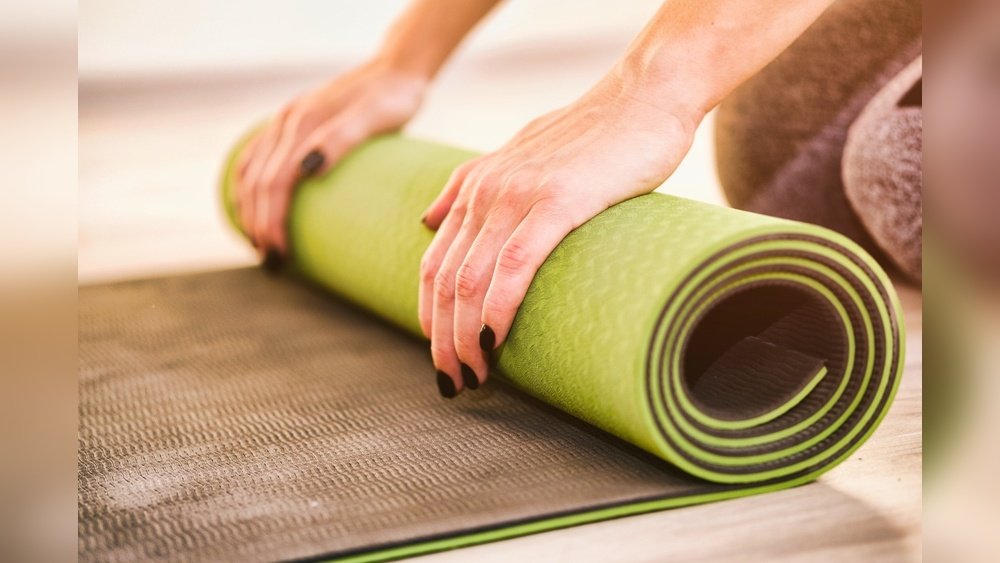
Finding the perfect yoga mat can feel confusing. Walk into any sports store or browse online, and you’ll see dozens of mats in different colors, thicknesses, and materials. But picking the right yoga mat is not just about looks or price.
The mat you choose affects your comfort, stability, and even your motivation to practice regularly. Many beginners buy a mat based only on color or cost, and later regret their decision when the mat slips or wears out quickly.
Let’s break down exactly how to pick a yoga mat that fits your body, your practice, and your lifestyle. With clear advice and useful tips, you’ll feel confident choosing a mat that supports you every day—whether you’re a total beginner or growing as a dedicated yogi.
Understanding Yoga Mat Basics
Every yoga mat is designed to give you a stable, clean surface for practicing. But not all mats are created equal. The main elements to consider are thickness, material, texture, stickiness, size, and weight. Some mats focus on grip, while others prioritize softness or portability.
If you only use your mat at home, you might want something thick and cushiony. But if you carry your mat to classes, a lighter, thinner mat may be easier. Before you decide, let’s explore what really matters.
Key Factors To Consider
1. Thickness
Mat thickness affects how much cushioning you get for your joints. Standard yoga mats are usually around 4–5 mm thick.
- Thin mats (1–3 mm) are good for travel and stability, but they give less support for knees and wrists.
- Standard mats (4–5 mm) work for most people and provide a balance between comfort and stability.
- Thick mats (6 mm or more) cushion your body well, especially in poses where your knees or elbows press into the floor.
Practical Insight
A common mistake: Many beginners think the thickest mat is always best. But extra-thick mats can make balancing poses harder, as your feet sink into the surface. If you have sensitive joints, try using a folded towel under knees with a standard mat instead.
2. Material
Yoga mats come in different materials, each with pros and cons.
- PVC (Polyvinyl chloride): Durable, sticky, and inexpensive. However, it’s not eco-friendly.
- TPE (Thermoplastic elastomer): Softer and more eco-friendly than PVC, but less durable.
- Natural rubber: Good grip, eco-friendly, but can be heavy and has a strong smell.
- Cork: Naturally antimicrobial and eco-friendly, but can be slippery when dry and heavy.
- Jute: Eco-friendly and textured, but less comfortable for long sessions.
Comparison Table: Common Yoga Mat Materials
| Material | Durability | Eco-Friendly | Grip | Weight |
|---|---|---|---|---|
| PVC | High | No | Good | Light |
| TPE | Medium | Somewhat | Medium | Light |
| Natural Rubber | High | Yes | Excellent | Heavy |
| Cork | Medium | Yes | Good (when wet) | Heavy |
| Jute | Low | Yes | Medium | Medium |
Non-obvious Insight
Some yoga studios do not allow PVC mats due to environmental concerns. If you plan to attend group classes, check with your studio first.
3. Texture
A mat’s texture affects how much you slip or slide. Some mats have a smooth, sticky surface, while others have a raised or woven pattern.
- Smooth mats: Easier to clean, but can be slippery if you sweat a lot.
- Textured mats: Offer more grip, especially in hot yoga or sweaty sessions.
Key Tip
If you have sweaty hands or practice hot yoga, a textured mat or a mat towel on top can help you stay stable.
4. Stickiness
Stickiness keeps your hands and feet from sliding, especially in poses like Downward Dog. PVC mats are known for their stickiness, but they can lose it over time if not cleaned well.
A sticky mat helps you hold poses longer and reduces the risk of injury. Always clean your mat as recommended, since sweat and dust can make any mat slippery.
5. Size
Most mats are about 68 inches (173 cm) long and 24 inches (61 cm) wide. If you’re tall (over 6 feet), look for a longer mat—often available up to 72–74 inches.
If you feel cramped or your hands and feet come off the mat during poses, try a wider or longer option.
6. Weight And Portability
Traveling to classes? Consider the mat’s weight. Lightweight mats (under 2 kg) are easy to carry, but they usually offer less cushioning. Heavier mats provide comfort but can be a burden if you walk or bike to class.
Comparison Table: Yoga Mat Weight & Use
| Mat Weight | Ideal Use | Typical Thickness | Drawback |
|---|---|---|---|
| 1–1.5 kg | Travel, outdoor yoga | 1–3 mm | Less comfort |
| 2–2.5 kg | Home, studio | 4–5 mm | Harder to transport |
| 3+ kg | Pilates, restorative yoga | 6+ mm | Very bulky |
7. Price
Yoga mats range from $10 to $150 or more. Generally, more expensive mats last longer, have better grip, and are made from eco-friendly materials. But you don’t need the most expensive mat to start.
If you’re new, a mid-range mat ($30–$60) usually gives a good balance of quality and value. Avoid very cheap mats—they often wear out in months and can be unsafe.
Hidden Cost
Don’t forget to factor in accessories like carrying straps, bags, or mat cleaners, which may not be included.
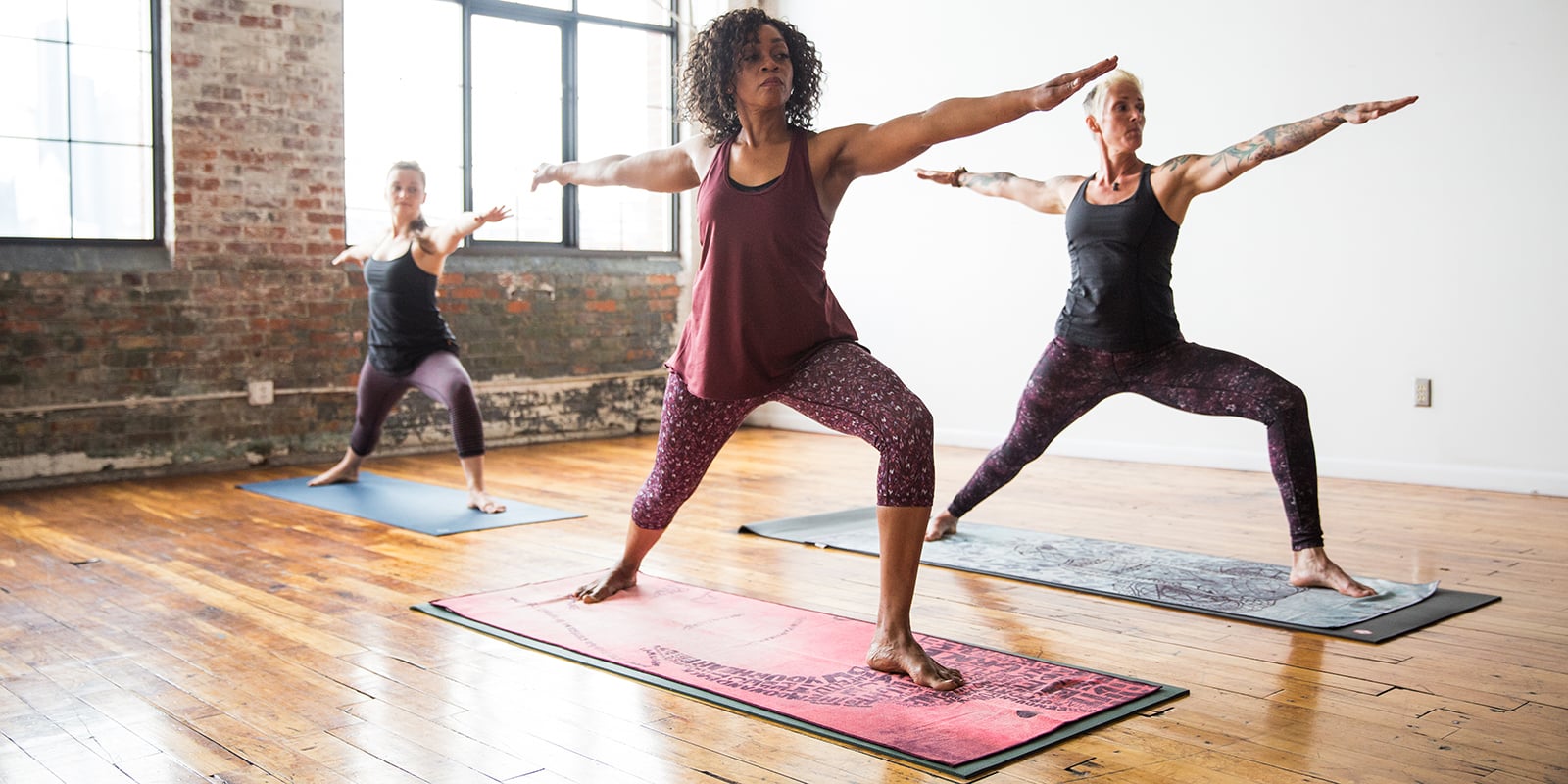
Credit: www.rei.com
Special Features And Extra Considerations
Eco-friendliness
Many yogis care about the environment. Natural rubber, cork, and jute mats are biodegradable, while PVC is not. Some companies now use recycled materials or plant-based foams.
Allergies And Sensitivities
Some mats (especially natural rubber) can trigger latex allergies. If you have sensitive skin or allergies, check the label or choose hypoallergenic materials like TPE.
Cleaning And Maintenance
A mat that’s easy to clean will last longer and stay fresh. PVC and TPE mats usually wipe clean with mild soap and water. Cork mats naturally resist bacteria but can stain with sweat. Always let your mat dry fully after cleaning to avoid odors or mold.
Style And Color
While color doesn’t affect performance, a mat in your favorite shade may help you feel happier and more motivated to practice. Some people find that patterns or alignment lines help them position their bodies correctly.
Matching Your Mat To Your Yoga Style
Different styles of yoga need different mat features. Here’s how to match your mat to your practice.
Hatha And Gentle Yoga
For slow, gentle styles, cushioning and comfort matter most. A thicker mat (5–8 mm) gives support during seated or lying poses.
Vinyasa And Power Yoga
These active practices need stability and grip. Choose a mat with a good sticky surface and medium thickness (4–5 mm) so you don’t sink or slip.
Hot Yoga And Bikram
You’ll sweat a lot, so look for a mat with excellent grip (textured surface or natural rubber) or use a mat towel. Avoid mats that become slippery when wet.
Restorative And Yin Yoga
Comfort is key, as you hold poses longer. Go for a thicker mat (6 mm or more) or layer a blanket for extra support.
Traveling
A lightweight, foldable mat (1–2 mm) fits in a suitcase or backpack. Some travel mats are machine washable, which is convenient.
How To Test A Yoga Mat Before You Buy
Buying in a store? Lay the mat on the floor and try these:
- Stand in Mountain Pose (Tadasana). Do your feet sink? Is the mat stable?
- Try Downward Dog. Do your hands slip? Is the mat long enough for you?
- Press your finger into the mat. Does it spring back, or leave a dent?
- Smell the mat. Strong chemical smells may not disappear with time.
If shopping online, read reviews and check return policies. Look for real user feedback on durability, grip, and comfort.
Common Mistakes When Choosing A Yoga Mat
Many beginners focus only on price or appearance. Here are mistakes to avoid:
- Buying too thick: Hard to balance and carry.
- Choosing the cheapest mat: Wears out quickly, poor grip.
- Ignoring allergies: Some materials trigger sensitivities.
- Forgetting about cleaning: Some mats are hard to wash or need special care.
- Wrong size: Mat too short or narrow for your body.
It’s better to wait and save for a mat you’ll use for years, instead of replacing a poor-quality mat every few months.
Caring For Your Yoga Mat
With the right care, your mat can last for years.
- Clean your mat after every few uses with a gentle cleaner.
- Never store a wet mat—always air dry.
- Roll (don’t fold) your mat to avoid creases.
- Keep your mat out of direct sunlight, which can break down materials.
Some high-quality mats come with lifetime guarantees, which can be a good investment if you practice regularly.
When To Replace Your Yoga Mat
No mat lasts forever. Replace your mat if:
- The surface becomes slippery, even when clean.
- You see cracks, tears, or pieces flaking off.
- The mat loses its shape or cushioning.
- You notice odors that don’t disappear with cleaning.
On average, a mat used three times a week lasts 1–2 years, but this varies by material and care.
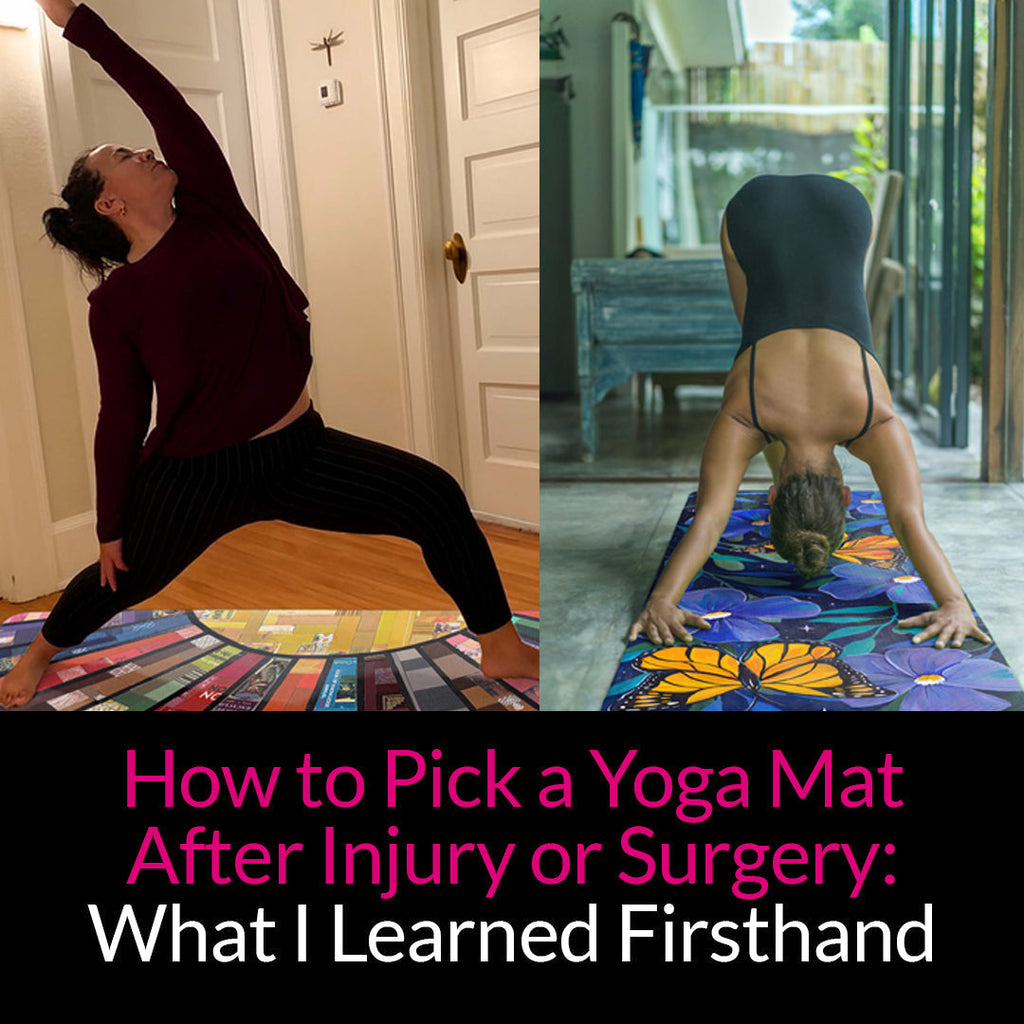
Credit: bigravenyoga.com
Where To Buy Quality Yoga Mats
You can find yoga mats at sports stores, online retailers, and even some big supermarkets. Trusted yoga brands usually cost more, but they often provide better grip, eco-friendly options, and warranties.
For more details and material comparisons, see the Wikipedia page on Yoga Mats.
Frequently Asked Questions
What Is The Best Thickness For A Yoga Mat?
Most people do well with a mat between 4–5 mm thick. This gives enough cushioning for comfort, but is thin enough for balance. If you have joint pain, a thicker mat may help, but keep in mind balance poses will be more challenging.
Can I Use A Regular Exercise Mat For Yoga?
While you can use an exercise mat, yoga mats are designed for better grip and stability during poses. Exercise mats are often too thick and soft, making balance harder and increasing the risk of slipping.
How Do I Clean My Yoga Mat?
Mix a few drops of mild soap with water and wipe your mat after use. Avoid harsh chemicals. Always let it dry fully before rolling it up. Some mats are machine washable, but check the label first.
What If My Hands Still Slip On The Mat?
Try washing your mat to remove factory coating or dust. If slipping continues, use a yoga towel on top of your mat, or look for a mat with a more textured surface.
How Long Does A Yoga Mat Last?
A quality mat lasts from 1 to 2 years with regular use. Signs you need a new mat include loss of grip, visible tears, and permanent odors, even after cleaning.
Choosing your yoga mat is a personal decision—what feels great for your friend might not suit you. Take your time, listen to your body, and invest in a mat that supports your practice. With the right mat, you’ll feel more comfortable, confident, and inspired on your yoga journey.

Credit: www.gaiam.com