Yoga is more than just stretching and breathing. The tools you use can make a real difference in how safe, comfortable, and effective your practice is. Among all yoga gear, the yoga mat is the most essential. But with so many options, sizes, and materials, choosing the right one can feel confusing—especially if you’re new to yoga. One question comes up again and again: what is the standard size yoga mat? And does this “standard” size really work for everyone?
Let’s take a deep dive into what you need to know about standard size yoga mats. We’ll look at measurements, why size matters, who the standard mat fits best, and how to choose the right mat for your own body and practice.
You’ll get data, comparisons, and answers to common questions—so you can walk into your next yoga class with total confidence.
What Is The Standard Size Of A Yoga Mat?
The standard yoga mat size around the world is 68 inches (173 cm) long and 24 inches (61 cm) wide. This size has become the default for most brands and studios. It’s the mat you’ll see stacked in gyms, for sale online, and in most yoga stores.
But why this size? The standard was set to fit the average adult. Most people between 5’3” and 5’8” (160–173 cm) can comfortably perform yoga postures on a mat of this size. It’s also a convenient size for carrying, storing, and rolling up.
Here’s a quick overview:
| Measurement | Inches | Centimeters |
|---|---|---|
| Length | 68″ | 173 cm |
| Width | 24″ | 61 cm |
| Thickness (most common) | 1/8″ (3 mm) | 0.3 cm |
Why Does Mat Size Matter?
Choosing the right mat size is not just about looks. Mat size affects your comfort, stability, and safety. Here are a few reasons why size matters:
- Space for Movement: A mat that’s too short or narrow can make it hard to stretch out, especially in poses like downward dog or warrior.
- Personal Safety: If your hands or feet slip off the mat, you risk injury.
- Class Compatibility: Studios often have limited space. Standard-sized mats fit side by side, allowing everyone room to practice.
- Portability: Larger mats are heavier and harder to carry, while standard mats are easy to roll up and take anywhere.
Beginners often forget that a mat’s size can impact both their enjoyment and their progress in yoga. It’s not just about fitting in—it’s about getting the support you need.
How Does The Standard Size Compare To Other Yoga Mat Sizes?
Not everyone fits the “average adult” mold. That’s why manufacturers offer mats in a range of sizes. Let’s see how the standard mat compares to other common options.
| Mat Size | Length | Width | Best For |
|---|---|---|---|
| Standard | 68″ | 24″ | Most adults (5’3″–5’8″) |
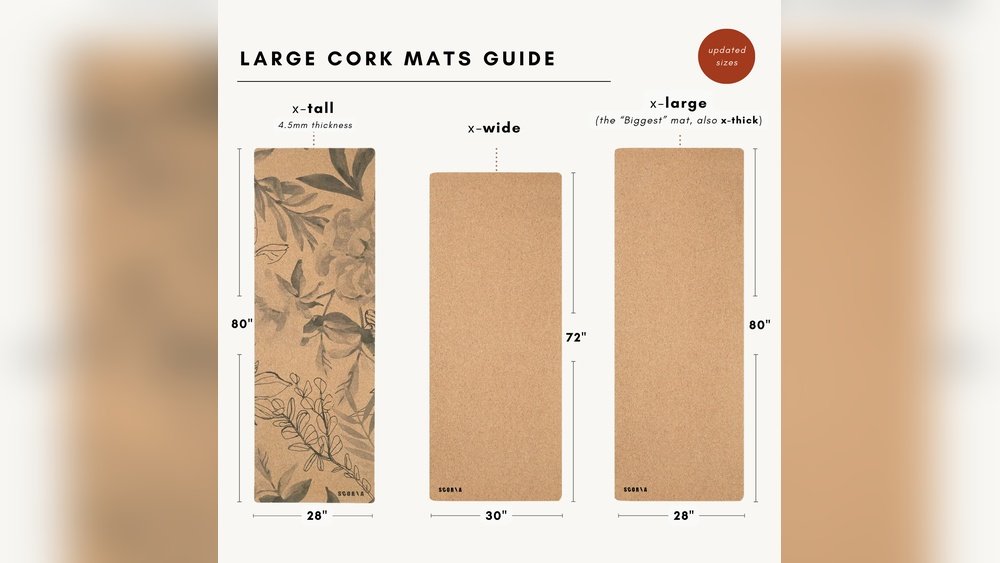
| Long | 72″–74″ | 24″–26″ | Tall people (5’9″+) |
| Extra Long | 84″ | 24″–26″ | Very tall users (6’+) |
| Wide | 68″–74″ | 26″–36″ | People needing more space |
| Kids | 48″–60″ | 18″–20″ | Children |
As you can see, the standard 68″x24″ mat is the middle ground. If you’re taller than average, you may need a longer mat to avoid going off the edges. If you want more room for wide postures, a wider mat can help.
Thickness: The Other “size” That Matters
Many people focus only on length and width, but thickness is just as important. The standard thickness is 1/8 inch (3 mm), but mats can range from super thin (1 mm) to extra thick (1/4 inch or 6 mm).
Here’s what different thicknesses offer:
- 1–2 mm (Travel mats): Very thin, lightweight, and easy to fold. Good for travel, but less cushioning.
- 3 mm (Standard): Balance of comfort and stability. Most common for all levels.
- 5–6 mm (Thick): Extra cushioning for knees and joints. Heavier and less stable for balance poses.
Thicker mats protect your knees and wrists, but too much padding can make you feel unstable in standing poses. Beginners sometimes think “thicker is always better,” but for most people, the standard 3 mm works well.
Who Should Use A Standard Size Yoga Mat?
The standard mat is designed to fit the average adult. If you’re between 5’3” and 5’8” (160–173 cm), you’ll probably find the standard mat comfortable for most yoga poses. It’s also the size used in most group classes, so you’ll fit right in.
But the standard mat is not “one size fits all. ” If you’re taller, broader, or just want more space, you may feel cramped. Kids and very petite adults might find the standard mat too large.
You should consider standard size if:
- You’re in the average height range
- You practice in studios or group classes
- You want a mat that’s easy to carry and store
When Should You Choose A Different Size?
Taller Yogis: If you’re over 5’8” (173 cm), your head or feet may come off the mat in poses like savasana. Look for mats 72″ or longer.
People with Broad Shoulders: If you need extra width for comfort or stability, choose mats that are 26″ or wider.
Travelers: Travel mats are thinner and sometimes smaller. They’re easier to pack but give less cushioning.
Kids: Shorter, narrower mats help children stay centered and balanced.

Credit: www.wavaryoga.com
Material And Texture: Does It Affect Size?
Yoga mats come in many materials—PVC, TPE, natural rubber, jute, cork, and more. While material doesn’t directly change the size, it can affect how the mat feels and handles.
For example:
- PVC mats are usually standard size, affordable, and durable.
- Natural rubber mats may be heavier, especially in larger sizes.
- Cork and jute mats sometimes come in eco-friendly, custom sizes.
Texture can also affect your experience. Some mats have a sticky surface, others feel smooth. A sticky mat helps prevent slipping, which is especially important if your mat is on the small side.
Real-world Examples: Mat Size In Action
Imagine a yoga student who is 6’2” (188 cm). On a standard mat, their feet or head will hang off in savasana and downward dog. They’ll be more comfortable on a mat that’s at least 74″ long.
On the other hand, a petite person (5’0”, 152 cm) may find the standard mat more than enough. They’ll have room to move without slipping off, and won’t feel lost on a too-big mat.
Studios often provide standard mats, but advanced practitioners or teachers may bring their own—sometimes larger or wider for more comfort during long practice.

Credit: montableau.fr
Common Mistakes When Choosing A Yoga Mat
Many beginners buy the first mat they see, or focus only on color and price. Here are some mistakes to avoid:
- Ignoring Your Height: If you’re tall, a standard mat may be too short.
- Overlooking Width: If you want more space for movement, look for a wider mat.
- Choosing Only for Thickness: Too much padding can make balancing difficult.
- Not Testing Grip: Slippery mats can cause injuries.
- Buying Based on Looks Only: A pretty mat that doesn’t fit your body won’t help your practice.
It’s best to try different mats if you can. Stand, stretch, and move on them before you buy.
Factors To Consider When Buying A Yoga Mat
Choosing the right mat isn’t only about size. Think about your personal needs:
- Body Size: Are you tall, short, or broad-shouldered?
- Type of Yoga: For hot yoga, grip is important. For gentle yoga, comfort matters.
- Portability: Will you carry your mat to class?
- Allergies: Some people react to latex or rubber.
- Budget: High-quality mats cost more, but last longer.
Don’t be afraid to invest in a mat that fits you. It’s your personal foundation for every practice.
Standard Size Yoga Mats: Pros And Cons
Like any product, the standard size mat has strengths and weaknesses.
Pros:
- Fits most people comfortably
- Easy to find, affordable, and widely available
- Fits neatly in yoga studios and crowded classes
- Lightweight and portable
Cons:
- Too short for tall users
- May feel narrow for wide movements
- Not always the best for joint support (if thin)
Knowing both sides helps you make a smart choice.
Yoga Mat Sizes: A Quick Reference Chart
To summarize all the data, here’s a reference chart you can use:
| Mat Category | Length | Width | Who Needs It |
|---|---|---|---|
| Standard | 68″ | 24″ | Most adults (5’3″–5’8″) |
| Long | 72″–74″ | 24″–26″ | Tall users (5’9″+) |
| Wide | 68″–74″ | 26″–36″ | People needing more space |
| Travel | 68″ | 24″ | Anyone needing portability |
| Kids | 48″–60″ | 18″–20″ | Children |

Credit: www.mowinyoga.com
Expert Tips For Choosing The Right Mat Size
- Measure Your Height: Your mat should be at least 6 inches (15 cm) longer than your height.
- Think About Practice Style: Vinyasa and Ashtanga need more space; gentle yoga can work on smaller mats.
- Test Before Buying: If possible, try different sizes in person.
- Consider Storage: Standard mats fit most bags and racks.
- Look for Return Policies: If you buy online, make sure you can exchange if the size isn’t right.
A non-obvious tip: Remember your mat may shrink a little with use and washing. Choose a size with a little extra room if you’re unsure.
The Environmental Side Of Yoga Mat Sizes
Many eco-friendly mats come in standard sizes, but there are exceptions. Sustainable brands sometimes offer custom lengths or widths, but they may cost more. If environmental impact matters to you, look for mats made of natural rubber, cork, or jute, and check the company’s practices.
For more on the history and development of yoga mats, you can visit the Wikipedia page on yoga mats.
Frequently Asked Questions
What Is The Standard Size For A Yoga Mat?
The most common standard size is 68 inches long by 24 inches wide (173 x 61 cm). This fits most adults and is used in studios around the world.
Is A Longer Or Wider Mat Better For Beginners?
Not always. Standard size mats are usually fine for beginners, unless you are much taller or broader than average. Focus on comfort, grip, and stability as well as size.
How Thick Should My Yoga Mat Be?
The standard thickness is 3 mm (1/8 inch). Thicker mats (5–6 mm) give more cushioning for joints, but may make balancing harder. Thin mats (1–2 mm) are for travel.
Can I Use A Standard Yoga Mat For Pilates Or Other Workouts?
Yes, but some Pilates exercises need more room or cushioning. For floor-based workouts, a thicker or larger mat can be more comfortable.
How Do I Clean And Store A Standard Yoga Mat?
Wipe your mat with a gentle cleaner after each use. Roll it up (not fold) to avoid creases. Store in a cool, dry place away from sunlight to prevent damage.
A yoga mat is more than just a surface—it’s your space for growth, relaxation, and self-care. Choosing the right standard size yoga mat will help you feel supported and confident every time you step onto the mat. With the right fit, you can focus on your practice—not your equipment.