
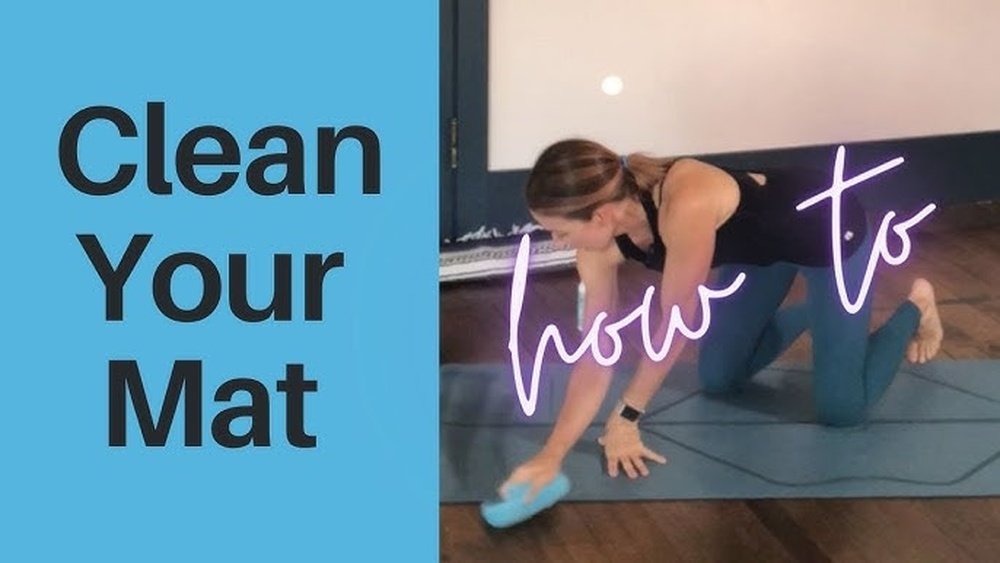
Keeping your yoga mat clean is more important than many people realize. After a few sweaty sessions, a rubber yoga mat can collect dirt, sweat, oils, and even bacteria. If you ignore regular cleaning, the mat might start to smell or lose its grip.
Worse, it can become a breeding ground for germs, which is not what you want when you’re trying to focus on your health and well-being. Many beginners don’t know the right way to clean a rubber yoga mat and often make mistakes that can damage the material.
This guide will show you, step by step, how to clean a rubber yoga mat safely and effectively, while also sharing tips that even experienced yogis sometimes miss.
Why It’s Important To Clean Your Rubber Yoga Mat
A yoga mat is more than just exercise equipment—it’s where you stretch, sweat, and sometimes even rest your face. Over time, bacteria, fungus, and unpleasant odors can build up on the surface, especially if you practice regularly. According to a study by the University of Arizona, gym equipment can carry more bacteria than a toilet seat. Your mat is no different. Cleaning it not only keeps it smelling fresh, but it also helps protect your skin from possible infections.
Another key reason to clean is mat longevity. Sweat and oils can slowly break down rubber, making your mat wear out faster. With proper care, a quality rubber mat can last several years.
What You Need Before Cleaning
Cleaning a rubber yoga mat doesn’t require fancy products, but having the right supplies helps. Here’s what you’ll need for a basic clean:
- Soft microfiber cloth or sponge
- Spray bottle
- Mild soap (like dish soap or castile soap)
- Water (preferably lukewarm)
- White vinegar (optional for deeper cleaning)
- Clean towel
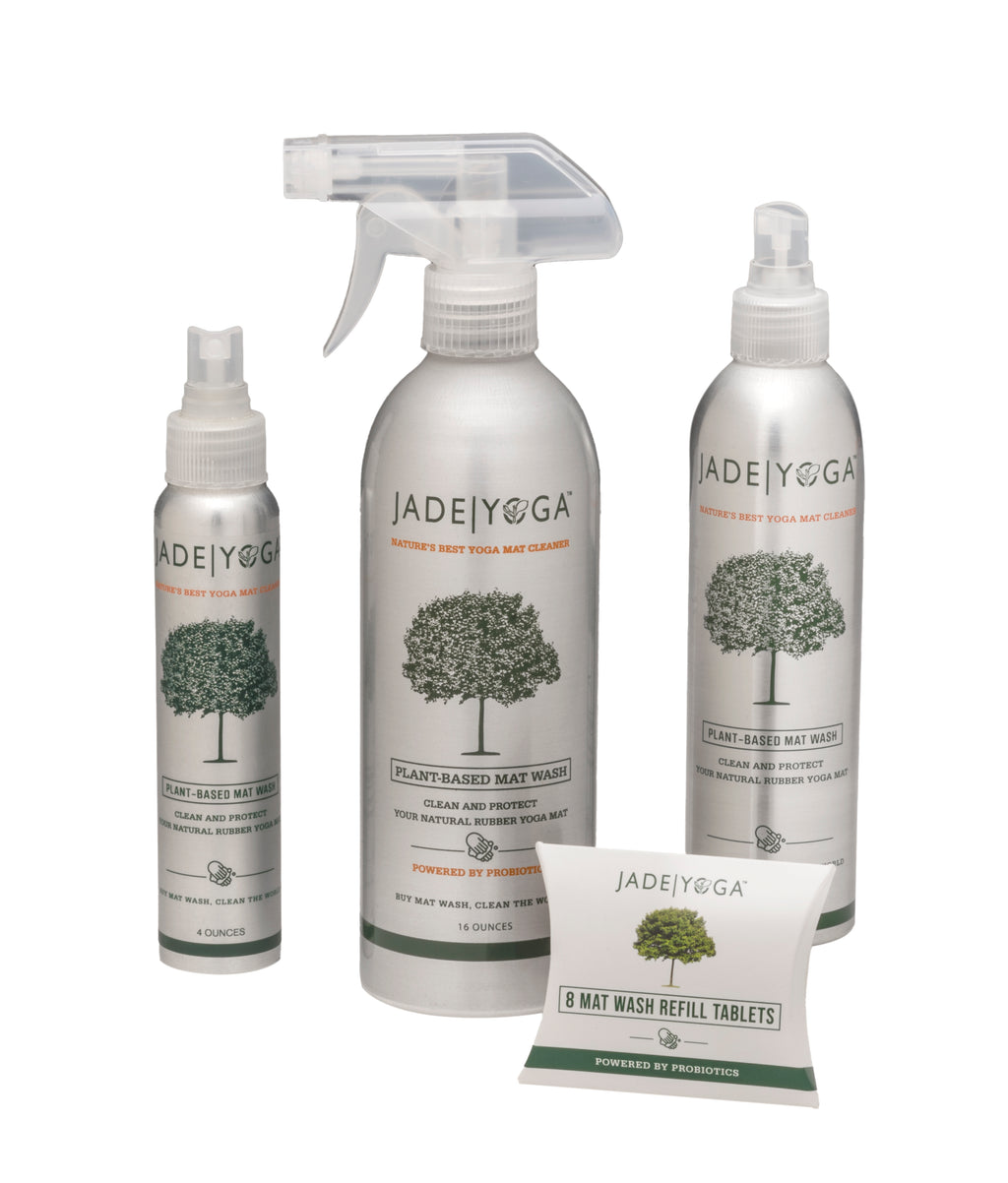
- Rubber-safe yoga mat cleaner (optional)
Avoid harsh chemicals like bleach or alcohol, as these can break down the mat’s surface. Many beginners use household cleaners that are too strong and end up damaging their mats.

Credit: www.instructables.com
The Right Way To Clean A Rubber Yoga Mat
1. Prepare Your Cleaning Solution
For daily or weekly cleaning, a simple mix works best. Combine a few drops of mild soap with about two cups of water in a spray bottle. If you want extra germ-fighting power, add one tablespoon of white vinegar. Vinegar is a natural disinfectant but won’t harm rubber if used in small amounts.
2. Wipe Down The Mat
Lay your mat flat on a clean surface. Spray the cleaning solution lightly across the mat, then wipe it down with a soft microfiber cloth or sponge. Focus on areas where your hands and feet usually go, as these collect the most dirt and sweat. Don’t soak the mat—excess water can seep inside and cause mold.
3. Remove Stubborn Stains
If you notice spots that won’t come off with regular wiping, try gently scrubbing with a soft brush or a slightly rougher side of your sponge. Avoid using too much pressure, as this can damage the rubber. For tough stains, a paste made from baking soda and water can help, but rinse well to avoid residue.
4. Rinse (if Needed)
Most mats don’t need rinsing after a light clean, but if you used a lot of soap or vinegar, wipe again with a damp cloth and plain water. This will remove any leftover cleaning solution.
5. Dry The Mat Properly
Never roll up your mat while it’s damp. Use a clean towel to blot away extra moisture, then hang it or lay it flat in a well-ventilated area. Avoid direct sunlight, as this can make the rubber brittle or faded.
6. Deep Cleaning (once A Month)
Every 3–4 weeks, give your mat a deeper clean. Mix a bit more soap with water and let the solution sit on the mat for a few minutes before wiping. This helps dissolve oils and grime that regular wiping might miss.
For extra disinfecting, use a yoga mat spray designed for rubber mats.
Mistakes To Avoid When Cleaning Rubber Yoga Mats
Many people ruin their mats by using the wrong products or methods. Here are the most common mistakes:
- Using harsh chemicals: Never use bleach, alcohol, or any cleaner with strong solvents. These can strip away the mat’s protective surface.
- Soaking the mat: Rubber can absorb water, leading to mold or a slippery surface.
- Scrubbing too hard: Aggressive scrubbing can create micro-tears in the rubber, making it wear out faster.
- Drying in direct sunlight: UV rays can damage rubber and cause it to crack or fade.
- Rolling up a wet mat: This can trap moisture and create a musty smell.
Credit: jadeyoga.com
How Often Should You Clean Your Yoga Mat?
How often you clean your mat depends on your practice habits. If you practice daily or attend hot yoga, wipe your mat after every use. For light home use, once a week is usually enough. Deep cleaning can be done every month, or more often if you notice odors or stains.
Here’s a quick comparison of cleaning frequency based on usage:
| Usage Frequency | Light Clean | Deep Clean |
|---|---|---|
| Daily (Hot Yoga) | After Each Use | Every 2 Weeks |
| 3–4 Times a Week | Weekly | Monthly |
| 1–2 Times a Week | Every 2 Weeks | Every 2 Months |
Choosing The Right Cleaning Products
There are many yoga mat cleaners on the market, but not all are suitable for rubber mats. Here’s what to look for:
- PH-neutral: Avoid acidic or alkaline products that can break down rubber.
- No essential oils: Some oils (like tea tree or eucalyptus) can degrade rubber, even though they smell nice.
- No alcohol or bleach: These are too harsh and can dry out the rubber.
If you want to buy a ready-made cleaner, choose one that specifically says it’s safe for rubber yoga mats.
Here’s a simple product comparison to help you decide:
| Product Type | Safe for Rubber? | Example | Notes |
|---|---|---|---|
| Mild Dish Soap + Water | Yes | Homemade | Cheap, effective, easy |
| Yoga Mat Cleaner Spray | Check label | Manduka Mat Wash | Some contain oils |
| Alcohol-based Cleaner | No | Generic Disinfectant | Can dry out rubber |
| Bleach Solution | No | Household Bleach | Damages material |
Drying And Storing Your Mat
Drying your mat is just as important as cleaning it. After cleaning, always hang or drape your mat over a shower rod, chair, or balcony railing. Make sure both sides are exposed to air. Don’t leave it in the sun for long periods.
Once the mat is fully dry, roll it up loosely and store it in a cool, dry spot. Avoid leaving it in your car or near heaters, as heat can warp or damage the rubber.
Practical Tips For Keeping Your Rubber Yoga Mat Clean
- Wash your hands and feet before practice: This reduces the amount of dirt and oil transferred to the mat.
- Use a mat towel: During hot yoga or intense sessions, a towel absorbs sweat, keeping the mat cleaner.
- Always air out after use: Even if you don’t clean it every time, unroll your mat to let moisture escape.
- Rotate your mat: Alternate which side you use to let each side rest and dry properly.
- Check for wear: Small cracks or sticky spots can signal it’s time for extra care or even a new mat.
Many people forget that body lotions and oily moisturizers can transfer to the mat, making it slippery and harder to clean. Try to avoid using skin products before practice.
Common Myths About Cleaning Rubber Yoga Mats
A lot of advice online about cleaning yoga mats is generic and sometimes wrong for rubber mats. Here are a few myths to avoid:
- Myth: Vinegar is always safe. While vinegar is good in small amounts, using too much or too often can slowly damage rubber.
- Myth: Essential oils are good cleaners. Many essential oils can actually break down rubber over time.
- Myth: Washing machines are okay. Never put a rubber mat in a washing machine—the agitation and water can ruin it.
When To Replace Your Rubber Yoga Mat
Even with the best care, every mat wears out eventually. Here are signs it’s time for a new one:
- The mat feels thin or uneven in spots.
- It has a strong smell that won’t go away even after cleaning.
- The surface is sticky or slippery, even when dry.
- Deep cracks or tears are visible.
A well-cared-for rubber mat should last 1–3 years, depending on usage and quality.

Credit: www.mowinyoga.com
Environmentally Friendly Cleaning Options
If you want to keep your cleaning routine green, try using biodegradable soaps and reusable cloths. Some brands offer eco-friendly yoga mat sprays. Always rinse well to avoid leaving residues that could harm the environment.
Many rubber yoga mats are made from natural rubber, which is biodegradable, so proper cleaning also helps them break down safely when it’s finally time to dispose of them.
Frequently Asked Questions
How Can I Remove Bad Smells From My Rubber Yoga Mat?
If your mat smells even after cleaning, let it air out for several hours in a shady, breezy spot. You can sprinkle a bit of baking soda on the surface, let it sit for 15 minutes, then wipe clean. Avoid using strong perfumes, as these can damage the rubber.
Can I Use Baby Wipes To Clean My Mat After Class?
Most baby wipes contain moisturizers or fragrances that can leave a film on your mat. It’s better to use a damp cloth with a mild soap solution. If you must use wipes, choose unscented, alcohol-free types and rinse the mat later.
What If My Mat Gets Moldy?
If you see mold spots, clean the mat immediately with a vinegar and water solution (1:4 ratio). Scrub gently and let it dry completely. Mold is often a sign of improper drying, so always air out your mat after use.
Are There Any Commercial Cleaners You Recommend?
Look for cleaners labeled “safe for rubber yoga mats.” Brands like Manduka and Gaiam have mat sprays designed for natural rubber. Always check ingredients for alcohol or essential oils before buying. For more detailed information, visit the Healthline guide.
Can I Use The Same Cleaning Method For Foam Or Pvc Mats?
No. Rubber mats need gentler care. Foam and PVC mats can sometimes handle stronger cleaners or even machine washing, but rubber is more sensitive. Always check the manufacturer’s guidelines for your specific mat material.
A clean yoga mat doesn’t just look better—it helps you practice better. By following these steps, you’ll keep your rubber yoga mat in top condition, avoid common mistakes, and enjoy a healthier, more pleasant yoga practice every time. Remember, a little regular care saves you money in the long run and makes every session safer and more enjoyable.