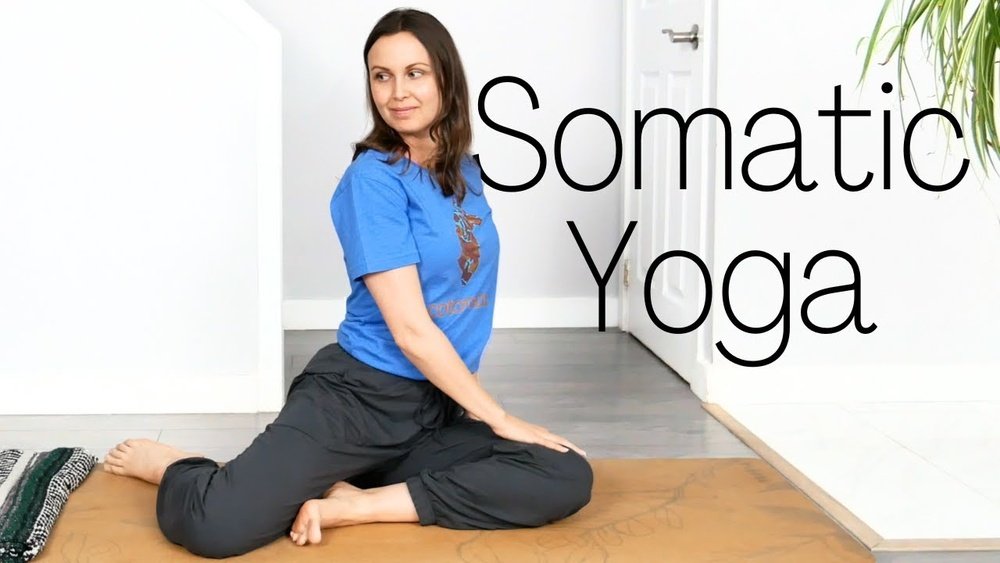
Are you curious about a way to move that feels deeply natural and healing? Somatic Yoga might be just what you need.
Unlike traditional yoga, which often focuses on perfecting poses and pushing your limits, Somatic Yoga invites you to slow down and tune into your body’s inner signals. It’s about feeling every movement from the inside out and discovering what your body truly needs.
If you want to reduce tension, improve your mind-body connection, and move with more ease and awareness, keep reading. This gentle, mindful practice could transform how you experience your body every day.

Credit: crumpwellness.com
Somatic Yoga Basics
Somatic Yoga Basics introduce a gentle, mindful way to connect with your body. This practice focuses on feeling and sensing internal movements rather than perfecting external poses. It helps improve body awareness, reduce tension, and enhance relaxation.
Somatic Yoga moves slowly and encourages deep breathing. Each movement is small and intentional. This approach allows you to explore your body’s sensations safely and comfortably.
Core Concepts
Somatic Yoga centers on awareness of the body’s internal experience. It uses gentle, mindful movements to release deep muscle tension. The practice includes slow stretches, rocking, and spiraling motions.
Breath plays a key role in connecting mind and body. Movements are often repeated to help retrain the nervous system. The goal is to restore natural ease and balance.
This yoga form encourages listening to your body’s signals. You learn to notice subtle sensations and adjust your movements. This process promotes healing and reduces chronic pain.
How It Differs From Traditional Yoga
Traditional yoga often focuses on holding poses and building strength. Somatic Yoga emphasizes internal sensing over external form. It moves at a slower pace, with more pauses for awareness.
Unlike traditional styles, it is not about achieving perfect alignment. It avoids forcing the body into challenging postures. Instead, it respects your current physical limits.
Somatic Yoga is deeply therapeutic and personalized. It helps re-educate muscles and improve movement patterns. This makes it ideal for those recovering from injury or managing pain.
Movement And Techniques
Somatic Yoga focuses on gentle, mindful movement that connects the body and mind. This practice uses slow, deliberate motions to increase body awareness. Each movement aims to release tension and improve flexibility through conscious control. Techniques emphasize sensing internal sensations rather than pushing to achieve perfect postures. The approach encourages relaxation and healing by tuning into how the body feels during every motion.
The movements and techniques in Somatic Yoga differ from traditional yoga. Instead of holding static poses, it encourages continuous, fluid motion. Breath and mindfulness are key components. Together, they guide practitioners to explore their body’s natural range of motion safely. This makes Somatic Yoga accessible to people of all ages and abilities.
Gentle Fluid Movements
Movements in Somatic Yoga are slow and smooth. They flow naturally, like gentle waves. This helps the nervous system relax and muscles release tension. Movements include light stretching, rocking, and spiraling motions. Each movement is done with awareness to avoid strain. The goal is to feel ease and comfort in every motion.
Breath Integration And Mindfulness
Breathing is deeply connected to movement in Somatic Yoga. Practitioners focus on slow, deep breaths. This calms the mind and body. Mindfulness helps track physical sensations during each movement. Paying attention to breath and feelings allows better control. This connection supports relaxation and increases body awareness.
Common Somatic Poses
Somatic Yoga uses simple poses repeated with gentle movements. These poses often include lying down or seated positions. Examples are pelvic tilts, spinal twists, and shoulder rolls. Each pose is done slowly with breath focus. Movements are small but effective for releasing tension. The practice builds a personalized flow based on individual needs.
Session Experience
A somatic yoga session offers a unique experience focused on gentle movement and deep body awareness. It moves away from fast sequences and rigid poses. Instead, it invites slow, mindful exploration of how your body feels. This approach helps you reconnect with your physical sensations and discover new ways to move with ease and comfort.
Each session is designed to create a safe, calm environment. This space encourages relaxation and inward focus. You will notice the subtle shifts in your muscles and joints as you move softly and with intention. The session experience blends movement with stillness, inviting a deeper understanding of your body’s natural rhythms.
Pace And Structure
Somatic yoga sessions move slowly and with purpose. You perform gentle movements that stretch and awaken your body. The pace allows time to sense how each part feels. Sessions often include short pauses to reflect on these sensations. The structure is flexible, often guided by how your body responds in the moment.
A typical session might start with simple movements to tune into your breath. Then, it progresses to mindful stretches and small shifts. The slow pace helps reduce tension and encourages relaxation. This structure supports body awareness rather than physical effort.
Sensory Awareness Practices
Sensory awareness is central to somatic yoga. You focus closely on the feelings inside your body. Attention is given to muscles, joints, and breath. This practice heightens your connection with physical sensations. You learn to notice areas of tightness, ease, or tension.
These sensory checks guide your movements. Instead of forcing your body into positions, you move with curiosity and care. This helps release old patterns of tension. The practice trains your mind to stay present with what your body tells you.
Meditative Elements
Meditation is woven into the somatic yoga experience. Quiet moments invite you to focus on breath and body sensations. This calm focus promotes relaxation and mental clarity. It also supports emotional balance.
The meditative parts create space to observe without judgment. You learn to accept your body as it is. This gentle awareness helps reduce stress and improve overall well-being. The session ends with a peaceful state of mind and body.

Credit: www.youtube.com
Healing And Therapeutic Benefits
Somatic yoga offers deep healing and therapeutic benefits by focusing on body awareness and gentle movement. It helps release tension and supports recovery from physical and emotional stress. This practice encourages mindful connection with the body, promoting overall wellness.
Physical Relaxation And Pain Relief
Somatic yoga uses slow, mindful movements to relax muscles. It helps reduce chronic pain by easing muscle tightness. This practice improves flexibility and joint mobility. Regular sessions can lower muscle spasms and stiffness. Many find relief from back pain, headaches, and other discomforts. It promotes natural relaxation without pushing the body too hard.
Mental And Emotional Well-being
Somatic yoga calms the nervous system and reduces stress. It encourages deep breathing and mindfulness, which soothe the mind. Practicing helps manage anxiety and boosts mood. It creates a safe space to explore emotions gently. This connection between body and mind supports emotional healing. Over time, it fosters greater self-awareness and inner peace.
Neuroplasticity And Brain Rewiring
Somatic yoga encourages brain change through gentle movement and awareness. It helps reprogram habits that cause pain or tension. The brain learns new patterns for better posture and relaxation. This process is called neuroplasticity, the brain’s ability to adapt. Somatic yoga supports healing by creating positive body-mind connections. It offers a path to long-term relief and improved function.
Applications And Uses
Somatic yoga offers practical benefits that reach beyond simple stretching. It helps connect the mind and body through gentle movement and awareness. These qualities make somatic yoga useful for various health and wellness goals. Its applications range from easing stress to supporting physical conditions and improving body movement.
Stress Reduction And Deep Relaxation
Somatic yoga helps calm the nervous system. Slow, mindful movements lower tension in muscles. This process encourages deep relaxation and mental calmness. Many find it easier to manage stress and anxiety after somatic sessions. The gentle pace invites a peaceful state, reducing the impact of daily pressures.
Support For Chronic Conditions
People with chronic pain or illness benefit from somatic yoga. The practice focuses on gentle motion, which can improve mobility without strain. It helps release muscle tightness and improve body awareness. This approach supports healing and reduces discomfort. Somatic yoga can be adapted to suit individual needs safely.
Weight Management And Movement
Somatic yoga encourages mindful movement that increases body awareness. This awareness can lead to healthier habits and better posture. Regular practice improves flexibility and balance, which supports active living. While not a high-intensity workout, it complements weight management by promoting gentle exercise and body connection.
Getting Started With Somatic Yoga
Getting started with Somatic Yoga offers a gentle path to reconnect with your body. This practice focuses on sensing and feeling rather than forcing poses. Beginners often find it calming and accessible.
Learning how to begin helps you build confidence and enjoy the full benefits. The right guidance and simple habits make your journey smooth and rewarding.
Choosing A Class Or Instructor
Select a class that matches your level and goals. Look for instructors trained in somatic movement techniques. An experienced teacher guides you safely through slow, mindful motions. Small class sizes allow personal attention. Online classes can work well if they include clear instructions and demonstrations.
Tips For Beginners
Start with short sessions to avoid overwhelm. Focus on your breath and internal feelings. Move slowly and gently, without pushing your limits. Use props like cushions or blankets for comfort. Be patient with your body’s responses. Regular practice builds awareness and reduces tension over time.
Integrating Practice Into Daily Life
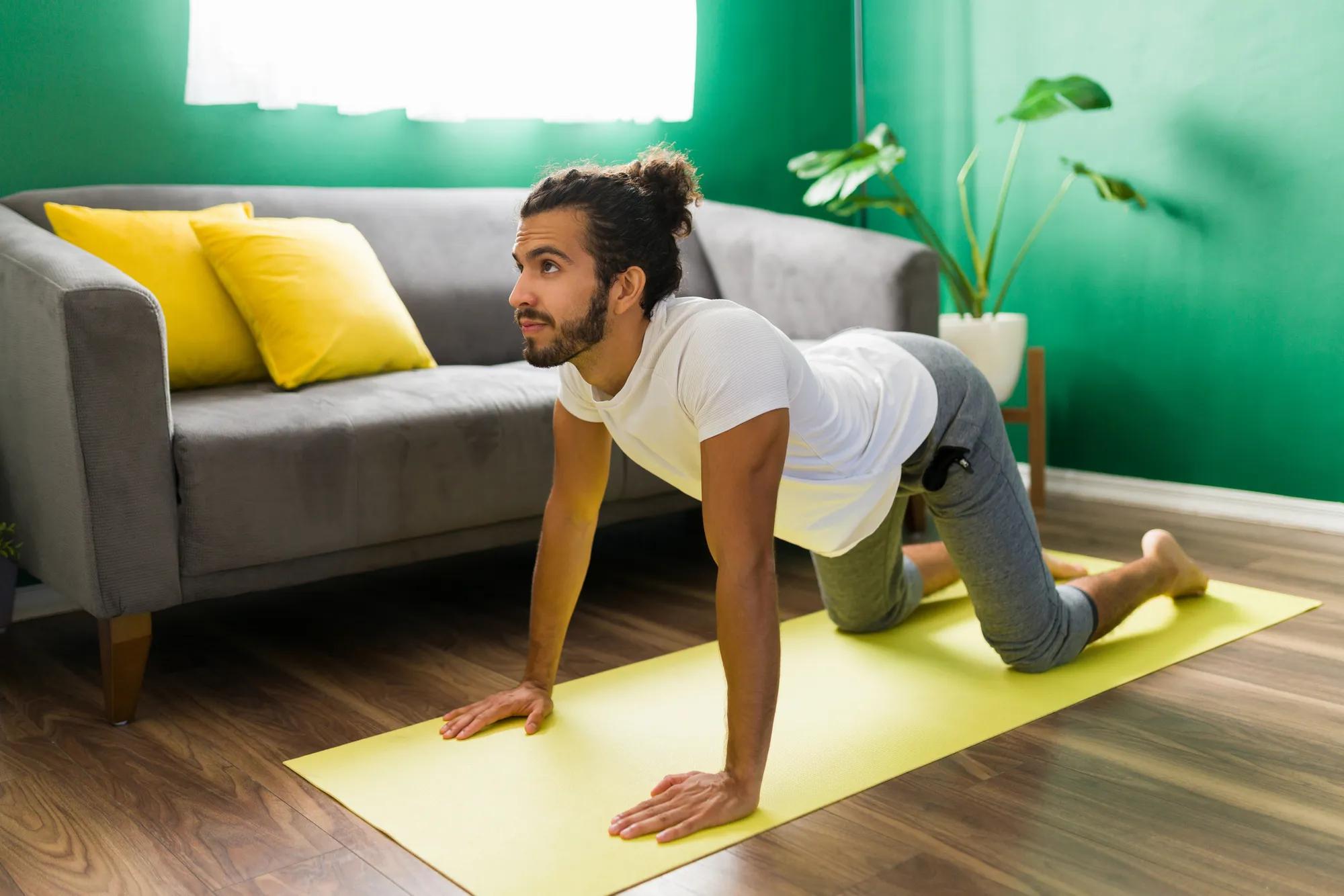
Try somatic movements during breaks at work or home. Simple stretches and mindful breathing improve posture and calm your mind. Tune in to your body’s signals throughout the day. This awareness helps prevent stress and injury. Even a few minutes daily can make a difference in your well-being.
Credit: health.clevelandclinic.org
Frequently Asked Questions
What Is The Difference Between Yoga And Somatic Yoga?
Yoga focuses on physical postures and breath control, while somatic yoga emphasizes internal body awareness and gentle, mindful movements. Somatic yoga uses slow, therapeutic exercises to release tension and improve mind-body connection, rather than achieving traditional yoga poses.
Can You Lose Weight With Somatic Yoga?
Somatic yoga promotes body awareness and relaxation but does not directly cause significant weight loss. It supports mindful movement and stress reduction.
What Are Somatic Yoga Exercises?
Somatic yoga exercises involve slow, mindful movements focusing on internal sensations and breath. They use gentle stretches, pauses, and repetitions to enhance body awareness and relieve tension.
What Are The Top 3 Somatic Exercises?
The top 3 somatic exercises are slow spinal undulations, pelvic rocking, and gentle diaphragmatic breathing. These enhance body awareness and relieve tension.
Conclusion
Somatic yoga helps you connect deeply with your body and mind. It uses slow, gentle movements to reduce tension and stress. This practice encourages awareness of how your body feels in each moment. Many find it calming and healing for both body and mind.
Try somatic yoga to experience a softer, mindful way to move. It supports relaxation and improves overall well-being naturally. Give your body time to listen and respond with care. Somatic yoga offers a gentle path to greater comfort and ease.