
Have you ever wondered what it truly means to connect with something bigger than yourself? Bhakti Yoga offers a powerful way to open your heart through love and devotion.
It’s not just about physical poses or meditation; it’s about building a deep, emotional bond with the divine presence in your life. Whether you’re seeking inner peace, a sense of purpose, or a way to express your love, Bhakti Yoga can transform your experience.
Ready to discover how this ancient practice can bring more joy and meaning into your life? Keep reading to unlock the secrets of Bhakti Yoga and find out why so many people around the world are drawn to this path of devotion.
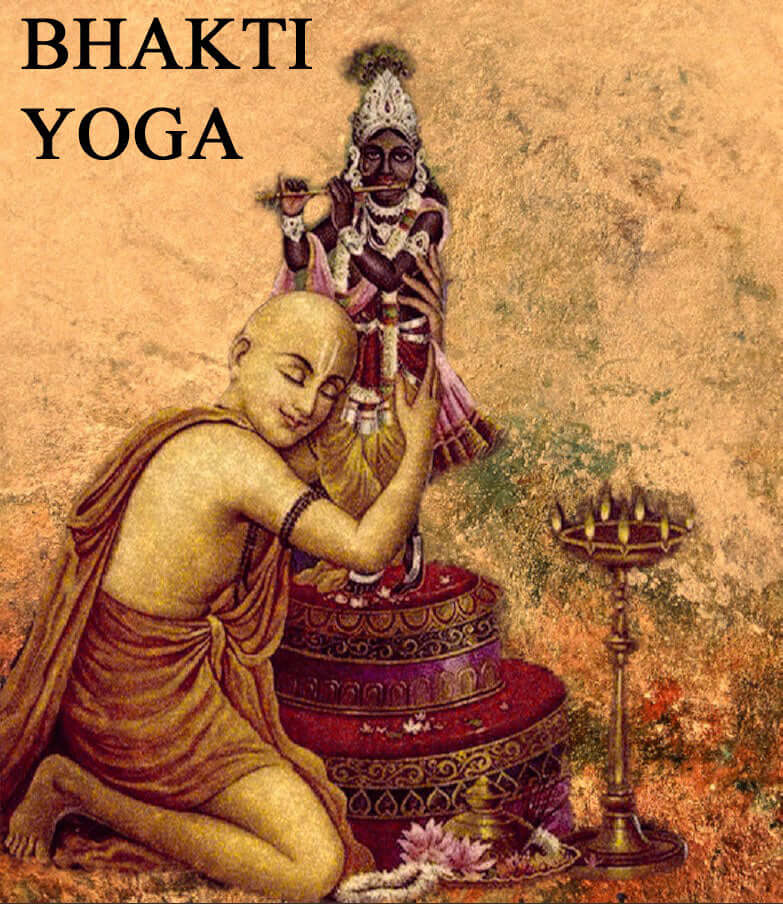
Credit: www.damakdam.com
Bhakti Yoga Basics
Bhakti Yoga Basics introduce a simple yet powerful spiritual path. It focuses on love and devotion toward the Divine. This yoga form encourages deep emotional connection and surrender. Anyone can practice Bhakti Yoga, regardless of their background or beliefs.
Meaning And Origins
Bhakti means devotion or love in Sanskrit. Bhakti Yoga comes from ancient Indian traditions. It is one of the main paths in Hindu philosophy for spiritual growth. The practice centers on loving God or a higher power fully and selflessly. The origins trace back thousands of years, with roots in Vedic scriptures and the Bhagavad Gita.
Core Principles
- Unconditional love: Devotees show pure love to the Divine.
- Surrender: Letting go of ego and personal desires.
- Faith: Trusting the Divine’s guidance and wisdom.
- Service: Serving others as service to God.
- Devotion: Daily acts of worship, prayer, and remembrance.
- No exclusivity: Love can be directed toward any form of God.
Devotion In Different Traditions
Devotion takes many forms across cultures and religions. In Hinduism, it includes singing kirtans and chanting mantras. Christians express devotion through prayer and hymns. Islam focuses on heartfelt worship and submission to Allah. Each tradition values deep love and connection to the Divine. Bhakti Yoga respects all these devotional expressions as valid paths.
Forms Of Bhakti
Bhakti Yoga is a path of devotion focused on loving and serving the Divine. It expresses itself through different forms, each shaping how a devotee connects with God. These forms guide the heart and mind toward deep spiritual practice. Understanding these forms helps to appreciate Bhakti Yoga’s rich tradition and personal meaning.
Shravana And Kirtana
Shravana means listening to stories and teachings about God. It helps deepen faith and understanding. Kirtana involves singing or chanting the names of God. This joyful practice awakens love and devotion. Both forms bring the devotee closer to the divine presence through sound and word.
Smarana And Padaseva
Smarana is remembering God constantly in everyday life. It keeps the mind focused on the Divine. Padaseva means serving the feet of God or the holy. This act shows humility and respect. Together, they build a steady bond between the devotee and God.
Archana And Vandana
Archana is the ritual of worship, offering flowers, light, or food to God. It expresses reverence and gratitude. Vandana is bowing or saluting the Divine with love. These acts of respect deepen the devotee’s connection and create a sacred atmosphere.
Dasya, Sakhya, And Atmanivedana
Dasya means serving God as a loyal servant. It reflects dedication and obedience. Sakhya is treating God as a close friend, sharing joys and sorrows. Atmanivedana is complete surrender of the self to God. These forms show different ways to relate to God with love and trust.
Practices Of Bhakti Yoga
Bhakti Yoga centers on love and devotion towards the Divine. Its practices help deepen this connection. These activities guide the heart and mind to focus on spiritual love. Regular practice cultivates faith, peace, and joy.
Chanting And Singing
Chanting sacred names or hymns is a core practice in Bhakti Yoga. Singing devotional songs, known as kirtan or bhajan, creates a joyful atmosphere. It unites the community in shared love for the Divine. The repetitive sound helps calm the mind and open the heart.
Mantra Repetition
Repeating a mantra, called japa, is a simple way to stay focused. Practitioners often use beads to count each repetition. This practice keeps the mind steady and connected to the Divine. Regular mantra repetition builds inner peace and devotion.
Ritual Worship
Ritual worship, or puja, honors the Divine with offerings and prayers. It involves lighting lamps, offering flowers, and chanting prayers. These acts express love and respect. Rituals create a sacred space for meeting the Divine presence.
Mindful Remembrance
Mindful remembrance means keeping the Divine in daily thoughts. It involves seeing God in all actions and beings. This awareness strengthens devotion beyond formal practice times. Constant remembrance brings calmness and spiritual growth.
Emotional And Spiritual Benefits
Bhakti Yoga offers deep emotional and spiritual benefits. It nurtures the heart and calms the mind. Through devotion and love, practitioners experience profound inner changes. These benefits support a balanced and joyful life.
Inner Peace And Calm
Bhakti Yoga helps quiet restless thoughts. Devotion to the Divine softens emotional turmoil. This practice brings a lasting sense of peace. Regular engagement reduces stress and anxiety. The heart feels lighter and more content.
Heart-centered Connection
Bhakti Yoga builds a strong bond with the Divine. This connection fills the heart with love and compassion. It encourages kindness towards oneself and others. Devotees often feel supported and understood. This connection creates a deep sense of belonging.
Mind Purification
The practice cleanses negative thoughts and emotions. Bhakti Yoga replaces doubt with faith and hope. It sharpens focus on positive and pure intentions. This purification leads to clearer thinking and better decisions. The mind becomes steady and more peaceful.
Accessibility For Seekers
Bhakti Yoga is simple and open to all. No special skills or background are needed. Anyone can express love and devotion in their way. It suits people of all ages and beliefs. This openness makes spiritual growth easy and joyful.
Challenges On The Path
The path of Bhakti Yoga is full of deep love and devotion. Yet, it also brings many challenges that test a devotee’s heart and mind. These challenges help purify the spirit and strengthen the connection with the Divine. Understanding these hurdles is important for anyone walking this spiritual journey.
Common Misconceptions
Many people think Bhakti Yoga means just chanting or singing. They believe it is an easy path without effort. Others assume it involves blind faith or ignoring logic. These ideas miss the true meaning of Bhakti Yoga. It requires clear understanding and active participation. The path asks for love with awareness and wisdom.
Avoiding Blind Devotion
Blind devotion can lead to misunderstanding and harm. Bhakti Yoga encourages love but warns against losing one’s judgment. Devotees must keep their minds clear and open. True devotion respects both heart and mind. It grows with knowledge and sincere practice. This balance keeps the path safe and meaningful.
Sincerity And Commitment
Bhakti Yoga demands sincere feelings and steady commitment. Love for the Divine should come from the heart, not just words. Regular practice helps deepen this love. Patience is key, as progress may feel slow. Devotion grows stronger through honest effort and daily dedication. This sincerity creates a lasting bond with the Divine.

Credit: www.rudrakshahub.com
Bhakti Yoga In Daily Life
Bhakti Yoga brings the power of devotion into everyday life. It shapes how people feel, act, and connect with the world. This yoga path is about love and surrender to the Divine in daily moments. Its practices are simple yet deep, helping anyone build a steady bond with their faith and kindness.
Integrating Devotion
Devotion in Bhakti Yoga is not just for temples or special times. It fits naturally into daily routines. People can start the day with a prayer or a quiet thought of gratitude. This small act helps create a positive mindset. Devotion can also show in kindness to others and patience in hard moments. These acts make every day sacred and full of meaning.
Moment-to-moment Practice
Bhakti Yoga asks for attention to each moment with love. It means seeing the Divine in every action. Whether eating, working, or walking, one stays mindful of the inner connection. This practice turns regular tasks into spiritual offerings. It encourages staying calm and joyful, no matter what happens around.
Expressing Love Beyond Religion
Bhakti Yoga welcomes all kinds of love, not just religious forms. People can show devotion to any higher power or ideal. It teaches respect for different beliefs and paths. The focus is on love and selfless service, which build bridges between cultures. This openness makes Bhakti Yoga a universal path for peace and harmony.
Bhakti Yoga’s Highest Vision
Bhakti Yoga’s highest vision reveals the true purpose of this sacred path. It goes beyond rituals and prayers. It is about opening the heart fully. This path guides the soul toward pure love and deep connection with the divine. The aim is to live with a heart free of selfish desires.
Through Bhakti Yoga, a practitioner moves toward the ultimate truth. This truth is union with the divine essence that exists in all. It is a journey of transformation and devotion. The highest vision inspires the seeker to serve others with love and humility.
Selfless Love
At the core of Bhakti Yoga lies selfless love. This love asks for nothing in return. It is pure and unconditional. The devotee loves the divine without expecting rewards or favors. This kind of love breaks down barriers of ego and pride.
Selfless love opens the heart to endless compassion. It encourages kindness toward all beings. In this state, love flows freely and naturally, like a river without limits.
Union With The Divine
The highest goal of Bhakti Yoga is union with the divine. This union is not physical but spiritual. It means feeling one with the divine energy that pervades the universe. The devotee experiences a deep sense of peace and oneness.
Through devotion, the soul merges with the divine light. This connection brings joy that lasts beyond everyday worries. It is a sacred bond that transforms life completely.
Transforming The Heart
Bhakti Yoga transforms the heart by removing fear and anger. It fills the heart with love and forgiveness. The practice softens the heart and makes it open to divine grace. This transformation leads to inner freedom and happiness.
The heart becomes a temple where divine love dwells. This change helps the devotee see the divine in everyone. It also fosters patience, humility, and gratitude in daily life.

Credit: www.healthline.com
Frequently Asked Questions
How Do You Do Bhakti Yoga?
Practice Bhakti Yoga by expressing love and devotion through chanting, prayer, worship, and constant remembrance of the Divine. Engage sincerely with kirtan, mantra repetition, and selfless service to deepen your connection.
What Is The Concept Of Bhakti Yoga?
Bhakti yoga is the spiritual practice of loving devotion and selfless love toward a personal god or the Divine. It involves chanting, worship, remembrance, and heartfelt surrender. This path cultivates inner peace, purifies the mind, and deepens emotional connection with the Divine.
What Are The 9 Forms Of Bhakti Yoga?
The nine forms of Bhakti yoga are shravana (listening), kirtana (singing), smarana (remembering), padaseva (serving feet), archana (worship), vandana (praying), dasya (servitude), sakhya (friendship), and atmanivedana (self-surrender). These express devotion and love toward the Divine.
Is Bhakti Yoga Hard?
Bhakti yoga focuses on love and devotion, which can be challenging but deeply rewarding. It requires sincere, consistent practice and open-hearted commitment.
Conclusion
Bhakti Yoga offers a path of love and devotion to the Divine. It invites you to connect deeply with your heart. Anyone can practice it, no matter their background or beliefs. Through simple acts like chanting or prayer, you nurture peace within.
This yoga helps reduce stress and opens the mind gently. It encourages kindness, selflessness, and constant remembrance of the sacred. Bhakti Yoga is more than a practice; it is a way to live with love every day. Embrace its simplicity and feel its calming power grow.