Check out these Yoga Trapeze Exercises for Beginners to build strength and confidence. Start your aerial journey with easy moves for a better practice.
Are you ready to try something new that can boost your strength, flexibility, and relaxation all at once? Yoga trapeze exercises offer a fun and effective way to stretch your body while gently suspending yourself in the air.
If you’ve never used a yoga trapeze before, don’t worry—this guide is made just for you. You’ll learn simple moves designed to build confidence and help you feel more comfortable as you explore this unique form of aerial yoga. Keep reading to discover how easy and rewarding yoga trapeze can be for beginners like you!
Yoga Trapeze Basics
The yoga trapeze offers a unique way to deepen your yoga practice. It supports your body in different poses. You can stretch, strengthen, and relax using this tool. Understanding the basics helps you start safely and effectively.
Below are key points about the yoga trapeze and its stand. These basics clarify how to use and choose the right equipment.
What Is A Yoga Trapeze
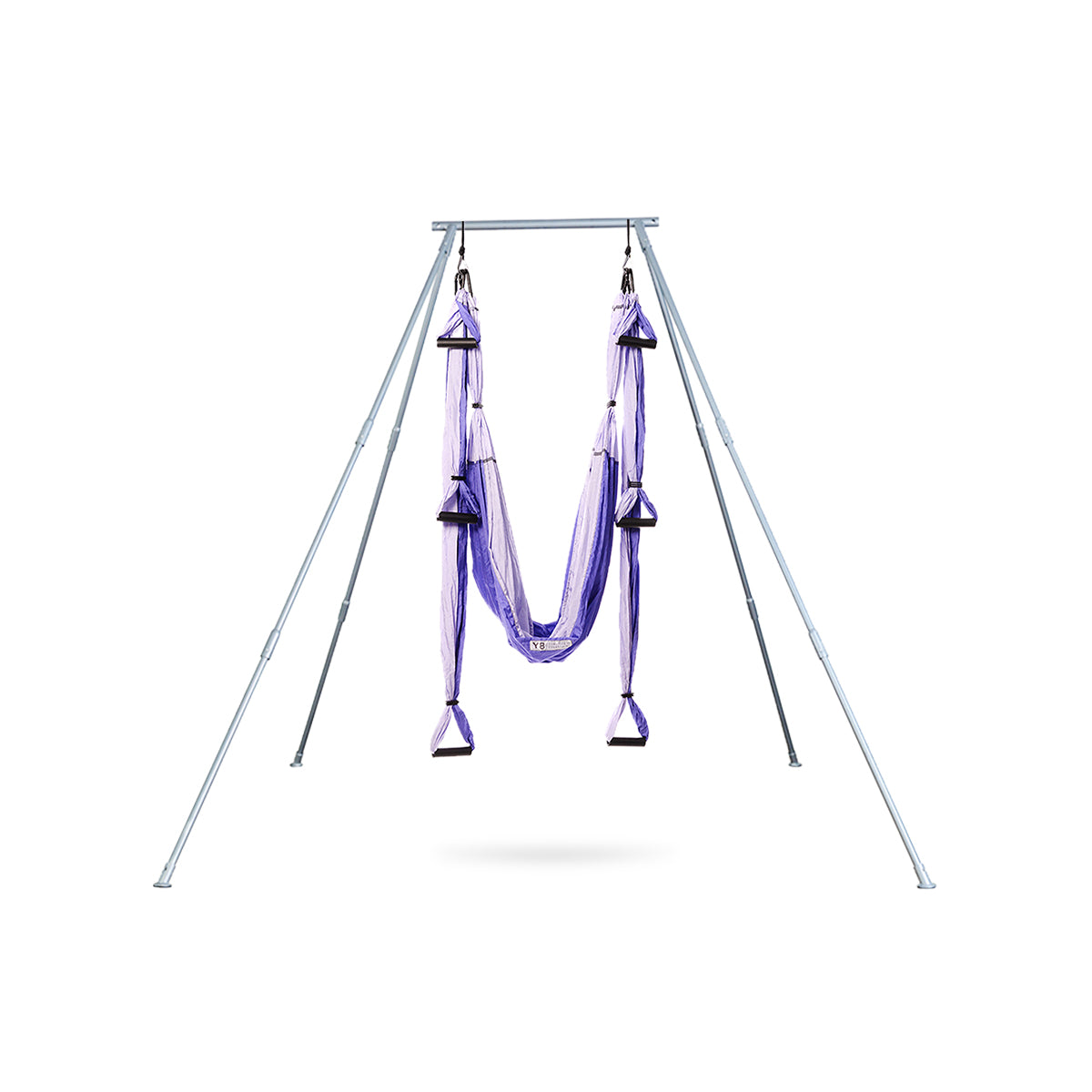
A yoga trapeze is a strong fabric swing. It hangs from a frame or ceiling hooks. The trapeze holds your weight during various yoga moves. It helps you stretch muscles and improve flexibility. Many use it for aerial yoga and inversion therapy.
How A Swing Stand Works
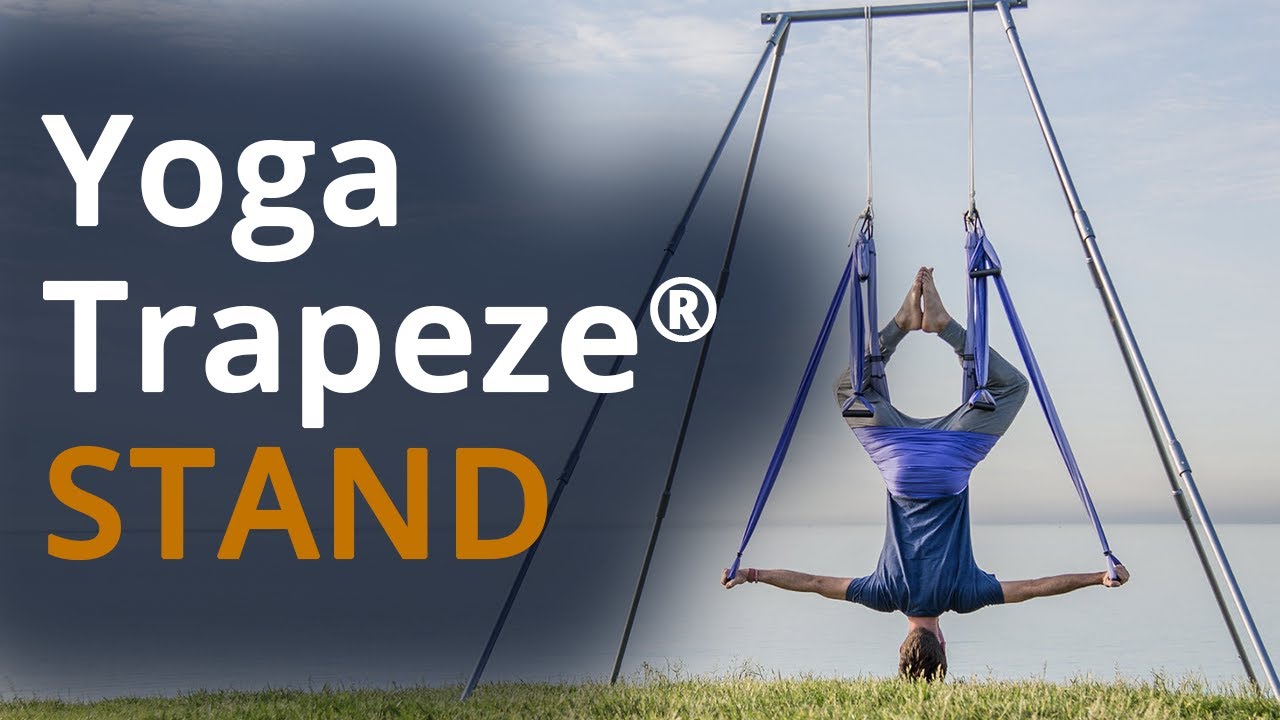
A swing stand is a frame that holds the trapeze. It keeps the swing stable and secure. You attach the trapeze to hooks on the stand. This setup lets you practice indoors without ceiling anchors. The stand bears your weight safely during exercises.
Types Of Yoga Trapeze Stands
There are several types of stands available. Some are made of steel, others of aluminum. Some stands are fixed, while others fold for storage. Portable stands suit small spaces and travel. Choose based on space, weight capacity, and portability.
Credit: www.youtube.com
Benefits For Home Workouts
Adding a Yoga Trapeze or Swing Stand to your home workout routine brings many benefits. It allows you to practice stretching and strength exercises anytime. This tool supports your body weight, making movements easier and safer. You can enjoy a full workout without leaving your house. It helps improve your body’s flexibility, strength, and mobility.
Improving Flexibility
The Yoga Trapeze gently stretches your muscles and spine. It helps increase your range of motion. Using the swing regularly loosens tight muscles. You can reach deeper stretches without strain. This is ideal for all fitness levels. Flexibility improves with consistent use over time.
Building Core Strength
Balancing on the trapeze activates your core muscles. You engage your abs and back to stay stable. This builds strength in your midsection. Strong core muscles support better posture. They also reduce the risk of injury. Exercises on the swing challenge your stability in a fun way.
Enhancing Joint Mobility
The swing helps move joints through full motion. It supports gentle rotations and stretches. This increases joint lubrication and reduces stiffness. Better joint mobility improves overall movement. It also helps with daily activities and exercise. Using the trapeze is a low-impact way to keep joints healthy.
Relieving Back Pain
The Yoga Trapeze decompresses the spine by hanging and stretching. It relieves pressure on discs and nerves. This reduces pain and tension in the back. Many users find relief from chronic back discomfort. The swing promotes spinal alignment and relaxation. It is a natural method to ease back pain at home.
Choosing The Right Stand
Choosing the right yoga trapeze or swing stand is key for a safe and enjoyable practice. The right stand supports your body and fits your space. Focus on important factors to find a stand that matches your needs and style. Consider how the material, weight capacity, portability, and safety features come together in one product.
Material And Build Quality
Look for stands made from strong materials like steel or heavy-duty aluminum. Good build quality means the stand will last and hold weight safely. Check for smooth finishes and sturdy welds that show good craftsmanship. Avoid stands with flimsy parts or weak joints that may break during use.
Weight Capacity
Each stand has a maximum weight it can hold safely. Choose a stand with a weight capacity higher than your body weight for extra safety. This ensures the stand can support your movements without bending or collapsing. Consider future needs if others will use the stand as well.
Portability And Setup
Some stands are heavy and hard to move, while others fold or come with wheels. Pick a stand that matches your space and lifestyle. Easy setup saves time and effort. Portable stands are perfect for small spaces or if you travel to yoga classes. Check how many parts you must assemble and if tools are required.
Safety Features
Safety is the top priority with any yoga trapeze stand. Look for features like non-slip feet to keep the stand steady on floors. Check for secure locking mechanisms on adjustable parts. Strong hooks and straps add extra protection. These features reduce the risk of accidents and injuries during your practice.
Setting Up At Home
Setting up a Yoga Trapeze or Swing Stand at home creates a private space for your practice. It allows you to enjoy aerial yoga anytime without visiting a studio. Proper setup ensures safety and comfort during your sessions.
Space Requirements
Choose a spot with enough room to move freely. The area should be at least 6 feet wide and 8 feet high. Clear any furniture or obstacles nearby to avoid accidents. A solid ceiling or sturdy frame is essential to support the trapeze.
Installation Tips
Use strong hooks or mounts rated for heavy weight. Locate ceiling joists for secure attachment. Follow the manufacturer’s instructions carefully. Test the swing’s stability before use. Tighten all bolts and knots firmly. Avoid hanging from drywall or weak surfaces.
Essential Accessories
Include a yoga mat below the trapeze for extra cushioning. Use carabiners and adjustable straps for easy setup. A small step stool can help reach the swing safely. Keep a towel nearby to wipe sweat during practice. Consider a storage bag to keep the trapeze clean and organized.
Popular Yoga Trapeze Exercises
The Yoga Trapeze or Swing Stand offers a unique way to practice yoga. It helps stretch, strengthen, and relax the body with support. Many exercises suit different skill levels. These moves improve flexibility, balance, and core strength. The trapeze supports you, making some poses easier and others more challenging.
Beginner Moves
Start with simple exercises to build confidence. Try hanging in a seated position to stretch your spine. The supported inversion pose gently relieves back tension. Use the trapeze to practice basic leg raises. These moves improve flexibility and prepare you for harder poses.
Intermediate Poses
Once comfortable, try poses that require more strength. The aerial plank engages your core and arms. Try the suspended backbend to open your chest and shoulders. The knee tuck helps improve balance and coordination. These exercises build muscle and increase control in the trapeze.
Advanced Techniques
Advanced poses challenge your strength and flexibility. The flying pigeon pose tests balance and hip flexibility. Try the inverted split for deep leg stretches. The star pose works on full-body strength and control. These moves demand focus and practice but bring great benefits.
Safety And Precautions
Using a Yoga Trapeze or Swing Stand offers many benefits. Safety must be a top priority to enjoy these benefits fully. Understanding precautions helps prevent accidents and injuries. Proper use and care of your equipment ensure a safe practice.
Who Should Avoid Aerial Yoga
Certain people should avoid aerial yoga for safety reasons. Pregnant women should not use the yoga trapeze. People with eye problems like cataracts or detached retinas must also avoid it. Those with heart conditions or high blood pressure need to stay clear. Always consult a doctor before starting aerial yoga if you have health concerns.
Preventing Injuries
Start with beginner poses to build strength and confidence. Use a spotter or instructor when trying new moves. Avoid sudden or jerky movements that can cause strain. Warm up your body before using the trapeze to prevent muscle injuries. Follow instructions carefully and listen to your body’s limits. Stop immediately if you feel pain or discomfort.
Maintenance And Inspection
Check your yoga trapeze and swing stand regularly for wear and tear. Look for frayed fabric, loose seams, or damaged hardware. Tighten all bolts and screws before every session. Clean the fabric and frame to keep them in good condition. Replace any worn parts right away to avoid accidents. Proper maintenance extends the life of your equipment and keeps you safe.
Comparing Yoga Trapeze To Other Equipment
Yoga trapeze offers a unique approach to fitness and flexibility. This equipment uses a suspended swing to support your body. It allows you to perform stretches and poses with ease. Comparing it to other common fitness tools helps reveal its benefits and differences. Each tool suits different workout styles and goals.
Versus Traditional Yoga Mats
Yoga mats lie flat on the floor. They provide grip and cushioning for poses. The trapeze lifts your body off the ground. This reduces pressure on joints and spine. It helps in deeper stretches and inversions safely. Mats limit movement to the floor’s surface. The trapeze allows three-dimensional movement in the air. This creates new ways to build strength and balance.
Versus Resistance Bands
Resistance bands add tension to muscle exercises. They improve strength and flexibility through resistance. The trapeze supports your weight instead of adding resistance. It lets you hang, swing, and invert easily. This reduces strain and aids spinal decompression. Bands focus on muscle strengthening with pull and stretch. The trapeze focuses on whole-body movement and relaxation.
Versus Pilates Equipment
Pilates gear like reformers provides controlled resistance on springs. They guide your body with precise movements. Yoga trapeze offers free movement in the air. It encourages natural stretching and core engagement. Pilates machines focus on muscle tone and posture. The trapeze adds elements of balance and flexibility training. Both improve core strength but with different methods.

Credit: www.amazon.ca
Where To Buy Yoga Trapeze & Stand
Finding the right place to buy a yoga trapeze stand is important for safety and comfort. Many options exist, from online shops to local stores. Choosing the best source depends on your location and preferences. Here are some places to consider.
Top Online Retailers
Online stores offer a wide range of yoga trapeze stands. Websites like Amazon, eBay, and specialty fitness shops have many brands and styles. These retailers often provide customer reviews and fast shipping. Shopping online allows easy price comparison and detailed product information. Make sure to check the return policy before buying.
Local Stores In Austin, Texas
Austin has several fitness and yoga shops that sell trapeze stands. Visiting a store lets you see the product before buying. Local stores may offer expert advice and installation help. Some places to explore include yoga studios and sporting goods stores. Calling ahead can save time and confirm availability.
Custom And Handmade Options
Custom yoga trapeze stands fit personal needs and space better. Handmade stands often use high-quality materials and unique designs. Websites like Etsy connect buyers with skilled makers. Custom options might cost more but offer durability and style. Local artisans in Austin may create custom stands on request.
Tips For Getting Started
Starting with a Yoga Trapeze or Swing Stand can feel exciting yet challenging. It helps to have clear steps to build confidence and enjoy your practice safely. Small actions create strong foundations. Focus on learning, practicing, and progressing at your own pace.
Finding Online Tutorials
Search for beginner-friendly videos that explain basic poses. Choose tutorials that show clear instructions and slow movements. Look for videos with good lighting and multiple angles. Watching experts can help you understand form and safety tips. Save your favorite tutorials to practice regularly.
Joining Virtual Classes
Virtual classes offer live guidance and feedback. They connect you with teachers and other learners worldwide. Pick classes designed for beginners or your skill level. Schedule sessions that fit your daily routine. Participation in a group can boost motivation and consistency.
Setting Realistic Goals
Set small, achievable goals to track your progress. Start with short sessions, around 10 to 15 minutes. Increase time and difficulty gradually as you get stronger. Celebrate improvements, even the tiny ones. Realistic goals keep your practice enjoyable and stress-free.
Credit: yogatrapeze.com
Benefits Of Yoga Trapeze
Yoga trapeze offers many benefits for beginners. It supports gentle movements and helps build strength. Using the trapeze allows you to explore new poses safely. This practice improves overall body health and well-being. Below are some key benefits you can enjoy.
Full-body Strength And Flexibility
The yoga trapeze works many muscles at once. It helps tone arms, shoulders, core, and legs. Hanging and holding poses build muscle strength steadily. Stretching with the trapeze improves flexibility over time. This makes daily movements easier and reduces injury risk.
Spinal Decompression And Posture
Yoga trapeze allows gentle spinal lengthening. Hanging upside down or supported helps relieve back pressure. This eases tension in the spine and muscles. It can improve posture by aligning the back correctly. Better posture reduces pain and boosts confidence.
Improved Circulation And Relaxation
The trapeze increases blood flow through body movement. Better circulation supports healing and energy levels. Suspended poses promote deep relaxation and calm the mind. This reduces stress and improves sleep quality. Relaxation also helps muscles recover after exercise.
Essential Yoga Trapeze Equipment
Using the right equipment is key for safe and effective yoga trapeze practice. Beginners need sturdy and comfortable gear to support their weight. Choosing quality items helps prevent injuries and builds confidence. This section covers essential yoga trapeze equipment to get started well.
Choosing The Right Trapeze Setup
Select a trapeze with strong, durable fabric. Look for high-quality nylon or polyester for extra support. The trapeze should include padded handles and foot loops for comfort. Check the weight limit to match your body safely. Consider a model that is easy to adjust for different heights and poses.
Safety Features To Look For
Find trapeze equipment with secure locking carabiners and heavy-duty straps. These parts keep the trapeze firmly in place. The fabric must be tear-resistant and able to hold your weight without stretching. Look for setups that come with clear instructions and safety certifications. Safety features reduce risks and boost your practice.
Installation Tips For Beginners
Install the trapeze in a strong, stable place like a ceiling beam or door frame. Use a stud finder to locate solid support in walls or ceilings. Follow the manufacturer’s instructions carefully for mounting hardware. Test the trapeze with light pressure before full use. Keep the area clear of obstacles to avoid accidents.
Basic Yoga Trapeze Poses
Basic Yoga Trapeze poses offer a gentle introduction to aerial yoga. They help build confidence and strength while supporting the body. These poses use the trapeze hammock to improve balance and flexibility. Beginners can explore different movements safely and comfortably. Practicing these basic poses regularly enhances body awareness and relaxation.
Supported Inversions
Supported inversions allow beginners to hang upside down with support. The trapeze holds the body weight, reducing pressure on the neck and spine. This pose helps improve circulation and relieves tension in the back. Start with simple inversions like the supported shoulder stand or hanging child’s pose. These poses build trust in the trapeze and prepare the body for more advanced moves.
Core Strengthening Exercises
The trapeze hammock engages the core muscles deeply. Basic core exercises include seated holds and leg lifts while gripping the trapeze. These movements strengthen the abdomen and lower back. Core strength improves balance and stability in all yoga poses. Begin with short sets and focus on controlled breathing. This approach prevents strain and builds endurance gradually.
Gentle Stretches And Extensions
Gentle stretches use the trapeze to lengthen muscles safely. The hammock supports the body during backbends and side stretches. These extensions open the chest and shoulders, reducing stiffness. Simple poses like supported forward folds and side stretches relax tight muscles. Use slow movements and hold each stretch for several breaths. This practice increases flexibility and calms the mind.
Preparing Your Body
Preparing your body is a key step before starting yoga trapeze exercises. It helps prevent injuries and improves your practice. Your muscles and joints need to be ready for the movements and stretches ahead.
This preparation also helps your mind focus and relax. It sets a strong foundation for your yoga trapeze journey. A proper warm-up and breath control can make your practice safer and more enjoyable.
Warm-up Routines
Start with gentle movements to increase blood flow. Neck rolls, shoulder shrugs, and wrist circles are good choices. These help loosen tight areas and prepare your joints.
Next, try some light stretches. Focus on your back, hips, and legs. These areas work hard during yoga trapeze exercises. Warming up slowly reduces muscle stiffness and lowers injury risk.
Breath Control Techniques
Breath control, or pranayama, is vital in yoga. It calms your mind and supports your movements. Begin by inhaling deeply through your nose. Then exhale slowly and fully.
Practice steady, even breaths while holding poses. This helps you stay balanced and relaxed. Breath control also improves oxygen flow to your muscles. It keeps you energized during your practice.
Building Foundational Strength
Strength in your core, arms, and shoulders is important. These muscles support your body during trapeze exercises. Start with simple exercises like planks and wall push-ups.
Use your body weight to build endurance. Gradually increase the time you hold each pose. Strong foundations reduce strain and make movements easier. Consistency in strength training improves your yoga trapeze skills over time.
Safety Tips For Beginners
Starting yoga trapeze exercises can be exciting and rewarding. Safety is very important for beginners. Taking care to avoid injuries helps you enjoy your practice more. This section shares key safety tips for beginners. Following these tips creates a safe and pleasant experience.
Avoiding Common Injuries
Use the trapeze in a clear, open space. Check the equipment for wear before each use. Warm up your body with gentle stretches first. Move slowly and avoid sudden motions. Never push beyond your comfort level. Stop if you feel pain or sharp discomfort. Injuries often happen from rushing or ignoring pain signals.
Proper Use Of Handles And Straps
Hold the handles firmly but without tension. Adjust straps to fit your height and body shape. Make sure the straps are locked securely. Use straps only as instructed in your routine. Keep hands dry to avoid slipping. Regularly inspect straps and handles for damage. Using the trapeze correctly prevents falls and strain.
Listening To Your Body
Pay attention to your breathing and muscle feelings. Take breaks if you feel tired or dizzy. Respect your limits and progress step by step. Rest if you feel soreness or discomfort after practice. Yoga trapeze builds strength gradually with consistent care. Your body’s signals guide you to practice safely and effectively.
Credit: www.youtube.com
Creating A Beginner Routine
Creating a beginner routine for yoga trapeze exercises sets a strong foundation. This routine helps build confidence and prevents injuries. It guides your body to adapt safely to new movements. A well-planned routine balances effort and rest, making your practice enjoyable. Focus on small steps and steady progress for lasting benefits.
Starting Slow And Progressing
Begin with simple poses that feel comfortable. Spend time learning how to hold the trapeze correctly. Practice basic stretches and gentle swings first. Increase difficulty gradually as strength and flexibility improve. Avoid rushing into advanced moves to prevent strain. Progress at your own pace and listen to your body.
Balancing Strength And Flexibility
Your routine should include exercises for both strength and flexibility. Strength training builds muscle control for safe trapeze use. Flexibility exercises improve your range of motion and reduce tightness. Alternate between these types of exercises during your sessions. This balance helps you perform poses smoothly and safely. It also supports overall body health and posture.
Incorporating Rest And Recovery
Rest days are crucial for muscle repair and growth. Schedule breaks between sessions to avoid overuse injuries. Use rest time for gentle stretching or meditation. Pay attention to any soreness or fatigue. Adjust your routine to include more recovery if needed. Proper rest keeps your practice sustainable and enjoyable.
Common Challenges And Solutions
Yoga trapeze exercises offer a unique way to improve strength and flexibility. Beginners often face some challenges. Recognizing these common hurdles helps create a safer and more enjoyable practice. Here are typical difficulties and ways to address them.
Overcoming Fear Of Inversions
Inversions can feel scary at first. Hanging upside down may cause discomfort or dizziness. Start by practicing gentle holds near the ground. Use the trapeze for support and move slowly. Focus on your breath to stay calm. Gradually increase time spent in inversions. Trust your body and avoid rushing.
Improving Grip And Stability
Holding onto the trapeze can be hard for beginners. Weak grip limits control and confidence. Use chalk or grip gloves to reduce slipping. Practice hanging and small swings to build hand strength. Engage your core muscles to improve balance. Try shorter sessions often to enhance endurance.
Modifying Poses For Comfort
Some poses may cause strain or discomfort. Adjust the trapeze height to suit your body. Use cushions or blankets under sensitive areas for support. Avoid forcing yourself into deep stretches. Listen to your body’s signals and rest if needed. Modifications keep you safe and help progress steadily.
Credit: www.youtube.com
Finding Guidance And Support
Starting Yoga Trapeze exercises can feel challenging without proper guidance. Support helps build confidence and improves safety. Finding the right instruction makes learning easier and more enjoyable.
Many resources exist to help beginners learn Yoga Trapeze. Choosing the best fit depends on your preferences and availability. Explore options that offer clear directions and a supportive environment.
Online Tutorials And Classes
Online tutorials offer flexible learning from home. Videos break down poses step-by-step with clear instructions. Beginners can pause and repeat moves at their own pace.
Many platforms provide free and paid classes. Some feature expert instructors who explain safety tips. Watching different teachers helps find a teaching style that suits you.
Local Studios And Instructors
Local studios provide hands-on guidance and personal feedback. Instructors can adjust your form to prevent injuries. Group classes also create a motivating atmosphere.
Visiting a studio allows you to try the trapeze equipment safely. You meet other beginners and share experiences. This support builds confidence and encourages regular practice.
Community Groups And Forums
Community groups connect you with fellow Yoga Trapeze enthusiasts. Forums offer advice, answer questions, and share tips. They create a space for encouragement and learning.
Joining social media groups or local meetups can boost motivation. You learn from others’ successes and challenges. This interaction helps maintain commitment and enjoy the journey.

Credit: www.youtube.com
Frequently Asked Questions
Is Yoga Trapeze A Good Workout?
Yoga trapeze offers a full-body workout by engaging arms, core, back, and legs. It improves strength, flexibility, and spinal decompression. This dynamic aerial practice enhances muscle tone and balance, making it an effective and enjoyable fitness routine for all levels.
Which Is The Easiest Yoga For Beginners?
Hatha yoga is the easiest for beginners. It focuses on slow, basic poses, proper alignment, and breath control. Chair and Restorative yoga also suit beginners by providing gentle, supported movements. These styles help build strength, flexibility, and relaxation without overwhelming new practitioners.
What Is Trapeze Yoga?
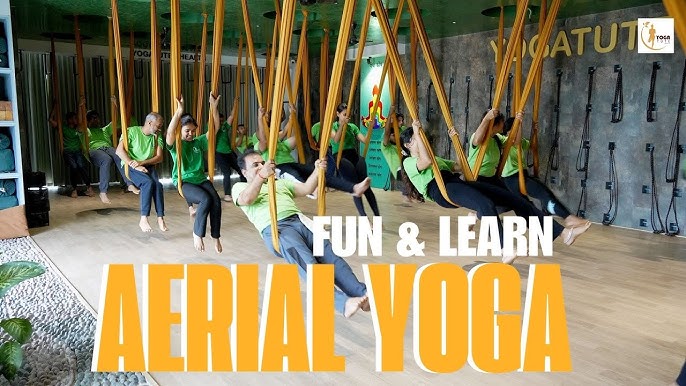
Trapeze yoga uses a hammock to perform aerial yoga poses, inversions, and strength exercises. It enhances flexibility, strength, and spinal decompression.
How Far Apart Should I Hang A Yoga Trapeze?
Hang a yoga trapeze about 4 to 5 feet apart for proper support and safe movement. Ensure the spacing matches your height and exercise space.
Conclusion
In fine,Yoga trapeze exercises for beginners to any level offer a fun and gentle way to build strength.Aerial yoga is now a recommended workouts by health experts. Beginners can enjoy improved flexibility and better body balance. Using the trapeze supports safe practice and helps reduce strain. Start slowly and listen to your body during each session.
Consistent practice brings gradual progress and greater confidence. Remember, patience makes the journey enjoyable and effective. Keep exploring different poses to find what feels best. Yoga trapeze can be a helpful addition to your fitness routine. Embrace the experience and enjoy the benefits it brings.