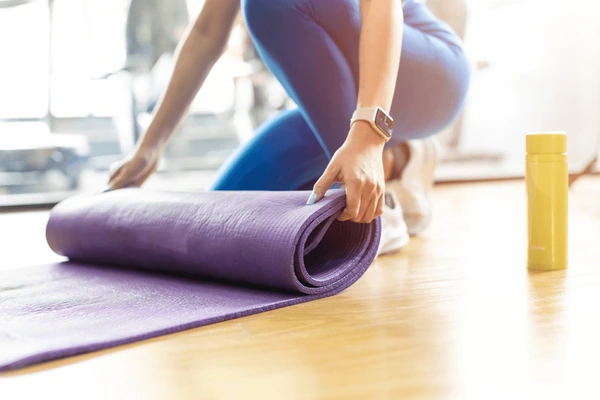
Choosing the right yoga mat thickness can make a huge difference in your practice. You might be wondering by choosing 3mm vs 5mm yoga mat, which one is better for you.
Should you go for the lighter, thinner option that’s easy to carry, or the thicker mat that offers extra cushioning? Your comfort, balance, and joint support all depend on this simple choice. Keep reading to discover which thickness suits your needs best and helps you get the most from every pose.
Mat Thickness Basics
Mat thickness as like electric mat plays a key role in yoga practice super comfort and support. Choosing the right thickness depends on your needs and style. Thinner mats offer closer contact with the ground. Thicker mats provide more cushioning for joints.
Understanding the difference between 3mm and 5mm mats helps you pick the best one. Both have unique benefits that suit different types of yoga and practitioners.
What 3mm Offers
3mm mats are lightweight and easy to carry. They allow better balance by keeping you closer to the floor. Ideal for styles like Vinyasa or Ashtanga that involve fast movements. These mats dry quickly and are easy to clean. They fit well in small spaces or for travel. Less padding means more stability during standing poses.
Benefits Of 5mm
5mm mats provide extra cushioning for knees and joints. Perfect for gentle or restorative yoga styles. They protect better on hard floors and rough surfaces. Thicker mats absorb more impact during floor exercises. Great choice for beginners or those with sensitive joints. They add comfort but can be heavier to carry around.
Comfort Comparison
Choosing between a 3mm and a 5mm yoga mat often depends on comfort. Comfort plays a key role in your yoga practice. It affects how long you can hold poses and enjoy your session. Both thicknesses offer different comfort levels. Understanding these differences helps you pick the right mat.
Cushioning And Support
A 5mm yoga mat provides extra cushioning. This thickness softens hard floors better. It supports your body more during poses. A 3mm mat feels thinner and firmer. It offers less padding but more stability. Thicker mats suit those who want gentle support. Thinner mats appeal to users who prefer direct ground contact.
Impact On Joints
Thicker mats reduce pressure on knees and wrists. A 5mm mat helps protect sensitive joints. It absorbs shocks from movements and balances. A 3mm mat may feel tougher on joints. It works well for low-impact yoga styles. Using a thicker mat lowers joint strain. It can prevent discomfort during longer sessions.
Portability And Weight
Portability and weight are key factors when choosing between 3mm and 5mm yoga mats. A lighter mat makes carrying easier. Portability affects how often you use your mat outside the home.
Thinner mats usually weigh less. They fold or roll up smaller. This helps with storage and transport. Heavier mats offer more comfort but can be bulky to carry. Knowing the balance between comfort and ease of transport helps you pick the best mat.
Ease Of Transport
3mm mats are light and easy to carry. They fit well in backpacks or yoga bags. Their slim profile means less space is needed. 5mm mats weigh more and take up more room. Carrying them for long distances may cause fatigue. For daily commutes or short trips, 3mm mats are practical and quick to grab.
Suitability For Travel
3mm mats suit travel better due to their light weight. They can be packed with other essentials without adding bulk. 5mm mats offer more cushioning but are less travel-friendly. They may require separate bags or straps. For air travel or weekend trips, a 3mm mat simplifies packing and reduces luggage weight.
Credit: wilsonhand.com
Durability And Maintenance
Choosing between a 3mm and 5mm yoga mat affects how long your mat lasts and how easy it is to keep clean. Durability and maintenance are key for a mat that stays comfortable and safe over time. Thicker mats often handle daily wear better, while thinner mats may need more care to stay in good shape.
Wear And Tear
Thicker 5mm mats resist dents and tears more than 3mm mats. They absorb pressure from poses better, reducing damage. Thin 3mm mats can wear out faster, especially with frequent use. Edges may curl and surfaces may lose grip quicker on thinner mats. Choose mats with strong material to extend life. Regularly check your mat for signs of wear to avoid slips or injuries.
Cleaning Tips
Clean your yoga mat often to keep it fresh and safe. Use a gentle soap and water mix or a special yoga mat cleaner. Avoid harsh chemicals that can break down the material. Wipe mats with a soft cloth and air dry flat. Thicker mats may take longer to dry but resist water damage better. Store mats rolled up in a dry place to prevent mold and odors. Keeping your mat clean extends its durability and comfort.
Practice Style Influence
Choosing the right yoga mat thickness depends on your practice style. The thickness affects comfort, stability, and support. A thinner mat offers closeness to the floor, while a thicker one cushions the body more. Each thickness suits different types of yoga and personal preferences.
Best For Gentle Yoga
A 3mm yoga mat works well for gentle yoga styles like Hatha or Yin. It provides enough padding for light movements and seated poses. The thinner mat helps maintain balance on smooth floors. It is easy to carry and ideal for stretching or meditation sessions.
Ideal For High-impact Sessions
A 5mm yoga mat is better for high-impact or power yoga. The extra thickness cushions joints during jumping or fast transitions. It absorbs shock and protects knees and wrists on hard surfaces. This mat adds comfort without sacrificing stability during intense workouts.
Credit: wilsonhand.com
Price And Value
Choosing between a 3mm and 5mm yoga mat involves thinking about price and value. Both thicknesses offer unique benefits that affect your budget and comfort. Understanding the cost differences and long-term investment helps you pick the best option for your needs.
Cost Differences
Typically, 3mm mats cost less than 5mm mats. The thinner material uses fewer resources, which lowers the price. Budget-friendly options often come in 3mm thickness, making them popular for beginners. A 5mm mat usually costs more due to extra padding and durability. Expect to pay a bit extra for the thicker mat’s added comfort.
Long-term Investment
Think about how often you practice yoga before buying. A 5mm mat can last longer because it handles wear better. Its thicker cushion protects joints over time, which adds value. A 3mm mat works well for light or occasional use but may wear out faster. Spending more on a 5mm mat can save money by avoiding frequent replacements.
User Preferences
User preferences play a big role in choosing between 3mm and 5mm yoga mats. Comfort, support, and portability matter to each yogi. Some prefer thin mats for easy movement. Others like thicker mats for extra cushioning. Let’s explore what suits different users best.
Beginners’ Choice
Beginners often pick 5mm mats. The extra thickness protects their joints. It offers good cushion for knees and wrists. This helps reduce discomfort during new poses. The thicker mat builds confidence for longer sessions. It also feels stable on hard floors. Beginners find it easier to stay balanced.
Experienced Yogis’ Picks
Experienced yogis usually prefer 3mm mats. These mats are lighter and easier to carry. Thin mats provide better connection with the floor. This helps with advanced balancing and stretching. They allow more control in dynamic flows. Experts value the firm grip and minimal bulk. A 3mm mat fits well in a travel bag too.
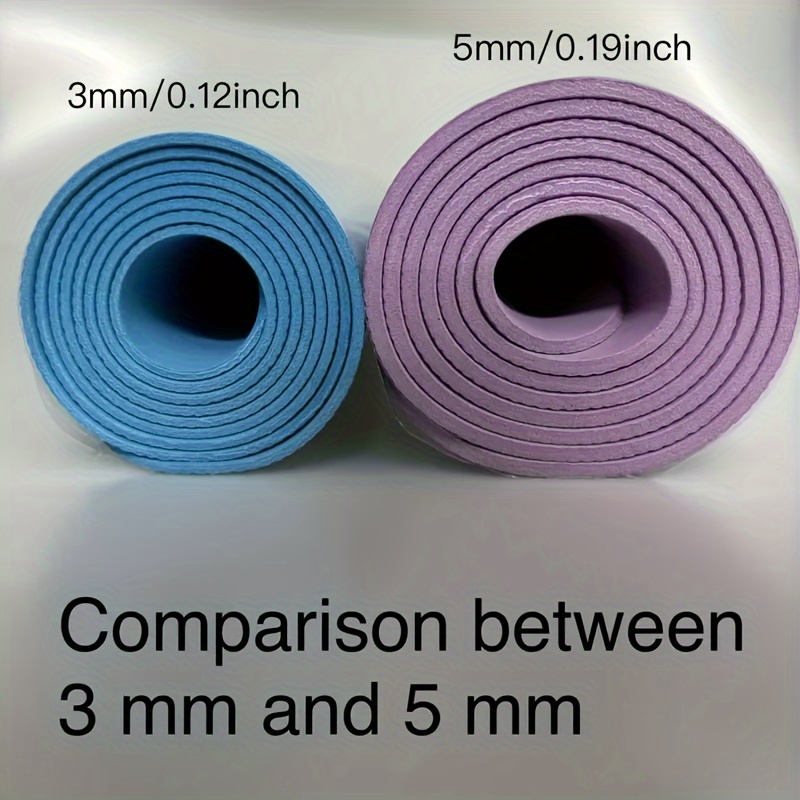
Credit: www.temu.com
Frequently Asked Questions
What Is Better, A 3mm Or 5mm Yoga Mat?
A 3mm yoga mat offers lightweight portability, ideal for travel and studio use. A 5mm mat provides extra cushioning for joint support and comfort during floor exercises. Choose 3mm for easy transport and 5mm for enhanced comfort and protection.
What Thickness Of Mat Is Best For Yoga?
A yoga mat thickness of 4 to 6 mm offers optimal cushioning and support. It balances comfort and stability for most practices. Thinner mats (1-3 mm) suit travel, while thicker mats (8 mm+) provide extra padding for sensitive joints. Choose based on your comfort and practice style.
Is 3mm Mat Too Thin?
A 3mm mat is thin but suitable for travel and portability. It offers less cushioning, so may feel hard during long sessions. Choose thicker mats for extra comfort and joint support.
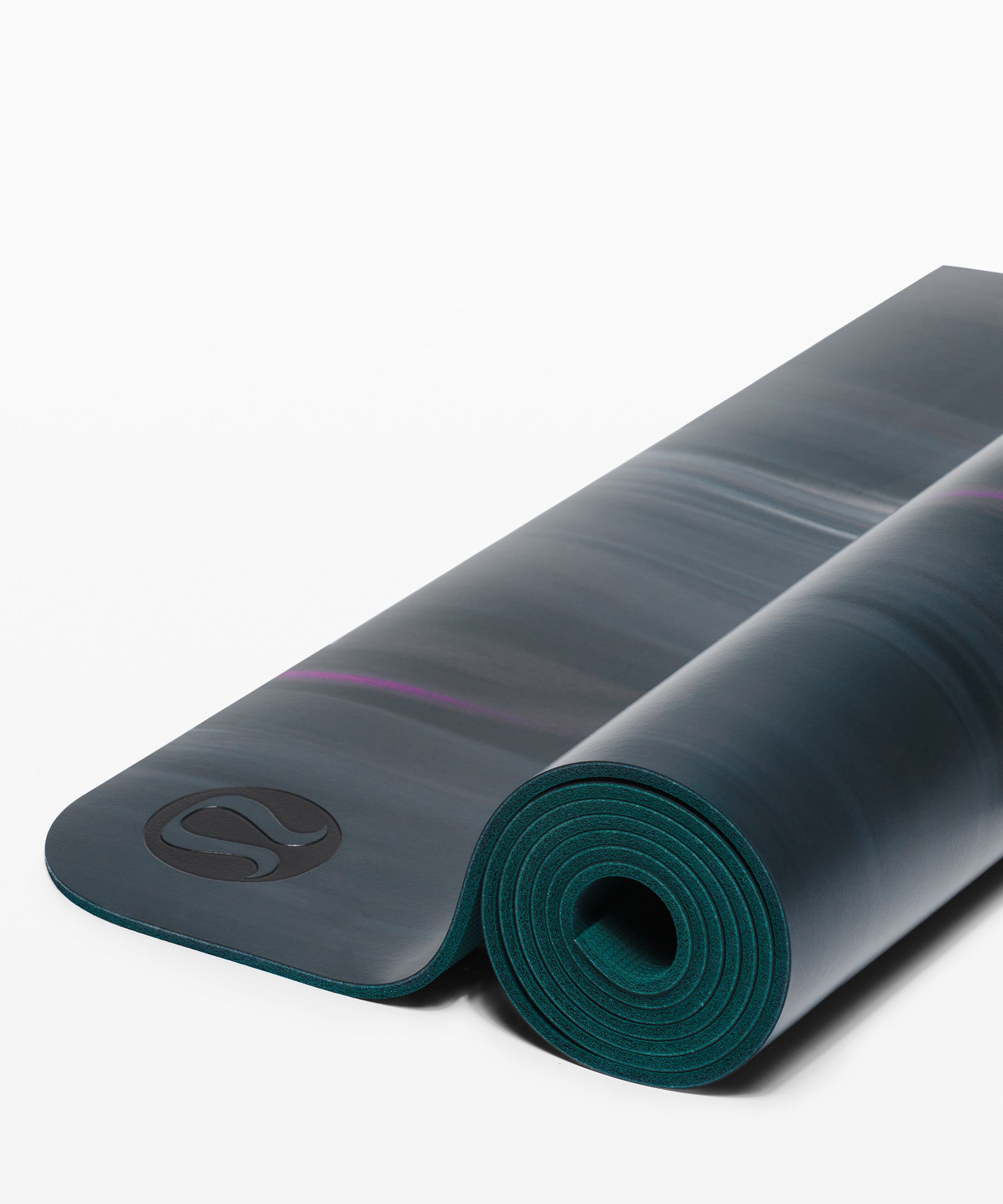
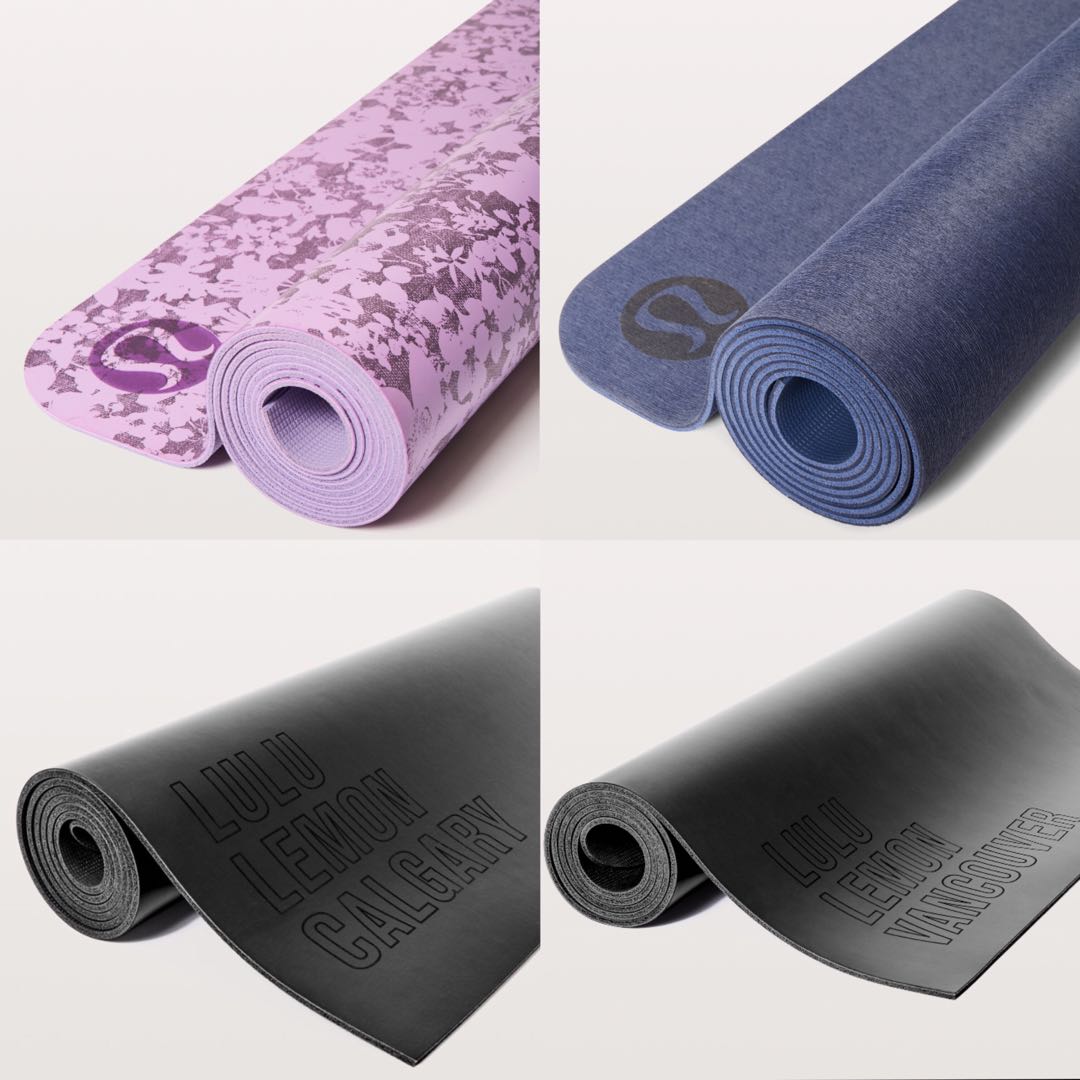
Is The Lululemon Mat 5mm Any Good?
The lululemon 5mm mat offers excellent cushioning and durability. It provides strong grip and comfort for various yoga styles. Its thickness balances support and portability, making it a popular choice among yogis. Overall, it performs well for home and studio practice.
Conclusion
Choosing between a 3mm vs 5mm yoga mat depends on your needs. A 3mm mat suits those who want lightweight and easy transport. A 5mm mat offers extra cushioning for joint support. Think about where you practice and your comfort preferences.
Both thicknesses have clear benefits. Select the one that fits your style and helps you enjoy yoga more. Simple choices lead to better practice.