
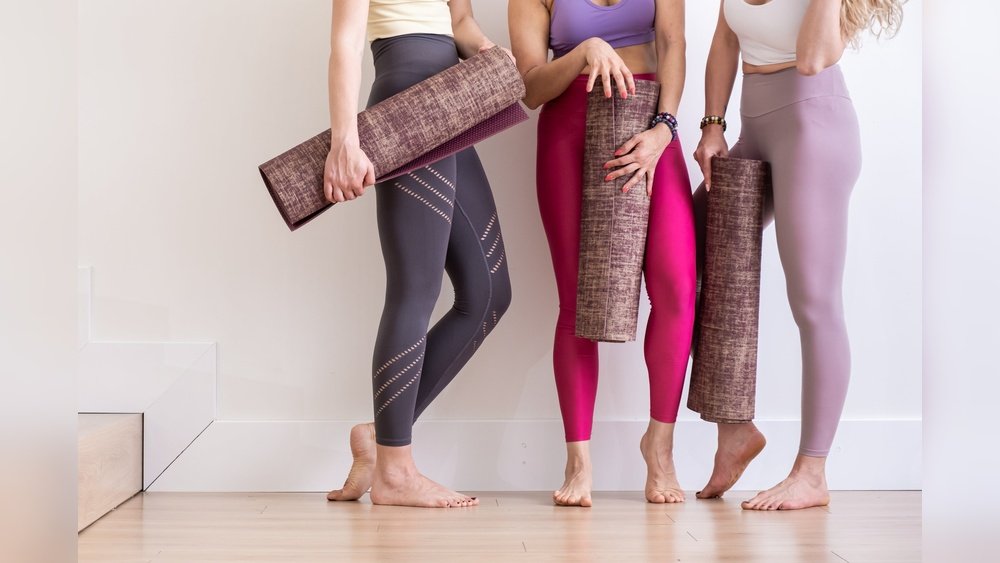
Have you ever wondered if your favorite yoga pants could be causing more harm than good? You might love how comfortable and stylish they are, but could these tight, stretchy leggings be linked to yeast infections?
If you’ve experienced discomfort, itching, or irritation after wearing yoga pants, you’re not alone—and it’s important to understand why this happens. You’ll discover how yoga pants might create the perfect environment for yeast to thrive, what fabrics to avoid, and simple steps you can take to protect your health without giving up your go-to activewear.
Keep reading to learn how to stay comfortable, confident, and infection-free!
Credit: wearoya.com
Yoga Pants And Yeast Infection Risk
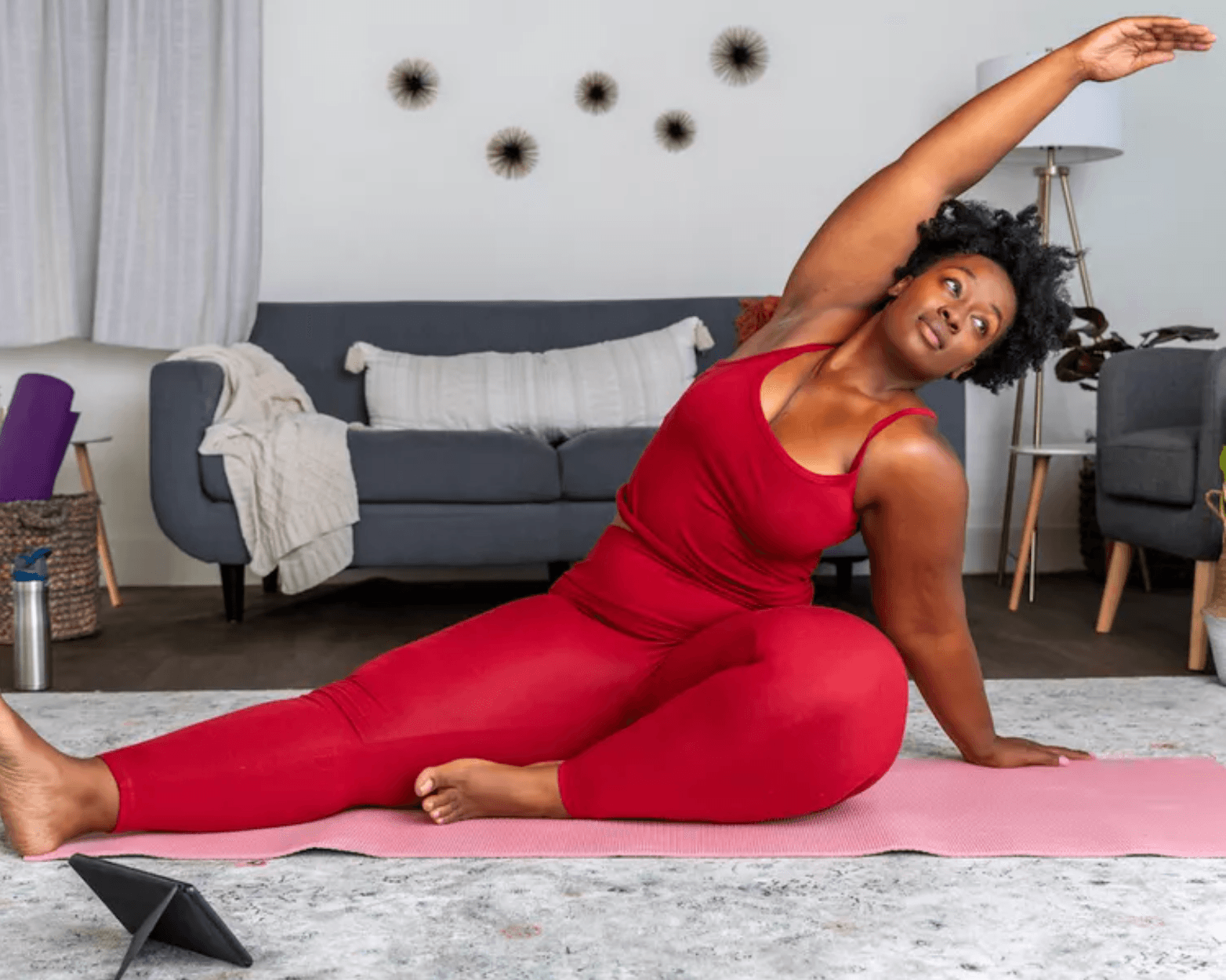
Yoga pants are popular for comfort and style. Many wear them daily for workouts or casual wear. Yet, tight yoga pants may raise yeast infection risks. Yeast thrives in warm, moist places. Wearing yoga pants for long hours can create such conditions. Understanding how these pants affect your body helps manage infection risk better.
How Tight Clothing Affects Moisture
Tight clothing fits closely to the skin. This closeness traps sweat and body heat. Moisture builds up and does not evaporate easily. Yeast loves damp, warm environments. Tight yoga pants keep moisture near sensitive skin. This can encourage yeast growth and infections.
Synthetic Fabrics And Breathability
Many yoga pants are made from synthetic fabrics like polyester and nylon. These materials do not breathe well. Lack of airflow keeps the skin wet and warm. Cotton or natural fabrics allow better air circulation. Synthetic fabrics hold moisture close, increasing infection chances.
Sweat And Warmth Impact
Exercise causes sweat and body heat. Yoga pants hold this sweat next to the skin. Warmth and sweat create a perfect environment for yeast. Prolonged wear without changing clothes worsens the problem. Changing out of sweaty pants quickly helps reduce infection risk.

Credit: obviouslyapparel.com
Why Moisture Encourages Yeast Growth
Moisture plays a big role in yeast infections. Yeast needs damp places to grow. Wearing yoga pants can trap sweat and moisture close to the skin. This creates a perfect spot for yeast to multiply. Understanding why moisture encourages yeast growth helps us prevent infections.
Candida’s Preferred Environment
Candida is a type of yeast that lives naturally on our skin. It grows best in warm, moist areas. Damp skin from sweat or tight clothes makes it easier for Candida to spread. This yeast thrives in places where air cannot reach well. Yoga pants, especially if tight and synthetic, can create this environment.
Trapped Heat And Its Effects
Tight yoga pants hold heat close to the body. The warmth increases sweating and moisture. This trapped heat stops sweat from drying quickly. The longer the skin stays wet, the more yeast can grow. Heat also weakens the skin’s defense against infections. Wearing loose, breathable clothes helps keep the skin dry and healthy.
Common Myths About Yoga Pants And Infections
Many people believe yoga pants cause yeast infections. This idea spreads fast but needs careful thought. Understanding the truth helps avoid unnecessary worry. Let’s explore common myths about yoga pants and infections.
Separating Fact From Fiction
Yoga pants themselves do not cause yeast infections. The problem lies in moisture and bacteria buildup. Tight clothing can trap sweat, creating a warm, damp place for yeast. But wearing yoga pants made of breathable fabric reduces this risk. Changing out of sweaty clothes quickly is key. Cotton underwear also helps keep the area dry and healthy.
Impact Of Workout Habits
How you use yoga pants matters more than the pants themselves. Wearing the same pair all day can invite infections. Showering and changing clothes after exercise lowers infection chances. Avoid staying in wet or sweaty pants for long. Good hygiene is the best defense against yeast infections, not the pants alone.
Choosing The Right Fabric
Choosing the right fabric for your yoga pants and underwear matters a lot. The fabric affects how much your skin breathes and stays dry. Fabrics that hold moisture close to your skin can cause yeast to grow. Picking the best fabric helps keep you fresh and healthy during workouts or daily wear.
Benefits Of Cotton Underwear
Cotton is soft and allows air to flow easily. It helps keep the area dry by absorbing sweat. Wearing cotton underwear reduces moisture buildup. This lowers the risk of yeast infections. Cotton is gentle on the skin and prevents irritation. It is a smart choice for daily comfort and health.
Avoiding Nylon And Synthetics
Nylon and synthetic fabrics trap heat and moisture. These fabrics do not let your skin breathe well. Wearing tight yoga pants made of these materials can create a warm, damp space. This space is perfect for yeast to grow quickly. Avoid nylon and synthetic fabrics, especially in hot or sweaty conditions. Choose breathable fabrics instead to stay safe.
Tips To Prevent Yeast Infections While Wearing Yoga Pants
Wearing yoga pants feels comfortable and stylish. Yet, tight or damp clothes can raise the risk of yeast infections. Following simple tips can help keep you safe and comfortable. These habits reduce moisture and heat buildup, which yeast loves. Here are easy ways to prevent yeast infections while enjoying yoga pants.
Opt For Loose-fitting Clothing When Possible
Choose loose clothes for times when yoga pants are not needed. Loose fabrics allow air to flow and reduce sweat. Cotton or breathable materials help keep the skin dry. Avoid tight pants for long hours to lower infection risk. Switching to looser clothes after exercise is a smart idea.
Change Out Of Wet Or Sweaty Clothes Quickly
Remove yoga pants or workout clothes as soon as you finish. Wet or sweaty clothes hold moisture against your skin. This moist environment encourages yeast growth. Carry a fresh pair of clothes if you plan to exercise. Changing quickly stops yeast from multiplying.
Maintain Proper Hygiene
Wash your body well every day, especially after sweating. Use mild soap and water to clean the genital area. Avoid harsh soaps that irritate sensitive skin. Dry the area completely before putting on clothes. Proper hygiene helps keep harmful yeast under control.
Alternatives To Traditional Yoga Pants
Traditional yoga pants often use synthetic materials that trap heat and moisture. This creates a warm, damp environment where yeast can grow easily. Choosing alternatives helps keep the skin dry and healthy. These options support comfort and reduce infection risks during workouts or daily wear.
Breathable Workout Gear Options
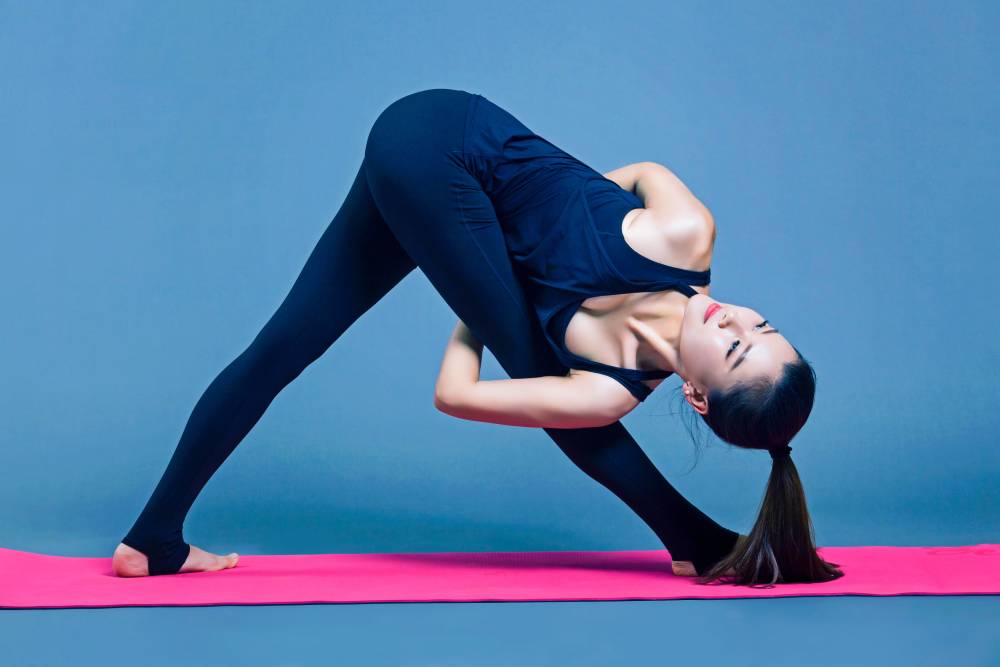
Select workout clothes made from natural fibers like cotton or bamboo. These materials allow air to flow and absorb sweat well. Moisture-wicking fabrics are also good choices. They pull sweat away from the skin and dry quickly. Avoid tight leggings made of nylon or polyester. Loose-fitting shorts or pants improve ventilation and reduce moisture buildup. Breathable gear keeps you cool and lowers yeast infection chances.
Seasonal Clothing Choices
Adjust your clothing to match the season’s temperature and humidity. In hot weather, wear lightweight, loose clothes to prevent sweating. In cooler months, layer with breathable fabrics to avoid overheating. Avoid wearing damp clothes for long periods after exercise. Change quickly into dry garments to keep the skin fresh. Seasonal choices help maintain a clean and dry environment, reducing yeast infection risks.
When To See A Doctor
Knowing when to see a doctor is important if you suspect a yeast infection. Early care helps avoid complications and brings faster relief. Some symptoms may seem mild but still need medical attention. Understanding signs that need a doctor’s visit keeps you safe and healthy.
Recognizing Symptoms Early
Watch for itching that lasts more than a few days. Notice any unusual discharge that looks thick or white. Burning or pain during urination or sex can also be a warning. Redness and swelling around the vaginal area often signal infection. Early recognition helps start treatment quickly and reduce discomfort.
Treatment Options For Yeast Infections
Doctors often prescribe antifungal creams or oral medicine. These medicines kill the yeast causing the infection. Over-the-counter treatments may work for mild cases. Persistent or severe infections need stronger prescriptions. A doctor can also check for other health issues that cause similar symptoms.
Credit: www.panaprium.com
Frequently Asked Questions
How To Wear Leggings Without Getting A Yeast Infection?
Choose breathable, loose-fitting leggings and wear cotton underwear. Change out of wet or sweaty clothes quickly. Avoid synthetic fabrics to prevent moisture buildup and yeast infections.
Can Yoga Pants Cause Yeast Infections?
When you wear tight yoga pants, especially if they are made of non-breathable materials like spandex or polyester, sweat and wetness can get trapped. This is a great place for yeast to grow.
What Fabric Increases Yeast Infection?
Synthetic fabrics like nylon and polyester increase yeast infection risk by trapping moisture and heat near the skin. Tight, non-breathable clothing worsens this environment, promoting yeast growth. Opt for breathable cotton and loose-fitting clothes to reduce infection chances.
Can You Get A Yeast Infection From Tight Pants?
Yes, tight pants can cause yeast infections by trapping heat and moisture, promoting yeast growth. Choose loose, breathable fabrics and change out of wet clothes quickly to reduce risk.
Conclusion
Wearing yoga pants alone does not cause yeast infections. Tight, damp clothing can create a warm, moist space where yeast grows. Choose breathable fabrics and change out of sweaty clothes quickly. Cotton underwear helps keep the area dry and healthy.
Taking simple steps reduces your risk of infection. Stay comfortable and listen to your body’s signals. Preventing yeast infections starts with good hygiene and smart clothing choices.