If you practice yoga, you know your mat is more than just a piece of equipment—it’s where you spend time moving, stretching, and focusing. Over the last few years, cork yoga mats have become very popular. People see them as a natural, eco-friendly choice compared to typical PVC or rubber mats. But are cork yoga mats really good? Do they help your practice, or are they just a trend? Let’s look closely at the facts, benefits, downsides, and real experiences to see if cork yoga mats are worth your money.
What Is A Cork Yoga Mat?
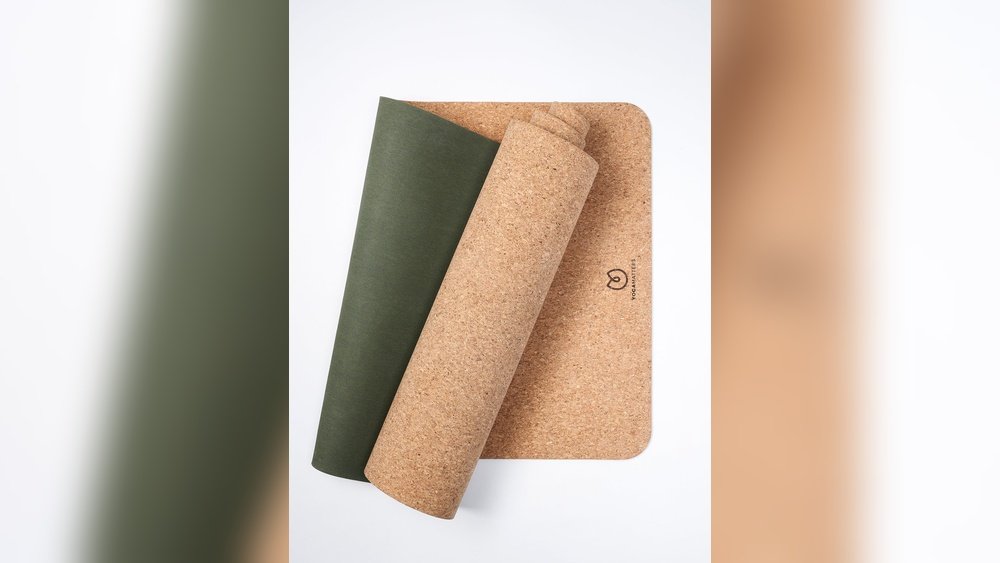
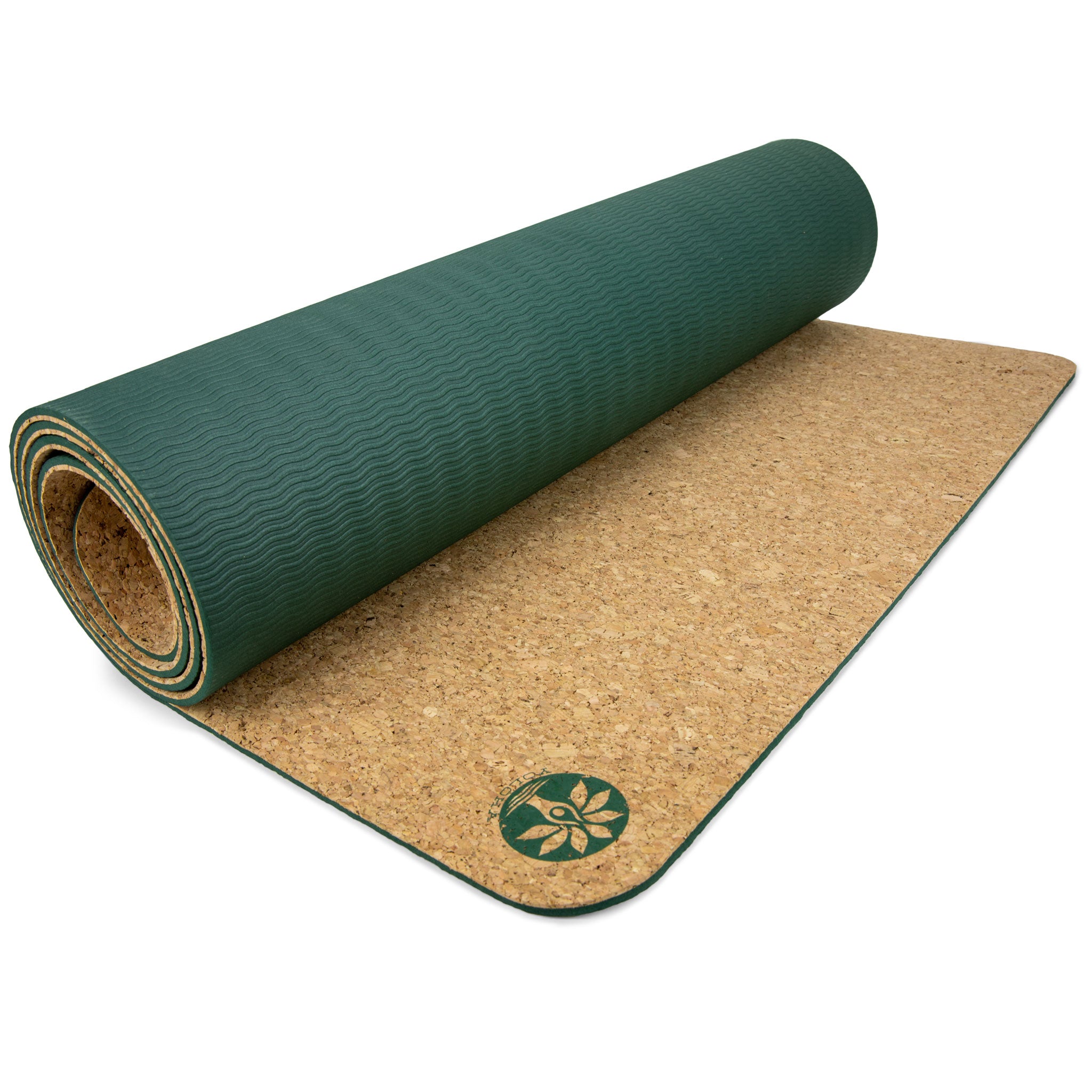
A cork yoga mat uses a layer of natural cork as the top surface. The bottom is usually made of natural rubber or sometimes recycled materials. Cork comes from the bark of cork oak trees, which regrow their bark, making it a renewable resource. Most cork yoga mats are free from PVC, plastics, and harmful chemicals.
Some mats are made with a thin cork layer (about 1-2mm), while others use thicker cork for better padding. The base layer provides grip and cushioning. This combination aims to give you a natural feel plus stability.
Key Benefits Of Cork Yoga Mats
People choose cork yoga mats for many reasons. Here are the main advantages that make cork mats stand out:
1. Natural And Eco-friendly
Cork is one of the most sustainable materials available. The cork oak tree does not need to be cut down for harvesting. Instead, only the outer bark is removed, which grows back in a few years. This process is gentle on the environment.
Most cork yoga mats are also biodegradable and free from synthetic chemicals. If you care about reducing plastic waste and supporting green products, cork is a strong option.
2. Excellent Grip—even When Sweaty
One of the most unique things about cork is its grip. When cork becomes slightly wet, the grip actually improves. This means during hot yoga or intense practice, you’re less likely to slip, unlike with PVC mats that can get slick.
Many users notice that after 10-15 minutes of practice, when their hands start to sweat a little, their cork mat becomes even more secure. This is different from rubber mats, which often get slippery.
3. Antimicrobial Properties
Cork contains a natural substance called suberin. This makes cork naturally antimicrobial—it resists bacteria, mold, and odors much better than traditional mats. For people who want a mat that stays fresh with less cleaning, cork is an attractive choice.
4. Comfort And Cushioning
Cork yoga mats tend to have a firm but comfortable feel. Many brands combine cork with natural rubber, providing a base that absorbs shock while giving support for joints. The amount of cushioning can vary, but most standard cork mats are about 4mm thick, which is enough for most yoga styles.
5. Hypoallergenic
For people with allergies or sensitive skin, cork is generally hypoallergenic. It doesn’t contain latex or strong chemical smells. This can make your yoga practice more pleasant, especially if you have sensitivities.
6. Durable And Long-lasting
Cork is a tough, flexible material. With good care, a cork yoga mat can last several years without peeling or cracking. The surface doesn’t break down quickly, even with regular use. This durability means you won’t need to replace your mat as often.
Downsides Of Cork Yoga Mats
While cork mats have many positives, they are not perfect. Here are some things to consider before buying one:
1. Heavier Than Standard Mats
Because cork mats often have a natural rubber base, they are heavier than basic foam or PVC mats. A typical cork mat weighs about 2-3kg (4-6 lbs). If you walk or travel a lot with your mat, this extra weight can be noticeable.
2. Price
Quality cork yoga mats are usually more expensive than standard mats. Prices often range from $60 to $150, depending on thickness and brand. Cheaper cork mats may use thin cork layers or synthetic bases, which can affect quality.
3. Less Cushion For Some Users
While cork-rubber mats offer some cushioning, they are firmer than many thick foam mats. If you need extra padding for your knees or joints, a cork mat might feel too hard. Some people solve this by using a thin towel or extra knee pad.
4. Not Ideal For All Flooring
On very smooth or slippery floors, some cork mats may move slightly during practice, especially if the rubber base is thin. Always check that the bottom material is grippy enough for your home or studio floor.
5. Special Care Needed
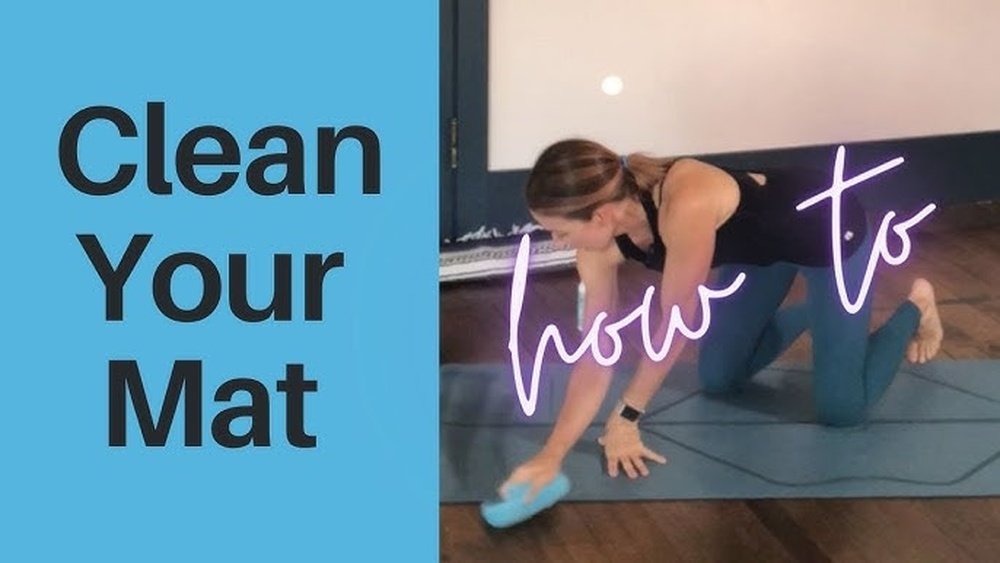
Cork mats need to be cleaned gently. Harsh chemicals or rough scrubbing can damage the cork surface. It’s best to wipe them with a damp cloth and let them air dry. Rolling them tightly or bending them sharply can also cause cracks.
Cork Yoga Mats Vs. Other Yoga Mats
How does a cork mat compare to other common types? Here is a side-by-side look at the main differences:
| Feature | Cork Yoga Mat | PVC Yoga Mat | Rubber Yoga Mat |
|---|---|---|---|
| Grip (Dry) | Good | Good | Excellent |
| Grip (Sweaty) | Improves | Slippery | Varies |
| Eco-Friendly | Yes | No | Sometimes |
| Price Range | High | Low | Medium |
| Antimicrobial | Yes | No | No |
| Weight | Heavy | Light | Medium |
This comparison shows that cork mats are leaders in eco-friendliness and antimicrobial properties. They are best for people who sweat a lot or want a mat that stays clean naturally.
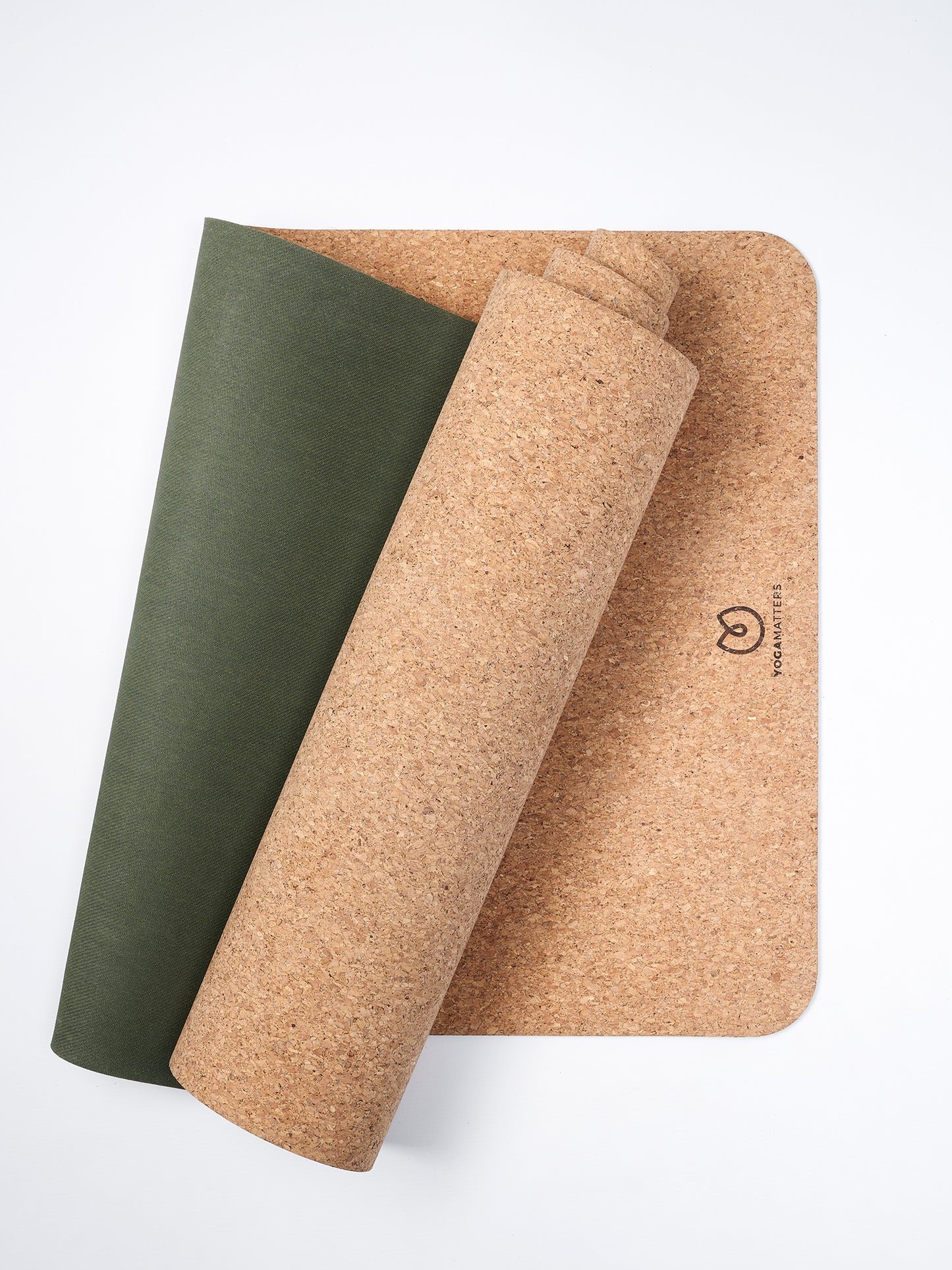
Credit: www.yogamatters.com
Real User Experiences
Let’s look at what real yoga practitioners say about cork mats:
- Sweat Test: Many users report that cork mats become grippier as you sweat. This is especially loved in hot yoga classes, where slipping is a problem on other mats.
- Smell: People often say cork mats do not have a strong chemical odor. This is a relief for those sensitive to smells.
- Longevity: Some users note their cork mats look almost new after a year of use, while others see wear on the cork layer after heavy, daily practice.
- Portability: Traveling yogis find cork mats less convenient to carry due to weight, but they still choose cork for the grip and natural feel.
- Maintenance: Most agree that cleaning is simple—just water and a cloth—but you must avoid soaking or scrubbing.
Who Should Choose A Cork Yoga Mat?
Cork yoga mats are not for everyone. Here’s who will benefit the most:
- Eco-conscious yogis: If protecting the planet is important to you, cork is one of the greenest options.
- Hot yoga and sweaty practices: People who sweat a lot will love the improved grip.
- Sensitive skin or allergies: Cork’s hypoallergenic and odor-free nature is ideal.
- Value durability: If you want a mat that lasts, cork is a solid investment.
But if you prefer a lightweight mat or need very soft cushioning, you might want to test a cork mat first or look for one with extra padding.
Credit: yolohayoga.com
How To Care For Your Cork Yoga Mat
Cork mats are easy to care for, but a few tips help keep them in top shape:
- Wipe down after each use with a damp (not wet) cloth.
- Avoid strong cleaners. Mild soap and water are enough.
- Air dry your mat before rolling up.
- Do not expose to direct sunlight for long periods, as this can dry out the cork.
- Store flat or rolled loosely. Tight rolling or folding can crack the cork.
Common Mistakes When Buying Cork Yoga Mats
Many beginners make simple mistakes when shopping for a cork mat. Here are a few to avoid:
- Choosing thin cork layers: Some cheap mats have a very thin cork layer that peels off. Look for mats with at least 1.5mm cork.
- Ignoring the base material: A natural rubber base is best for grip and eco-friendliness. Avoid mats with synthetic or PVC bases if you want a true green mat.
- Not checking the weight: If you travel, check the weight before buying. Some mats are heavy and hard to carry.
- Assuming all cork mats are the same: Quality can vary a lot. Trusted brands usually provide better durability.
Cork Yoga Mats In Numbers
To give you a clear idea, here are some key statistics about cork yoga mats compared to other types:
| Type | Avg. Weight (kg) | Avg. Price ($) | Avg. Lifespan (years) | Thickness (mm) |
|---|---|---|---|---|
| Cork | 2.5 | 85 | 3-5 | 4-5 |
| PVC | 1.2 | 25 | 1-2 | 3-6 |
| Rubber | 2.0 | 60 | 2-4 | 4-6 |
These numbers show that cork mats are heavier and pricier, but they last longer and are thicker than basic mats.
What To Look For When Buying A Cork Yoga Mat
When shopping for a cork yoga mat, focus on these details:
- Thickness: 4-5mm is good for most people. Thicker mats provide more comfort but are heavier.
- Cork quality: Look for all-natural cork with no fillers. Higher-quality cork lasts longer.
- Base material: Natural rubber is best. It’s eco-friendly and non-slip.
- Brand reputation: Well-known brands often provide better customer service and warranties.
- User reviews: Check real user experiences for durability and grip.
Non-obvious Insights: What Most Beginners Miss
- Grip improves after a few sessions: New cork mats can feel slippery when dry. After some use, oils and sweat help activate the natural grip. Don’t judge the mat on your very first try.
- Temperature sensitivity: Cork can feel cold in winter and warm in summer. Storing your mat in a room-temperature space helps keep it comfortable during practice.
- Cork thickness affects feel: A thicker cork layer adds comfort but can make the mat heavier and less flexible. For travel, a thinner mat might be better.
Frequently Asked Questions
Are Cork Yoga Mats Really Non-slip?
Yes, cork yoga mats provide excellent grip, especially when your hands or feet are slightly sweaty. The grip actually improves as the mat gets damp, which is different from most synthetic mats.
How Do You Clean A Cork Yoga Mat?
Cleaning is simple—wipe with a damp cloth after each use. For deeper cleaning, use mild soap and water. Avoid harsh chemicals or soaking the mat, as this can damage the cork.
Can I Use A Cork Yoga Mat For All Types Of Yoga?
Cork mats work well for most styles, including hot yoga, vinyasa, and yin yoga. However, if your practice involves a lot of floor work or you need extra padding, you may want a thicker mat or an additional knee pad.
Are Cork Yoga Mats Safe For People With Latex Allergies?
Most cork yoga mats are safe, but some use a natural rubber base, which can contain latex. Check with the manufacturer if you have a severe allergy. There are some cork mats with latex-free bases.
Where Can I Find More Information On Cork And Sustainability?
You can read more about cork’s sustainability and harvesting process on the official Wikipedia page for cork material.
Yoga is a personal journey, and the right mat can make a big difference. Cork yoga mats offer a mix of comfort, grip, and eco-friendly values that appeal to many practitioners. While they may cost more and be heavier, the natural feel and durability are hard to beat. If you sweat a lot or want a mat that stays fresh and clean, cork is a strong choice. Take the time to try one in person, and see if it supports your practice as well as your values.

Credit: yolohayoga.com