
Are you ready to deepen your yoga practice and discover a powerful, disciplined approach that transforms both body and mind? Ashtanga Vinyasa Yoga offers a unique blend of strength, flexibility, and focus through a fixed sequence of poses linked with breath and movement.
Unlike other styles that change with each class, Ashtanga follows a set path designed to build your endurance and mental clarity step by step. Whether you’re looking to challenge yourself physically or cultivate a steady, mindful routine, this practice can guide you there.
Keep reading to find out what makes Ashtanga Vinyasa Yoga special, how it differs from other yoga styles, and why so many people in Austin, Texas, and beyond are embracing it as a way to grow stronger inside and out.

Credit: lottmusicstudio.com
Origins And Philosophy
Ashtanga Vinyasa Yoga holds a special place in the world of yoga. It is known for its disciplined practice and deep roots in ancient tradition. This style combines breath, movement, and focus to create a flowing sequence of postures. Understanding its origins and philosophy helps to appreciate its unique approach.
The practice is more than physical exercise. It is a path to mental clarity and spiritual growth. The philosophy behind Ashtanga guides practitioners to develop strength, flexibility, and mindfulness in every session.
Roots Of Ashtanga Yoga
Ashtanga Yoga comes from the teachings of the great yogi Sri T. Krishnamacharya. He passed this method to his student, Sri K. Pattabhi Jois. Jois made Ashtanga famous worldwide in the 20th century. The practice is based on the ancient text, the Yoga Korunta. It outlines a fixed sequence of poses linked by breath and movement. The word “Ashtanga” means “eight limbs,” referring to the eight limbs of yoga described by Patanjali.
Core Principles
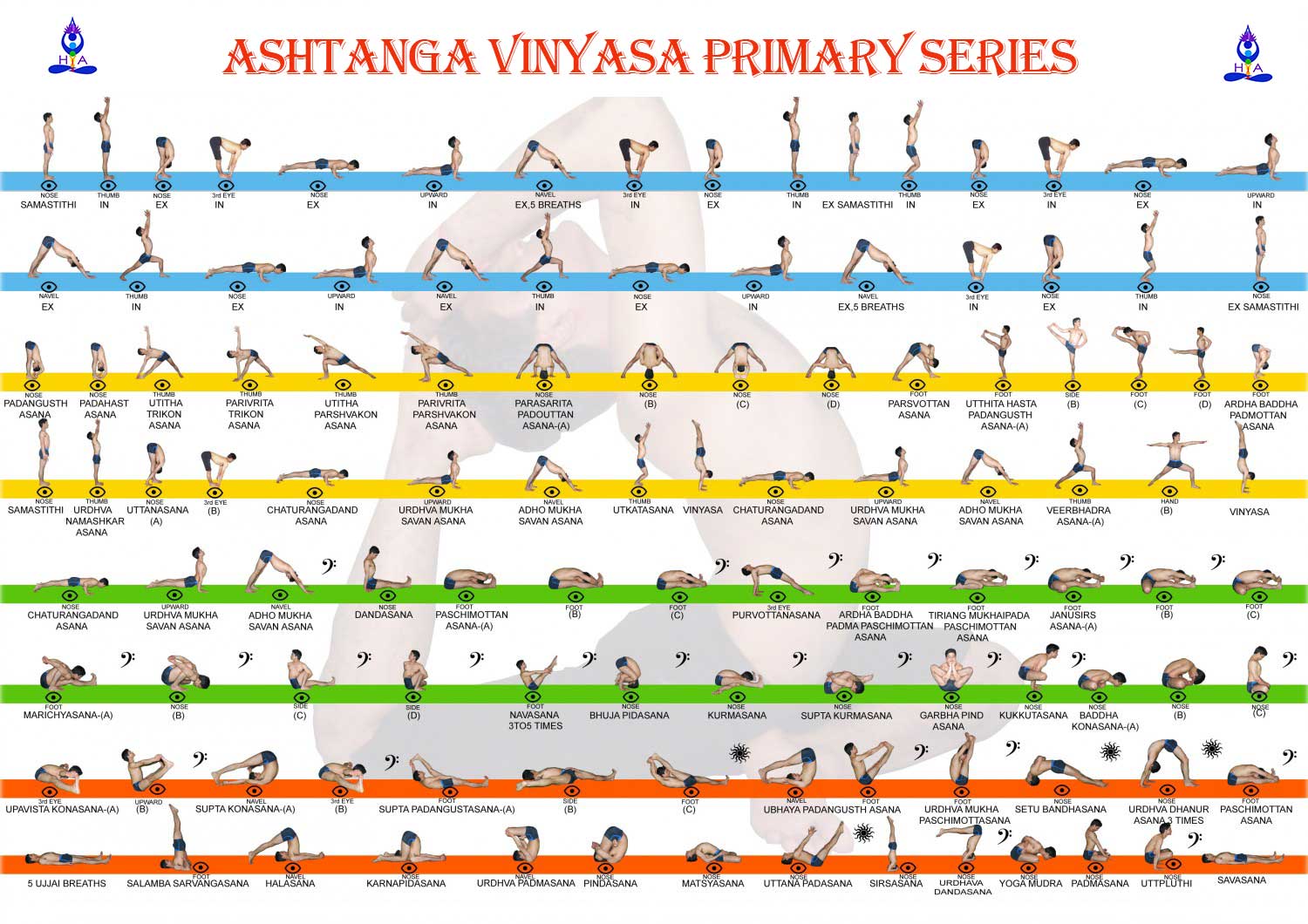
The core of Ashtanga Yoga rests on discipline and consistency. Practitioners follow set series of postures every time. This repetition builds strength and focus. Breath control, or “ujjayi” breathing, helps maintain rhythm and energy. Drishti, or gaze points, sharpen concentration. Together, these principles create a moving meditation. The practice encourages self-discipline and inner awareness.
Tristhana Focus
Tristhana means “three places of attention.” These are breath, posture, and gaze. Breath links each movement and posture smoothly. Proper alignment and engagement ensure safe and effective poses. The gaze point steadies the mind and reduces distractions. This trio forms the foundation of every Ashtanga practice. It helps unite body and mind in harmony.
Credit: himalayanyoganepal.com
Key Components
The key components of Ashtanga Vinyasa Yoga create a unique and powerful practice. These elements work together to build strength, focus, and flexibility. Each part supports the others, making the experience complete and balanced.
Understanding these components helps deepen your practice and improve your skills. The core aspects include breath and movement synchronization, drishti and concentration, and the vinyasa flow system. Each plays a vital role in the discipline and rhythm of Ashtanga Yoga.
Breath And Movement Synchronization
Breath guides every movement in Ashtanga Vinyasa Yoga. This connection is called “ujjayi” breathing. It creates a steady rhythm to follow during poses. The breath controls the pace and helps maintain focus.
Synchronizing breath with movement improves strength and endurance. It calms the mind and energizes the body. This steady breathing pattern also reduces injury risk by promoting smooth transitions.
Drishti And Concentration
Drishti means “gaze” or “focus point.” Each pose has a specific drishti to maintain. This practice helps develop mental concentration and mindfulness. Keeping the eyes fixed trains the mind to stay present.
Focused drishti reduces distractions during practice. It increases body awareness and balance. This mental training supports emotional calmness and clarity off the mat.
Vinyasa Flow System
The vinyasa flow system links poses through breath and movement. It forms a continuous and fluid sequence. This flow builds heat in the body, detoxifying and strengthening muscles.
Each series in Ashtanga follows a fixed order of poses. This structure develops discipline and consistency. The flow keeps the practice dynamic and challenging but safe.
Practice Structure
The practice structure of Ashtanga Vinyasa Yoga is clear and disciplined. It follows a set sequence of poses, creating a strong foundation for steady progress. Each session combines breath, movement, and focus. This structure helps build strength, flexibility, and mental clarity. Students move through different series based on skill and experience. The practice style encourages self-discipline and personal growth.
Primary Series Breakdown
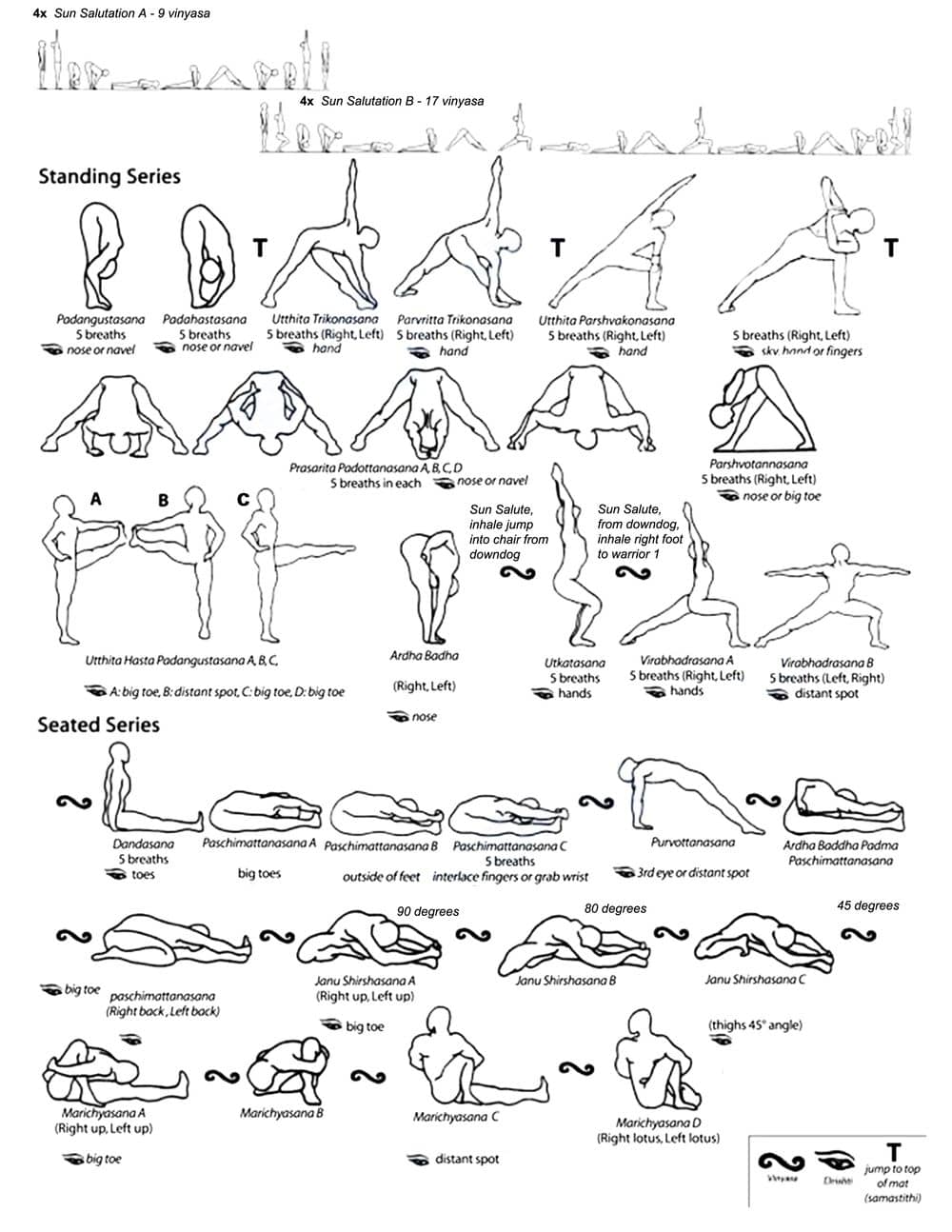
The Primary Series is the first and most taught sequence. It focuses on detoxifying and aligning the body. The series includes sun salutations, standing poses, seated postures, and finishing poses. Breath and movement are tightly linked in each pose. This series builds stamina, flexibility, and balance. Beginners often start here to develop a strong yoga base.
Intermediate And Advanced Series
The Intermediate Series is more challenging and purifies the nervous system. It features deep backbends and twists. The Advanced Series is even tougher, requiring strength, flexibility, and focus. These sequences demand regular practice and dedication. They help deepen the physical and mental aspects of yoga. Progressing through these series takes time and patience.
Mysore Style Practice
Mysore style is a self-led form of Ashtanga practice. Students practice at their own pace with guidance from a teacher. The teacher offers adjustments and instructions quietly. This style encourages independence and personal focus. Mysore practice suits those who want to deepen their practice. It allows for individual progress and self-awareness.
Led Class Format
Led classes follow the traditional sequence with verbal guidance. The teacher calls out each pose and breath count. This format suits beginners and groups. It creates a supportive environment to learn the flow. Led classes help students understand timing and transitions. They offer structure and community in practice.
Physical Benefits
Ashtanga Vinyasa Yoga offers many physical benefits that improve overall body health. It is a dynamic practice that combines breath and movement. The practice builds strength, flexibility, and stability. Each session challenges the body and helps develop better control. Practicing regularly can lead to noticeable physical improvements.
Building Strength
Ashtanga Vinyasa Yoga strengthens muscles throughout the body. The fixed sequence of poses requires sustained effort. Holding postures builds endurance and muscle power. It targets both large and small muscle groups. Over time, practitioners gain more physical strength and stamina.
Enhancing Flexibility
The continuous flow in Ashtanga increases joint flexibility. Stretching in each pose lengthens muscles and connective tissue. The practice encourages a greater range of motion. Flexibility improves gradually with consistent practice. This helps reduce muscle tightness and stiffness.
Improving Core Stability
Core muscles play a key role in Ashtanga Vinyasa Yoga. The poses engage the abdomen and lower back deeply. This engagement strengthens the core and supports better posture. Improved core stability enhances balance and body control. It also protects the spine during movements and daily activities.
Mental And Emotional Benefits
Ashtanga Vinyasa Yoga offers more than physical strength. It deeply impacts the mind and emotions. Regular practice calms the mind and balances feelings. This yoga style requires focus and rhythm, which helps clear mental clutter. The steady flow of poses connects breath and movement, encouraging mental calmness and emotional stability.
Boosting Focus And Discipline
Ashtanga Vinyasa Yoga follows a fixed sequence of poses. This repetition trains the mind to stay attentive. Practicing daily builds strong mental discipline. Students learn to concentrate on breath and movement. This focus helps reduce distractions in daily life. Over time, the mind becomes sharper and more alert.
Stress Reduction Techniques
The breathing method used in Ashtanga calms the nervous system. Controlled breath slows the heart rate and relaxes muscles. Flowing through poses diverts attention from stress. The steady rhythm creates a peaceful mental state. Practicing regularly helps lower anxiety and tension. This yoga offers a natural way to manage stress.
Developing Mental Stamina
Ashtanga Vinyasa is physically demanding and requires mental strength. Holding difficult poses builds patience and endurance. The continuous practice pushes the mind to stay strong. Learners develop resilience and emotional control. Mental stamina grows alongside physical power. This quality improves handling challenges inside and outside yoga practice.
Ashtanga Vs. Vinyasa
Ashtanga and Vinyasa Yoga often confuse beginners due to their similar names and flowing movements. Both styles link breath with movement, creating a smooth practice. Despite these similarities, they differ in structure, creativity, and tradition. Understanding these differences helps choose the right path for your yoga journey.
Sequence Consistency
Ashtanga Yoga follows a fixed sequence of poses. Each practice repeats the same series every time. This consistency builds strength and familiarity. Vinyasa Yoga changes its sequence in every class. Teachers design new flows to keep the practice fresh. This variety appeals to those who enjoy change and exploration.
Creativity And Flow Differences
Vinyasa Yoga encourages creativity in linking poses. Flow moves smoothly from one posture to another. Teachers and students can explore new transitions and rhythms. Ashtanga focuses on precise, traditional movements. The flow is steady but less variable. It emphasizes alignment and breath control in each pose.
Discipline And Tradition
Ashtanga Yoga demands strong discipline and respect for tradition. Practitioners memorize sequences and follow strict rules. It requires commitment to regular practice. Vinyasa Yoga offers more freedom and flexibility. It adapts to different skill levels and moods. Ashtanga suits those who thrive on routine and structure.
Challenges And Adaptations
Ashtanga Vinyasa Yoga offers a powerful practice, but it comes with challenges. These challenges test strength, flexibility, and focus. Adaptations help students progress safely and confidently. Understanding common struggles and ways to adjust supports steady growth in this disciplined style.
Difficulty For Beginners
Beginners often find Ashtanga Vinyasa Yoga intense and demanding. The fixed sequence can feel overwhelming at first. The fast pace requires stamina and coordination. Learning the breath and movement link adds complexity. Patience and regular practice are essential for improvement.
Common Physical Challenges
Many practitioners face tight hips, hamstrings, and shoulders. Balancing poses may cause frustration and instability. Wrist and lower back discomfort happen often. The deep forward bends and backbends need gradual flexibility. Muscle fatigue is common during the Primary Series.
Gradual Learning Approaches
Starting slow helps prevent injury and burnout. Teachers often suggest modifying poses or skipping difficult ones. Using props like blocks or straps can ease strain. Mysore-style self-practice allows learning at a personal pace. Consistency builds strength and flexibility over time.
Community And Teaching
Ashtanga Vinyasa Yoga thrives not only on its disciplined practice but also on the vibrant community and dedicated teaching behind it. The shared journey of learning and growth creates strong bonds among practitioners. Teachers guide students through the demanding sequences while fostering a supportive atmosphere. This section explores the important role of instructors, the strength of yoga communities, and ways to find local classes.
Role Of Instructors
Instructors serve as guides and motivators in Ashtanga Vinyasa Yoga. They teach the precise sequence of poses and breathing techniques. Their experience helps students avoid injury and improve steadily. Teachers also encourage patience and discipline, key traits in this style. Many offer personalized tips to match each student’s pace. A skilled instructor transforms the challenge of Ashtanga into an achievable path.
Supportive Yoga Communities
Community support is vital for Ashtanga practitioners. Regular group classes build friendships and shared goals. Members often exchange advice and celebrate progress together. A positive atmosphere uplifts those facing the physical demands of practice. Many find that belonging to a yoga community increases motivation and joy. These groups create a safe space for learning and self-discovery.
Finding Local Classes
Finding nearby Ashtanga Vinyasa Yoga classes is easier than ever. Many studios offer Mysore-style self-practice and led classes. Start by checking local yoga centers or community boards. Social media and yoga forums also list class schedules. Visiting a class before joining helps understand the teaching style. Consistency in attending local sessions deepens skills and connection.
Advanced Practices
Advanced practices in Ashtanga Vinyasa Yoga demand dedication and strength. These stages push your body and mind beyond basic limits. Practicing advanced series refines focus and enhances control. The journey grows challenging but rewarding.
Exploring Fifth Series
The Fifth Series is the most difficult set of postures. It requires extreme flexibility and power. Few practitioners reach this level. This series tests endurance and concentration intensely. Each pose builds on mastery from earlier series.
Deepening The Practice
Deepening means refining breath and movement coordination. It involves tuning into subtle body sensations. Practitioners improve balance and inner calm over time. This stage enhances the connection between mind and body. Regular practice brings clarity and peace.
Maintaining Long-term Discipline
Discipline is vital for lasting progress. Consistency in daily practice shapes habit and strength. Avoid rushing; focus on steady growth. Mindful rest and recovery support sustained effort. Commitment fuels transformation in advanced Ashtanga yoga.
Credit: nepalyogahome.com
Frequently Asked Questions
What Is The Difference Between Vinyasa And Ashtanga Yoga?
Ashtanga yoga follows a fixed, traditional sequence emphasizing discipline. Vinyasa yoga offers varied, creative flows focusing on breath and movement connection.
Is Ashtanga Vinyasa Yoga For Beginners?
Ashtanga Vinyasa Yoga can be challenging for beginners due to its fixed sequences and intensity. Beginners should start with Mysore-style classes for gradual learning and personalized guidance. This approach helps build strength, flexibility, and discipline safely over time.
Is Ashtanga Vinyasa Yoga Hard?
Ashtanga Vinyasa Yoga is challenging due to its fixed, intense sequences. Beginners may find it tough but improve with consistent practice and Mysore-style guidance.
What Is The Meaning Of Ashtanga Vinyasa Yoga?
Ashtanga Vinyasa Yoga is a dynamic, structured practice linking breath, movement, and gaze through fixed sequences. It builds strength, flexibility, and focus.
Conclusion
Ashtanga Vinyasa Yoga offers a strong, steady path for body and mind. Its set sequences build strength, flexibility, and focus over time. Practicing regularly helps improve breathing, posture, and concentration. The discipline it requires can challenge beginners but rewards patience and effort.
Many find a supportive community in Mysore-style classes, where learning happens at your own pace. Whether starting out or deepening practice, Ashtanga guides growth with clear steps. This yoga style connects movement and breath in a mindful flow. It invites you to keep practicing, one pose at a time.