Have you ever wondered how a simple yoga pose can transform your core strength, balance, and focus all at once? The Boat Pose, or Navasana, is exactly that powerful move you need to add to your practice.
Whether you’re a beginner or looking to deepen your yoga routine, mastering this pose can unlock new levels of stability and energy in your body. You’ll discover how to do Boat Position Yoga the right way, why it challenges your muscles, and tips to hold the pose longer without strain.
Ready to strengthen your core and find your inner balance? Keep reading to learn everything about Boat Pose and how it can benefit your mind and body.
Credit: www.yogaeasy.com
Boat Pose Basics
Boat Pose, known as Navasana in Sanskrit, builds core strength and balance. It tones the abs, improves digestion, and enhances focus. Learning the basics helps you hold the pose safely and effectively.
Start slow and focus on your alignment. With practice, you will feel stronger and more stable in this pose.
Starting Position
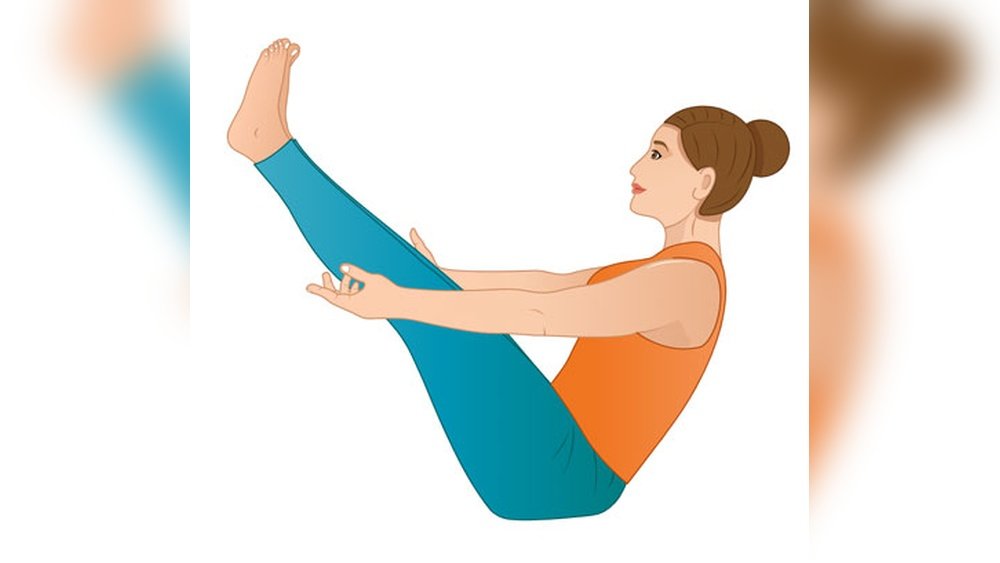
Sit on your yoga mat with your legs extended straight. Place your hands on the floor beside your hips. Keep your spine tall and chest lifted. Engage your core muscles before lifting your feet.
Step-by-step Alignment
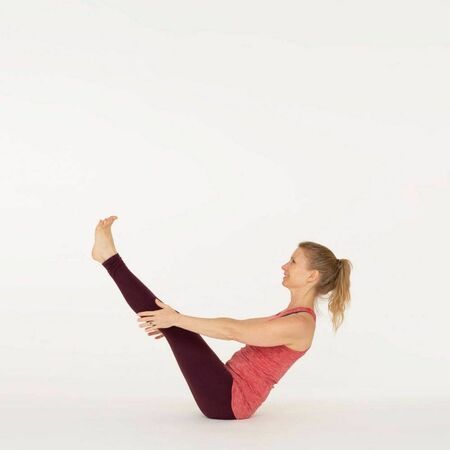
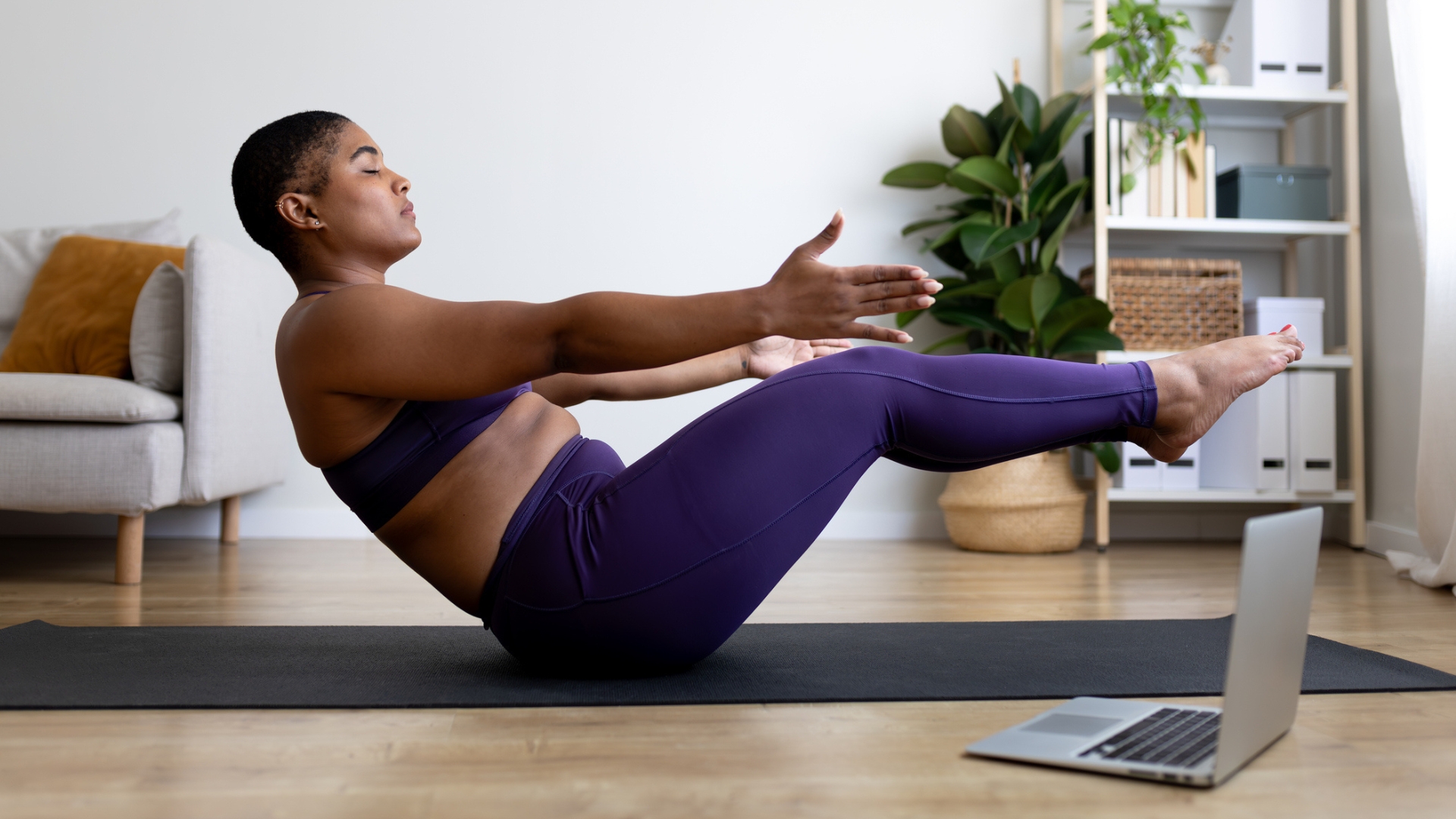
Bend your knees and lift your feet off the floor. Balance on your sitting bones. Straighten your back and extend your arms forward, parallel to the floor. Keep your gaze forward and hold the pose. Breathe deeply and evenly to maintain balance.
Common Mistakes
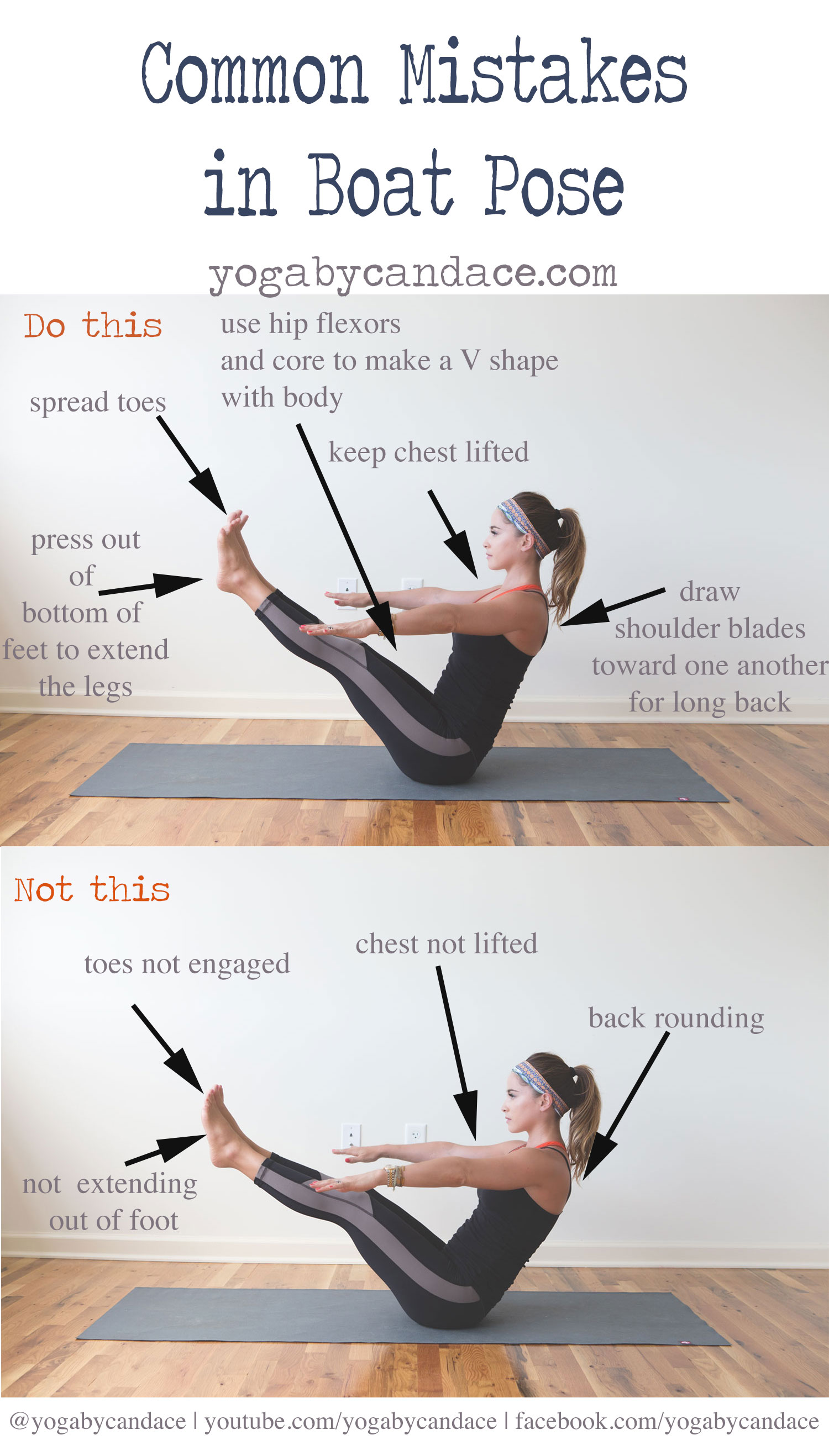
A common error is rounding the back. This reduces core engagement and strains the spine. Avoid collapsing your chest or hunching your shoulders. Do not hold your breath; keep breathing smoothly. Another mistake is locking the knees; keep them soft and slightly bent if needed.
Credit: www.fitandwell.com
Core Strength Benefits
The Boat Pose in yoga is excellent for building core strength. This pose targets key muscles that support your spine and improve posture. Strengthening your core helps in daily movements and reduces injury risk.
Holding the Boat Pose requires engaging multiple muscles at once. This engagement develops power and endurance in your abdomen and back. Over time, you will notice better control and strength in your core area.
Muscles Engaged
The Boat Pose mainly works the abdominal muscles, including the rectus abdominis and obliques. It also activates the hip flexors and lower back muscles. These muscles work together to hold your body steady in the V-shape.
Engaging these muscles builds a strong and stable core. This strength supports your spine and improves your posture. Regular practice tones your midsection and strengthens your back.
Improving Stability
Core strength from Boat Pose improves your overall stability. A strong core keeps your body balanced during movement. It helps you stay steady whether standing, walking, or exercising.
This stability lowers the chance of falls and injuries. It also supports better performance in sports and daily activities. Holding the pose challenges your muscles to maintain control and balance.
Enhancing Balance
Boat Pose enhances your balance by training your body to hold still in one position. Your core muscles must work hard to prevent wobbling. This improves your body awareness and coordination.
Better balance helps you move with confidence and ease. It supports activities like walking on uneven surfaces or standing on one leg. Practicing Boat Pose regularly sharpens your balance skills.
Flexibility Gains
Boat Position Yoga, also known as Navasana, enhances flexibility in key body areas. It targets muscles that often feel tight and stiff. Practicing this pose regularly improves your range of motion.
The stretch and balance involved help open up hips, spine, and hamstrings. This leads to better posture and less muscle tension.
Hip Flexor Stretch
Boat Pose deeply stretches the hip flexors. These muscles connect your hips to your thighs. Sitting for long hours tightens them, causing discomfort. Navasana lengthens these muscles gently but effectively.
Improved hip flexibility helps in daily movements and other yoga poses. It also reduces lower back pain linked to tight hips.
Spine Mobility
Holding Boat Pose requires a straight, strong spine. This action increases spinal flexibility and strength. It encourages better alignment and eases stiffness from long periods of sitting.
Enhanced spine mobility supports overall balance and reduces injury risks. Your back feels lighter and more flexible with practice.
Hamstring Lengthening
Navasana stretches the hamstrings as you lift your legs and extend your arms. Tight hamstrings limit many movements and cause discomfort. Regular practice slowly lengthens these muscles, improving leg flexibility.
Longer hamstrings help with walking, running, and other physical activities. They also ease pressure on your lower back and knees.
Breath Control Tips
Breath control is key in Boat Pose yoga. It helps keep balance and focus. Proper breathing supports muscles and reduces tension. Following simple breath control tips improves your practice. It makes holding the pose easier and safer.
Breathing Techniques
Use deep, steady breaths while in Boat Pose. Breathe in through your nose slowly. Let your belly rise as you inhale. Exhale fully through your nose or mouth. This helps keep your core engaged and stable. Avoid shallow breaths that cause tension.
Avoiding Breath Holding
Never hold your breath during Boat Pose. Breath holding reduces oxygen to your muscles. It causes fatigue and makes the pose harder. Focus on smooth, continuous breathing. This keeps your energy steady and your muscles relaxed.
Maintaining Oxygen Flow
Keep oxygen flowing to support muscle strength. Controlled breathing enhances blood circulation. It helps your body stay calm and focused. Use slow inhalations and exhalations to maintain balance. This improves endurance and helps you hold Boat Pose longer.
Modifications For Beginners
The Boat Pose, or Navasana, challenges core strength and balance. Beginners may find it difficult to hold the pose perfectly. Simple modifications help ease into the posture safely. These adjustments reduce strain while building strength. Practicing with modifications allows steady progress and confidence.
Using Props
Props make the Boat Pose more accessible. A yoga strap around the feet helps keep the legs steady. Sitting on a folded blanket lifts the hips for better posture. Blocks placed under the hands offer extra support and stability. Props reduce tension and improve alignment.
Knee Bend Variations
Bending the knees softens the challenge of Boat Pose. Keep the knees bent and feet flat on the floor. Gradually lift one foot at a time as strength grows. This variation eases pressure on the lower back. It builds core muscles without overstraining.
Wall Support
Use a wall for balance and confidence. Sit with your back against a wall to support the spine. Press the feet flat on the floor while leaning slightly back. The wall prevents falling backward and helps maintain form. Over time, reduce wall support as strength increases.
Credit: www.yogabycandace.com
Common Challenges
The Boat Pose, or Navasana, is a powerful yoga position for strengthening the core. Many practitioners face some common difficulties while holding this pose. These challenges can affect your form and comfort. Understanding these issues helps improve your practice safely and effectively.
Lower Back Strain
Lower back strain often occurs due to weak core muscles. When the abs are not strong enough, the lower back takes extra pressure. This can cause pain or discomfort during the pose. To reduce strain, engage your belly muscles and avoid collapsing the chest forward.
Fatigue In Spinal Erectors
The spinal erectors are muscles along your spine that keep you upright. Holding Boat Pose requires these muscles to work hard. Fatigue here can make it difficult to maintain balance. Rest briefly if you feel tired and focus on slow, controlled breathing to support these muscles.
Maintaining Flat Back
Keeping a flat back is essential in Boat Pose. A rounded back reduces the pose’s benefits and can cause discomfort. Many find it hard to straighten the spine while lifting the legs. Use your hands behind the thighs for support and lift your chest to help keep the back flat.
Advanced Variations
Boat Pose, or Navasana, builds strong core muscles and improves balance. Advanced variations deepen these benefits and challenge your body further. They require focus and control to maintain stability and form. These poses also engage different muscle groups for a complete workout.
Try these advanced Boat Pose variations to enhance your practice and core strength.
Extended Leg Boat Pose
Stretch your legs fully while keeping your spine straight. This pose increases the intensity on your abdominal muscles. Keep your toes pointed and legs strong. Avoid rounding your back to protect your spine. Hold the position for several breaths to build endurance.
Boat Pose With Twist
Add a twist to engage your oblique muscles deeply. From Boat Pose, rotate your torso to one side. Extend your arms in line with your shoulders for balance. Keep your legs lifted and steady. This variation improves spinal mobility and tones the waist.
Dynamic Boat Flows
Move smoothly between Boat Pose and other core-focused postures. For example, lower your legs toward the floor and lift them back up. Flowing builds strength and challenges your control. Keep your breath steady and movements controlled. This dynamic practice boosts stamina and core power.
Integrating Boat Pose
Integrating Boat Pose into your yoga routine builds strong core muscles and improves balance. This pose, also called Navasana, tones the belly and strengthens the spine. It challenges your focus and breath control, creating a sense of calm and power.
Practicing Boat Pose regularly helps with posture and digestion. It also prepares your body for more advanced yoga poses. Start slowly and add it to your sequences for steady progress.
Core Workout Sequences
Boat Pose is perfect for core strengthening workouts. Combine it with planks and boat crunches for a full abdominal session. Hold the pose for 20 to 30 seconds, then rest. Repeat three to five times for best results.
Include boat pose after warm-up exercises to activate your muscles. It helps build endurance and supports your lower back. Avoid holding your breath to keep muscles energized.
Yoga Flow Combinations
Boat Pose fits well into many yoga flows. Try pairing it with Cat-Cow stretches to warm the spine. Follow it with seated forward bends to stretch your hamstrings and calm the mind.
Use it as a transition between standing and seated poses. It balances strength and flexibility in your practice. Move smoothly in and out of Boat Pose to maintain breath and focus.
Daily Practice Tips
Practice Boat Pose daily for steady core improvement. Start with short holds and increase time gradually. Focus on keeping your back straight and chest lifted.
Use a yoga strap around your feet if you find it hard to hold. Keep your neck relaxed and gaze forward. Consistency matters more than duration for lasting benefits.
Comparing Difficult Poses
Boat Pose, or Navasana, ranks among the challenging yoga positions. Comparing it with other tough poses helps understand its unique demands. Each pose tests different aspects of strength, balance, and flexibility. This section breaks down these differences to give a clear picture.
Core Demands Versus Flexibility
Boat Pose heavily relies on core strength. The abdominal muscles keep the body lifted and stable. Unlike some poses that need deep flexibility, Navasana focuses more on muscle control. Flexibility in hamstrings and hips helps but is less critical. Other difficult poses might require bending or twisting deeply. In contrast, Boat Pose asks for a strong, steady center.
Balancing Challenges
Balancing in Boat Pose means holding the body in a “V” shape. This requires a fine control of the body’s weight. Some poses test balance by standing on one foot or hands. Boat Pose challenges balance through core engagement and hip strength. Maintaining stillness is key to avoid tipping backward or forward. Balance here depends more on muscle coordination than on external support.
Strength Requirements
Strength is crucial for Boat Pose. It demands powerful abdominal, hip flexor, and back muscles. Holding the pose strengthens the spine and improves posture. Other difficult poses might need arm or leg strength more than core. Navasana’s unique strength need lies in lifting and holding the legs and torso off the floor. This builds endurance and muscle tone in the midsection.
Frequently Asked Questions
Why Is Boat Pose So Hard?
Boat pose challenges core and spinal erector strength while requiring balance and breath control. Holding breath reduces oxygen, increasing difficulty.
How To Do A Boat Pose In Yoga?
Sit with knees bent and feet flat. Lean back slightly, lift feet off floor, balancing on sit bones. Extend arms forward, keep spine straight. Hold core tight, maintain steady breath. Straighten legs to form a V shape for full boat pose.
How Long Should You Hold The Boat Pose?
Hold the boat pose (Navasana) for 15 to 30 seconds. Gradually increase duration as your core strength improves. Rest and repeat 2-3 times.
What Is The Hardest Position In Yoga?
The hardest yoga poses include Scorpion Handstand, Foot Behind the Head, and Eight Angle Pose. They demand extreme balance, flexibility, and core strength.
Conclusion
Boat Position Yoga builds strong core muscles and improves balance. Practice it regularly for better posture and focus. Start slow, keep your back straight, and breathe deeply. This pose strengthens your spine and tones your abs. You will feel more energized and calm after each session.
Enjoy the benefits of this simple yet powerful yoga pose. Stay patient and consistent to see steady progress. Yoga helps your body and mind work in harmony. Try Boat Pose today and feel the positive change.