The bridge position, also known as Setu Bandhasana in yoga, is one of the most popular and accessible backbends. Whether you are new to yoga or have years of practice, this pose offers unique benefits for your body and mind. It is simple enough for beginners but can be made more challenging for advanced practitioners. Many people try bridge pose to relieve back pain, improve posture, or just to feel more relaxed after a long day.
This pose is more than just lifting your hips off the floor. Bridge position yoga works deeply on muscles, flexibility, and even your breathing. It is a gentle way to open the chest and shoulders, stretch the spine, and activate your legs.
Unlike some complicated backbends, you can practice bridge pose almost anywhere, with or without props. Even small changes in how you do the pose can make a big difference in its effect.
Let’s explore what the bridge position is, how to do it safely, its main benefits, common mistakes, and ways to modify the pose for different needs. Along the way, you’ll find practical tips, real-life examples, and answers to questions beginners often have about this classic yoga posture.
What Is Bridge Position Yoga?
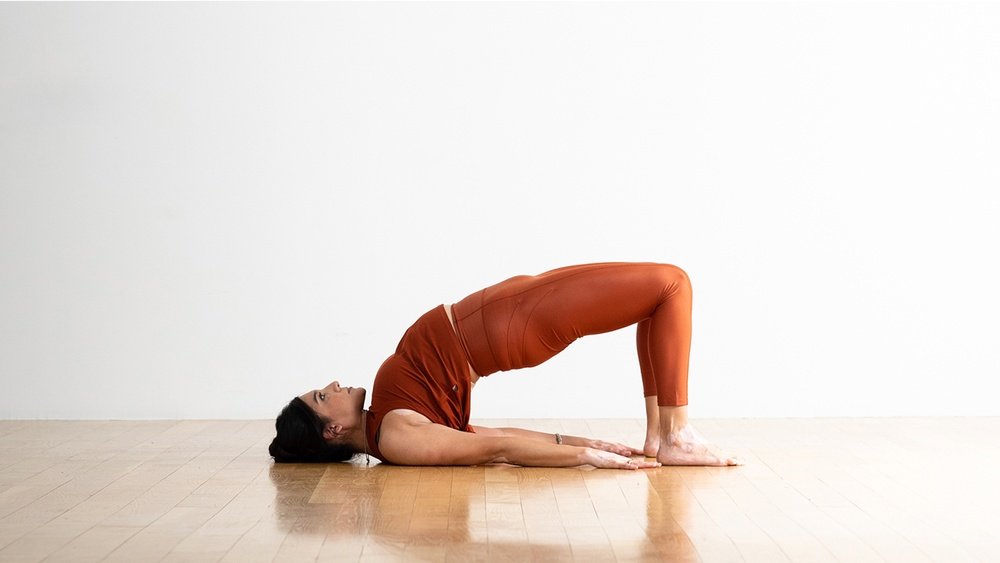
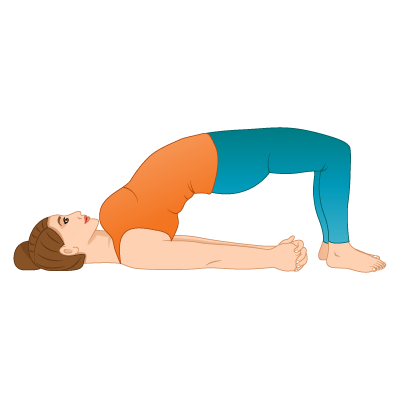
The bridge position is a reclining backbend where you lie on your back and lift your hips, creating an arch from your shoulders to your knees. The name comes from its appearance: your body forms a shape similar to a small bridge.
In Sanskrit, it is called Setu Bandha Sarvangasana:
- Setu means bridge
- Bandha means lock or bind
- Sarva-anga means whole body
- Asana means pose
So, the full name means “bridge pose for the whole body. ” It is commonly practiced in Hatha, Vinyasa, and Restorative yoga classes. The bridge position is considered a gentle backbend and is often used as a preparation for deeper poses or as a counter-pose after forward bends.
Step-by-step Guide: How To Do Bridge Position
Learning the correct way to do bridge pose is important to get its full benefits and avoid injury. Here’s a detailed guide:
- Start by lying on your back on a yoga mat. Keep your arms beside your body, palms facing down.
- Bend your knees and bring your feet flat to the floor, about hip-width apart. Your heels should be close enough that you can touch them with your fingertips.
- Press your feet and arms firmly into the ground.
- Lift your hips slowly toward the ceiling. Try to keep your thighs and feet parallel.
- Roll your shoulders under your back, bringing your shoulder blades closer together. This helps open your chest.
- Clasp your hands under your back if comfortable, or keep your arms flat with palms down for more support.
- Hold the pose for 5–10 breaths, keeping your knees over your ankles and your chin away from your chest.
- To come down, unclasp your hands and slowly lower your back, vertebra by vertebra, until your hips rest on the floor.
Helpful tip: If your lower back feels tight, only lift your hips as high as comfortable. You can place a yoga block under your sacrum (the bony part above your tailbone) for extra support.
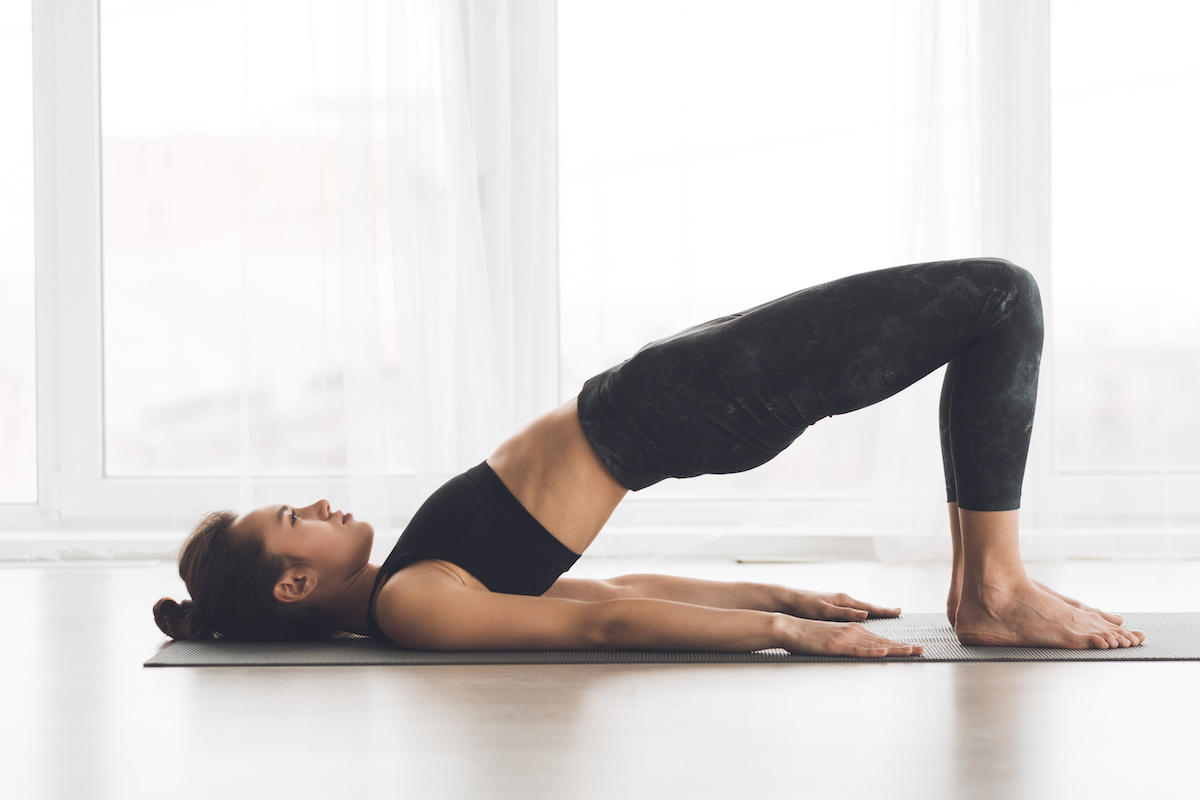
Credit: www.masterclass.com
Physical And Mental Benefits
Practicing bridge position yoga gives your body and mind a wide range of benefits. Many people notice improvements after just a few weeks of regular practice.
Physical Benefits
- Stretches the chest, neck, and spine: The pose opens the front side of your body and helps lengthen the spine.
- Strengthens the legs and glutes: Lifting the hips uses muscles in the thighs and buttocks.
- Improves posture: By strengthening the back and opening the shoulders, bridge pose helps correct slouched posture.
- Stimulates abdominal organs: The gentle pressure on the belly can support digestion.
- Reduces back pain: Gentle backbends often relieve tension and discomfort in the lower back.
Mental Benefits
- Reduces stress: The pose helps release tension in the body, which can calm the mind.
- Boosts energy: Backbends are often uplifting and help you feel more awake.
- Improves focus: Holding the pose and coordinating your breath with movement brings attention to the present moment.
Non-obvious insight: Many beginners miss the breath in bridge pose. Smooth, steady breathing can deepen the stretch and make the pose more comfortable.
Variations And Modifications
Bridge position yoga can be adapted for different levels, body types, and physical needs. Here are some common ways to modify or intensify the pose:
For Beginners
- Use a yoga block: Place a block under your sacrum for extra support, turning bridge pose into a restorative posture.
- Keep arms at your sides: If clasping hands is uncomfortable, leave your arms on the floor with palms down.
For Advanced Practitioners
- One-legged bridge: Lift one leg straight up while holding the pose, then switch sides. This increases strength and balance.
- Supported bridge with extended arms: Interlace fingers under your back and press your arms firmly for a deeper chest opening.
For Back Pain Or Limited Flexibility
- Small lift: Only raise your hips a few inches, focusing on comfort and alignment.
- Blanket support: Place a folded blanket under your shoulders to reduce pressure on your neck.
Comparison Of Common Modifications
Here’s how different bridge pose modifications compare in terms of support and intensity:
| Modification | Support | Intensity | Best For |
|---|---|---|---|
| Block under sacrum | High | Low | Beginners, Restorative |
| One-legged bridge | Medium | High | Advanced, Strength |
| Blanket under shoulders | Medium | Low | Neck Safety |
Practical tip: If you feel pain in your knees or lower back, try a supported version before advancing.
Common Mistakes And How To Avoid Them
Even though bridge pose looks simple, beginners often make small mistakes that can limit the benefits or even cause discomfort. Here are the most frequent errors and how to fix them:
- Knees falling outward: This reduces the work in your inner thighs and can strain your lower back. Solution: Keep knees hip-width and point them straight ahead.
- Lifting too high, too soon: Forcing a deep backbend can hurt your spine. Solution: Focus on gentle lifting and use breath to guide the movement.
- Feet too far apart: Wide feet make the pose unstable. Solution: Keep feet hip-width and parallel.
- Tension in the neck: Some people press the neck into the floor, risking injury. Solution: Keep your chin slightly away from your chest and don’t over-arch.
- Holding breath: Breath-holding increases tension. Solution: Inhale to lift, exhale to lower, and maintain steady breathing.
Non-obvious insight: Pressing your big toes and inner heels into the floor helps activate the right muscles and protect your knees.
When And How Often To Practice
Bridge position yoga fits easily into many routines. You can add it to your morning stretch, after a long day at work, or as part of a full yoga sequence. Most teachers recommend practicing bridge pose 2–4 times per week for best results, but you can do it daily as long as you feel comfortable.
Sample Weekly Practice Plan
| Day | Bridge Pose | Suggested Repetitions |
|---|---|---|
| Monday | Active | 3 sets, 8 breaths each |
| Wednesday | Supported (block) | 1 set, 2–3 minutes |
| Friday | Active + variation | 2 sets, 6 breaths each |
This balanced plan lets your body recover while building strength and flexibility.
:max_bytes(150000):strip_icc()/55-3567138-WheelPose-004-b768aa1db0ff4ba99e01947e2ffb5b84.jpg)
Credit: www.verywellfit.com
Bridge Position Vs. Other Backbends
Some people wonder how bridge pose compares to other backbends like wheel pose (Urdhva Dhanurasana) or camel pose (Ustrasana). Here’s a quick comparison:
| Pose | Difficulty | Main Focus | Who Should Try |
|---|---|---|---|
| Bridge | Beginner | Chest, spine, legs | Everyone |
| Wheel | Advanced | Deep backbend, arms | Experienced yogis |
| Camel | Intermediate | Chest, thighs | Flexible, healthy knees |
Bridge pose is the safest and most accessible of these, making it a great starting point.
Safety Tips And Precautions
Bridge position yoga is safe for most people, but there are some important things to remember:
- Avoid if you have neck or back injury: Consult a doctor or yoga therapist before practicing.
- Pregnant women: Use extra support or skip this pose if uncomfortable.
- Move slowly: Rushing increases the risk of strain.
- Stop if you feel sharp pain: Only a mild stretch should be felt.
If you have medical concerns, get advice from a certified yoga instructor or health professional before trying new poses.
The Science Behind Bridge Position Yoga
Research has shown that yoga, including gentle backbends like bridge pose, can help with physical and mental health. A study published in the Journal of Physical Therapy Science found that practicing bridge pose improved flexibility and reduced pain in people with chronic lower back discomfort.
Another study showed that regular yoga, with poses like the bridge, helped lower stress levels and improved sleep quality.
Bridge pose is often used in physiotherapy for core strength and spine mobility. By engaging the glutes, hamstrings, and lower back, it supports the body’s natural posture and can prevent long-term discomfort.
For more on the science of yoga, visit Wikipedia: Yoga as Exercise.
How To Progress And Advance
Once you feel comfortable with the basic bridge position, you can challenge yourself in different ways:
- Increase hold time: Gradually increase from 5 breaths to 30 seconds or longer.
- Try dynamic bridges: Lift and lower your hips slowly 8–10 times as a gentle flow.
- Combine with other poses: Sequence bridge pose after forward folds or before deeper backbends.
Pro tip: Always warm up with gentle stretches (like knee hugs or cat-cow pose) before attempting deeper bridges.
Credit: www.yogaclassplan.com
Frequently Asked Questions
What Muscles Does Bridge Position Yoga Work?
Bridge pose mainly works the glutes, hamstrings, lower back, and core. It also activates the chest and shoulders, especially if you press your arms into the mat.
Can Bridge Pose Help With Back Pain?
Yes, bridge position can help many people reduce mild lower back pain by strengthening support muscles and gently stretching the spine. However, if you have a serious injury, consult a doctor before practicing.
How Long Should I Hold Bridge Pose?
Beginners can start with 5–8 breaths (about 15–30 seconds). As you get stronger, you can hold for up to one minute or do several repetitions for endurance.
Is Bridge Pose Safe During Pregnancy?
Bridge pose is usually safe in early pregnancy, especially with support under the hips. In later stages, it’s best to use props or skip the pose if it feels uncomfortable. Always check with your doctor.
What Should I Do If My Knees Hurt In Bridge Pose?
Knee pain often means your feet are too far from your body or your knees are falling outward. Bring your feet closer and keep knees hip-width. If pain continues, try a supported bridge or ask a teacher for help.
Bridge position yoga is a simple, effective, and adaptable pose that offers real benefits for your body and mind. With regular practice and the right technique, you can make this classic yoga pose a healthy part of your daily life.