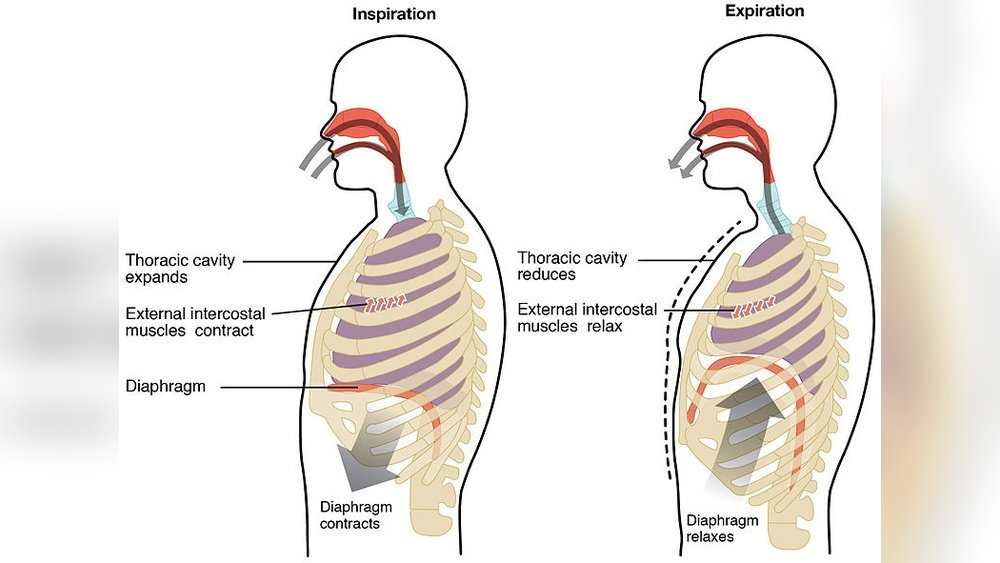
Breathing is something we do every moment, often without thinking. Yet, the way we breathe can impact our health, energy, and even our emotions. Two main types of breathing are chest breathing and abdominal breathing. While both bring air into the body, they work differently and affect the body in unique ways. Understanding these differences can help you improve your breathing habits and overall well-being.
What Is Chest Breathing?
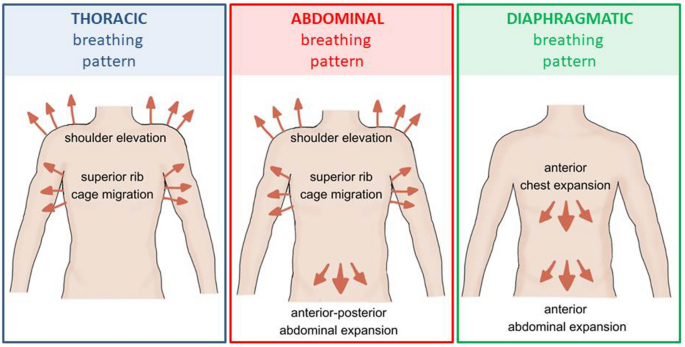
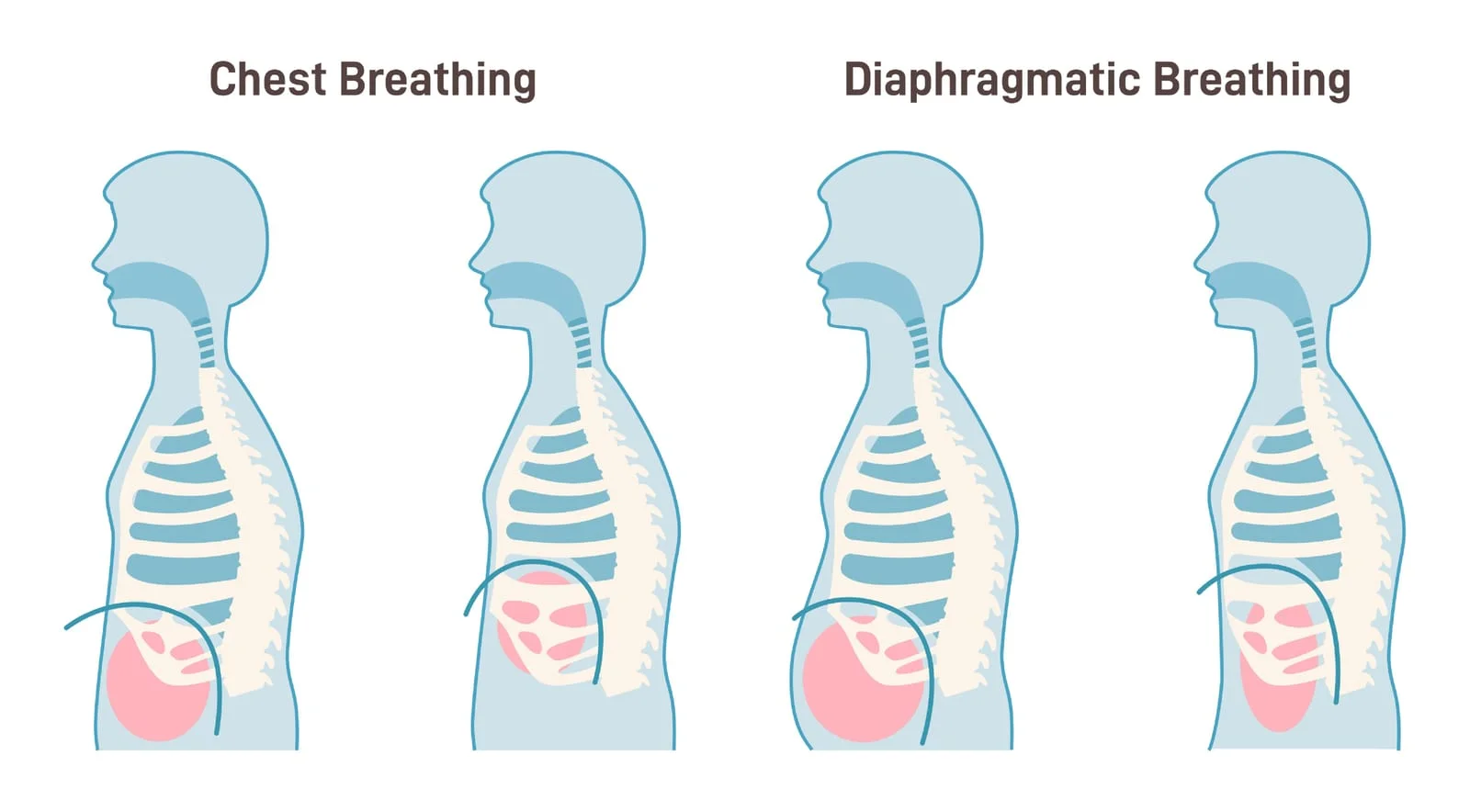
Chest breathing, also known as thoracic breathing, happens when the chest rises and falls as you breathe. This style uses the upper chest muscles and is common during stress, exercise, or shallow breathing.
When you breathe this way, your rib cage expands, but your abdomen stays mostly still. This makes the breaths quick and shallow. Chest breathing is often automatic in fast-paced or anxious situations, but many people use it as their default even when relaxed.
Chest breathing delivers air to the upper parts of the lungs. It’s useful when you need quick bursts of air, like when running or feeling scared. But if you breathe this way all the time, it can lead to problems such as muscle tension or feeling out of breath.
What Is Abdominal Breathing?
Abdominal breathing is also called diaphragmatic breathing or belly breathing. In this style, the diaphragm (a large muscle below the lungs) does most of the work. As you breathe in, your belly rises, and as you breathe out, your belly falls.
With abdominal breathing, more air moves into the lower lungs. This allows for deeper, slower breaths. It relaxes the body, supports better oxygen exchange, and reduces stress.
Abdominal breathing is the body’s natural way to breathe when at rest, especially during sleep. Babies and young children often breathe this way without being taught. However, many adults lose this habit due to stress, tight clothing, or bad posture.
Main Differences: Chest Breathing Vs Abdominal Breathing
To see how chest and abdominal breathing differ, compare their main features:
| Feature | Chest Breathing | Abdominal Breathing |
|---|---|---|
| Main Muscles Used | Chest (intercostal) muscles | Diaphragm muscle |
| Movement | Chest rises/falls | Belly rises/falls |
| Breath Depth | Shallow | Deep |
| Air Distribution | Upper lungs | Lower lungs |
| Common During | Stress, exercise, anxiety | Relaxation, sleep, meditation |
How Breathing Types Affect The Body
Physical Effects
Chest breathing tends to be less efficient. The upper lungs hold less air, so shallow breaths bring in less oxygen. Over time, this can cause:
- Muscle tension in the neck, shoulders, and chest
- Fatigue due to poor oxygen exchange
- Shortness of breath during normal activities
Abdominal breathing is more efficient and healthier for most people. It allows for:
- Better oxygen supply to the body
- Lower heart rate and blood pressure
- Relaxed muscles and less tension
For example, research shows that deep abdominal breathing can lower cortisol (a stress hormone) and improve focus.
Emotional And Mental Impact
Fast, shallow breathing is linked to the body’s fight-or-flight response. Chest breathing can make you feel anxious or stressed, even if there’s no real danger.
In contrast, slow abdominal breathing triggers the relaxation response. This calms your mind, helps you think clearly, and even improves sleep. Many meditation and yoga practices use abdominal breathing for this reason.
Impact On Exercise And Performance
During high-intensity exercise, chest breathing can provide quick bursts of air. But for endurance sports or singing, abdominal breathing offers better control and stamina.
Professional singers, athletes, and even public speakers train to use their diaphragm for stronger, steadier breaths. This helps them perform longer without tiring quickly.
Credit: www.nature.com
How To Tell Which Type You Use
It’s easy to check your natural breathing style:
- Sit or lie down comfortably.
- Place one hand on your chest and one on your belly.
- Breathe in and out naturally.
- Notice which hand moves more.
If your chest hand rises more, you use chest breathing. If your belly hand rises more, you use abdominal breathing.
Another way is to stand in front of a mirror. Watch your shoulders and stomach as you breathe. Shoulders lifting with each breath suggests chest breathing.
Benefits Of Abdominal Breathing
Abdominal breathing offers many health advantages:
- Reduces stress by calming the nervous system
- Improves oxygen flow to organs and muscles
- Lowers blood pressure and heart rate
- Aids digestion by massaging internal organs
- Supports good posture and reduces tension
Some studies show that practicing abdominal breathing daily can improve mood, sleep, and even immune response.
Drawbacks Of Chest Breathing
While not always harmful, chest breathing can become a problem if it’s your default style:
- Less oxygen reaches the body, causing tiredness
- Neck and shoulder pain from overuse of upper muscles
- Higher stress levels and anxiety
- Poor voice control for singers or speakers
Shallow breaths also make it harder to clear waste gases from the lungs. Over time, this can lead to dizziness or headaches.
Why Many People Develop Chest Breathing
Most babies breathe with their bellies. But as people grow, they often switch to chest breathing. Why does this happen?
- Stress: Fast-paced lives and anxiety train the body to breathe shallowly.
- Poor posture: Slouching or tight belts restrict belly movement.
- Social habits: Some avoid belly breathing to “hold in” the stomach.
- Lack of awareness: Most people don’t notice how they breathe.
These habits can be changed with practice and awareness.

Credit: yogauonline.com
When Chest Breathing Is Useful
Chest breathing isn’t always bad. Sometimes, it’s needed:
- During intense exercise for quick, shallow breaths
- When gasping for air after running or swimming
- During sudden shock or fear as part of survival response
But for daily life, abdominal breathing is healthier.
How To Practice Abdominal Breathing
Anyone can learn or return to abdominal breathing. Here’s how to get started:
- Find a quiet spot and sit or lie down.
- Place one hand on your chest and one on your belly.
- Inhale slowly through your nose, letting your belly rise. The hand on your chest should stay mostly still.
- Exhale slowly through your mouth, feeling your belly fall.
- Repeat for 5–10 minutes, twice a day.
Try this when you wake up or before bed. With practice, it will become natural.
Common Mistakes When Practicing Abdominal Breathing
Many beginners make these errors:
- Breathing too forcefully: This can cause dizziness. Keep it gentle.
- Pushing the stomach out without real breath movement: Focus on air, not just muscle movement.
- Holding tension in the shoulders or chest: Relax these areas.
- Breathing too fast: Slow, steady breaths work best.
If you feel lightheaded, pause and return to normal breathing.
Special Cases: Breathing With Health Conditions
Certain health issues affect breathing style:
- Asthma or COPD: These conditions can make abdominal breathing harder, but gentle practice can help improve lung function over time.
- Pregnancy: As the baby grows, abdominal breathing may feel restricted. Focus on gentle, comfortable breaths.
- Obesity: Extra weight around the belly can make diaphragmatic movement harder, but small improvements are possible with practice.
In these cases, work with a doctor or therapist to find the safest way to improve your breathing.
Real-life Examples And Data
Studies show that abdominal breathing can lower anxiety in just a few minutes. One study found that people who practiced this technique twice a day had lower blood pressure and reported better sleep after two weeks.
Professional athletes use diaphragmatic breathing to recover faster after intense exercise. Singers and actors train their breathing to improve voice control and endurance.
To highlight the difference in oxygen intake, see the comparison below:
| Breathing Type | Air Volume Per Breath (ml) | Average Breaths Per Minute | Total Air Per Minute (ml) |
|---|---|---|---|
| Chest Breathing | 350 | 20 | 7,000 |
| Abdominal Breathing | 500 | 12 | 6,000 |
Although chest breathing brings in more air per minute due to more breaths, it’s less efficient. Abdominal breathing brings more oxygen per breath and is easier on the body.
When To Seek Help
If you notice:
- Shortness of breath for no clear reason
- Constant fatigue
- Dizziness or chest pain
Speak to a doctor. Sometimes, breathing problems signal medical issues. A professional can check your lungs and help you learn better breathing techniques.
Practical Tips For Healthy Breathing
- Pay attention to your breath several times a day.
- Practice abdominal breathing before stressful events.
- Sit up straight to allow your diaphragm to move freely.
- Avoid tight clothing around your waist.
- Use reminders (like phone alarms) to practice good breathing.
Over time, these habits can make deep breathing feel natural.
How Breathing Affects Everyday Activities
Breathing style influences more than just health. It shapes how you:
- Speak and sing: Better breath control means stronger voice.
- Exercise: Deep breathing boosts endurance and muscle performance.
- Handle stress: Calm breathing lowers anxiety in tough moments.
- Sleep: Abdominal breathing can help you fall asleep faster.
For more on breathing techniques and their impact, see this resource from the Harvard Medical School.
Credit: restoreyourcore.com
Frequently Asked Questions
What Is The Main Difference Between Chest And Abdominal Breathing?
Chest breathing uses upper chest muscles and brings air into the upper lungs. Abdominal breathing uses the diaphragm and fills the lower lungs, allowing for deeper, slower breaths.
Is Chest Breathing Always Bad?
No, chest breathing is not always bad. It’s useful during exercise or emergencies. However, using it all the time can cause tension and reduce oxygen intake.
How Can I Learn To Breathe With My Abdomen?
Practice by lying down, placing a hand on your belly, and breathing so your belly rises more than your chest. Start with short sessions and increase as it gets easier.
Can Abdominal Breathing Help With Anxiety?
Yes, slow abdominal breathing calms the nervous system and can lower anxiety, stress, and even blood pressure.
Should I Always Use Abdominal Breathing?
For most daily activities and relaxation, yes. But during intense exercise or sudden stress, a mix of chest and abdominal breathing is normal.
Breathing is more than just air in and out—it’s the foundation of life, health, and calm. By choosing the right way to breathe, you give your body and mind a simple tool for better living.