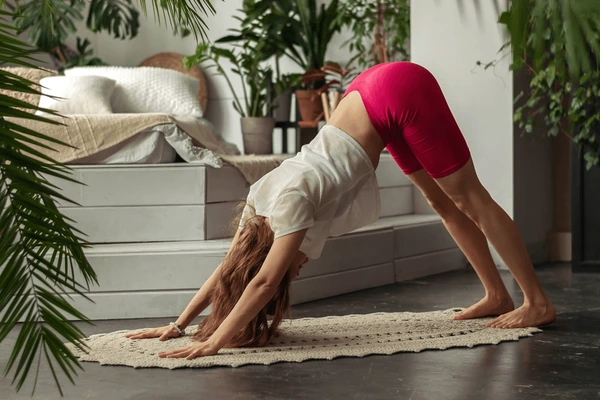
If you’re looking for a simple yet powerful way to boost your body and mind, the downward dog pose might be exactly what you need. This classic yoga move does more than just stretch your muscles—it strengthens your arms, opens your shoulders, and decompresses your spine.
Imagine relieving back pain, improving circulation, and calming your mind—all in one pose. Whether you’re new to yoga or want to deepen your practice, understanding the benefits of downward dog can transform how you feel every day. Ready to discover why this pose is a favorite for so many?
Keep reading to unlock the full range of downward dog benefits and learn how to make it work perfectly for you.
Full-body Strength
Downward Dog is more than a simple stretch. It builds strength across the entire body. This pose challenges muscles to support weight and maintain balance. Regular practice improves muscle tone and overall power. It engages the upper body, core, and legs all at once.
Holding Downward Dog requires effort from many muscle groups. This helps develop a strong, stable body. The pose also trains endurance, allowing muscles to work longer without fatigue. It creates a solid foundation for other yoga poses and physical activities.
Targeted Muscle Groups
Downward Dog mainly works the shoulders, arms, and upper back. The triceps and deltoids keep the arms straight and strong. The shoulder blades engage to support the body weight. The core muscles tighten to protect the spine.
The legs also play a key role. The hamstrings and calves stretch deeply while supporting the hips. The quadriceps help maintain knee stability. This combination strengthens and lengthens muscles simultaneously.
Building Endurance And Stability
Holding the pose builds endurance in muscles and joints. The static hold trains muscles to resist fatigue. This strengthens tendons and ligaments as well. Balance improves as the body learns to stay steady in the inverted position.
Downward Dog improves stability by activating the core and lower body. This helps prevent injuries in daily life and sports. The pose trains body awareness and control. With time, you gain confidence in your strength and balance.

Credit: flowandgrowkidsyoga.com
Flexibility And Stretching
Downward Dog is a powerful pose for increasing flexibility. It stretches many major muscles in the body.
This pose helps release tightness and improves the range of motion. Regular practice makes the body more agile and less prone to injury.
Hamstrings And Calves
Downward Dog deeply stretches the hamstrings. These muscles often get tight from sitting long hours.
The calves also get a good stretch. This helps reduce stiffness and improves ankle flexibility.
Stretching these muscles can ease lower back pain. It also supports better posture and movement.
Chest And Shoulder Opening
This pose opens the chest and shoulders. It counteracts the effects of slouching and poor posture.
Opening the chest allows better lung expansion. This can improve breathing and increase oxygen flow.
Shoulder flexibility improves, reducing tension and stiffness. It helps with daily activities and other exercises.
Spinal Decompression
Spinal decompression is a key benefit of the Downward Dog pose. This yoga position gently stretches the spine, creating space between the vertebrae. It helps relieve pressure and tension built up from daily activities. Regular practice supports a healthier back and eases discomfort.
Elongating The Spine
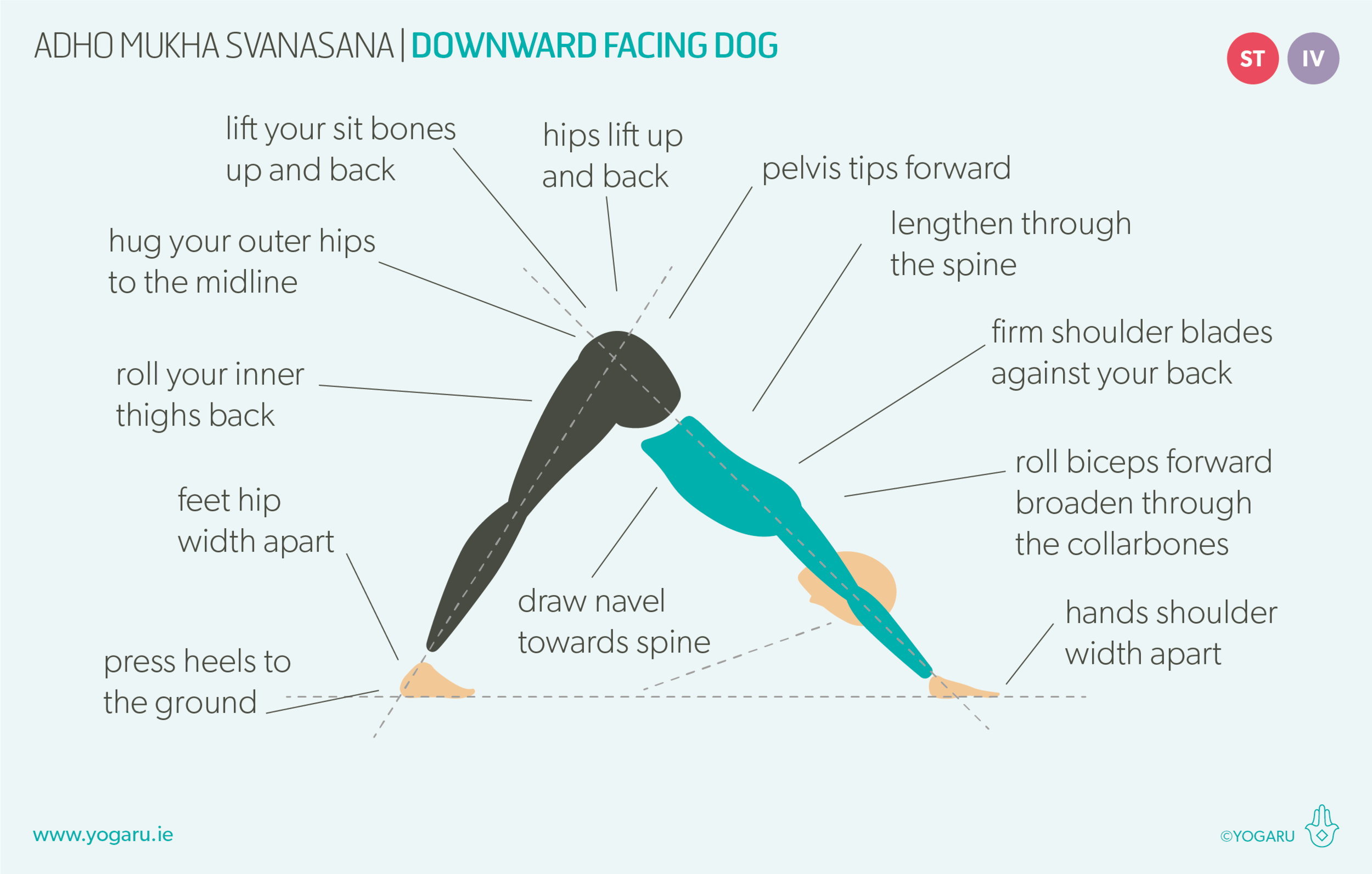
Downward Dog lengthens the spine by pulling the body upward and back. This stretch reduces compression on spinal discs. It encourages proper alignment and improves posture. The pose allows the spine to stretch naturally without strain. The gentle traction helps maintain spinal health and mobility.
Reversing Effects Of Sitting
Sitting for long hours compresses the spine and tightens muscles. Downward Dog counteracts this by opening the back and hips. It relieves stiffness caused by prolonged sitting. The pose increases blood flow to spinal tissues and muscles. This improves flexibility and reduces pain in the lower back.
Credit: www.yogaru.ie
Circulation Boost
Downward Dog is a yoga pose that helps improve blood circulation. It gently reverses the flow of blood, sending it towards the head and upper body. This boost in circulation benefits both the brain and the nervous system. Regular practice can help refresh your mind and body by increasing oxygen supply and nutrient delivery.
Increasing Blood Flow To Brain
In Downward Dog, your head is lower than your heart. This position helps blood flow more easily to the brain. More blood means more oxygen and nutrients reach brain cells. This increase can improve focus and mental clarity. It also supports brain health and alertness throughout the day.
Calming The Mind And Relieving Headaches
The improved circulation helps calm your mind. Blood flow to the head reduces tension and stress. This can ease headaches and migraines naturally. The pose also encourages deep breathing, which lowers stress hormones. Many people find relief from anxiety and mental fatigue after practicing Downward Dog.
Improved Mobility
Downward Dog is a powerful yoga pose that aids in improving overall mobility. It stretches and strengthens muscles, helping joints move more freely. Regular practice can make daily movements easier and reduce stiffness.
This pose targets key areas of the body to enhance flexibility and range of motion. It supports joint health and encourages better posture. The stretch opens up tight muscles and promotes fluid movement.
Shoulder Joint Mobility
Downward Dog stretches the shoulders deeply, increasing their flexibility. It helps release tension and tightness in the shoulder joints. This stretch improves arm movement and reduces the risk of injury.
The pose also strengthens the muscles around the shoulders. Strong muscles support the joints and enhance stability. This makes lifting and reaching motions smoother and less painful.
Enhancing Posture
This yoga pose helps align the spine and shoulders correctly. It encourages an upright posture by opening the chest and lengthening the back. Better posture reduces strain on muscles and joints throughout the day.
Practicing Downward Dog regularly can correct slouching habits. It strengthens the back and core muscles that support posture. Improved posture leads to easier breathing and less fatigue.
Stress Relief
Downward Dog is a powerful yoga pose known for its stress relief benefits. It calms the mind and refreshes the body. This pose helps ease tension held in the muscles and nervous system. Practicing Downward Dog regularly can create a sense of peace and balance.
Grounding And Resting Benefits
Downward Dog connects you with the ground, creating stability. The hands and feet press firmly into the floor. This grounding effect helps reduce feelings of restlessness. The pose encourages deep, slow breathing, which promotes relaxation. Resting in this position allows the body to release tightness. It also supports mental clarity and calmness.
Reducing Anxiety
This pose shifts blood flow toward the brain, which refreshes the mind. The mild inversion helps lower cortisol, the stress hormone. Downward Dog offers a break from anxious thoughts by focusing on the body. Holding the pose improves concentration and mindfulness. It helps break the cycle of worry and nervous energy.
Practice Tips
Practicing Downward Dog correctly enhances its benefits and prevents injury. Focus on precise movements and body awareness. Small changes improve comfort and effectiveness. This section shares key tips for better practice.
Hand And Foot Placement
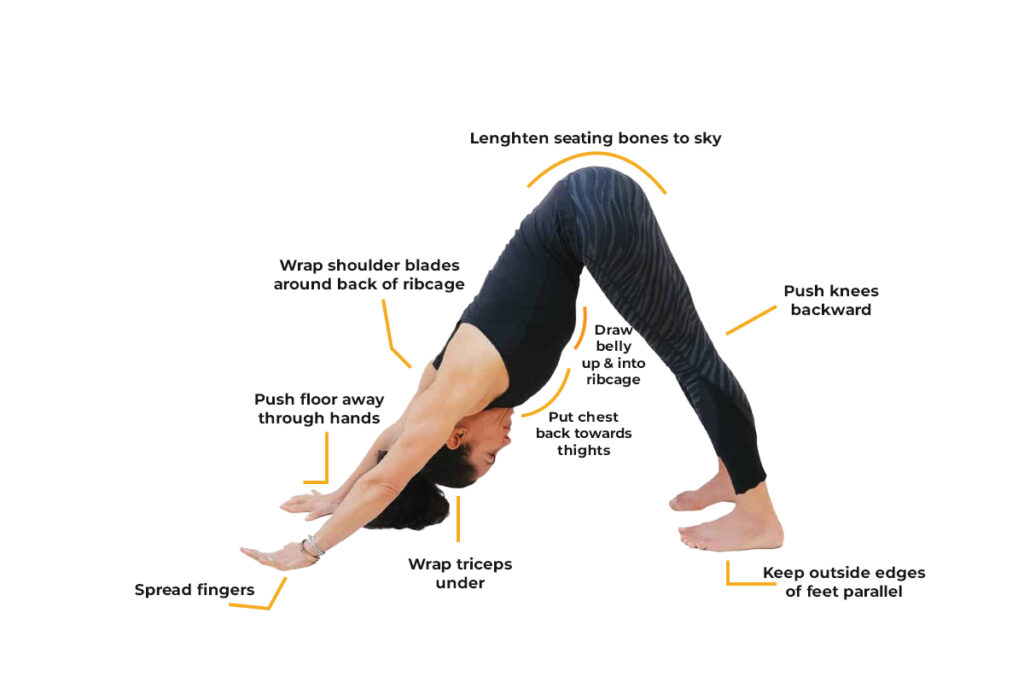
Place hands shoulder-width apart, fingers spread wide. Press firmly through the palms and knuckles. Feet should be hip-width apart, toes facing forward. Distribute weight evenly between hands and feet. This creates a strong, stable base.
Maintaining Spine Alignment
Keep the spine long and straight. Avoid rounding the back or collapsing the chest. Lift the hips high to lengthen the spine. Engage the core to support the lower back. Look between your legs or toward your navel to keep the neck aligned.
Modifications For Tight Hamstrings
Bend the knees slightly to reduce tension. This helps protect the lower back and spine. Focus on lengthening the spine rather than straightening legs fully. Use yoga blocks under hands for extra support. Gradually straighten legs as flexibility improves.
Precautions And Contraindications
Downward Dog is a powerful yoga pose with many benefits. It improves strength, flexibility, and circulation. Still, some people must take care or avoid this pose. Understanding precautions helps keep your practice safe and effective. Awareness of contraindications ensures you protect your body and health.
Conditions To Avoid Or Modify Pose
People with wrist, shoulder, or neck injuries should avoid full Downward Dog. High blood pressure or heart problems may worsen in this mild inversion. Pregnant women need to modify the pose to avoid pressure on the belly. Those with glaucoma or eye pressure should skip or limit time in the pose. Migraines and epilepsy can be triggered by inversion, so use caution. Always listen to your body and stop if pain occurs.
Safe Practice Guidelines
Warm up before entering Downward Dog to protect muscles and joints. Keep hands shoulder-width apart and spread fingers wide for balance. Bend knees slightly if hamstrings feel tight to avoid strain. Align ears with upper arms to protect the neck. Use a yoga block under hands if wrists hurt. Limit time in the pose to avoid dizziness or discomfort. Breathe deeply and move slowly into and out of the posture.
Credit: www.rishikulyogshalarishikesh.com
Frequently Asked Questions
Which Yoga Pose Has The Most Benefits?
The Downward Dog pose offers the most benefits by strengthening arms, shoulders, and core while stretching hamstrings and spine. It improves circulation, reduces stress, decompresses the spine, and boosts flexibility and energy levels. This versatile pose enhances overall body mobility and posture.
How Long Should You Stay In Downward Dog?
Stay in Downward Dog for 1 to 3 minutes to maximize benefits without strain. Focus on steady breathing and proper form. Adjust time based on comfort and experience level.
Who Should Avoid A Downward Facing Dog?
People with migraine, high blood pressure, epilepsy, vertigo, or heart conditions should avoid downward facing dog. Practice caution or skip this pose.
Does A Downward Dog Decompress The Spine?
Yes, downward dog gently decompresses the spine by elongating and aligning it. This pose relieves tension and improves posture.
Conclusion
Downward Dog offers many benefits for the whole body. It builds strength in the arms and core. It stretches tight muscles in the legs and back. This pose helps relieve tension and improve posture. It also encourages better blood flow and energy.
Practicing it regularly supports flexibility and reduces stress. Try adding Downward Dog to your daily routine. Small efforts can lead to big improvements in health. Feel your body grow stronger and more relaxed with time.