The Half Moon Yoga Pose (Ardha Chandrasana) is more than just a balance test. It’s a beautiful fusion of strength, flexibility, and focus. Many yoga students see this as a challenging pose, but with the right approach, even beginners can find success and confidence in it. This pose helps you discover your body’s alignment, improve your balance, and open your mind to new possibilities. Whether you’re a seasoned yogi or just starting out, understanding and practicing Half Moon Pose can transform your yoga journey in surprising ways.
What Is Half Moon Yoga Pose?
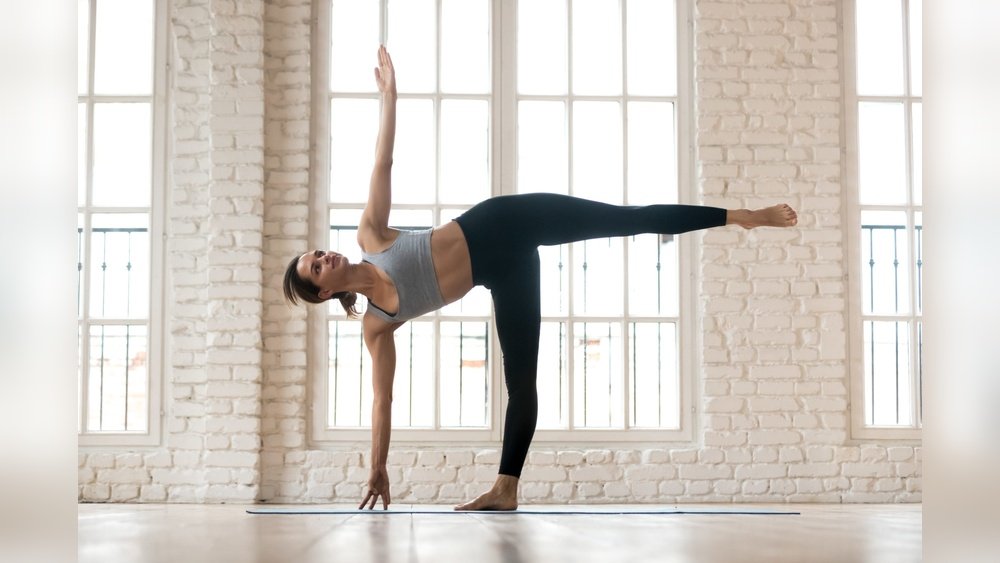
Half Moon Pose, called Ardha Chandrasana in Sanskrit, combines the words “ardha” (half), “chandra” (moon), and “asana” (pose). In yoga, the moon represents calm energy, balance, and clarity. The shape of the body in this pose looks like a crescent moon reaching out across the sky.
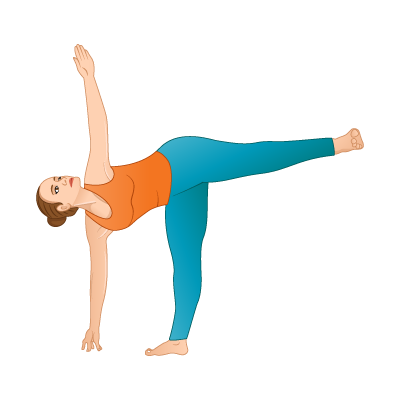
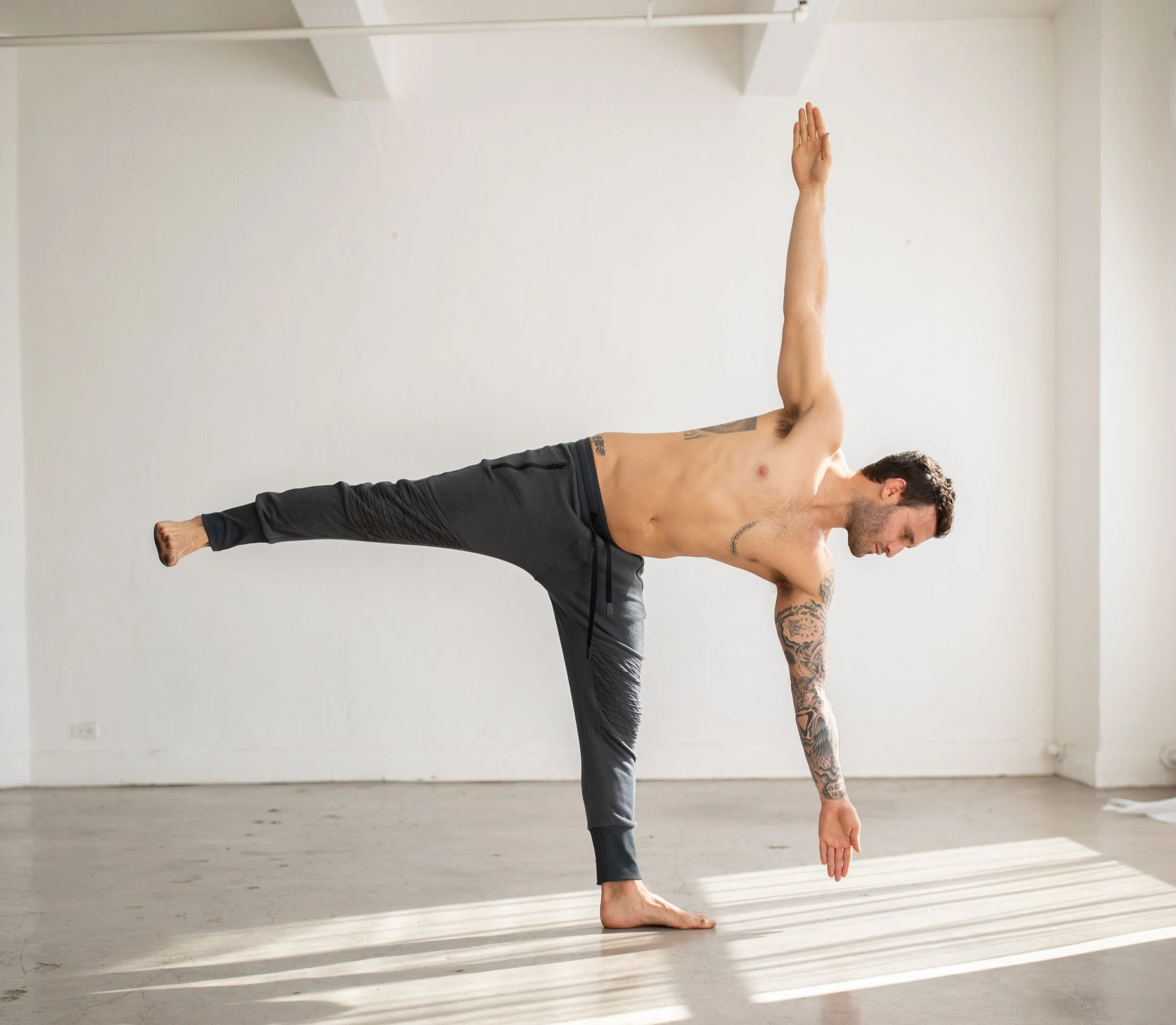
To perform Half Moon, you balance on one leg, stretch the other leg back and up, and extend both arms—one reaching toward the floor, the other toward the sky. The chest opens, the body rotates, and you look up, feeling long and light. This pose is often used in vinyasa or hatha yoga classes, sometimes as a transition or as a main posture.
Physical And Mental Benefits
Half Moon Pose offers a mix of physical and mental rewards. Practicing it regularly can bring real changes to your body and mind.
- Improves Balance: Balancing on one leg builds stability and awareness, especially in the ankles and feet.
- Strengthens Legs and Core: The standing leg, hip, and core muscles work hard to support your body.
- Opens Hips and Chest: The lifted leg and open arms create space across the hips, chest, and shoulders.
- Enhances Focus: You must concentrate and stay present, which can quiet a busy mind.
- Boosts Confidence: Mastering this challenging pose gives a sense of achievement and self-belief.
Some studies show that balancing poses like Half Moon can improve proprioception (your sense of body position) and help prevent falls, especially as you age.
Step-by-step Guide To Practicing Half Moon Pose
Building up to Half Moon requires patience and care. Here’s a clear, practical way to try the pose safely:
1. Start In Triangle Pose (trikonasana):
Place your right foot forward, left foot back. Legs are straight, arms stretched wide, right hand near your right shin or the floor.
2. Shift Your Weight Forward:
Bend your right knee, move your right hand a few inches in front of your right foot. Place your left hand on your hip.
3. Lift The Back Leg:
Press into your right foot and slowly lift your left leg. Try to keep it straight and in line with your hip.
4. Open The Chest:
Roll your left hip and shoulder back, stacking them over your right side.
5. Reach Up:
Extend your left arm toward the sky. Spread your fingers and reach actively.
6. Find Your Drishti:
Gaze straight ahead, or for more challenge, look up toward your left hand.
7. Hold And Breathe:
Stay for 3–6 breaths. Feel energy through all parts of your body.
8. Release:
Gently lower your left leg and return to Triangle Pose. Repeat on the other side.
Tips For Beginners
- Use a yoga block under your lower hand if you can’t reach the floor.
- Focus on alignment, not height—keep the lifted leg in line with your body, even if it’s lower.
- Keep a soft bend in the standing leg if your hamstrings are tight.
Common Mistakes And How To Fix Them
Even experienced students make errors in Half Moon. Watch for these common issues:
- Collapsing the Chest: Keep your chest open; imagine shining your heart forward.
- Hips Not Stacked: The top hip should be above the bottom hip, not rolling forward.
- Locked Standing Knee: A gentle bend keeps the leg strong and safe.
- Neck Tension: Don’t strain to look up. Keep your neck relaxed and your gaze comfortable.
Preparation And Warm-up
Warming up your body is key before attempting Half Moon Pose. Here are some useful warm-up poses:
- Downward Facing Dog (Adho Mukha Svanasana): Stretches hamstrings and lengthens the spine.
- Warrior II (Virabhadrasana II): Opens hips and strengthens legs.
- Triangle Pose (Trikonasana): Prepares the body for the side-opening shape.
- Standing Forward Bend (Uttanasana): Loosens hamstrings and calves.
Spending 2–3 minutes in each pose can make your Half Moon practice safer and more comfortable.
Variations And Modifications
Half Moon Pose can be adapted for all levels. Here are some popular variations:
With A Block
Place a yoga block under your lower hand for extra support. This helps you balance and focus on alignment.
Against A Wall
Practice with your back or your lifted foot near a wall. The wall provides feedback and helps you feel steady.
Sugarcane Pose (chapasana)
Bend your top knee and grab your foot with your top hand. This adds a hip stretch and tests your balance.
Supported Half Moon
Rest your top hand on your hip. This makes the pose less intense for your shoulders and arms.
Advanced Variation
Try closing your eyes for a few seconds. This increases the challenge for your balance and focus.
Safety And Contraindications
While Half Moon is safe for most people, some should be careful or avoid it:
- If you have ankle, knee, or hip injuries, practice with props and support.
- People with low blood pressure or who feel dizzy should move slowly.
- If you have neck pain, keep your gaze forward or down.
Pregnant students can do Half Moon with their back against a wall or with a chair for support. Always listen to your body, and stop if you feel pain or discomfort.
Building Up To Half Moon: Progressions
If you find Half Moon too hard at first, try these progressions:
- Standing Side Leg Lift: Stand tall and lift one leg to the side, holding a wall for support.
- Half Forward Fold with Block: Place your hands on blocks and lift one leg behind you, keeping your hips square.
- Triangle Pose: Work on opening your hips and chest in this standing posture.
- Half Moon at the Wall: Practice with your back or foot touching the wall until you feel steady.
Gradually, you’ll build strength, flexibility, and confidence for the full pose.
How Half Moon Compares To Similar Poses
Half Moon is often confused with other standing and balancing poses. Here’s how it compares:
| Pose Name | Key Difference | Focus Area |
|---|---|---|
| Half Moon (Ardha Chandrasana) | One hand reaches up, chest and hips open to the side | Balance, hip and chest opening |
| Warrior III (Virabhadrasana III) | Bodies parallel to the floor, both arms forward | Balance, core, hamstrings |
| Triangle (Trikonasana) | Both feet on the ground, body side-bends | Hamstring stretch, hip opening |
| Revolved Half Moon (Parivrtta Ardha Chandrasana) | Twists chest toward the standing leg | Twist, balance, core |
Credit: www.yogaclassplan.com
Key Muscles Used In Half Moon Pose
Understanding which muscles work in Half Moon helps you practice more mindfully.
| Muscle Group | Role in the Pose |
|---|---|
| Gluteus Medius/Maximus | Stabilize standing hip and lift back leg |
| Quadriceps | Keep the standing leg strong and straight |
| Hamstrings | Control the standing leg and lengthen the lifted leg |
| Obliques | Help rotate and open the chest |
| Shoulders | Keep arms extended and strong |
Breathing In Half Moon Pose
Proper breathing is important in Half Moon. Here’s how to breathe for best results:
- Inhale: Lengthen the spine and lift the chest.
- Exhale: Root down into the standing foot and open the top side of the body.
Breathing deeply helps you stay calm and balanced. If you hold your breath, you may lose focus or feel tense.
Credit: blog.alomoves.com
Two Insights Most Beginners Miss
- The Power of Micro-Adjustments: Small changes, like spreading your toes or shifting your gaze, can dramatically affect your balance. Instead of making big moves, focus on subtle shifts.
- The Role of the Top Leg: Many beginners try to lift the top leg as high as possible. But it’s more important to keep it level with the hip and in line with your body, even if it feels lower. This gives better stability and correct alignment.
How To Integrate Half Moon Into Your Practice
Half Moon works well in many yoga sequences. You can add it:
- After Triangle Pose, as a flowing transition.
- In a standing balance series with Warrior III and Tree Pose.
- As a peak pose in a hip-opening class.
- For a quick energy boost during a short home practice.
Practicing 2–3 times per week is enough to see progress. Over time, you’ll notice better balance not just on the mat, but in daily life.

Credit: omstars.com
Progress Tracking: Signs Of Improvement
How do you know you’re getting better at Half Moon? Here are a few signs:
- You can hold the pose for longer without wobbling.
- Your lifted leg feels lighter and more controlled.
- Your chest and hips stay open, even as you balance.
- You feel calm and steady, not tense or anxious.
Many yoga teachers suggest keeping a journal to note your progress. You might also record yourself to see changes in alignment over time.
Inspiring Stories From Yoga Students
Many students who struggled with Half Moon at first now call it their favorite pose. For example, a woman in her 60s found that balancing in Half Moon helped her walk with more confidence and reduced her risk of falls.
Another student used the pose to regain strength after an ankle injury, building up slowly with a block and a wall.
The most common lesson? Progress is not always fast, but with steady practice, results come—and often in unexpected ways.
Fun Fact: The Moon In Yoga Tradition
In yoga, the moon symbolizes calm, cooling energy, as opposed to the sun’s fiery energy. Practicing Half Moon can remind you to balance effort with ease, strength with softness. Some yogis even do this pose during the full moon to honor its energy and beauty.
Resources For Further Learning
If you want to learn more or watch video demonstrations, many yoga schools and experts offer detailed guides. For authoritative information, check out this Yoga Journal guide on Half Moon Pose.
Frequently Asked Questions
What Is The Sanskrit Name For Half Moon Pose?
The Sanskrit name is Ardha Chandrasana. “Ardha” means half, “Chandra” means moon, and “asana” means pose.
Can Beginners Do Half Moon Pose?
Yes, but it’s best to use props like a yoga block and a wall for support. Focus on alignment and don’t worry about how high you lift your leg.
How Long Should I Hold Half Moon Pose?
Start by holding for 2–3 breaths. As you get stronger and more balanced, work up to 6–8 breaths on each side.
What If I Lose Balance In The Pose?
If you lose balance, lower your lifted leg slowly and come out of the pose gently. Use a wall or block to build confidence and try again.
Is Half Moon Pose Good For Back Pain?
Half Moon can help with back strength and flexibility, but if you have a serious back condition, ask your doctor or a yoga teacher first. Move slowly and use props to avoid strain.
Half Moon Yoga Pose is a journey of balance, strength, and self-discovery. With patience, attention, and practice, you can unlock its many benefits—and perhaps even learn something new about yourself along the way.