

Hot yoga has gained worldwide popularity as a challenging and energizing practice. The key element that makes hot yoga unique is the room temperature—much higher than traditional yoga classes. If you have ever wondered why the room is so hot, how the heat affects your body, and what the right temperature should be, you are not alone. Understanding hot yoga temperature is essential for both safety and enjoying the full benefits of this practice.
Many beginners are surprised at how much the heat changes the yoga experience. It is not only about sweating—temperature affects your flexibility, endurance, and even your mental focus. However, the wrong temperature can be risky. Knowing the science, best practices, and common mistakes will help you get the most from your hot yoga sessions.
This article will guide you through everything you need to know about hot yoga temperature. Whether you are a complete beginner or an experienced yogi, you will find practical advice, comparisons, and important safety tips. You will also discover insights that most new students miss, so you can practice hot yoga with confidence.
What Is Hot Yoga Temperature?
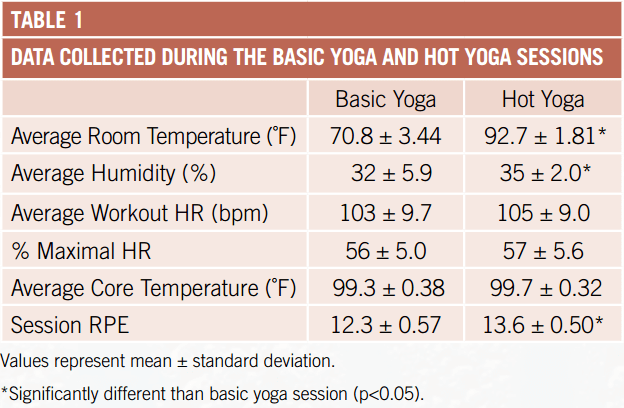
Hot yoga refers to yoga practiced in a heated room, usually between 90°F to 105°F (32°C to 40.5°C). This temperature range is much higher than a regular yoga class, which is usually at room temperature (around 70°F or 21°C).
There are several styles of hot yoga, and each one may use a different temperature. For example, Bikram Yoga—the original style of hot yoga—always uses a room heated to 105°F (40.5°C) with 40% humidity. Other styles, like Hot Vinyasa or Hot Power Yoga, might use slightly lower temperatures, around 95°F to 98°F (35°C to 37°C).
Why heat the room? The heat is designed to warm your muscles, increase your heart rate, and make you sweat. This can make your body more flexible and help you go deeper into the poses. It also adds an element of mental challenge, as you must focus and stay calm even when the temperature is high.
How Hot Yoga Temperature Is Controlled
Studios use different methods to keep the room at the right temperature:
- Infrared heaters: These heaters warm objects and people directly, not just the air. Many students find the heat from infrared panels more comfortable.
- Forced air heaters: These blow heated air into the room, similar to a large space heater.
- Humidity control: Some studios add humidity (usually 40% for Bikram), which makes the heat feel even more intense. Others keep the air dry.
Maintaining the right temperature is important for safety. If the room is too hot or humid, people can become dehydrated or overheated. If it is too cool, you may not get the same benefits.
Different Hot Yoga Styles And Their Temperatures
Not all hot yoga is the same. Here is a comparison of common hot yoga styles and their typical room temperatures:
| Hot Yoga Style | Typical Temperature | Humidity Level |
|---|---|---|
| Bikram Yoga | 105°F (40.5°C) | 40% |
| Hot Vinyasa | 95-98°F (35-37°C) | 30-40% |
| Hot Power Yoga | 92-98°F (33-37°C) | Varies |
| Hot Hatha | 90-95°F (32-35°C) | Varies |
| Infrared Hot Yoga | 95-105°F (35-40.5°C) | Usually lower |
Most studios advertise the room temperature on their schedule or website. If you are new to hot yoga, start with a class at the lower end of the range (90-95°F) and see how your body reacts.
Why Temperature Matters In Hot Yoga
The main reason for the high temperature is to increase flexibility and reduce injury risk. Warm muscles stretch better and are less likely to be strained. The heat also encourages deeper breathing and helps detoxify the body through sweat.
Another effect is cardiovascular conditioning. Your heart works harder to cool your body, which increases your heart rate, similar to light cardio exercise. This can improve your stamina over time.
However, the high temperature also makes hot yoga more intense. Beginners often underestimate how quickly they can become dehydrated, light-headed, or overheated. Listening to your body and knowing your limits is very important.
Credit: nationalpost.com
The Science Behind Hot Yoga Temperature
Many people believe that sweating more means they are burning more calories or detoxifying faster. The truth is more complex. Research shows that hot yoga burns slightly more calories than regular yoga because your heart works harder to cool the body. However, the main benefit of the heat is increased flexibility, not fat loss.
One study found that participants in a 90-minute Bikram class burned about 330 calories for women and 460 for men. These numbers are similar to brisk walking. The heat makes the class feel harder, but the calorie burn is not extreme.
Sweating does help your body remove some toxins, but most detoxification happens in your liver and kidneys. The real benefit of sweating in hot yoga is that it cools your body and helps you notice your hydration needs.
Risks Of Practicing In The Wrong Temperature
Practicing hot yoga in a room that is too hot or too humid can be dangerous. Here are some risks:
- Dehydration: You can lose over a liter of water in a single class.
- Heat exhaustion or heat stroke: Symptoms include dizziness, nausea, headache, and confusion.
- Electrolyte imbalance: Sweating removes not just water but also important salts.
On the other hand, if the room is too cool, your muscles may not warm up enough, which increases the risk of strains or injuries.
Some people are more sensitive to heat, such as those with heart conditions, high blood pressure, or pregnant women. If you have any health concerns, check with your doctor before trying hot yoga.
Credit: www.acefitness.org
How To Prepare For Hot Yoga Temperature
Preparation is key to enjoying hot yoga safely. Here are some steps to take before and during class:
- Hydrate well: Start drinking water several hours before class. Bring a large water bottle and take small sips during class.
- Eat light: Avoid heavy meals. A banana or small snack an hour before is enough for most people.
- Wear the right clothes: Choose light, moisture-wicking fabrics that help sweat evaporate.
- Bring a towel: You will sweat a lot. A yoga mat towel helps prevent slipping.
- Listen to your body: If you feel dizzy or unwell, take a break or leave the room.
Some studios allow you to adjust your practice space. For example, near the door may be a little cooler, while the front row is often the hottest. Arrive early to pick a spot that matches your comfort level.
Comparing Hot Yoga Temperatures With Other Exercise Environments
It helps to see how hot yoga rooms compare with other sports or exercise environments:
| Activity | Typical Environment Temperature |
|---|---|
| Regular Yoga | 70-75°F (21-24°C) |
| Heated Pilates | 85-95°F (29-35°C) |
| Sauna | 150-195°F (65-90°C) |
| Outdoor Running (summer) | 75-95°F (24-35°C) |
| Hot Yoga | 90-105°F (32-40.5°C) |
Hot yoga is hotter than most exercise classes but cooler than a sauna. This makes it a unique environment where you can safely move, stretch, and sweat—if you are prepared.
Common Mistakes Beginners Make About Hot Yoga Temperature
Many new students make the same errors, which can ruin their experience or even be dangerous. Here are some mistakes to avoid:
- Not hydrating enough: You can become dehydrated before you even start class.
- Wearing the wrong clothes: Cotton clothes get heavy with sweat. Use technical fabrics.
- Ignoring warning signs: Lightheadedness, nausea, or chills mean you should rest or leave the room.
- Trying to keep up with others: Your body may need time to adjust to the heat. Take breaks as needed.
- Assuming hotter is better: More heat is not always safer or more effective. Stick to recommended temperatures.
One non-obvious insight: If you feel cold or stop sweating during class, you may be overheating—this is a signal to rest or leave immediately.
How To Adjust If The Room Temperature Feels Too Hot Or Too Cold
Every person reacts differently to heat. If you find the room too hot, try these tips:
- Move to the back or near an open door if possible.
- Take child’s pose or rest on your mat.
- Drink water, but not too much at once.
If you feel too cold (rare in hot yoga), wear an extra layer during the warm-up and remove it as you heat up.
Studios should monitor the temperature with accurate thermostats and respond to student feedback. If you consistently feel uncomfortable, let the teacher know.
Safety Tips For Practicing At High Temperatures
Practicing in a hot environment requires extra caution. Here are some safety tips:
- Know your health risks: Talk to your doctor if you have heart problems, high blood pressure, or are pregnant.
- Pace yourself: It is okay to rest or skip poses.
- Replace lost electrolytes: Coconut water or sports drinks can help after class.
- Avoid alcohol or caffeine before class: They can increase dehydration.
- Cool down slowly: After class, allow your body to adjust before showering or going outside.
An important detail: Many people feel a “high” from the heat and endorphins after class. Be careful standing up quickly or driving right away, especially if you feel lightheaded.
The Role Of Humidity In Hot Yoga
Temperature is only part of the equation. Humidity affects how hot the room feels and how much you sweat. High humidity makes it harder for sweat to evaporate, so your body can overheat faster.
For example, a 95°F (35°C) room with 40% humidity feels much hotter than a 105°F (40. 5°C) room with 20% humidity. Bikram yoga uses both high heat and humidity to create the signature sweaty environment.
Some studios use humidifiers to reach the desired level. Others keep the air drier, which some people find more comfortable.
Hot Yoga Temperature At Home
Practicing hot yoga at home is possible, but getting the right temperature is challenging. Most home heaters cannot reach 100°F safely. If you try, keep these tips in mind:
- Use small, safe space heaters and monitor the temperature with a digital thermometer.
- Close doors and windows to retain heat.
- Practice during the warmest part of the day.
- Consider a humidifier, but avoid making the air too damp.
- Start with a lower temperature until you know how your body reacts.
Remember, safety comes first. It is better to practice at a lower temperature than risk overheating at home.
Hot Yoga Temperature And Its Impact On Progress
Practicing at the right temperature can help you:
- Improve flexibility over time.
- Build endurance and mental focus.
- Reduce injury risk by warming muscles properly.
However, progress depends on consistent practice and listening to your body. Do not push yourself to higher temperatures just to “advance. ” Regular practice at a safe, comfortable heat will bring the best results.

Credit: www.crunch.com
Real-life Stories: How Students Experience Hot Yoga Temperatures
Many students describe their first hot yoga class as a shock. The heat can be overwhelming, but after a few classes, most people adjust and start to enjoy the warmth. Some notice that their flexibility improves quickly, while others feel more relaxed and focused after sweating.
A common experience: After a few weeks, your body adapts to the heat, and you recover faster after class. This adaptation is a sign that your cardiovascular system is getting stronger.
One insight that surprises many: Over time, your sweat will become less salty. This means your body is getting better at keeping electrolytes during heat exposure.
Frequently Asked Questions
What Is The Ideal Hot Yoga Temperature?
The ideal temperature depends on the style. For Bikram Yoga, it is 105°F (40.5°C) with 40% humidity. For other hot yoga styles, 90-98°F (32-37°C) is common. Beginners should start at the lower end and adjust as needed.
Can I Get Heat Stroke From Hot Yoga?
While rare, heat stroke is possible if you ignore warning signs. Always hydrate well, listen to your body, and rest if you feel unwell. If you have health concerns, talk to your doctor before starting hot yoga.
How Much Water Should I Drink Before And After Hot Yoga?
Drink at least 16-20 ounces (500-600 ml) of water before class and sip throughout. After class, drink until your urine is light yellow. You may also need to replace electrolytes, especially after heavy sweating.
Is Hot Yoga Better Than Regular Yoga?
Hot yoga offers different benefits, such as increased flexibility and a challenging environment. However, regular yoga is just as effective for strength, focus, and relaxation. The “better” option depends on your goals and comfort with heat.
Where Can I Learn More About Hot Yoga Safety?
For more detailed safety tips and the science behind hot yoga, you can visit the Hot Yoga Wikipedia page.
Hot yoga temperature shapes the entire experience, from flexibility to mental focus. By understanding the right range, preparing well, and listening to your body, you can enjoy all the benefits of this powerful practice—safely and confidently.