
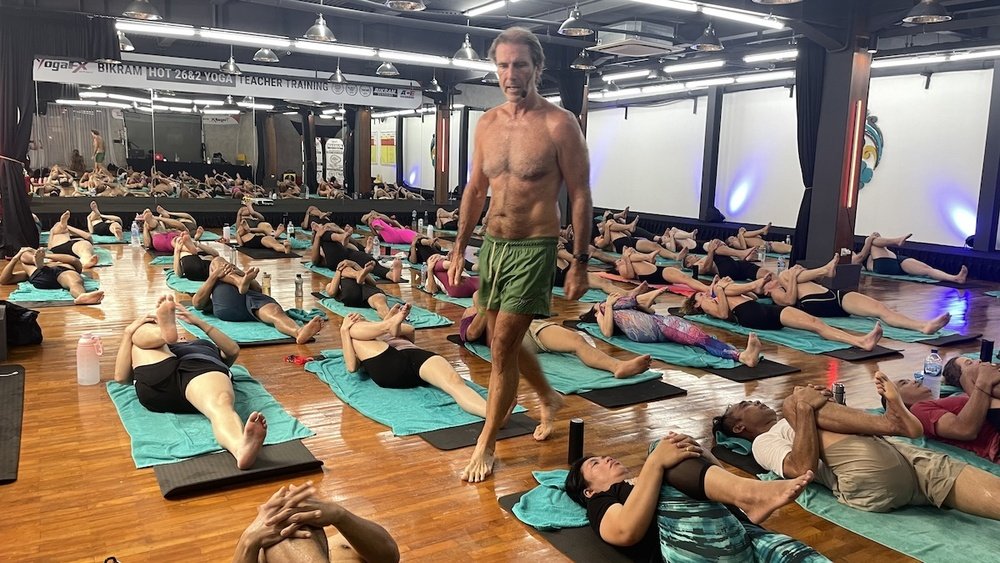
Hot yoga is more than just a workout—it’s an experience that can transform your body and mind. With its roots in traditional yoga, hot yoga adds a new challenge: heat. Practicing in a heated room, usually between 95-105°F (35-40°C), makes every move feel more intense. You sweat more, your heart beats faster, and your muscles loosen up. But to get the most from hot yoga, you need more than flexibility and strength. Preparation, smart choices, and recovery are just as important. Whether you’re new to hot yoga or looking to improve, these tips will help you stay safe and perform your best.
Choose The Right Hot Yoga Class
Not all hot yoga is the same. Some studios offer Bikram yoga, which follows a set sequence of 26 poses in a very hot room. Others offer Vinyasa flow or power yoga in heated environments. Try different classes to see which style fits you. Ask about the room temperature before you go—some classes are warmer than others, and beginners may want to start with a lower temperature.
If you’re brand new, let the instructor know. They can explain the class structure and suggest modifications for challenging poses. Remember, every studio has its own rules about water breaks, mats, and props. Read the class description, check reviews, and ask questions. This helps avoid surprises and makes your first class smoother.
Hydrate Before, During, And After
Hydration is key in hot yoga. You’ll sweat a lot, which means you lose water and minerals. Drink plenty of water the day before your class—don’t wait until the last minute. Aim for at least 16 ounces (about 500 ml) one to two hours before class.
Bring a large water bottle and take small sips during class, especially after strong poses. Avoid drinking too much at once, as it can upset your stomach. After class, rehydrate with water or drinks containing electrolytes like sodium and potassium. Coconut water is a good natural option.
A common mistake is to drink only when you feel thirsty. By that time, you may already be dehydrated. Plan your hydration, especially if you sweat a lot outside of yoga.

Credit: infraredsauna.com
Wear The Right Clothing
Choose lightweight, moisture-wicking clothes. Cotton holds sweat and gets heavy, so look for synthetic fabrics designed for hot workouts. For women, a sports bra and fitted shorts or leggings work well. Men often choose athletic shorts and a tank top or go shirtless (depending on studio rules).
Avoid loose or baggy clothes—they can get in the way during poses. Bring a small towel to wipe sweat from your face and hands. Some people wear headbands to keep sweat out of their eyes.
Here’s a quick comparison of common hot yoga clothing:
| Clothing Type | Pros | Cons |
|---|---|---|
| Moisture-wicking shorts/leggings | Lightweight, dries quickly | May feel tight for some |
| Cotton T-shirt | Soft, easy to find | Holds sweat, gets heavy |
| Sports bra (women) | Supportive, breathable | May need extra coverage |
| Tank top | Good ventilation | May slip in poses |
Bring The Essential Gear
A good yoga mat is important, but not all mats are made for hot yoga. Choose one with extra grip so it won’t get slippery when wet. Some brands make mats designed for sweaty classes.
Bring a yoga towel that fits your mat. Lay it on top to soak up sweat and prevent slipping. Also, bring a small towel to dry your face and hands.
Some studios provide mats and towels, but it’s more hygienic to bring your own. Don’t forget a change of clothes for after class—you’ll be soaked!
Arrive Early And Settle In
Get to the studio at least 10-15 minutes before class. This gives you time to find your spot, adjust your mat, and get used to the heat. The room may feel overwhelming at first. Sit or lie down, take slow breaths, and let your body adjust.
Arriving early also lets you talk to the instructor, ask questions, or mention injuries. If you’re sensitive to heat, set up near the door or a fan if possible. Some studios mark “cooler” spots.
Early arrival also helps you avoid rushing, which can raise your heart rate and make the heat feel worse.
Eat Smart Before Class
What you eat before hot yoga affects your energy and comfort. Don’t come on a full stomach, but avoid practicing on an empty stomach too. Eat a light meal or snack 1-2 hours before class. Choose foods that are easy to digest, like:
- Banana with peanut butter
- Oatmeal with fruit
- Greek yogurt
- A small smoothie
Avoid greasy, spicy, or heavy foods. These can make you feel sick in the heat. Listen to your body—some people do better with just a snack, others need more fuel.
Listen To Your Body
Hot yoga is challenging. Listen to your body and respect your limits. If you feel dizzy, lightheaded, or nauseous, take a break. Sit or lie down in child’s pose or savasana. Never force yourself to keep going if you feel unwell.
It’s normal to sweat a lot and feel your heart race, but you should always be able to breathe comfortably. Tell your instructor if you have medical concerns or new symptoms. Pushing too hard can lead to heat exhaustion or injury.
A tip many miss: progress in hot yoga is about patience, not perfection. It’s better to rest for a few breaths than push yourself to the edge.
Focus On Your Breath
Breathing is the secret to staying calm and strong in hot yoga. The heat can make your breath quick and shallow. Try to slow it down—inhale and exhale deeply through your nose.
If your breath gets out of control, pause and rest until you find your rhythm. Breath is your anchor in every pose. It helps you stay present and prevents panic if the heat feels intense.
Many beginners forget to breathe steadily, especially in difficult poses. Practicing pranayama (breath control) outside of class can help you handle the heat better.

Credit: fitbottomedgirls.com
Use Props For Support
Props like blocks, straps, and even towels can make poses safer and more comfortable. If your studio offers them, grab what you need before class. Blocks help you reach the floor in standing poses. Straps can help with stretching. A folded towel under your knees gives extra padding.
Don’t be shy—props are for everyone, not just beginners. They help you maintain good form, which is more important than going deeper into a pose.
Take Breaks When Needed
You don’t have to do every pose or hold every stretch. If you need a break, move into child’s pose or sit quietly. The goal is to finish the class safely, not to prove anything.
Experienced students often take short rests during class. Listen to your body and don’t compare yourself to others. Heat affects everyone differently.
A common beginner mistake is to push too hard to “keep up. ” Remember, yoga is not a competition.

Credit: www.doyou.com
Mind Your Posture
Good alignment is crucial in hot yoga. The heat can make you stretch deeper, but it also increases the risk of overdoing it. Move into each pose slowly and with control.
Check your posture in mirrors (if available) or ask the instructor to adjust you. Overstretching is common because muscles feel looser in the heat. Protect your joints by engaging your core and moving mindfully.
Pay attention to your knees, lower back, and shoulders—these areas are prone to injury if you force a stretch.
Recover Well After Class
Recovery starts when class ends. Drink water or an electrolyte drink to replace fluids lost through sweat. Eat a healthy meal with protein and carbohydrates within an hour to help your muscles repair.
Take a cool shower to lower your body temperature and rinse off sweat. Rest if you feel tired—hot yoga can be more taxing than other workouts.
Many people skip recovery, thinking they can go back to daily tasks right away. But proper recovery helps you avoid soreness and fatigue.
Clean Your Gear
Hot yoga is sweaty, and so is your gear. Wash your mat and towels after every class. Many mats can be wiped down with water and mild soap. Let your mat dry completely to prevent bacteria and odor.
Wash your clothes as soon as possible. Leaving sweaty gear in your bag can lead to mold and bad smells.
Here’s a quick overview of cleaning options for hot yoga gear:
| Item | Cleaning Method | Frequency |
|---|---|---|
| Yoga mat | Wipe with mat spray or soap/water | After every use |
| Yoga towel | Machine wash | After every use |
| Clothing | Machine wash | After every use |
| Props (blocks, straps) | Wipe with disinfectant | Weekly/as needed |
Know The Signs Of Overheating
Hot yoga is intense, and overheating is a real risk. Learn to recognize signs of heat exhaustion:
- Dizziness or fainting
- Headache
- Nausea or vomiting
- Confusion
- Rapid heartbeat
If you notice these symptoms, leave the room, drink water, and cool down immediately. Tell the instructor if you’re not feeling well.
Some people are more sensitive to heat, including those with heart conditions or certain medications. Always check with your doctor if you’re unsure about hot yoga’s safety for you.
Build Up Slowly
Don’t expect to master hot yoga in your first few classes. Start with one class per week and see how your body reacts. You can add more sessions as you get used to the heat and the practice.
Progress comes with consistency, not intensity. Track how you feel after each class—note your energy, flexibility, and mood. This helps you see improvements and avoid burnout.
Beginners often overcommit, taking several classes in their first week. This can lead to exhaustion or injury. Patience pays off.
Respect Studio Etiquette
Hot yoga studios have their own rules. Common etiquette includes:
- Arrive on time and stay for the whole class
- Leave shoes and phones outside the room
- Speak quietly before and after class
- Wipe down your mat and space after use
Some studios have silent rooms, while others allow quiet conversation. Check the rules so you don’t disturb others. Respect for the space and your classmates creates a better experience for everyone.
Set Realistic Goals
Hot yoga is a journey, not a quick fix. Set small, achievable goals—like holding a pose longer, staying calm in the heat, or attending class twice a week. Celebrate your progress, even if it’s just making it through a tough session.
Track your goals in a journal or app. This keeps you motivated and helps you stay consistent, which is the real key to improvement.
Ask For Help And Stay Informed
If you’re unsure about a pose, ask your instructor. Good teachers welcome questions and offer adjustments. If you want to learn more, read articles, watch videos, or check out resources like the Wikipedia Hot Yoga page.
Staying informed helps you avoid mistakes and deepen your practice. The yoga community is supportive—don’t be afraid to reach out.
Frequently Asked Questions
What Is The Ideal Temperature For Hot Yoga?
Most hot yoga classes are held between 95-105°F (35-40°C). This temperature increases sweating and flexibility but can be intense for beginners. Some studios offer classes at lower temperatures, so check before attending.
How Much Water Should I Drink Before And After Hot Yoga?
Aim for 16-24 ounces (500-700 ml) of water 1-2 hours before class, sip water during class, and drink at least another 16 ounces afterward. Adjust based on how much you sweat and the room’s heat.
Can Beginners Try Hot Yoga?
Yes, but start slowly. Choose beginner-friendly classes, let the instructor know you’re new, and listen to your body. Take breaks as needed and don’t push beyond your limits.
What Should I Do If I Feel Dizzy During Class?
If you feel dizzy, lightheaded, or unwell, rest in child’s pose or lie down. Sip water and focus on slow, deep breaths. Leave the room if symptoms persist and alert the instructor.
How Often Should I Clean My Yoga Mat And Towel?
Clean your yoga mat and towel after every class. This prevents bacteria, odor, and mold. Use a gentle mat spray or soap and water, and let your gear dry completely before the next use.
Hot yoga can be a powerful way to improve your health, boost your mood, and challenge your limits. With the right preparation, smart habits, and a little patience, you’ll discover new strength and confidence on your mat. Listen to your body, stay hydrated, and enjoy the journey—one sweaty class at a time.