
Are your pants feeling a bit tight or uncomfortable around the waist? What if you could transform them into cozy, stretchy yoga-style pants without buying a whole new wardrobe?
Adding a yoga waistband to your existing pants is an easy and affordable way to upgrade comfort while keeping your favorite styles. In this guide, you’ll learn simple, step-by-step tips to sew a soft, flexible yoga waistband that fits perfectly and feels amazing all day long.
Ready to make your pants more comfortable and stylish? Let’s dive in and get started!
Choose Your Fabric
Choosing the right fabric is key to making a comfortable and stylish yoga waistband for your pants. The fabric must stretch well and feel soft against your skin. It also needs to hold its shape after sewing. Picking the perfect fabric ensures your waistband moves with you and lasts long. Consider both the material’s feel and how it looks.
Best Stretchy Materials
Look for fabrics with good stretch and recovery. Cotton blends with spandex or lycra work great. Jersey knit fabric is soft and flexible. Rib knit is another strong choice that holds up well. Avoid fabrics that stretch too much or lose shape quickly. Stretchy but firm materials keep your waistband snug without squeezing.
Matching Colors And Patterns
Choose colors that blend nicely with your pants. Solid colors match easily and look neat. You can also pick patterns that complement your pants’ design. Stripes or subtle prints add style without clashing. Try to keep the waistband color close to the pants’ main shade for a smooth look. This makes your new waistband look like part of the original pants.
Measure Your Waist
Measuring your waist is a key step before adding a yoga waistband to pants. Accurate measurements ensure the waistband fits comfortably and looks neat. Take your time with this step. It sets the foundation for a well-fitted waistband that moves with you.
Use a soft measuring tape and a mirror. Stand straight but relaxed. Avoid holding your breath or sucking in your stomach. These tips help get the most natural waist size.
Taking Accurate Waist Measurements
Wrap the measuring tape around your natural waist. This area is above your belly button and below your ribs. Keep the tape snug but not tight. You should be able to breathe normally. Note the number where the tape meets. This is your waist measurement.
Measure twice to be sure. Write down the measurement to avoid forgetting it. Use this number to cut your waistband fabric.
Determining Waistband Height
Decide how tall you want your yoga waistband. Most yoga waistbands fold over for comfort and style. A common height is 3 to 4 inches. Measure this length on your body for a clear idea.
Mark the waistband height on your fabric before cutting. This ensures the waistband matches your desired look and feel. Adjust the height for personal comfort or fashion preference.
Prepare The Pants
Preparing the pants is a crucial step before adding a yoga waistband. This process ensures the pants fit well and the new waistband attaches smoothly. Proper preparation helps avoid lumps or uneven edges that can spoil the final look.
Start by carefully removing the old waistband. Then, clean and finish the edges to make a neat base for sewing the new waistband. These steps set the foundation for a comfortable and stylish yoga waistband.
Removing Existing Waistband
Use a seam ripper to gently cut the stitches holding the old waistband. Take care not to tear the pants fabric. Slowly pull off the waistband piece by piece. Remove any loose threads left behind. This creates a clean opening at the waist.
Check the pants for any lining or interfacing around the waist. Remove these layers if they interfere with the new waistband. Keep the fabric flat and smooth for easier sewing.
Cleaning And Finishing Edges
Trim any frayed fabric along the waist edge. Use sharp scissors for a clean cut. If needed, iron the fabric flat to remove wrinkles.
Finish the raw edges with a zigzag stitch or serger. This prevents fraying over time. A clean edge helps the new waistband lie flat and look professional. Make sure the waist opening is even all around before moving on.
Cut The Yoga Waistband
Cutting the yoga waistband is a key step in customizing your pants. This part shapes the waistband for comfort and stretch. Accurate cutting ensures the waistband fits well and looks neat.
Use soft, stretchy fabric like cotton-spandex blends. Measure twice before cutting to avoid mistakes. Keep your scissors sharp for clean edges.
Calculating Fabric Length
Measure your pants’ waist circumference. Subtract about 10% for stretch and snug fit. For example, if your waist is 30 inches, cut the fabric about 27 inches long.
Add extra length for seam allowances, usually 1 inch on each side. The final length equals waist minus stretch plus seam allowance.
Decide the waistband height. Standard yoga waistbands are 3 to 4 inches tall. Double this height to get the fabric’s full length, as it will fold over.
Cutting Fold-over Style Bands
Fold-over style bands fold in half to create a smooth edge. Cut fabric strips to your calculated length and double the desired height.
Cut on the grain of the fabric for good stretch and recovery. Avoid cutting across the grain, which can distort the band.
Mark the fabric with tailor’s chalk or pins before cutting. This helps keep your edges straight and even.
Sew Waistband Ends
Sewing the waistband ends is a key step in attaching a yoga waistband to your pants. This process ensures the waistband forms a neat loop that fits comfortably around your waist. Proper finishing of the ends prevents the fabric from fraying and keeps the waistband durable.
Taking time to sew the ends carefully also helps maintain the stretch and shape of the waistband. It creates a clean, professional look for your pants. Follow these steps to secure the waistband ends correctly.
Creating A Waistband Loop
Start by folding the waistband fabric in half lengthwise, wrong sides together. Align the raw edges of the short ends. Pin the ends to hold them in place. Sew across the short ends using a stretch stitch or a zigzag stitch. This creates a continuous loop that will fit snugly around your waist. Trim any excess fabric to reduce bulk inside the waistband.
Choosing Stitch Types
Select a stitch that allows the waistband to stretch without breaking. A narrow zigzag stitch works well for stretch fabrics. Alternatively, use a stretch stitch setting if your machine has one. Avoid straight stitches as they can snap when the waistband stretches. Sew slowly and evenly to keep the seam smooth. Reinforce the seam by sewing over it twice for extra strength.

Credit: www.youtube.com
Attach Waistband To Pants
Attaching the yoga waistband to your pants is a crucial step. It ensures a comfortable fit and a neat finish. Follow simple sewing steps to secure the waistband correctly. This section guides you through aligning and sewing the waistband to your pants.
Aligning Right Sides Together
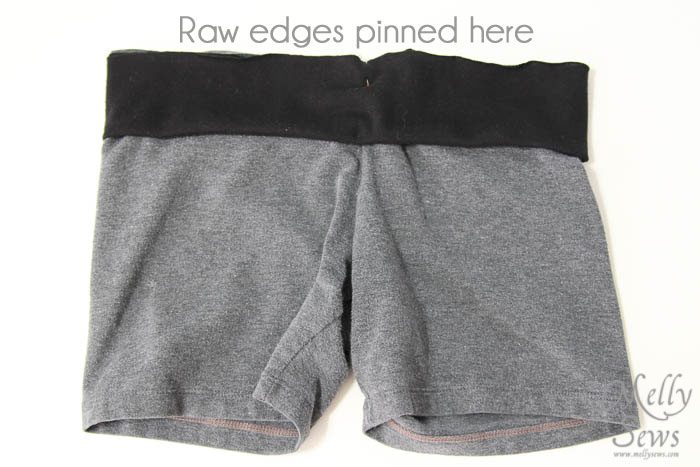
Place the pants and waistband with right sides facing each other. Match the center back seams of both pieces. Align side seams to keep the fabric even. Smooth out wrinkles for a flat sewing surface. Pin along the top edge to hold pieces together. Check the stretch direction of the waistband. It should stretch around your waist for comfort.
Pinning And Sewing Techniques
Use straight pins to secure the waistband in place. Space pins evenly to prevent shifting. Start sewing at one side seam. Use a stretch stitch or zigzag stitch. Sew slowly to keep the fabric smooth. Stretch the waistband slightly as you sew. This prevents puckering and fits the body better. Backstitch at the start and end for durability. Remove pins as you sew to avoid damage. Press the seam allowance toward the pants for a clean look.
Finish Waistband Edge
Finishing the waistband edge is a key step when adding a yoga waistband to pants. A clean edge gives the pants a polished look. It also ensures the waistband holds its shape over time. Take your time to fold and stitch carefully. This helps prevent fraying and keeps the fabric neat. Below are simple ways to finish the edge for a strong, flexible waistband.
Folding And Topstitching
Start by folding the raw edge of the waistband inside. Fold about a quarter inch to hide the fabric edge. Press the fold flat with an iron. This makes stitching easier and cleaner.
Next, sew a straight line close to the folded edge. Use a stretch stitch if possible for flexibility. This topstitch holds the fold in place and adds strength. It also gives the waistband a professional finish.
Preventing Waistband Rolling
Waistbands can roll or curl after wearing. To stop this, sew a second line of stitching parallel to the first. Leave a small gap between the stitches.
You can also sew a lightweight strip of interfacing inside. This adds stability without bulk. Another tip is to use a slightly wider fold before stitching. This gives the waistband more structure and prevents rolling.
Credit: mellysews.com
Add Optional Features
Adding optional features to your yoga waistband boosts comfort and style. These extras make your pants fit better and look unique. Simple additions can change the whole feel of your pants. Below are easy ways to enhance your waistband.
Inserting Drawstrings Or Elastic
Drawstrings give you control over the waistband’s tightness. They keep pants secure during movement. To add drawstrings, create a small channel in the waistband. Thread the string through with a safety pin. Tie the ends to prevent slipping.
Elastic bands offer stretch and comfort without adjustment. Cut elastic to fit your waist snugly. Sew it inside the waistband evenly. Stretch the elastic slightly as you sew for a smooth fit. Elastic waistbands are great for yoga and casual wear.
Adding Decorative Details
Decorative details add personality to your waistband. Use ribbons, lace, or fabric trims for a fresh look. Sew these on top or inside the waistband edge. Choose colors that match or contrast with your pants.
Small buttons or beads can also decorate the waistband. Attach them securely to avoid irritation. Decorative stitching can highlight the waistband’s shape. Use bright thread for an eye-catching effect.
Care Tips For Yoga Waistbands
Yoga waistbands add comfort and style to your pants. Caring for them properly keeps them soft and stretchy. Proper care prevents damage and extends their life. Follow simple care tips to keep your waistband in great shape.
Washing Recommendations
Wash yoga waistbands in cold water. Use a gentle cycle to protect the fabric. Avoid harsh detergents with bleach or fabric softeners. These can break down the elastic fibers. Hand washing is best for delicate waistbands. Air dry by laying flat or hanging. Do not use a dryer to avoid shrinking.
Maintaining Stretch And Shape
Do not stretch the waistband when wet. Wet fabric is more fragile and can lose shape. Store pants folded, not hung, to avoid stretching. Avoid ironing directly on the waistband. If needed, use a low heat setting and a cloth barrier. Keep waistbands away from rough surfaces to prevent snagging.

Credit: www.youtube.com
Frequently Asked Questions
How To Add An Adjustable Waist To Pants?
To add an adjustable waist, sew elastic inside the waistband casing. Attach buttonholes on the elastic ends. Secure one end to the waistband and button the other end to adjust tightness. This method allows easy resizing for comfort and fit.
Can You Add Waist Size To Pants?
Yes, you can add waist size to pants by inserting fabric panels or a stretchy waistband. Tailors often add triangular fabric pieces to increase waist width effectively.
How To Make Yoga Pants Look Professional?
Pair yoga pants with tailored blazers, structured tops, or long tunics. Choose neutral colors and polished shoes for a professional look.
What Is Gen Z Calling Yoga Pants?
Gen Z often calls yoga pants “flared leggings,” embracing them as a popular, trendy athleisure style.
Conclusion
Adding a yoga waistband to pants makes them more comfortable and flexible. The process is simple and suits many pant styles. You only need a few materials and basic sewing skills. This upgrade can extend the life of your favorite pants.
Try it yourself to enjoy better fit and comfort every day. Small changes like this make a big difference in your wardrobe. Keep practicing, and your sewing skills will improve fast. Enjoy your new, cozy pants with a yoga waistband!