Are tight legs holding you back from fully enjoying your yoga practice or daily activities? Imagine moving with ease, feeling lighter, and preventing injuries—all by simply increasing your leg flexibility through yoga.
Whether you’re new to yoga or looking to deepen your practice, this guide will show you effective, beginner-friendly stretches to unlock your hips, hamstrings, and calves. You’ll discover easy poses and tips that fit your pace, helping you gain flexibility safely and steadily.
Ready to transform your leg mobility and feel the difference? Keep reading to find out how yoga can open up your legs and boost your overall well-being.
:max_bytes(150000):strip_icc()/yoga-poses-for-hamstrings-4045013-FINAL-7ac143b95bf04c36a9d377c708838061.png)
Credit: www.vincidanceacademy.it
Yoga Styles For Flexibility
Yoga offers various styles that effectively increase leg flexibility. Each style targets different muscle groups and tissues. Practicing the right yoga style with socks helps improve flexibility safely and steadily. It also supports joint health and reduces muscle tightness. Below are key yoga styles known for enhancing leg flexibility.
Yin Yoga Benefits
Yin Yoga focuses on slow, deep stretches. It targets connective tissues like ligaments and fascia. Holding poses for several minutes improves joint mobility. This style is perfect for opening hips and hamstrings. Yin Yoga also helps release tension in tight leg muscles. The gentle approach suits beginners and those with limited flexibility.
Vinyasa Yoga Flow
Vinyasa Yoga links breath with movement in a flowing sequence. It builds strength while increasing flexibility. Dynamic poses stretch leg muscles and improve circulation. Repeated flow sequences warm the body and loosen stiff areas. Vinyasa also enhances balance and coordination. It suits people who prefer active and rhythmic practice.
Hatha Yoga Basics
Hatha Yoga uses slower, basic poses focused on alignment. It offers a steady way to stretch leg muscles safely. Beginners can learn proper posture and breathing techniques here. Holding poses for several breaths helps lengthen muscles gradually. Hatha Yoga builds a strong foundation for improving flexibility. It supports mindful movement and body awareness.

Credit: www.parsagraf.com
Key Poses To Stretch Legs
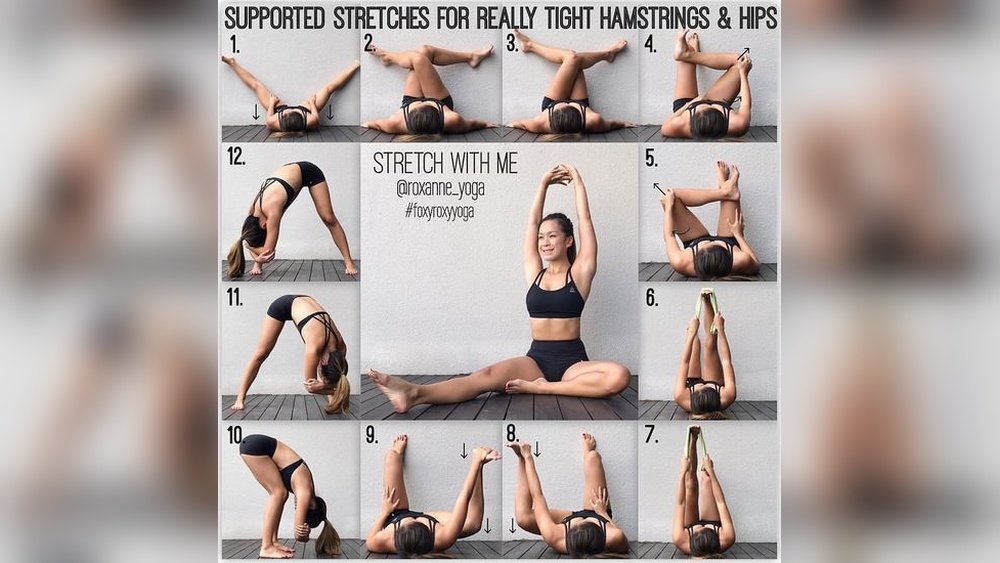
Stretching the legs is essential for better movement and less stiffness. Key yoga poses target the hips, hamstrings, calves, and thighs. These stretches improve leg flexibility safely and effectively. Practicing them regularly helps your legs feel longer and looser.
Each pose focuses on different muscle groups. Some poses stretch the back of the legs, while others open the hips or strengthen the thighs. Doing these poses slowly and with control is important. Hold each pose for 20 to 30 seconds and breathe deeply to relax your muscles.
Downward-facing Dog
Downward-Facing Dog is a classic yoga pose that stretches your calves, hamstrings, and spine. Start on your hands and knees, then lift your hips toward the ceiling. Your body forms an upside-down V shape. Keep your heels gently pressing toward the floor. This pose lengthens the back of your legs and improves blood flow.
Seated Forward Fold
Sitting on the floor with legs straight, bend forward from your hips. Reach your hands toward your feet without forcing the stretch. This pose targets the hamstrings and lower back. It helps release tension and increases flexibility in the back of your legs. Keep your spine long and avoid rounding your shoulders.
Butterfly Pose
In Butterfly Pose, sit with your feet together and knees bent outward. Hold your feet with your hands and gently press your knees toward the floor. This pose opens the hips and stretches the inner thighs. It is great for improving hip flexibility and reducing tightness in the groin area.
Low Lunges
Step one foot forward into a lunge position, keeping the back leg straight. Lower your hips to stretch the hip flexors and thighs. Keep your chest lifted and hands on your front knee or the floor. Low Lunges help release tightness in the front of your legs and build leg strength.
Stretching Techniques
Stretching techniques form the foundation for increasing leg flexibility through yoga. They help prepare your muscles and joints gently, reducing the risk of injury. Using the right methods makes your practice more effective and enjoyable. Below are key techniques to focus on during your yoga sessions.
Using Props For Support
Props like blocks, straps, and bolsters assist in deepening stretches safely. They provide extra support and help maintain proper alignment. For example, a strap can help reach your feet in seated forward bends. Bolsters can cushion the hips in hip-opening poses. Using props allows you to hold poses longer without strain.
Breath And Movement Coordination
Breathing deeply and steadily enhances every stretch. Inhale to prepare your body, then exhale as you ease into the stretch. This coordination relaxes muscles and increases stretch depth. Breath control also improves focus and calms the mind. Synchronizing breath and movement makes your practice smooth and mindful.
Holding Poses Safely
Hold each pose for at least 20-30 seconds to gain flexibility benefits. Avoid bouncing or forcing the stretch, which can cause injury. Listen to your body’s limits and ease off if you feel sharp pain. Engage your muscles gently to protect joints. Safe holding builds strength and flexibility gradually over time.

Credit: www.wikihow.com
Tips To Improve Flexibility
Improving leg flexibility with yoga requires a mindful approach. Simple tips can make a big difference. These tips help you stretch safely and effectively. Following them boosts your progress and reduces injury risk.
Consistency In Practice
Practice yoga regularly to see real improvements. Stretching once or twice a week is not enough. Aim for at least three sessions weekly. Consistent practice helps muscles and joints adapt. Flexibility grows slowly but steadily over time. Patience is key to lasting results.
Warming Up Properly
Always warm up before stretching exercises. Warm muscles stretch better and avoid injuries. Try gentle movements like walking or light leg swings. Spend five to ten minutes warming up. This increases blood flow to your legs. It prepares your body for deeper stretches.
Avoiding Overstretching
Stretch only to a comfortable point, never to pain. Overstretching can cause muscle strains or joint damage. Listen to your body’s limits and respect them. Ease into stretches slowly and gently. Gradually increase stretch depth over weeks. Safe stretching supports long-term flexibility gains.
Common Challenges
Increasing leg flexibility through yoga is a rewarding journey. Many beginners face common challenges that slow progress. Understanding these hurdles helps to stay patient and focused. These challenges often involve tight or stiff muscles that limit movement. Overcoming them requires gentle, consistent practice and proper techniques.
Tight Hamstrings
Tight hamstrings are a frequent obstacle. These muscles run along the back of your thighs. They become tight from sitting too long or lack of stretching. Tight hamstrings reduce your ability to bend forward or lift your legs. Yoga poses like Forward Fold and Downward Dog target these muscles. Stretch slowly and avoid pushing too hard to prevent injury.
Hip Flexor Stiffness
Hip flexors connect your hips to your thighs. Stiff hip flexors limit leg lifts and lunges. Sitting for hours often causes this stiffness. Yoga poses such as Low Lunge and Pigeon Pose help open these muscles. Focus on deep breathing and hold poses gently for better results. This stiffness can cause lower back pain if ignored.
Calf Muscle Tension
Calf muscles support walking and standing. Tension here makes leg stretches difficult. Tight calves can cause discomfort in the ankles and feet. Yoga poses like Downward Dog and Standing Calf Stretch relieve this tension. Stretch calves regularly to improve overall leg flexibility. Relaxing these muscles helps maintain balance and mobility.
Advanced Flexibility Moves
Advanced flexibility moves in yoga challenge your muscles and joints deeply. These poses help increase leg flexibility beyond basic stretches. They require control, strength, and patience. Practicing them regularly improves range of motion and reduces injury risk.
Pigeon Pose Variations
The pigeon pose targets hips and glutes, key areas for leg flexibility. Try the reclining pigeon to ease tension gently. For a deeper stretch, practice the king pigeon pose. It opens the hip flexors and stretches the quadriceps. Keep your breath steady to avoid strain.
Extended Leg Raises
Extended leg raises strengthen and stretch the hamstrings and hip flexors. Lie on your back and lift one leg straight up. Use a strap for support if needed. Slowly lower the leg without touching the floor. Repeat on each side to build control and length.
Backbends For Leg Flexibility
Backbends improve spine flexibility and help stretch the front leg muscles. Bridge pose and wheel pose are great examples. These poses open the hips and quadriceps deeply. Move slowly and listen to your body to avoid discomfort. Strong back muscles support better leg flexibility.
Frequently Asked Questions
Does Yoga Help With Leg Flexibility?
Yoga effectively improves leg flexibility by stretching hips, hamstrings, and calves through various poses. Regular practice increases range of motion safely.
How Do I Get My Legs To Be More Flexible?
Stretch daily with exercises like calf stretches, hamstring stretches, and yoga poses. Hold each stretch gently for 20-30 seconds. Incorporate yoga styles like Yin, Vinyasa, or Hatha to improve flexibility safely. Consistency and proper warm-up help increase leg flexibility effectively over time.
What Type Of Yoga Is Best For Increasing Flexibility?
Yin, Vinyasa, and Hatha yoga best increase flexibility. Yin targets deep tissues, Vinyasa builds heat with flow, and Hatha offers gentle, beginner-friendly stretches.
Is Yoga Good For Stiff Legs?
Yoga effectively relieves stiff legs by stretching muscles and improving flexibility. Regular practice loosens hamstrings, calves, and hips. Gentle poses like Downward-Facing Dog and Cat-Cow enhance mobility and reduce stiffness safely. Consistent yoga boosts circulation, eases tension, and promotes leg flexibility over time.
Conclusion
Practicing yoga regularly improves leg flexibility step by step. Focus on gentle stretches and hold poses longer. Use props like pillows to support your body. Breathe deeply and stay consistent with your routine. Over time, you will notice better mobility and less stiffness.
Remember, patience and practice bring lasting results. Enjoy the process and move at your own pace. Yoga offers a safe, natural way to increase leg flexibility. Keep practicing, and your legs will feel stronger and more flexible.
Key Take Away
The summary on “How to Increase Leg Flexibility Yoga” : The article explains that yoga, particularly Yin Yoga, Vinyasa Yoga, and Hatha Yoga, can make your legs more flexible. It focuses on the hips, hamstrings, calves, and thighs in various ways. It offers simple poses for beginners, such as Downward-Facing Dog, seated forward folds, Butterfly Pose, and low lunges. They each target different muscle groups to gently relax tight legs.