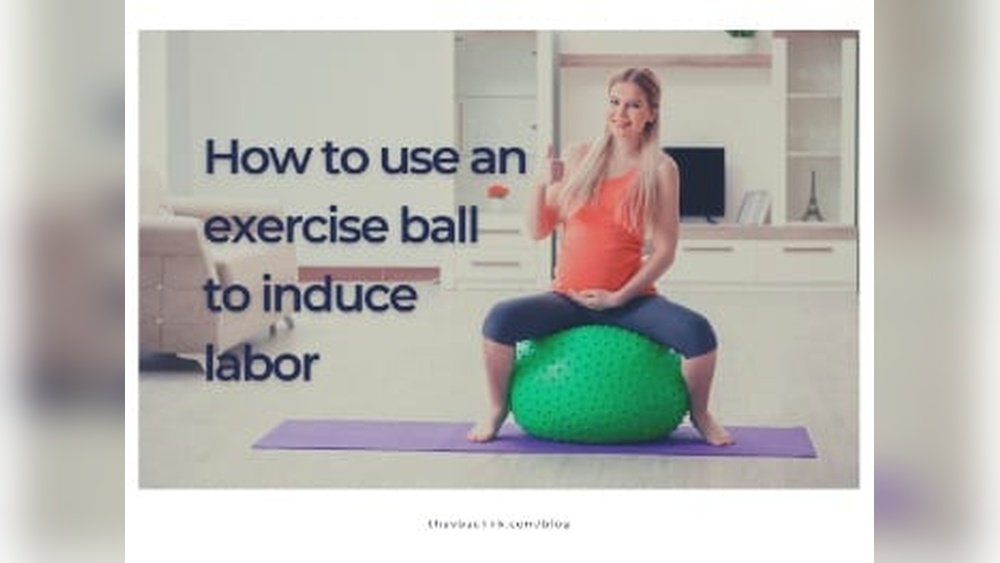
Preparing for birth? How to Induce Labor on Yoga Ball explains simple, safe movements that support pelvic alignment, relaxation, and natural labor induction.
Are you eager to encourage labor naturally and comfortably? Using a yoga ball might be just what you need.
This simple tool helps your body get ready for labor by opening your pelvis and encouraging your baby to move into the right position. Plus, it can ease discomfort and make those final weeks more manageable. You’ll discover easy yoga ball exercises and tips that work with your body’s natural rhythms to help gently induce labor.
Ready to find out how a yoga ball can support your journey? Keep reading to learn practical steps you can start today.
Benefits Of Yoga Ball In Labor
Using a yoga ball during labor offers several key benefits. It supports your body and helps manage labor more comfortably. The ball encourages gentle movement, which can assist the labor process naturally. Sitting and moving on the ball promotes relaxation and eases tension in the lower body. These effects can improve how labor progresses and how you feel during contractions.
Speeding Up Dilation
Sitting on a yoga ball helps open the pelvis. This encourages the cervix to dilate faster. Gentle bouncing or hip circles on the ball can stimulate contractions. These movements help the baby move down into the birth canal. This can shorten labor and make the process smoother.
Pain Relief During Labor
The yoga ball provides a comfortable seat that reduces pressure on the lower back. Moving on the ball helps relax muscles and eases tension. The soft, rhythmic motion can distract from pain. Leaning forward over the ball can relieve back labor pain. It allows for more natural movement and comfort during contractions.
Improving Baby’s Position
Using the ball encourages the baby to settle into a better position. Hip circles and gentle rocking help the baby turn and descend. A good position can make labor easier and less painful. The ball supports an upright posture, which uses gravity to help the baby move down. This can reduce the chance of complications and speed up labor.

Credit: www.ziffer.lu
When To Use A Yoga Ball
Knowing the right time to use a yoga ball during pregnancy is important. It helps with comfort and can support labor naturally. Using the ball at different stages offers specific benefits for both mother and baby. Understanding when to use a yoga ball can make the experience easier and more effective.
First Trimester Uses
In the first trimester, a yoga ball helps improve posture. It strengthens core muscles gently. Sitting on the ball teaches your body balance. This practice prepares your body for changes ahead. It also reduces tension in the lower back. Use the ball for short periods to avoid strain.
Second Trimester Comfort
The second trimester brings new aches and pains. The yoga ball eases hip and pelvic discomfort. Gentle hip circles on the ball open the pelvis. This can help the baby move into the right position. Sitting on the ball encourages better blood flow. It also reduces pressure on your spine. Try light bouncing to relieve stiffness.
During Labor Support
During labor, the yoga ball offers pain relief. It helps your pelvis stay open and flexible. Sitting or leaning on the ball reduces back pain. Gentle bouncing can encourage the baby to descend. The ball lets you change positions easily. This movement helps labor progress naturally. Support from the ball can make contractions feel less intense.
Effective Yoga Ball Exercises
Using a yoga ball during late pregnancy can help prepare the body for labor. It encourages movement and opens the pelvis. These exercises are gentle and safe. They help the baby settle into the best position for birth. The key is to stay relaxed and move slowly.
Here are some effective yoga ball exercises to try.
Gentle Bouncing
Sit on the yoga ball with feet flat on the floor. Keep your back straight and shoulders relaxed. Begin to bounce gently up and down. This movement loosens the pelvis and softens the cervix. It also helps reduce back pain. Bouncing should feel comfortable and soothing.
Hip Circles And Figure-eights
Sit tall on the ball and place your hands on your hips. Slowly rotate your hips in a circle. Do five circles in one direction, then switch. Next, move your hips in a figure-eight pattern. These motions open the pelvis and encourage baby’s descent. Keep the movements slow and smooth.
Pelvic Tilts
While sitting on the ball, gently tuck your pelvis under you. Then tilt it back to arch your lower back slightly. Repeat this rocking motion to strengthen core muscles. Pelvic tilts relieve pressure on your lower back. They help your baby move into a better position.
Kneeling And Leaning Over Ball
Kneel on the floor with the yoga ball in front of you. Lean your upper body over the ball and rest your arms on it. Keep your hips aligned over your knees. This position eases back pain and widens the pelvic area. It also encourages baby to move down. Take slow, deep breaths while holding this pose.
:max_bytes(150000):strip_icc()/Parents-Induce-Pregnancy-Naturally-ec93a0d52049488292a3f78f0d0765f9.jpg)
Credit: www.parents.com
Safety Tips For Using Yoga Ball
Using a yoga ball to induce labor can be helpful and gentle. Safety must be a priority to avoid any risks. Following simple safety tips helps ensure comfort and effectiveness. These tips reduce chances of injury and support your body well.
Consulting Your Healthcare Provider
Talk to your doctor before using a yoga ball. They know your pregnancy history and can give advice. Some conditions may make yoga ball exercises unsafe. Get approval and ask about the best exercises for you.
Listening To Your Body
Pay attention to how your body feels during use. Stop immediately if you feel pain or dizziness. Gentle movements work better than fast or strong motions. Your body signals what is safe and what is not.
Choosing The Right Ball Size
Select a yoga ball that fits your height and weight. Sitting on the correct size keeps your hips open and spine straight. A ball too big or small can cause discomfort or imbalance. Measure your legs and follow size charts for the best fit.
Incorporating Yoga Ball Into Daily Routine
Incorporating a yoga ball into your daily routine can gently encourage labor while improving comfort. Using the ball regularly helps open the pelvis and relax muscles. It also supports better posture and reduces back pain during pregnancy.
Simple, consistent use throughout the day makes a big difference. Sitting, moving, or stretching on the ball engages your core and pelvic area. This can ease the baby’s descent and prepare your body for labor naturally.
Replacing Chairs With Yoga Ball
Swap your regular chair for a yoga ball when sitting. This small change activates your core and pelvic muscles. It reduces pressure on your lower back and promotes better posture. Sitting on the ball encourages gentle bouncing or rocking, which helps relax your pelvis.
Short Sessions Throughout The Day
Use the yoga ball in short sessions spread across your day. Sitting for 10 to 15 minutes a few times daily works well. You can gently bounce or make small hip circles during these breaks. These movements help open the pelvis and increase blood flow to the uterus.
Combining With Other Prenatal Exercises
Pair yoga ball use with simple prenatal exercises. Pelvic tilts, cat-cow stretches, and gentle hip openers complement the ball’s benefits. These exercises improve flexibility and ease tension in your lower body. Together, they help prepare your body for labor in a safe, natural way.
Signs Yoga Ball Is Helping
Using a yoga ball to induce labor can bring many benefits. It helps your body prepare for birth naturally. Knowing the signs that the yoga ball is helping is important. These signs show that your baby is moving into position and your body is ready for labor. Pay attention to how you feel while using the ball. Below are key signs to watch for.
Increased Baby Movement
You may notice your baby moving more often and more strongly. The gentle bouncing and pelvic rocking can encourage the baby to shift. This movement helps the baby settle into the birth canal. More baby movement is a good sign that the yoga ball is working. It means your baby is responding to the changes in your body.
Reduced Back Pain
Sitting on the yoga ball can relieve pressure on your lower back. The ball supports your spine and helps you sit with better posture. Many pregnant women feel less back pain after using the ball. When pain decreases, your muscles relax. This relaxation makes labor easier and more comfortable.
Feeling Of Pelvic Opening
You might feel a gentle stretch or openness in your pelvis. The movements on the yoga ball help widen the pelvic area. This feeling means your body is preparing for delivery. Pelvic opening allows the baby to move down smoothly. This sign shows that your efforts on the yoga ball are effective.

Credit: www.thevbaclink.com
Frequently Asked Questions
How To Induce Labor on Yoga Ball Properly?
Sit on the yoga ball with feet flat and bounce gently. Do hip circles and figure-eights to open the pelvis. Lean forward on hands and knees to relieve back pressure. Always listen to your body and stop if uncomfortable. Consult your doctor before starting.
Will A Yoga Ball Help You Dilate?
A yoga ball can help speed dilation by encouraging pelvic movement and baby’s descent. It also eases labor pain and improves comfort.
When Should You Start Bouncing On A Birthing Ball?
Start bouncing on a birthing ball anytime during pregnancy to improve comfort and encourage baby’s optimal position. Use gentle bounces especially in the second trimester and labor. Always get your doctor’s approval before starting. Stop if you feel any discomfort or strain.
What Does Bouncing On A Ball Do At 38 Weeks Pregnant?
Bouncing on a ball at 38 weeks helps open the pelvis, encourages baby’s descent, and may stimulate labor naturally.
Conclusion
Using a yoga ball can gently encourage labor to start. Simple movements help open the pelvis and ease baby’s descent. Always listen closely to your body’s signals while using the ball. Stop if you feel any pain or discomfort. Talk with your doctor before trying these exercises at home.
A yoga ball offers a natural way to support labor progress. It also helps reduce back pain and improve comfort. Stay calm and patient—your body knows what to do.