
Yoga has become a popular way to improve flexibility, reduce stress, and support mental health. But if you are a Christian, you might wonder: can you practice yoga without compromising your faith? Many Christians have these questions, and it’s understandable. Yoga’s roots are in Hindu and Buddhist traditions, and some yoga classes include spiritual practices that may seem strange or uncomfortable to Christians. Still, yoga’s physical benefits are real, and more Christians are finding ways to enjoy them while staying true to their beliefs.
Let’s explore how you can practice yoga as a Christian, honoring both your body and your faith. You’ll discover practical steps, common concerns, and ways to make yoga a positive, faith-friendly experience.
Understanding Yoga: The Basics
Yoga began in India thousands of years ago. The word “yoga” means “union” or “to yoke” in Sanskrit. Traditionally, yoga was more than exercise; it included meditation, breathwork, and spiritual practices. Today, yoga in the West often focuses on physical postures, called asanas, and breathing techniques, known as pranayama.
However, not all yoga classes are the same. Some are purely physical, while others include chanting, Eastern philosophy, or meditation aimed at spiritual awakening. This difference is important for Christians who want to practice yoga while staying true to their faith.
Why Christians Worry About Yoga
Many Christians worry about yoga for two reasons:
- Spiritual roots: Yoga’s history is tied to Hinduism and Buddhism. Some Christians fear that practicing yoga could conflict with their faith.
- Spiritual practices: Some classes include chanting or meditation with spiritual meanings that don’t fit with Christianity.
These are valid concerns. But many Christians find that with careful choices, they can enjoy yoga’s benefits without spiritual conflict.
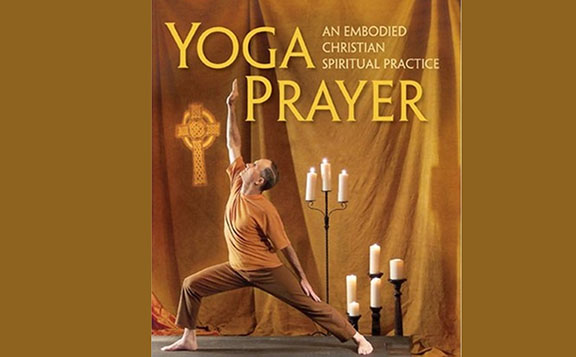
Credit: integralyogamagazine.org
Can You Practice Yoga As A Christian?
Yes, you can. But it takes intention. The key is to focus on yoga’s physical benefits and adapt the practice so it fits your faith. Yoga, at its core, is a tool. Like any tool, it can be used in different ways.
For example, stretching and breathing are universal—people everywhere use them to stay healthy. If you practice yoga as a form of exercise and relaxation, not a spiritual path, you can enjoy its benefits while honoring God.
Practical Steps For Practicing Yoga As A Christian
1. Choose The Right Style Of Yoga
Not all yoga styles are the same. Some focus on fitness, others on spirituality. Here’s a quick comparison:
| Yoga Style | Main Focus | Christian-Friendly? |
|---|---|---|
| Hatha | Basic poses, gentle movement | Yes |
| Vinyasa | Flowing sequences, breath | Yes |
| Kundalini | Spiritual awakening, chanting | No |
| Bikram | Hot yoga, fixed sequence | Yes |
| Yin | Deep stretches, long holds | Yes |
If you’re new, Hatha or Vinyasa are usually good choices. Avoid yoga styles that focus heavily on spiritual awakening or chanting.
2. Select The Right Instructor Or Class
Look for teachers who respect your boundaries. Some Christian yoga practitioners, such as Holy Yoga or PraiseMoves, design classes for Christians. In regular studios, let your teacher know your preferences. Ask if the class includes chanting or Eastern spirituality, and skip those parts if you’re uncomfortable.
A good teacher will support your choices and help you feel at ease.
3. Set Your Intention Before You Begin
In many yoga classes, you’ll hear about “setting an intention. ” For Christians, this is a chance to focus on God. You might pray for peace, thank God for your body, or meditate on a Bible verse. This turns your practice into a time of worship and gratitude.
Some Christians repeat a favorite scripture silently during poses. For example, “I can do all things through Christ who gives me strength” (Philippians 4:13).
4. Change The Language If Needed
Yoga uses Sanskrit words like “Namaste” or “Om. ” If these words make you uncomfortable, you can skip them or use Christian alternatives. For example, say “peace be with you” instead of “Namaste. ”
You can also change the language in your mind. If the teacher says “center yourself,” you might think, “focus on God’s presence. ”
5. Focus On The Physical, Not The Spiritual
Remember, stretching, breathing, and movement are not religious. They are tools for health. If a teacher leads a meditation with Hindu or Buddhist themes, you can pray silently or focus on Christian truths.
You are free to adapt the practice to fit your beliefs.
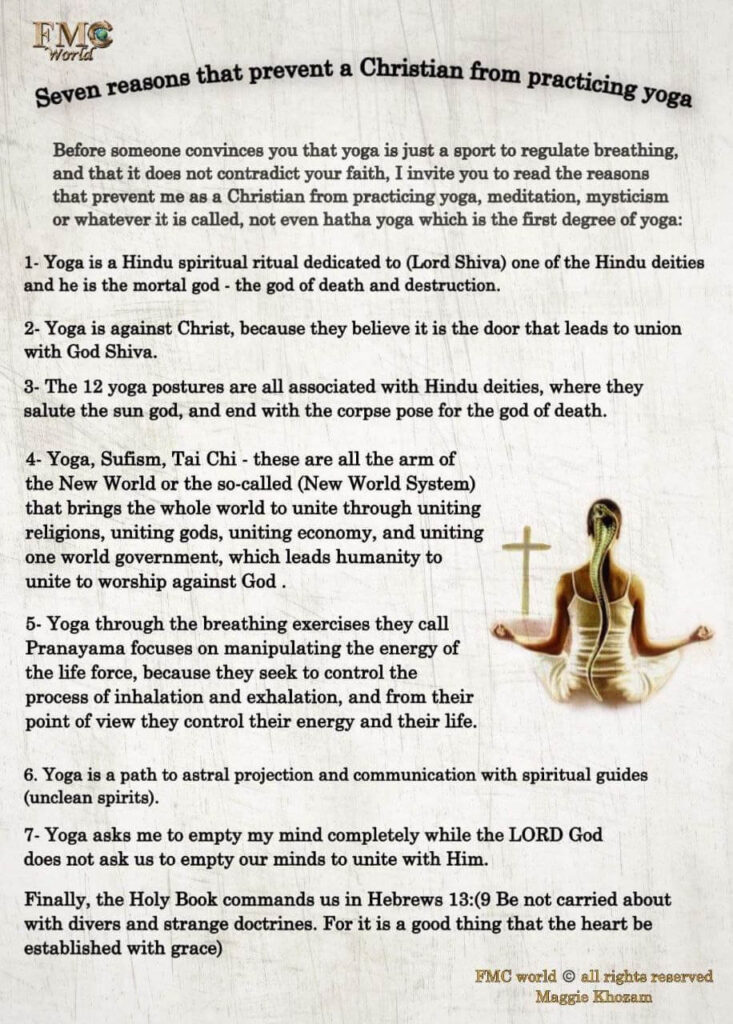
Credit: fmcworld.net
Adapting Yoga Practice To Christian Faith
Many Christians find that yoga helps them connect with God, not move away from Him. Here’s how:
- Use yoga as a time for prayer and reflection.
- Listen to Christian music during your practice.
- Meditate on Bible verses instead of mantras.
- Practice gratitude for your body and God’s creation.
Some Christian yoga teachers create whole routines around Bible stories or Christian holidays. This makes the practice feel familiar and uplifting.
Example: A Christian Yoga Routine
Here’s a simple routine you can try:
- Begin with a short prayer, asking God to bless your practice.
- Start with gentle breathing (focus on God’s peace).
- Move through basic poses like Child’s Pose or Mountain Pose while thinking about Bible verses.
- End with a moment of gratitude or silent prayer.
This routine is simple, but it can help you stay focused on God while caring for your body.
Common Concerns And Honest Answers
Is Yoga A Religion?
No, yoga is not a religion. But it has spiritual roots in Hinduism and Buddhism. Today, many people practice yoga just for health. You can decide what yoga means for you.
Will Practicing Yoga Lead Me Away From Christianity?
Not if you approach it carefully. Many Christians use yoga as a way to care for their bodies, not as a spiritual path. If you ever feel uncomfortable, step back and pray about it.
Can I Do Yoga Without Chanting Or Meditation?
Absolutely. You can skip any part that doesn’t fit your beliefs. Stretching and breathing are for everyone.
Real Examples: How Christians Practice Yoga
Many churches now offer Christian yoga classes. These classes use gentle music, Bible readings, and prayer. One group, Holy Yoga, offers training for Christian yoga teachers. Another, PraiseMoves, combines movement with scripture.
Personal stories also show how Christians adapt yoga:
- Sarah, a church youth leader, does yoga at home with worship music. She says, “Yoga helps me relax and feel closer to God. I use the time to pray and reflect.”
- Mark, a father of three, joined a Christian yoga class at his church. He likes that the teacher reads a Bible verse at the start of each class.
These experiences show that Christians can practice yoga in a way that honors their faith.
Comparing Yoga To Other Forms Of Exercise
Many Christians ask, “Why not just stretch or do Pilates?” Here’s a simple comparison:
| Activity | Main Focus | Spiritual Component | Christian Adaptability |
|---|---|---|---|
| Yoga | Flexibility, strength, relaxation | Optional | High (with adaptations) |
| Pilates | Core strength, posture | None | High |
| Stretching | Flexibility | None | High |
| Aerobics | Cardio, endurance | None | High |
Yoga stands out because it combines movement, breathing, and relaxation. With the right approach, it can fit well into a Christian’s life.
Two Insights Most Beginners Miss
- You Control Your Practice: Many new Christian yogis don’t realize they can control every part of their practice. You can skip any part, change the music, or add prayer. Your yoga mat is your space.
- Yoga Can Deepen, Not Weaken, Faith: Some believe yoga will harm their faith. But for many, it actually deepens their connection to God. Taking time to be still, breathe, and reflect can become a form of worship.
Tips For Staying Grounded In Your Faith
- Pray before and after your practice.
- Use Christian podcasts or music during yoga.
- Practice with other Christians for support.
- Be clear with teachers about your boundaries.
- Remember, your focus is on health, not religion.
If you ever feel uneasy, talk with a trusted pastor or Christian mentor.
What To Avoid When Practicing Yoga
Some mistakes can cause confusion or discomfort. Here’s what to avoid:
- Joining classes with heavy spiritual content: If the class feels more like a religious ceremony, it’s okay to leave.
- Ignoring your conscience: If something feels wrong, trust your instincts and pray about it.
- Thinking you must do everything the teacher says: You don’t. Adapt the practice for your needs.
Where To Learn More
There are resources and groups for Christians who want to practice yoga safely. For more information on yoga’s background, you can visit Wikipedia’s Yoga page.

Credit: www.janelleknutson.com
Frequently Asked Questions
Is It Okay For Christians To Say “namaste” In Yoga Classes?
Saying “Namaste” is a cultural greeting in India, meaning “I bow to you. ” If you feel uncomfortable, you can greet others in your own way or say nothing at all. It’s a personal choice.
Can I Listen To Christian Music During Yoga?
Yes. Many Christians play worship music or instrumental hymns during yoga. It helps create a peaceful, faith-friendly atmosphere.
What Should I Do If My Church Disapproves Of Yoga?
Talk openly with your church leaders. Explain how you practice yoga and why you find it helpful. Be respectful, and consider their concerns. Every church is different.
Are There Christian Yoga Apps Or Videos?
Yes, several apps and YouTube channels offer Christian yoga routines. Look for teachers who use Bible verses, prayer, and Christian music.
What If A Yoga Pose Is Named After A Hindu God?
You can use the English name for the pose. For example, “Tree Pose” instead of the Sanskrit name. Focus on the movement, not the name or origin.
Practicing yoga as a Christian is possible, safe, and healthy if you are intentional. With care, you can enjoy yoga’s benefits and grow stronger in body, mind, and faith. Remember, your relationship with God is the most important part of any practice.