You want to sit cross-legged in yoga but find it uncomfortable or even painful. Maybe your hips feel tight, your knees ache, or your back just won’t stay straight.
You’re not alone—and the good news is, you can learn how to sit cross-legged with ease and comfort. This simple yet powerful pose is the foundation for many yoga practices and meditation sessions. When done right, it improves your posture, boosts your focus, and helps you connect with your body.
Ready to discover the step-by-step approach that will make sitting cross-legged feel natural for you? Keep reading, because we’re breaking it down in a way that anyone can follow—no matter your flexibility or experience.
Benefits Of Sitting Cross-legged
Sitting cross-legged in yoga offers many benefits for both body and mind. This simple posture improves flexibility and strengthens muscles. It also helps you sit with better posture and stay focused during practice. The benefits go beyond physical health, encouraging a calm and mindful state.
Enhancing Flexibility
Sitting cross-legged stretches your hips, knees, and ankles gently. It increases the range of motion in these joints. Over time, muscles and tendons become more flexible. This helps reduce stiffness and makes other yoga poses easier to perform. Regular practice prevents injuries and improves overall mobility.
Improving Posture
This seated position encourages a straight spine naturally. It reduces slouching by aligning your back and shoulders properly. Better posture decreases the risk of back and neck pain. Sitting cross-legged also strengthens core muscles that support your spine. This creates a strong foundation for all yoga activities.
Promoting Mindfulness
Sitting cross-legged creates a stable base for meditation and breathing exercises. It helps you stay grounded and focused during yoga sessions. The posture encourages calmness and reduces stress levels. Mindfulness improves mental clarity and emotional balance. This seated pose supports a peaceful state of mind.
Common Challenges
Sitting cross-legged in yoga looks simple but often comes with challenges. Many beginners face discomfort and tightness that make the pose hard to hold. Understanding these common issues helps improve your practice and prevents injury.
Tight Hips And Hamstrings
Tight hips and hamstrings limit your ability to cross your legs comfortably. These muscles may feel stiff or sore when you try to sit this way. Stretching them gently over time improves flexibility. Warm-up exercises before sitting cross-legged can reduce tension and help your body relax into the pose.
Knee Discomfort
Knee pain is a frequent problem during cross-legged sitting. It often happens due to poor alignment or tight muscles around the joint. Avoid forcing your knees down or pushing beyond your comfort level. Using cushions or blocks can support your knees and reduce strain. Listen to your body and adjust the position to avoid pain.
Back Pain Issues
Back pain can occur if you slouch or lack core strength. Sitting with a rounded spine puts pressure on your lower back. Focus on sitting tall with your chest open and shoulders relaxed. Strengthening your back muscles and practicing good posture helps maintain comfort. Support like a folded blanket under your hips can also ease back pain.
Preparing Your Body
Preparing your body is essential before sitting cross-legged in yoga. This practice requires flexibility, strength, and balance. Taking time to prepare reduces discomfort and supports good posture. It also helps prevent injuries and makes your practice more enjoyable.
Start with gentle movements to warm up your muscles. Focus on loosening your hips and strengthening your core. These steps build a strong foundation for sitting cross-legged with ease and comfort.
Warm-up Stretches
Begin with simple stretches to wake up your body. Stretch your lower back, hips, and legs gently. Movements like seated forward bends and gentle twists prepare your muscles. Keep your movements slow and controlled to avoid strain.
Hip Opening Exercises
Open your hips with targeted exercises. Try butterfly stretch or pigeon pose to increase flexibility. These poses help release tightness in your hip joints. Improved hip mobility makes sitting cross-legged easier and less painful.
Strengthening Core Muscles
Strong core muscles support your spine and improve balance. Practice exercises like plank or boat pose regularly. A stable core helps maintain an upright posture while sitting. This reduces fatigue and keeps your back healthy during yoga.
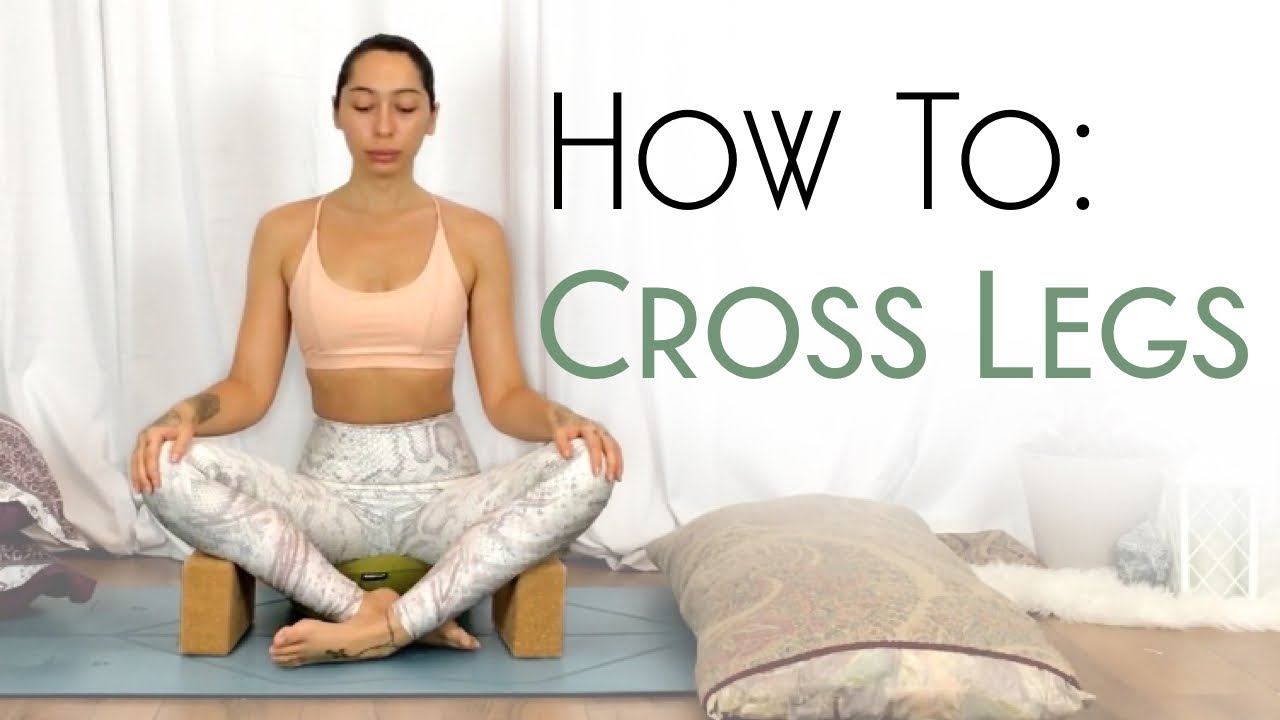
Credit: www.youtube.com
Step-by-step Cross-legged Sitting
Sitting cross-legged in yoga is a foundation for many poses and meditation practices. It helps create a stable base and calms the mind. Learning the right steps ensures comfort and avoids strain. Follow these simple instructions to sit cross-legged correctly.
Proper Leg Positioning
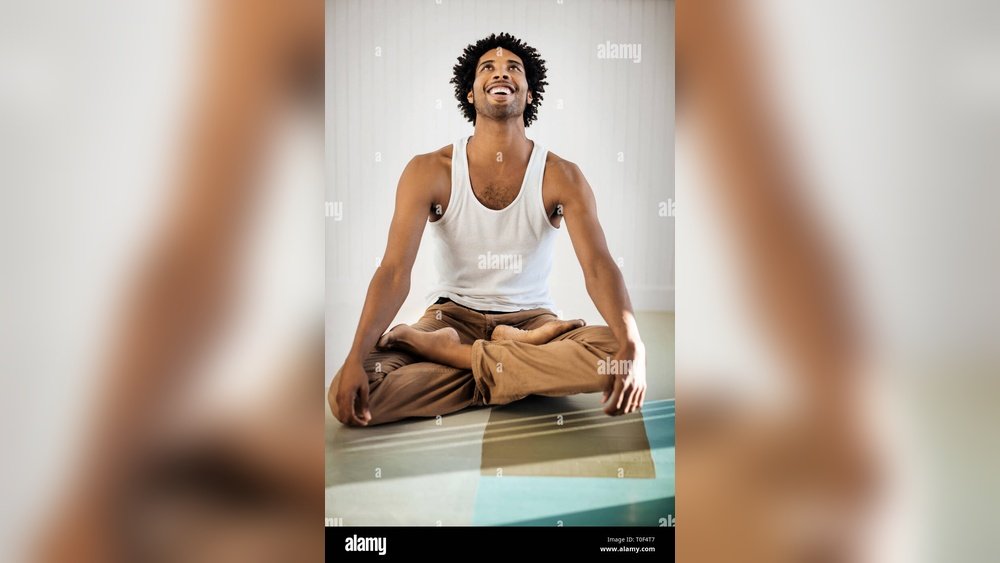
Start by sitting on the floor or a yoga mat. Extend your legs straight in front of you. Slowly bend your knees and cross one leg over the other. Place each foot under the opposite knee. Your shins should rest on the floor, forming a loose “X” shape. Keep your knees wide and relaxed. Avoid forcing your legs into position. Let your hips open naturally to reduce tension.
Maintaining An Upright Spine
Keep your back straight but not stiff. Imagine a string pulling the top of your head toward the ceiling. Tuck your chin slightly to lengthen your neck. Relax your shoulders away from your ears. This posture helps improve breathing and focus. Avoid slouching or leaning back. A strong spine supports your whole body during the practice.
Using Props For Support
Use a folded blanket or cushion under your hips. This raises your pelvis and eases pressure on your knees. Props help if your hips or legs feel tight. You may also place small pillows under your knees for added comfort. Support allows longer sitting without pain. Adjust props until you feel stable and balanced. Props make the pose accessible to all levels.
Modifications For Comfort
Sitting cross-legged during yoga can feel hard for many beginners. Comfort matters to keep focus and relax muscles. Modifications help reduce strain and improve posture. They prepare the body for longer practice without pain.
Simple changes ease pressure on hips and knees. They support natural alignment and prevent discomfort. Use props or adjust positions to find what feels best. This makes sitting cross-legged more accessible to everyone.
Elevating The Hips
Raising the hips above the knees helps the spine stay straight. Use a folded blanket, cushion, or yoga block to lift your hips. This reduces tension in the hips and lower back. It also allows knees to drop gently toward the floor. Elevating hips creates a stable, comfortable base for sitting.
Knee Support Techniques
Place cushions or rolled towels under the knees for extra support. This prevents knee pain and reduces pressure on joints. Use firm but soft props to avoid sinking too much. Keeping knees supported helps muscles relax around the hips. It also improves blood flow and reduces stiffness.
Alternative Sitting Poses
Try poses like Vajrasana (kneeling) or Sitting on a Chair. These poses offer a comfortable option for those unable to sit cross-legged. They keep the spine aligned and hips open. Changing poses allows gradual improvement in flexibility. It also helps avoid pain while building strength.
Breathing And Mindfulness Tips
Breathing and mindfulness are essential while sitting yoga cross-legged. They calm the mind and relax the body. Focusing on breath helps deepen your practice. Mindfulness brings awareness to the present moment.
Breath Awareness
Start by noticing your natural breath. Feel the air as it enters and leaves your nose. Breathe gently and evenly without force. Count your breaths to maintain focus. Inhale deeply through the nose for four counts. Exhale slowly for six counts. This slows your mind and eases tension.
Relaxation Techniques
Relax your shoulders and jaw as you sit. Let your hands rest comfortably on your knees. Close your eyes to reduce distractions. Visualize a peaceful place or a warm light. Practice gentle body scans from head to toe. Release any tightness with each exhale. This helps your muscles soften and your mind settle.
Enhancing Focus
Focus on your breath or a simple mantra. Repeat a calming word quietly in your mind. If thoughts wander, gently bring attention back. Use a timer to practice short sessions at first. Gradually increase time as concentration improves. This builds mental strength and supports meditation during yoga.
Progressing Flexibility Safely
Progressing flexibility safely is key to sitting cross-legged in yoga without pain. It takes time and care to increase your range of motion. Rushing can cause injury or discomfort. A mindful approach helps your body adapt well to the stretch. This section covers how to advance your flexibility with safety in mind.
Consistent Practice
Practice sitting cross-legged daily for short periods. Regular sessions improve flexibility gradually. Use props like cushions to support your hips. This reduces strain and helps your muscles relax. Small, steady progress is better than pushing too hard.
Listening To Your Body
Pay close attention to how your body feels. Mild discomfort is normal, sharp pain is not. Stop or adjust if you feel pain in knees or hips. Breathing deeply can ease tension and improve flexibility. Avoid forcing your legs into position.
When To Seek Professional Advice
Consult a yoga instructor or physical therapist if pain persists. They can check your posture and suggest modifications. Professionals help identify any joint or muscle issues. Early advice prevents long-term problems. Do not ignore ongoing discomfort or stiffness.

Credit: www.yogabasics.com
Integrating Cross-legged Sitting Into Yoga
Integrating cross-legged sitting into your yoga practice enhances stability and deepens focus. This simple pose supports better posture and calms the mind. It builds a strong foundation for many yoga styles and meditation techniques. Learning to sit cross-legged comfortably opens new doors for your yoga journey.
Incorporating Into Daily Routine
Make cross-legged sitting a daily habit. Start by sitting this way for a few minutes after waking. Use a cushion to support your hips if needed. Gradually increase the time as your body adjusts. Consistency helps improve flexibility and comfort over time.
Combining With Meditation
Cross-legged sitting pairs perfectly with meditation. It keeps your spine straight and your body relaxed. This posture helps you stay alert while calming the mind. Focus on your breath while sitting cross-legged. It encourages mindfulness and inner peace.
Using Cross-legged Pose In Sequences
Include cross-legged sitting in yoga sequences to balance movement and stillness. Begin or end your practice in this pose to ground yourself. Use it during breaks in flowing sequences for rest. It offers a moment of calm and helps transition between poses smoothly.
:max_bytes(150000):strip_icc()/EasyPose_annotated-bf09d34e02034bcf845c6a199aec9b18.jpg)
Credit: www.verywellfit.com
Frequently Asked Questions
How Do Yogis Sit Cross-legged?
Yogis sit cross-legged by sitting upright with a straight spine, crossing legs at the shins, and widening knees. They bring each foot under the opposite knee, bending knees and folding legs toward the torso. Using a cushion helps maintain posture and comfort.
Can You Train Yourself To Sit Cross-legged?
Yes, you can train yourself to sit cross-legged by improving hip flexibility and joint mobility through regular stretching and practice.
Why Am I Not Able To Sit Cross-legged?
You may struggle to sit cross-legged due to tight hip muscles, limited joint flexibility, or bone structure differences. Regular stretching and mobility exercises can improve comfort and ability over time.
How To Properly Sit With Crossed Legs?
Sit with your spine straight and shoulders relaxed. Cross legs at shins, keeping knees lower or level with hips. Use a cushion to elevate hips for comfort. Avoid slouching, and widen knees gently. Maintain steady breathing to support posture.
Conclusion
Sitting cross-legged in yoga brings calm and focus to your practice. Start slow and listen to your body’s needs. Use cushions or props to ease discomfort and maintain good posture. Regular practice improves flexibility and comfort over time. Remember, every body is different; honor your limits gently.
Enjoy the peaceful feeling that comes with this simple pose. Keep practicing, and sitting cross-legged will become natural and relaxing.