Are you looking for a way to enjoy the benefits of yoga without the need to get down on the floor or push your body too hard? Using a yoga chair might be the perfect solution for you.
Whether you’re new to yoga, dealing with limited mobility, or just want a gentle, supportive way to stretch and strengthen your body, a yoga chair can open up a whole new world of possibilities. You’ll discover how to use a yoga chair effectively to improve your flexibility, reduce stress, and build strength safely.
Keep reading to learn simple techniques that fit your pace and lifestyle—and start feeling more balanced and energized today.
Credit: iyogaprops.com.au
Benefits Of Using A Yoga Chair
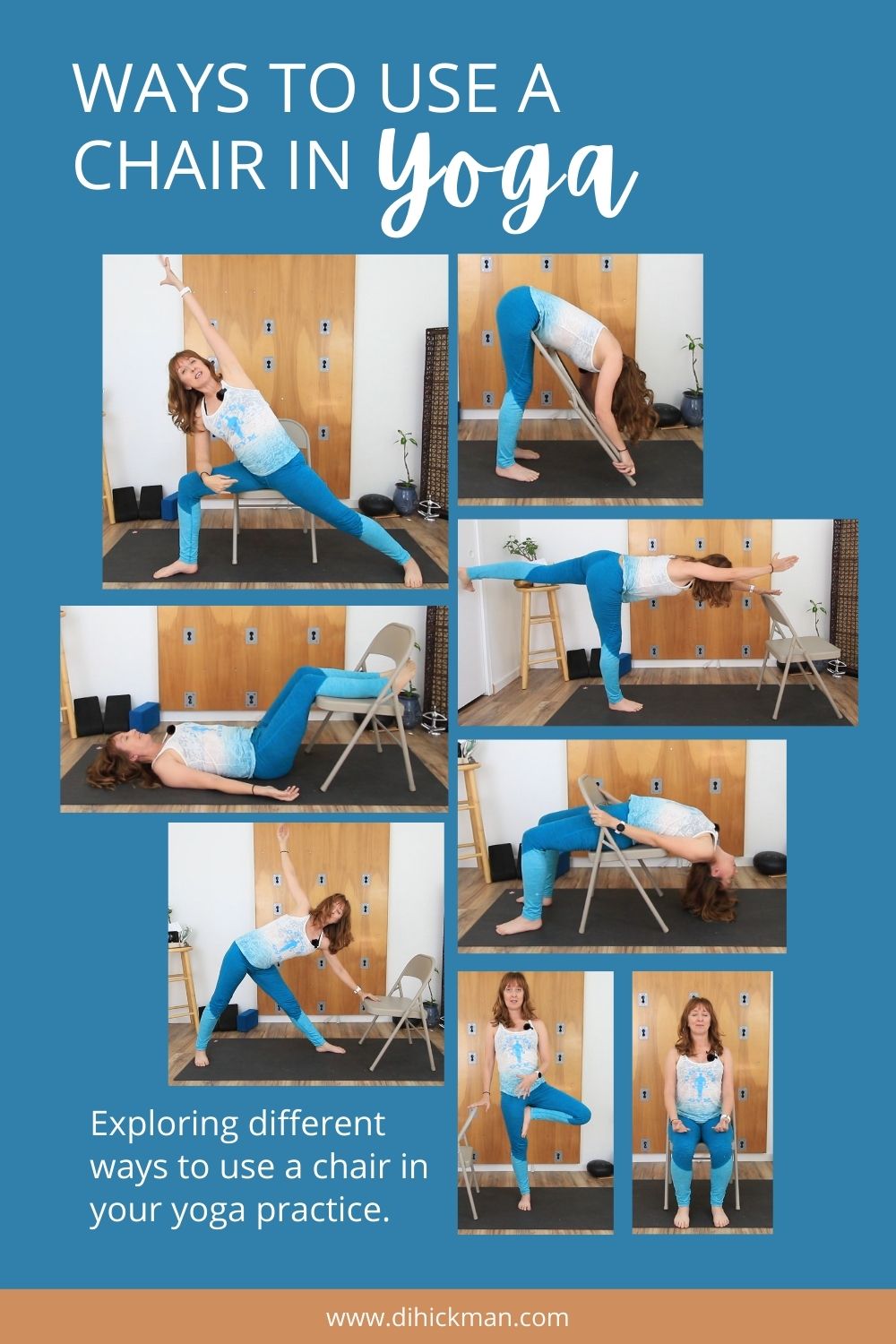
Using a yoga chair offers many benefits for body and mind. It makes yoga accessible and safer for many people. A chair supports your body, helping you hold poses longer and with less strain. This support improves your practice and results. Here are key benefits of using a yoga chair.
Improved Mobility And Strength
A yoga chair helps increase joint movement and muscle strength. It supports gentle stretching and controlled movements. This can boost flexibility and build stronger muscles. Regular practice with a chair can improve your range of motion.
Stress And Anxiety Relief
Chair yoga encourages deep breathing and mindfulness. These techniques calm your mind and lower stress. Sitting safely on a chair allows you to focus on breathing easily. This helps reduce anxiety and promotes relaxation.
Enhanced Balance And Stability
The chair acts as a steady base, improving your balance. It helps you practice poses without fear of falling. Better balance reduces the risk of injuries. Over time, your body learns to stay stable in many positions.
Pain Management And Relief
Yoga chairs aid in easing pain from conditions like arthritis or back issues. The support reduces pressure on sensitive joints. Gentle movements relax tight muscles and reduce discomfort. Many find relief through regular chair yoga sessions.
Accessibility For All Levels
Yoga chairs make yoga possible for beginners, seniors, and those with injuries. They provide support that adapts to different abilities. This makes yoga safer and easier to follow. Anyone can enjoy the benefits without needing full flexibility or strength.
Core Principles Of Chair Yoga
Chair yoga follows simple but important ideas to bring yoga benefits safely. These core principles make yoga easy to do while sitting. They help improve body strength, breathing, and mental calm. Each principle supports a gentle, mindful practice that suits many people.
Breath Control And Mindfulness
Breathing deeply and slowly guides your movements in chair yoga. Breath control calms the mind and relaxes the body. Mindfulness means paying full attention to your breath and sensations. This helps reduce stress and keeps you focused during poses. Breath and awareness work together for peaceful practice.
Adapted Yoga Poses
Yoga poses change to fit the chair and your needs. Seated versions of common poses like twists and bends keep you safe. The chair supports balance and allows gentle stretching. Adapted poses improve flexibility and strength without strain. They make yoga accessible for all skill levels and abilities.
Mind-body Connection
Chair yoga links your body and mind through movement and breath. This connection enhances body awareness and mental clarity. Moving slowly with focus helps release tension and promotes calm. The practice encourages listening to your body’s limits. It creates a balanced state of wellness inside and out.
Choosing The Right Yoga Chair
Choosing the right yoga chair plays a key role in your practice. The correct chair offers comfort, support, and safety. It helps you perform poses well and avoid injury. A good yoga chair suits your body and style of practice. Consider these factors to pick the best chair for your needs.
Comfort And Support Features
Comfort is essential for a relaxing yoga session. Look for chairs with padded seats and backrests. These reduce pressure on your body. Supportive features like lumbar cushions help maintain good posture. Adjustable height and armrests add to comfort. Choose a chair that fits your body size well.
Stability And Safety Considerations
A stable chair prevents slips and falls during yoga poses. Check for a wide, sturdy base that does not wobble. Non-slip feet or grips keep the chair steady on smooth floors. Avoid chairs with wheels or rolling parts. Strong frame construction adds to safety. Test the chair’s stability before buying.
Material And Durability
The chair’s material affects its weight and lifespan. Metal frames offer strong support and long durability. Wooden chairs provide a natural look but may be heavier. Plastic chairs are lightweight and easy to move but may wear out faster. Choose materials that match your practice style and usage frequency. Durable chairs give better value over time.
Credit: www.arloren.com
Basic Chair Yoga Poses
Basic chair yoga poses offer a gentle way to stretch and strengthen the body. These poses adapt traditional yoga moves to a seated position. They improve flexibility, reduce tension, and support balance. Anyone can try them, regardless of fitness level or mobility.
Use a sturdy chair without wheels for safety. Sit with your feet flat on the floor and your spine straight. Breathe deeply and move slowly through each pose. Feel the benefits in your muscles and mind.
Seated Cat-cow Stretch
Sit tall with hands on your knees. Inhale and arch your back, lifting your chest (Cow). Exhale and round your spine, tucking your chin (Cat). Repeat slowly to warm up the spine and release tension.
Spinal Twists
Place your right hand on the back of the chair. Inhale to lengthen your spine. Exhale and twist gently to the right. Hold for a few breaths. Return to center and repeat on the left side. This improves spinal mobility and digestion.
Forward Bends
From a seated position, inhale and lengthen your spine. Exhale and slowly bend forward from the hips, reaching toward your feet or shins. Keep your back straight as you fold. This stretch calms the mind and releases the lower back.
Seated Warrior Variations
Sit sideways on the chair with one leg bent and foot flat on the floor. Extend the other leg straight out to the side. Raise your arms overhead or to the sides. This pose strengthens the legs and opens the hips.
Leg And Hip Stretches
Lift one leg and place the ankle on the opposite knee. Gently press down on the raised knee to open the hip. Hold and switch sides. This stretch eases hip tightness and improves circulation.
Step-by-step Guide To Chair Yoga Practice
Starting a chair yoga practice can feel simple and rewarding. This step-by-step guide helps you use a yoga chair safely and effectively. Each step prepares your body and mind for a calm, focused session. Follow this guide to enjoy gentle movement with strong benefits.
Preparing Your Space
Choose a quiet, well-lit area with enough room for your chair. Use a sturdy chair without wheels to avoid slipping. Clear the floor around you to prevent tripping. Keep a water bottle nearby to stay hydrated. Wear comfortable clothes that allow easy movement.
Warm-up Exercises
Begin by sitting tall with your feet flat on the floor. Slowly roll your shoulders forward and backward to loosen tension. Gently turn your neck side to side to release stiffness. Move your wrists and ankles in circles to warm joints. Take a few deep breaths to center yourself.
Performing Poses Safely
Always keep your feet flat and your back straight. Move slowly into each pose to avoid strain. Use the chair for support during stretches and twists. Avoid pushing your body beyond comfort. Listen to your body and stop if you feel pain.
Incorporating Breathing Techniques
Breathe deeply through your nose, filling your belly with air. Exhale slowly and fully through your mouth or nose. Match your breath with your movements for better focus. Use breath to calm your mind and relax muscles. Practice counting breaths to maintain steady rhythm.
Cool-down And Relaxation
Finish your session by sitting quietly and closing your eyes. Take slow, deep breaths and feel your body relax. Stretch your arms overhead gently, then lower them to rest. Let go of any remaining tension in your shoulders and neck. Sit peacefully for a few moments before standing.
Tips For Beginners
Starting a yoga practice with a chair can feel new and a bit challenging. Beginners need clear guidance to build confidence and avoid injury. These tips help beginners use a yoga chair safely and effectively. They focus on gentle progress, support, and regular practice. Understanding your body’s signals and adapting poses are key steps. Follow these simple suggestions to make chair yoga enjoyable and rewarding.
Starting Slowly And Listening To Your Body
Begin with short sessions to avoid strain. Move gently into each pose and stop if you feel pain. Pay attention to how your body responds. Rest as needed and breathe deeply. This helps you build strength without pushing too hard. Respect your limits to prevent injuries and improve steadily.
Using Props And Supports
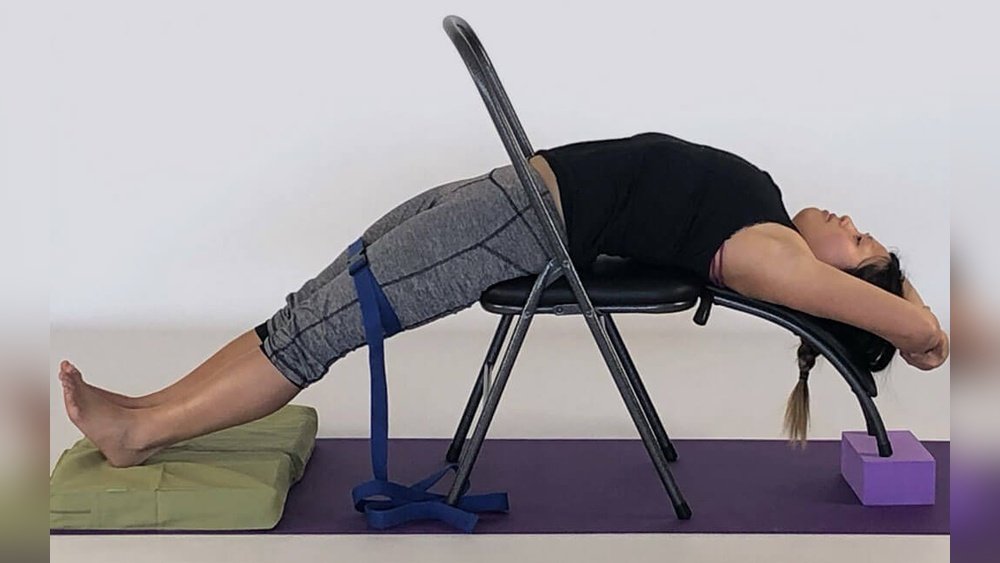
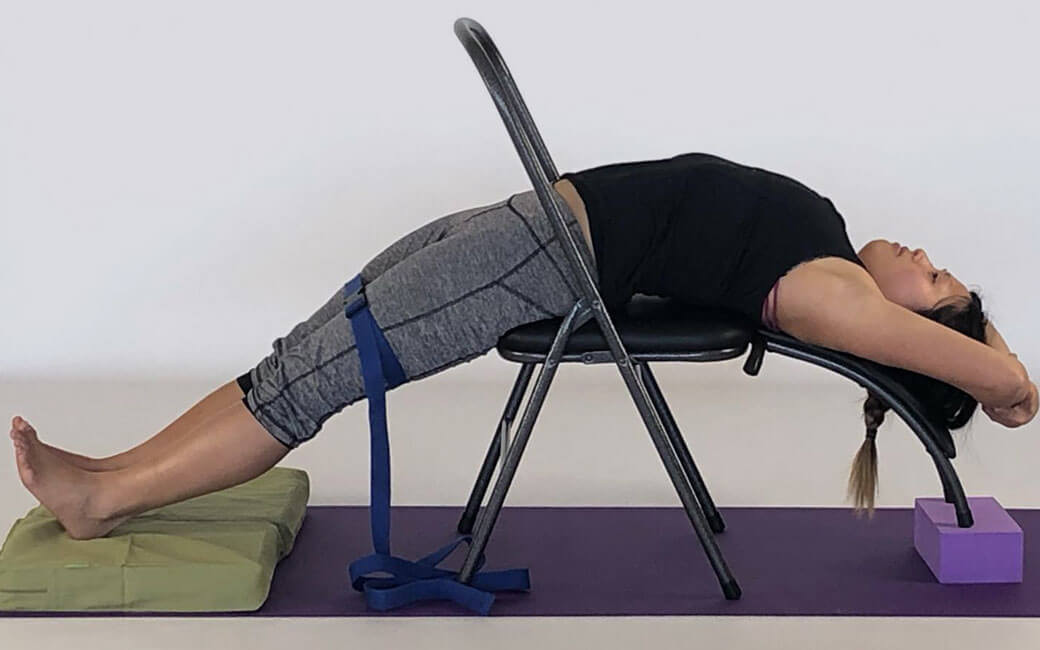
Use cushions, blocks, or straps to support your body. These props make poses easier and more comfortable. They help maintain correct posture and balance. A sturdy chair without wheels works best for safety. Props reduce stress on joints and muscles. They allow you to hold poses longer and with less effort.
Maintaining Consistency
Practice chair yoga regularly, even for a few minutes daily. Consistency builds flexibility, strength, and mental calm. Set a simple routine to keep yourself motivated. Small, steady progress is better than occasional intense sessions. Over time, your balance and endurance will improve noticeably.
Modifying Poses For Limitations
Adjust poses to fit your body’s needs and abilities. Use the chair to support your back or legs as needed. Avoid deep bends or twists if they cause discomfort. Focus on gentle stretches and slow movements. Modifications make yoga accessible for all fitness levels. This approach encourages safe practice and reduces risk of injury.
Common Mistakes To Avoid
Using a yoga chair can enhance your practice and make poses more accessible. Avoiding common mistakes helps you get the most benefits safely. These errors can cause discomfort or reduce the effectiveness of your session. Focus on proper form and mindful movement for better results.
Ignoring Proper Alignment
Proper alignment keeps your body safe and balanced during poses. Slouching or twisting incorrectly can strain muscles and joints. Sit tall with your spine straight and shoulders relaxed. Use the chair’s backrest or seat edges as guides to maintain posture. Check alignment often to avoid injury.
Holding Breath During Poses
Breathing deeply and steadily supports relaxation and energy flow. Holding your breath creates tension and reduces oxygen to muscles. Breathe in through your nose and out through your mouth or nose. Match your breath with movement for smooth, controlled poses. Never force your breath; keep it natural and calm.
Overstretching Or Straining
Stretch gently to avoid pain or injury. Pushing too hard can damage muscles or joints. Listen to your body and stop if you feel sharp discomfort. Use the chair to support your body and limit how far you stretch. Gradually increase your flexibility over time with patience.
Skipping Warm-up And Cool-down
Warm-up prepares your muscles and joints for exercise. Start with light movements or gentle stretches in your chair. Cool-down helps your body relax and recover after practice. Finish with slow breathing or seated stretches to ease tension. Skipping these steps can lead to stiffness or soreness.
Chair Yoga For Specific Needs
Chair yoga offers tailored exercises to meet unique physical needs. It adapts traditional yoga into accessible, seated movements. This practice supports various groups, helping them gain strength, flexibility, and calmness safely.
Seniors And Limited Mobility
Seniors benefit greatly from chair yoga. It improves balance and joint health without strain. Limited mobility individuals can join safely, avoiding floor exercises. Gentle stretches increase range of motion and ease stiffness. Chair support reduces fall risks during practice.
Desk Workers And Office Settings
Desk workers often face tight muscles and poor posture. Chair yoga relieves neck, shoulder, and back tension quickly. It fits perfectly into short breaks at work. Simple seated stretches refresh the body and mind. This practice boosts focus and reduces stress during busy days.
Injury Recovery And Rehabilitation
Chair yoga aids in gentle healing after injuries. It encourages movement without overexertion, promoting blood flow. Therapists use it to rebuild strength and flexibility slowly. The chair provides stability, supporting safe practice. This method helps regain function and reduces pain.
Enhancing Your Practice
Enhancing your yoga practice with a chair opens new doors for comfort and stability. The chair supports your body, allowing deeper stretches and better alignment. It also helps maintain focus by providing a steady base during poses. This support reduces strain and makes yoga accessible for everyone.
Using a yoga chair can deepen both physical and mental benefits. By adding meditation and core exercises, your sessions become more balanced and effective. Tracking your progress keeps you motivated and helps set clear goals.
Combining Chair Yoga With Meditation
Start your practice by sitting comfortably in the chair. Close your eyes and focus on your breath. Inhale deeply, then exhale slowly. Use the chair to keep your spine straight and your body relaxed. This posture helps calm the mind and reduce stress. Meditation with chair yoga improves concentration and emotional balance. It also enhances the connection between breath and movement during your exercises.
Integrating Core Strengthening
A strong core supports your posture and balance. Use the chair to perform gentle twists and seated crunches. Engage your abdominal muscles as you move slowly. Keep your back straight and avoid leaning too far back. Chair yoga core exercises increase stability and prevent injuries. Regular practice builds strength without putting pressure on your joints. This makes it ideal for beginners or those with limited mobility.
Tracking Progress And Setting Goals
Write down your daily practice and note improvements. Track how long you hold poses and how your body feels afterward. Set small goals, like holding a pose longer or adding new stretches. Celebrate each achievement to stay motivated. Monitoring progress helps you understand your body better and adjust your practice. Clear goals create a sense of direction and purpose in your yoga journey.

Credit: www.breathingspace-yoga.com
Frequently Asked Questions
How Is A Yoga Chair Used?
A yoga chair supports seated poses, helping you perform stretches, twists, and breathing exercises safely. It improves flexibility, strength, and balance while reducing stress. Use it to adapt traditional yoga poses, maintain proper posture, and enhance mind-body connection without floor exercises.
Do Chair Yoga Exercises Really Work?
Yes, chair yoga effectively improves flexibility, strength, balance, and reduces stress. It suits seniors and those with limited mobility. The seated poses promote joint health, pain relief, and mental calmness through mindful breathing and movement, offering benefits similar to traditional yoga.
Does Chair Yoga Really Help Lose Belly Fat?
Chair yoga helps tone core muscles, aiding belly fat reduction when combined with a healthy diet and regular exercise.
How To Sit On A Yoga Chair?
Sit upright on the chair with feet flat on the floor. Keep your spine straight and shoulders relaxed. Place hands on your thighs or knees. Breathe deeply and engage your core. Use the chair for support during stretches and movements.
Conclusion
Using a yoga chair makes yoga simple and safe for many people. It helps improve strength, balance, and flexibility with gentle movements. You can reduce stress and ease pain by combining breath and motion. Chairs offer support for those with limited mobility or injuries.
Practice regularly to feel more relaxed and energized every day. Start slow, listen to your body, and enjoy the calm that chair yoga brings. It is a great way to stay active without strain or discomfort.