
Are you ready to discover a powerful way to boost your energy, improve circulation, and strengthen your body and mind? Inversion exercises in yoga might be exactly what you need.
By simply flipping your usual perspective—placing your heart above your head—you can unlock a range of surprising benefits. Whether you’re curious about mastering the headstand or prefer gentler poses like Legs Up the Wall, this guide will walk you through the key inversion exercises, their benefits, and how to practice them safely.
Dive in, and learn how these unique poses can transform your yoga practice and your well-being.
Credit: www.challengephysio.com
Common Inversion Poses
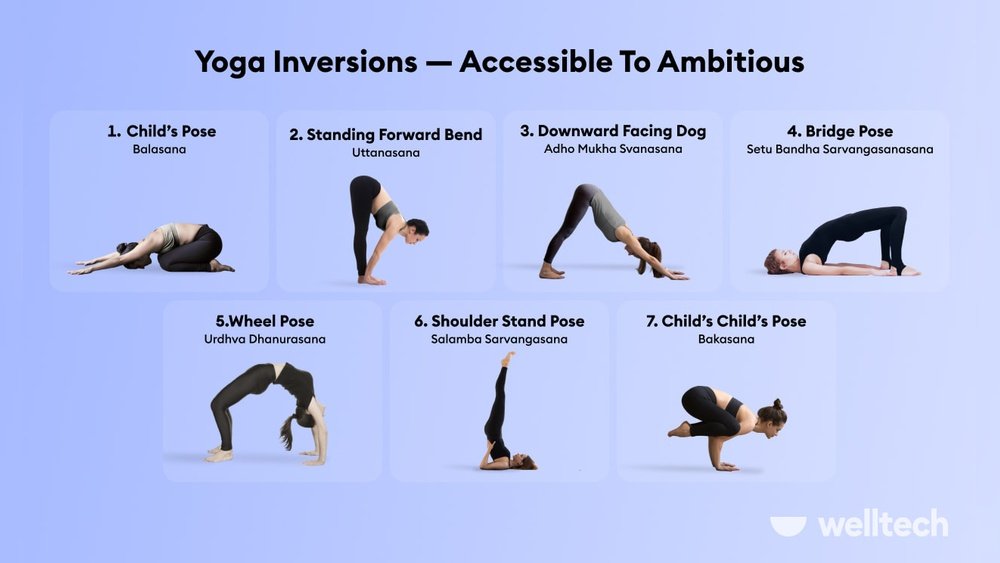
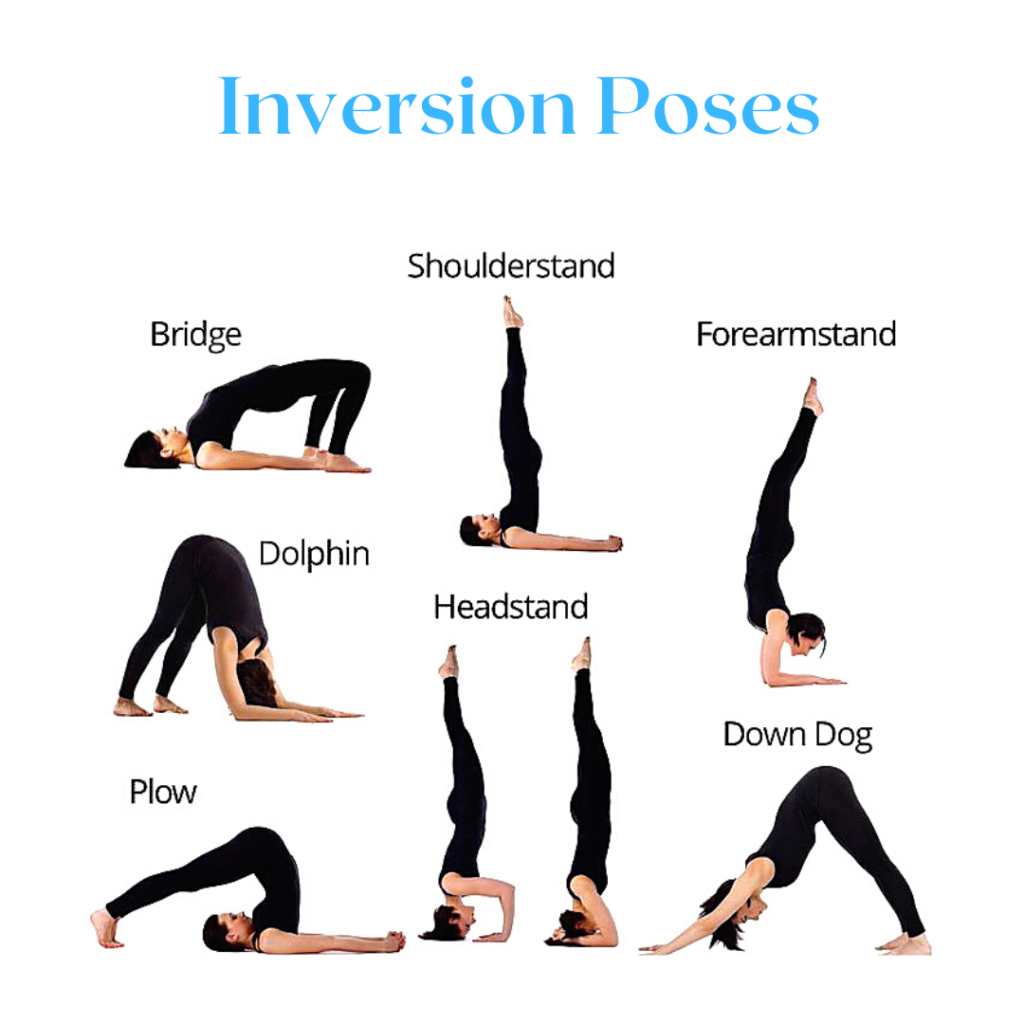
Inversion exercises in yoga reverse the normal position of the body. They place the heart above the head. This shift helps improve blood circulation and calm the mind. Many inversion poses also build strength and balance. Some are simple, while others need practice and skill.
Here are some common inversion poses you can try in your yoga practice.
Headstand
Headstand, or Sirsasana, is called the king of inversions. It requires strong core muscles and shoulder stability. This pose improves balance and focus. Beginners should practice near a wall for safety.
Shoulderstand
Shoulderstand, known as Salamba Sarvangasana, is a gentle inversion. It lifts the hips and legs above the shoulders. This pose helps calm the nervous system and improves digestion. Use blankets under the shoulders for support.
Handstand
Handstand, or Adho Mukha Vrksasana, is a powerful pose. It strengthens the whole body and builds confidence. This pose demands arm strength and balance. Practicing against a wall can help beginners.
Forearm Stand
Forearm Stand, called Pincha Mayurasana, balances on the forearms. It is similar to handstand but easier on the wrists. This pose improves shoulder strength and flexibility. Use a wall to practice safely.
Dolphin Pose
Dolphin Pose is a beginner-friendly inversion. It strengthens the shoulders and upper back. The head stays off the floor, reducing neck pressure. This pose prepares the body for advanced inversions.
Legs Up The Wall
Legs Up the Wall, or Viparita Karani, is a restorative pose. It relaxes the legs and lower back. This gentle inversion improves circulation without strain. It is perfect for winding down after a busy day.
Downward Facing Dog
Downward Facing Dog, known as Adho Mukha Svanasana, is a common yoga pose. It stretches the back and legs while inverting the body. This pose increases blood flow and energizes the body. It is a great transition pose.
Plow Pose
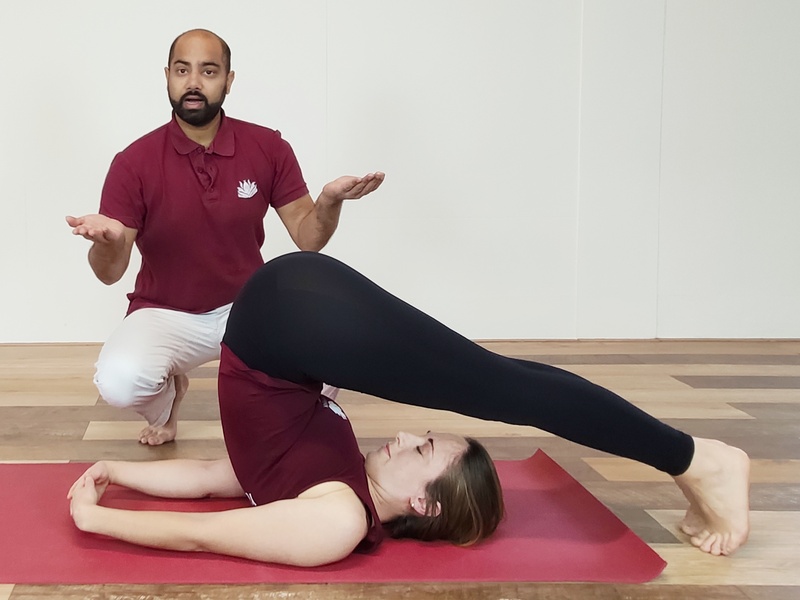
Plow Pose, or Halasana, folds the body forward with the feet over the head. It stretches the spine and shoulders deeply. This pose helps relieve tension and calm the mind. Use caution and avoid if you have neck issues.
Credit: www.arhantayoga.org
Benefits Of Inversions
Inversion exercises in yoga offer many benefits for the body and mind. These poses reverse the usual flow of gravity by placing the heart above the head. This change helps improve blood flow, reduce stress, and build strength. Practicing inversions regularly can boost overall health and wellbeing.
Improved Circulation
Inversions help blood move more easily through the body. Gravity works to bring fresh blood to the brain and other organs. This improved circulation can increase energy and help the body heal faster. It also supports healthy heart function by reducing pressure on veins.
Boosted Immunity
Turning the body upside down aids the lymphatic system. This system removes toxins and fights infections. Inversions help lymph fluid flow better, which supports the immune system. A stronger immune system means fewer illnesses and faster recovery times.
Stress Reduction
Inversions calm the nervous system by slowing the heart rate. They encourage deep breathing and relaxation. This helps reduce anxiety and stress levels. Many people feel more peaceful and balanced after practicing inversion poses.
Enhanced Mental Clarity
Blood flow to the brain increases during inversions. This can improve focus and concentration. Inversions also stimulate the nervous system, which boosts alertness. Regular practice may help clear mental fog and sharpen thinking.
Core And Shoulder Strength
Inversion poses require strong core muscles to hold balance. The shoulders also work hard to support the body’s weight. This builds muscle strength and stability in these areas. Over time, it improves posture and reduces the risk of injury.
Safety Tips
Inversion exercises in yoga offer many benefits but require careful practice. Safety is key to avoid injuries and enjoy the full advantages. Follow these essential safety tips to protect your body and build confidence as you practice.
Use Props And Support
Props like blocks, straps, and walls provide extra stability. Use a wall to support your back or legs. This helps keep balance and reduces the risk of falls. Props make inversions accessible and safer, especially for beginners.
Avoid With Medical Conditions
Certain health issues can make inversions unsafe. Avoid inversions if you have glaucoma, high blood pressure, or neck problems. Pregnant women should also skip these poses. Always check with a doctor before starting inversion yoga.
Start With Beginner Poses
Begin with gentle inversions like Legs Up the Wall or Dolphin Pose. These poses build strength and teach control without strain. Gradually move to advanced poses like Headstand or Handstand as your skills improve.
Practice With Guidance
Learn inversions under a qualified yoga teacher’s supervision. Proper alignment and technique reduce injury risk. Teachers can provide adjustments and tips to improve your form. Guided practice builds confidence and safety.
Who Should Avoid Inversions
Inversion exercises in yoga offer many benefits but are not safe for everyone. Certain health conditions make these poses risky. Understanding who should avoid inversions helps prevent injury and health complications.
Glaucoma Risks
People with glaucoma should avoid inversion poses. These poses increase pressure inside the eyes. Higher eye pressure can worsen glaucoma and cause damage. Avoid headstands and shoulder stands to protect your vision.
High Blood Pressure
High blood pressure can make inversions dangerous. Blood flow to the brain increases in these poses. This rise can cause dizziness or stroke risk. Gentle inversions might be okay, but avoid intense ones. Always check with a doctor first.
Pregnancy Considerations
Pregnant women should be cautious with inversions. These poses can put pressure on the abdomen. Balance can be harder during pregnancy, increasing fall risk. Avoid deep inversions especially in the first and third trimesters. Safer options like legs up the wall are better.
Neck Injuries
Neck problems can worsen with inversion yoga. Poses like headstands strain the cervical spine. This strain may cause pain or injury. People with neck pain or injury should skip these poses. Focus on safer poses that do not load the neck.
Preparing For Inversions
Preparing for inversions in yoga requires careful attention to the body. Proper preparation helps prevent injury and builds confidence. It also improves balance and strength. Focus on key areas like wrists, neck, core, and breath. Gradual practice ensures steady progress and safety.
Wrist And Neck Alignment
Strong wrists support your body weight in many inversions. Place your hands firmly on the ground. Spread your fingers wide for better balance. Keep your wrists aligned with your shoulders to avoid strain.
Neck position matters a lot. Avoid putting too much pressure on your neck. Lengthen your spine and keep your neck straight. This alignment protects the neck from injury.
Core Engagement
The core muscles stabilize the body during inversions. Engage your belly and lower back muscles. Draw your navel toward your spine. This action creates strength and control.
A strong core keeps your body steady upside down. It also helps maintain proper form. Practice core exercises regularly to prepare for inversions.
Gradual Progression
Start with beginner-friendly inversion poses. Examples include Legs Up the Wall and Dolphin Pose. These poses build strength and confidence safely.
Increase difficulty slowly. Move to poses like Headstand or Forearm Stand when ready. Take time to master each step before moving on. This approach reduces injury risk.
Breath Control
Breathing deeply supports balance in inversions. Use slow, steady breaths to stay calm. Avoid holding your breath, which causes tension.
Focus on smooth inhalations and exhalations. Breath control helps maintain focus and stability. Practice breath awareness in all yoga sessions.
:max_bytes(150000):strip_icc()/082123-Yoga-Inversions-a3bd9d81ec5f4d63804259788ee2b014.jpg)
Credit: www.shape.com
Tips To Boost Balance Fast
Improving balance quickly enhances your confidence in inversion exercises. Balance is key to maintaining these challenging poses safely. Use specific tips to build your balance faster and more effectively. Each tip targets a crucial aspect of stability and control. Follow these strategies for noticeable progress in your practice.
Focus On Core Stability
Strong core muscles support your entire body during inversions. Engage your abdominal muscles to create a stable center. Practice core-strengthening exercises regularly. A stable core reduces wobbling and improves overall balance.
Use Wall Support
Walls provide extra security when learning inversion poses. Practice near a wall to catch yourself if you lose balance. Gradually reduce your reliance on the wall as you gain confidence. This method helps build strength and trust in your body.
Consistent Practice
Balance improves with regular and steady practice. Set aside time daily or several times a week for inversions. Short, focused sessions beat long, infrequent ones. Consistency trains your muscles and nervous system to adapt quickly.
Mindful Body Awareness
Pay close attention to your body’s signals during practice. Notice small shifts and adjust your weight accordingly. Breathe deeply to stay calm and focused. Mindfulness sharpens your control and helps maintain balance longer.
Frequently Asked Questions
What Are Inversions In Yoga?
Inversions in yoga are poses where the head is positioned below the heart. They improve circulation, boost energy, and build strength. Common inversions include Headstand, Shoulderstand, and Legs Up the Wall. These poses enhance flexibility and reduce stress while strengthening the core and shoulders.
Who Should Not Do Inversions In Yoga?
People with glaucoma, high blood pressure, neck injuries, or pregnancy should avoid yoga inversions. Beginners must practice under guidance for safety.
How To Work On Inversions In Yoga?
Start with gentle poses like Dolphin or Legs Up the Wall. Build core and shoulder strength gradually. Use a wall for support. Focus on controlled breathing and alignment. Practice regularly under guidance to improve balance and confidence safely.
What Is Inversion Exercises Yoga Good For?
Inversion yoga improves blood circulation, boosts immunity, relieves stress, enhances flexibility, and strengthens core and shoulders. It also increases energy and self-confidence.
Conclusion
Inversion exercises in yoga offer many health benefits. They improve blood flow and boost energy. These poses also help reduce stress and increase strength. Beginners should start with gentle inversions like Legs Up the Wall. Always listen to your body and avoid discomfort.
With regular practice, inversions can enhance your yoga routine. Stay patient and practice safely for best results. Enjoy the balance and calm these poses bring.