Many people see Pilates and Yoga as similar practices. Both focus on body control, flexibility, and mind-body connection. You might even find them offered side by side at gyms and studios. But are Pilates and Yoga really the same? The answer may surprise you. Understanding their differences and similarities can help you choose which is right for your goals, your body, and your lifestyle.
Let’s explore Pilates and Yoga in detail. We’ll look at their origins, goals, benefits, and methods. We’ll also compare them directly, point out common myths, and answer questions people often ask. By the end, you’ll have a clear idea of what makes each practice unique—and which one suits you best.
What Is Yoga?
Yoga is an ancient practice from India that started over 5,000 years ago. The word “yoga” means union—joining body, mind, and spirit. It’s more than just physical exercise. Traditional Yoga includes:
- Physical postures (called asanas)
- Breathing techniques (pranayama)
- Meditation and relaxation
- Ethical guidelines and philosophy
Yoga has many styles, such as Hatha, Vinyasa, Ashtanga, and Yin Yoga. Some are slow and gentle, others are fast and energetic. Most classes combine stretching, balance, strength, and mindful breathing. Many people use Yoga to reduce stress, improve health, and find inner peace.
What Is Pilates?
Pilates is a modern exercise system developed by Joseph Pilates in the early 20th century. It was first used to help injured soldiers and dancers recover. Pilates focuses on:
- Core strength (the muscles around your stomach, back, and hips)
- Controlled movement
- Breath coordination
- Improved posture
Pilates can be done on a mat or with special machines like the Reformer. While some movements look like Yoga poses, Pilates routines often use more precise, repeated motions. The main goal is to create a strong, stable, and flexible body. Many people use Pilates for injury prevention, rehab, and fitness.
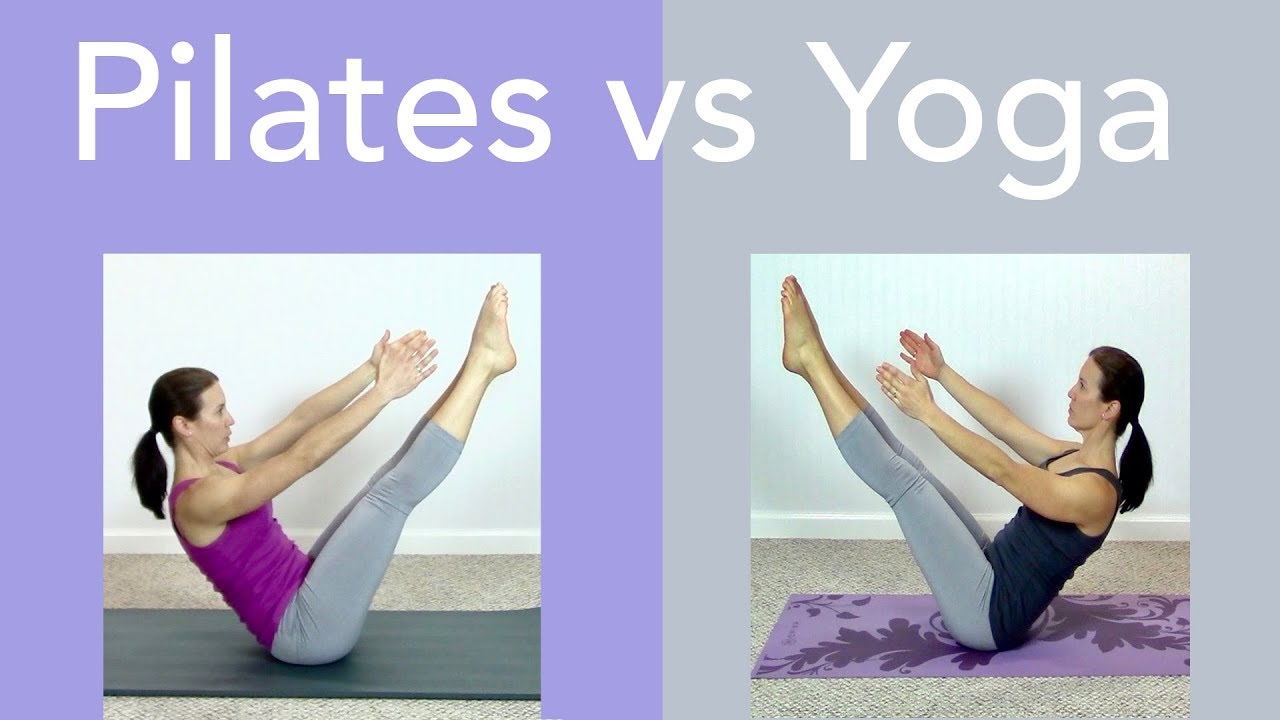
Credit: www.youtube.com
How Are Pilates And Yoga Similar?
It’s easy to see why people confuse Pilates and Yoga. They share some key features:
- Both focus on body awareness and mindful movement
- Both improve flexibility and strength
- Both use breath control
- Both can help with stress relief
- Both are low-impact and suit many fitness levels
You’ll often find similar movements, like planks, bridges, and stretches. Both practices also promote good posture and can reduce back pain.
Key Differences Between Pilates And Yoga
Despite the similarities, Pilates and Yoga are not the same. Here are the main ways they differ:
| Aspect | Yoga | Pilates |
|---|---|---|
| Origin | Ancient India (5,000+ years ago) | Germany, early 1900s |
| Main Focus | Union of mind, body, spirit | Core strength, body alignment |
| Breathing Style | Deep, varied (nose breathing, ratio control) | Lateral thoracic breathing (ribcage breathing) |
| Equipment | Mostly mat, sometimes props | Mat or machines (Reformer, Cadillac) |
| Philosophy | Spiritual, includes ethics and meditation | Physical fitness, less spiritual |
| Movements | Poses (asanas) held for time | Repetitive, flowing movements |
Spiritual Vs. Physical Emphasis
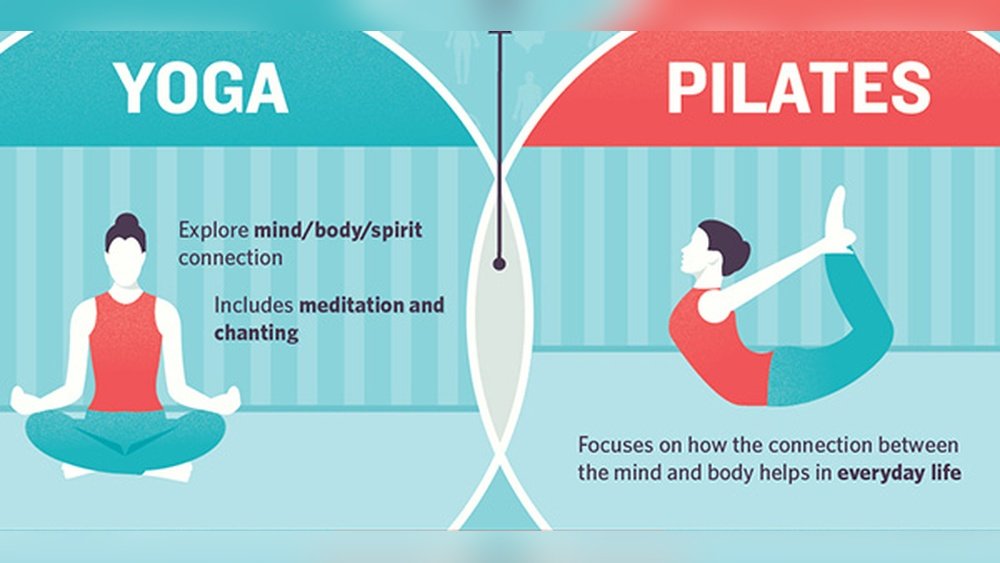
Yoga is rooted in spiritual traditions. Many classes include meditation, chanting, and teachings about mindfulness. Pilates is more physical and scientific, focusing on how your body moves and supports itself.
Breath Patterns
Yoga uses many types of breath work. Some styles match breath to movement (like Vinyasa), others use slow, deep breathing for relaxation. In Pilates, breath is used to help core engagement. You usually inhale through your nose and exhale through your mouth while keeping your ribs expanded.
Types Of Movement
Yoga often holds poses for a set time. You may flow between poses, but there’s a focus on stillness and balance. Pilates uses more dynamic, repeated movements. Exercises are usually done in sets and may move quickly from one to another.
Equipment And Settings
Yoga needs only a mat, though sometimes blocks or straps help. Pilates can be done on a mat, but many classes use equipment like the Reformer, which uses springs for resistance. This adds variety and can make exercises harder or easier.

Credit: www.tunturi.com
Comparing The Benefits: Pilates Vs. Yoga
Both practices offer health benefits. But the type of benefit may be stronger in one or the other.
| Goal | Yoga | Pilates |
|---|---|---|
| Flexibility | Excellent | Good |
| Core Strength | Good | Excellent |
| Posture | Good | Excellent |
| Stress Relief | Excellent | Good |
| Balance | Excellent | Good |
| Spiritual Growth | Excellent | Poor |
| Injury Rehab | Good | Excellent |
When To Choose Yoga
- If you want stress relief and relaxation
- If you seek spiritual growth or mindfulness
- If you want to improve flexibility and balance
- If you enjoy group classes with a calm vibe
When To Choose Pilates
- If you want a stronger core and better posture
- If you need rehab after injury (especially back pain)
- If you prefer structured, repetitive exercises
- If you want to tone muscles without bulking up
Pilates And Yoga In Real Life: Examples
Let’s look at how each practice might look in a real class.
Yoga Example:
In a Hatha Yoga class, you might begin with deep breathing and gentle stretches. The teacher guides you into poses like Downward Dog, Warrior, or Tree Pose. You hold each pose for several breaths, focusing on alignment and steady breathing. The class ends with relaxation (Savasana) and sometimes meditation.
Pilates Example:
A Pilates mat class starts with gentle warm-ups, then moves into exercises like The Hundred, Roll-Up, and Single Leg Stretch. Each move is repeated for a set number of times, using slow, controlled motion. You pay close attention to your core muscles and breathing. If you’re on a Reformer, you might do similar moves using springs for resistance.
Common Myths About Pilates And Yoga
Many people believe things about Pilates and Yoga that are not true. Here are some myths and the real facts:
1. Myth: Pilates And Yoga Are Only For Women.
Fact: Both practices are for all genders. Many top athletes and men use them to gain strength, flexibility, and focus.
2. Myth: You Need To Be Flexible To Start.
Fact: Both Yoga and Pilates can be adapted for beginners, even if you can’t touch your toes.
3. Myth: Yoga Is Only Stretching.
Fact: Yoga also builds strength, balance, and mental focus.
4. Myth: Pilates Is Just For Abs.
Fact: Pilates works your whole body, especially muscles that support your spine and posture.
5. Myth: You Can’t Get Fit With Yoga Or Pilates.
Fact: Both can build fitness, depending on the style and how often you practice.
Hidden Insights Most Beginners Miss
There are some details that many newcomers do not realize:
- Muscle Activation: In Pilates, learning to engage your deep core muscles takes time. Most beginners use surface muscles at first, but real progress happens when you activate the small, deep stabilizers. A trained instructor can help you feel the difference.
- Yoga Progress is Not Just Physical: In Yoga, the benefits often show up off the mat. Regular practice can change how you react to stress, relate to others, and handle challenges in daily life. This is why many people stick with Yoga for years.
Data And Research
Both Yoga and Pilates have been studied for health benefits.
- A study published in the Journal of Bodywork and Movement Therapies found that Pilates improved core strength and posture in adults after just 8 weeks.
- A research review in the International Journal of Yoga showed that Yoga reduces anxiety and depression symptoms in many people.
- According to the American Council on Exercise, Pilates can reduce back pain by strengthening the muscles that support the spine.
- The CDC reports that mind-body activities like Yoga can help reduce chronic pain and improve overall quality of life.
If you want to read more scientific details, visit this Wikipedia Pilates entry.
How To Choose: Pilates Or Yoga?
Picking between Pilates and Yoga depends on your goals:
- If you want flexibility, relaxation, and mindfulness, try Yoga.
- If you need core strength, stability, or rehab, try Pilates.
- If you’re not sure, try both! Many people use both practices for different needs.
It’s also smart to try different teachers. Teaching styles can change your experience a lot. Some Yoga classes feel like a workout, others feel like therapy. Pilates can be gentle or very challenging, depending on the class.
Combining Pilates And Yoga
You don’t have to choose just one. Many people mix Pilates and Yoga in their routines. For example, you could do Yoga on some days for flexibility and stress relief, then Pilates on other days to build strength and stability.
The two practices can support each other and give you a more balanced body.
Frequently Asked Questions
Is Pilates Harder Than Yoga?
It depends on the style and your own strengths. Pilates often feels more intense on your core muscles. Yoga can be challenging in other ways, such as balance or flexibility. Both can be made easier or harder by the teacher.
Can I Lose Weight With Pilates Or Yoga?
Both can help with weight loss if combined with a healthy diet. Pilates burns more calories if you choose a fast-paced class. Yoga can help manage stress and emotional eating, which also supports weight loss.
Which Is Better For Back Pain: Pilates Or Yoga?
Both can help, but Pilates is often recommended for back pain because it builds the muscles that support your spine. Yoga can also help by improving flexibility, but it’s important to avoid poses that strain your back.
Do I Need Special Equipment?
Yoga usually needs only a mat. Pilates mat classes also use just a mat, but studio Pilates may use machines like the Reformer. Both may use small props, but these are optional.
Can Beginners Do Both Pilates And Yoga?
Yes! Both are beginner-friendly. Look for classes labeled “beginner” or “gentle. ” Let the instructor know you’re new, so they can help you with form and modifications.
Pilates and Yoga are both excellent paths to a healthier, more balanced life. They are not the same, but they can both help you move, breathe, and feel better every day. Try each one, listen to your body, and enjoy the journey.

Credit: yogacentral.in