Are you looking to deepen your yoga practice and experience a style that focuses on precision, alignment, and mindfulness? Iyengar Yoga poses offer you a unique way to build strength, flexibility, and balance—all while minimizing the risk of injury.
Whether you’re a beginner or someone wanting to refine your technique, this style uses props and careful sequencing to help you get the most out of every posture. You’ll discover essential Iyengar Yoga poses that can transform your practice and bring lasting benefits to your body and mind.
Ready to find out how these poses can support your wellness journey? Keep reading to explore the key postures and tips that make Iyengar Yoga truly special.
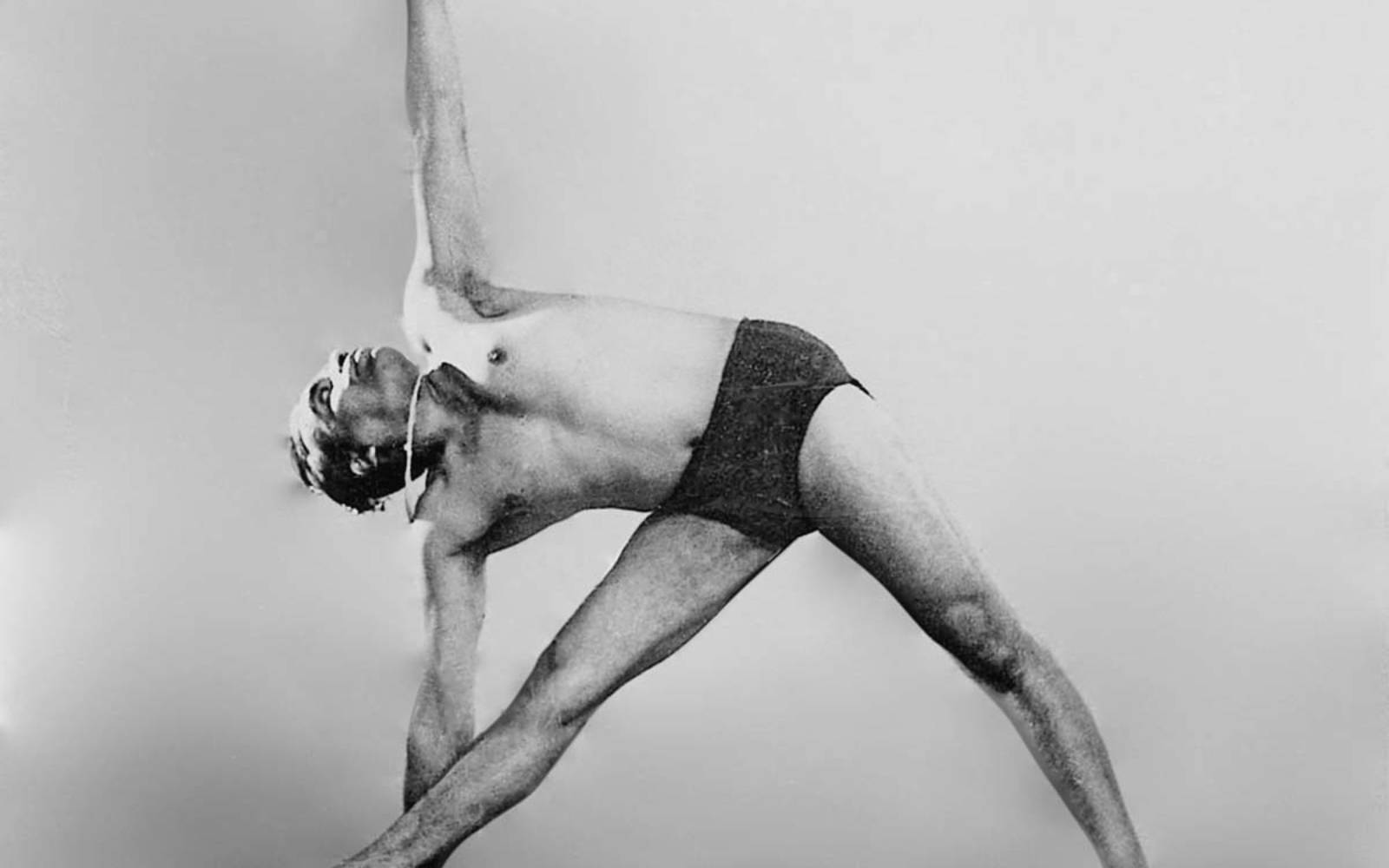
Credit: yogavastu.com
Foundations Of Iyengar Yoga
Iyengar Yoga stands out for its clear focus on detail and alignment. It builds strength, flexibility, and balance through precise poses. This style welcomes students of all levels, emphasizing body awareness and breath control. The foundation of Iyengar Yoga lies in its deep roots and unique approach.
Understanding its origins, principles, and the use of props helps grasp the full practice. These elements work together to create a safe and effective yoga experience.
Origins And Philosophy
Iyengar Yoga was developed by B.K.S. Iyengar in India. He studied under his guru, T. Krishnamacharya, and shaped a new method. This style focuses on the union of body, mind, and breath.
The philosophy is based on Patanjali’s Yoga Sutras. It teaches discipline, patience, and self-awareness. The goal is to bring harmony and health through steady practice.
Key Principles
Precision in alignment is key in Iyengar Yoga poses. Every detail matters, from the placement of fingers to the angle of the feet. This careful attention prevents injury and improves posture.
Sequencing of poses follows a logical order. Beginners start with simple poses before moving to complex ones. Holding poses longer builds strength and focus.
Role Of Props
Props like blocks, straps, and chairs support correct alignment. They help students achieve poses safely, especially beginners or those with injuries. Props make yoga accessible to everyone.
Using props allows deeper work in poses without strain. They guide the body gently into the right position. This support builds confidence and body awareness.
Core Iyengar Yoga Poses
Core Iyengar Yoga poses form the foundation of this precise and mindful yoga practice. Each pose focuses on alignment, strength, and balance. Practicing these poses regularly builds a strong and flexible body. Iyengar Yoga uses props to help achieve the correct posture safely. These core poses are grouped into categories for easy learning and practice.
Standing Poses
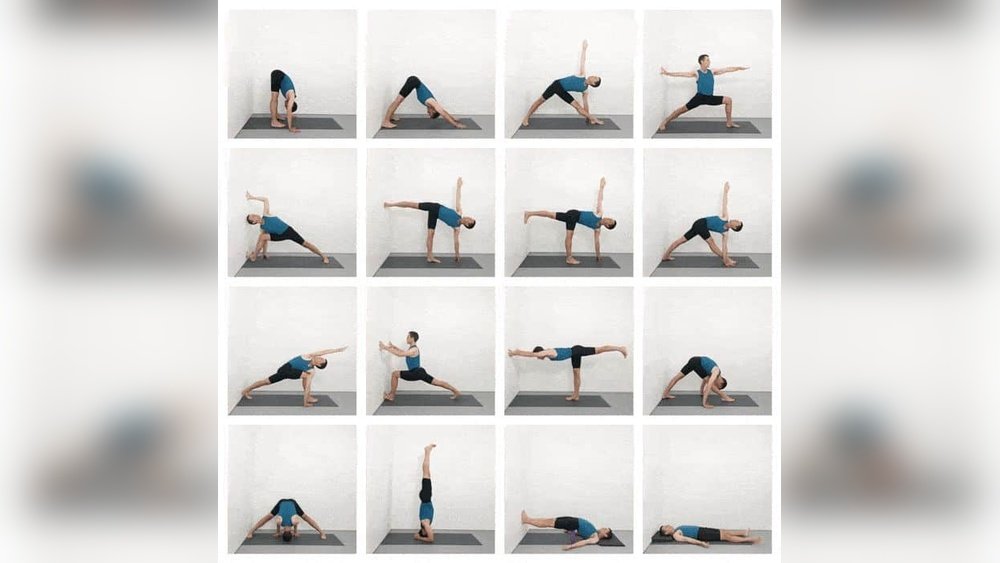
Standing poses improve balance and build leg strength. Vrksasana (Tree Pose) helps steady the mind and body. Trikonasana (Triangle Pose) stretches the sides and opens the chest. These poses develop focus and stability. Proper alignment is key in each standing pose.
Backbends
Backbends open the chest and improve spine flexibility. Dhanurasana (Bow Pose) strengthens the back and shoulders. Setu Bandhasana (Bridge Pose) energizes the whole body. Iyengar Yoga teaches safe backbending with props for support. These poses build courage and heart opening.
Forward Bends
Forward bends calm the mind and stretch the back. Paschimottanasana (Seated Forward Bend) soothes the nervous system. Janu Sirsasana (Head-to-Knee Pose) improves digestion and flexibility. These poses encourage introspection and relaxation. Focus on lengthening the spine with each breath.
Inversions
Inversions bring fresh blood to the brain and build upper body strength. Adho Mukha Svanasana (Downward Facing Dog) is a common inversion. Salamba Sarvangasana (Supported Shoulderstand) improves circulation. Iyengar Yoga emphasizes safety using props during inversions. These poses increase energy and mental clarity.
Seated Poses
Seated poses enhance posture and prepare for meditation. Padmasana (Lotus Pose) opens the hips and calms the mind. Sukhasana (Easy Pose) provides comfort and stability. These poses encourage stillness and focus. Use cushions or blocks to support the body comfortably.
Poses For Strength
Building strength through Iyengar Yoga poses forms a strong foundation for your practice. These poses focus on controlled movements and alignment, helping you gain muscle power and endurance. Practicing regularly enhances body stability and supports overall health. Below are some key categories of strength-building poses in Iyengar Yoga.
Arm Balances
Arm balances improve upper body strength and balance. They require you to support your body weight with your arms. Poses like Bakasana (Crow Pose) challenge your wrists, shoulders, and core. Practicing arm balances increases focus and builds confidence. These poses also strengthen the arms and improve coordination.
Core Builders
Core strength supports your spine and improves posture. Iyengar Yoga includes poses that target the abdominal muscles deeply. Plank Pose and Navasana (Boat Pose) are excellent examples. Holding these poses strengthens the stomach and back muscles. A strong core boosts your balance and overall body control.
Leg Strengtheners
Strong legs provide stability and endurance for all movements. Iyengar Yoga poses like Virabhadrasana II (Warrior II) and Utkatasana (Chair Pose) build leg muscles. These poses work the thighs, calves, and ankles. Regular practice increases leg power and helps prevent injuries. Strong legs support better alignment in all poses.
Poses For Flexibility
Improving flexibility is a core benefit of Iyengar Yoga. This style focuses on precise alignment and use of props, making poses accessible for all levels. Flexibility grows steadily with consistent practice. Iyengar Yoga targets key areas like hips, spine, and shoulders. These areas often feel tight and limit movement.
Practicing specific Iyengar Yoga poses helps release tension and increase range of motion. The slow, mindful approach allows safe stretching without strain. Props support proper posture and deepen stretches gently. This section explores effective poses for enhancing flexibility in three main areas.
Hip Openers
Hip openers improve mobility and reduce stiffness in the hip joints. Poses like Baddha Konasana (Bound Angle Pose) and Upavistha Konasana (Wide-Angle Seated Forward Bend) stretch inner thighs and groin muscles. These poses help ease lower back pain and improve posture. Using blocks or straps can assist in maintaining alignment and comfort. Regular practice loosens tight hips, aiding daily movements and other yoga poses.
Spinal Flexibility
Spinal flexibility enhances overall body balance and reduces back stiffness. Iyengar poses like Bhujangasana (Cobra Pose) and Setu Bandhasana (Bridge Pose) gently stretch the spine. These poses strengthen back muscles while increasing spine mobility. Props like blankets or bolsters provide support, allowing gradual progress. Improved spinal flexibility helps with better breathing and reduces tension along the back.
Shoulder Stretches
Shoulder stretches relieve tightness and improve upper body strength. Poses such as Gomukhasana (Cow Face Pose) and Garudasana (Eagle Pose) focus on opening the shoulder joints. Using straps helps extend reach and maintain correct form. These stretches increase range of motion and ease shoulder discomfort. Consistent practice supports better posture and arm movements in daily life.
Challenging Iyengar Poses
Challenging Iyengar yoga poses push your limits and build strength. These poses demand focus, balance, and flexibility. Practicing them improves body control and mental clarity. They require patience and steady progress. Attempt these poses carefully and listen to your body.
Scorpion Pose
Scorpion Pose, or Vrschikasana, is a difficult handstand. It needs strong arms and shoulders for balance. The spine bends deeply like a wheel. This pose tests your body control and courage. Holding it improves focus and flexibility.
Yogic Sleep Pose
Yogic Sleep Pose, Yoganidrasana, looks like deep rest but is tough. It stretches hips and opens the chest fully. This pose requires strong core muscles and calm breath. It helps release tension in the lower back.
Firefly Pose
Firefly Pose, or Tittibhasana, demands strong arms and hips. You balance on your hands with legs extended. The pose strengthens the core and improves hip flexibility. It challenges your focus and body coordination.
Vishvamitrasana
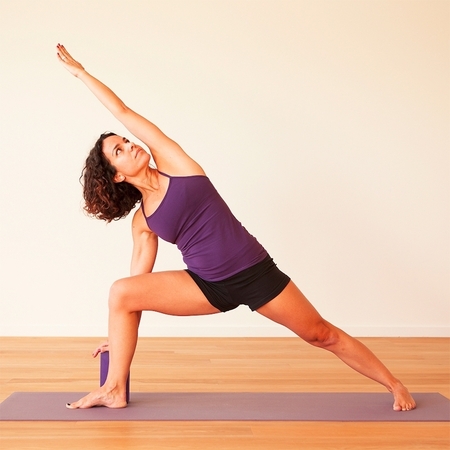
Vishvamitrasana is an advanced side arm balance. It combines strength, balance, and deep stretching. The pose opens hips and hamstrings while strengthening arms. It builds confidence and body awareness through steady practice.
Credit: www.yogaeasy.com
Using Props Effectively
Using props effectively is key to practicing Iyengar Yoga poses safely and with precision. Props help align the body, support muscles, and improve balance. They make difficult poses accessible to all levels. Props also reduce strain and prevent injuries. Each prop serves a unique function to deepen your practice.
Blocks And Straps
Blocks add height and stability in standing and seated poses. They bring the floor closer, helping maintain proper alignment. Straps assist in extending reach and holding poses longer. They provide support in stretches and improve flexibility gradually. Both blocks and straps encourage precision and control.
Walls And Chairs
Walls offer strong support for balance and alignment. They help beginners find stability in standing poses. Chairs provide a sturdy base for seated poses and gentle backbends. Using walls and chairs allows holding poses longer without strain. These props build confidence and improve posture safely.
Bolsters And Blankets
Bolsters cushion the body in restorative poses and backbends. They support the spine, hips, and shoulders to relax deeply. Blankets provide warmth and extra padding under joints. They help maintain comfort in seated or lying poses. Both bolsters and blankets promote relaxation and reduce tension.
Sequence And Alignment
Understanding the sequence and alignment in Iyengar Yoga poses is key to a safe and effective practice. This style focuses on the order of poses and the precise placement of the body. Each posture builds on the last, creating a strong foundation. Careful attention to alignment helps prevent injury and improves body awareness. Practicing in the right sequence supports balance and strength development over time.
Importance Of Precision
Precision in Iyengar Yoga means placing the body exactly as taught. Every muscle and joint has a role. Accurate alignment enhances the benefits of each pose. It helps to open the body safely and deeply. Precise movements improve posture and reduce strain. This focus on detail makes the practice accessible for all skill levels. Students learn to listen to their bodies and adjust carefully.
Building A Balanced Practice
Sequencing poses thoughtfully creates balance in the body and mind. Iyengar Yoga mixes standing, seated, and reclining poses. This approach strengthens muscles evenly and improves flexibility. Restorative poses follow intense ones to aid recovery. Balanced sequencing supports breathing and concentration. It also helps prevent overuse injuries. A well-rounded practice leads to steady progress and calm focus.
Common Alignment Mistakes
Many students forget small but important details in alignment. For example, knees may bend too much or feet may turn incorrectly. These errors limit benefits and can cause discomfort. Hips and shoulders should stay level and squared. The spine must remain long and stable. Beginners often tense the neck or hold breath. Awareness and correction of these mistakes improve practice quality and safety.
Iyengar Yoga For Beginners
Starting Iyengar Yoga brings focus to alignment and precision. It suits beginners well because it uses props to support the body. This style helps build strength and flexibility safely. Beginners learn to hold poses longer, improving balance and calmness. With clear instructions, beginners can progress steadily and avoid injury.
Basic Poses To Start
Begin with Tadasana (Mountain Pose) to improve posture and balance. Try Adho Mukha Svanasana (Downward Facing Dog) for stretching the back and legs. Virabhadrasana I (Warrior I) builds strength in the legs and opens the chest. Trikonasana (Triangle Pose) improves flexibility and body awareness. Use blocks and straps to help reach correct alignment in each pose.
Benefits For New Practitioners
Iyengar Yoga increases body awareness and concentration. It strengthens muscles gently and improves joint health. Beginners gain better posture and reduce stress through mindful breathing. The use of props makes poses accessible for all body types. Practicing regularly helps with pain relief and boosts energy levels.
Tips For Safe Practice
Listen to your body and avoid pushing too hard. Use props like blocks, straps, and blankets for support. Follow a qualified teacher’s guidance for correct alignment. Practice on a non-slip mat to prevent injury. Focus on slow, steady breathing during poses to maintain calm and control.
Training Tips For Difficult Poses
Training for difficult Iyengar yoga poses requires a thoughtful approach. Focus on gradual progress with patience. Avoid rushing into complex postures without proper preparation. Consistent practice and mindful techniques lead to steady improvement. Below are key tips to help you prepare your body and mind for challenging poses.
Preparation Exercises
Start with gentle warm-ups to prepare muscles and joints. Simple stretches improve circulation and reduce injury risk. Use props like blocks and straps to support alignment. Break down difficult poses into smaller, manageable steps. Practice basic poses regularly to build a strong foundation.
Strength And Flexibility Drills
Target muscles that support the specific pose you want to learn. Combine strength training with flexibility exercises for balance. Focus on core, arms, and legs for stability. Hold stretches for at least 30 seconds to improve flexibility. Repeat drills consistently to see steady gains.
Overcoming Fear And Building Confidence
Fear can block progress in challenging poses. Practice breathing techniques to calm the mind and body. Visualize yourself performing the pose with ease. Use the support of a teacher or partner for guidance. Celebrate small victories to boost confidence and motivation.

Credit: yogaselection.com
Frequently Asked Questions
What Are The Asanas Of Iyengar Yoga?
Iyengar yoga includes precise asanas like Adho Mukha Svanasana, Pincha Mayurasana, Salabhasana, Dhanurasana, Halasana, Parighasana, Vrksasana, and Padmasana. These poses focus on alignment and use props to enhance stability and flexibility.
How Is Iyengar Yoga Different?
Iyengar yoga focuses on precise alignment, specific sequencing, and extensive use of props to support correct posture. It enhances stability and deepens practice safely.
What Is The Hardest Yoga Pose Ever?
The hardest yoga pose is Vrschikasana (Scorpion Pose). It demands extreme strength, balance, and deep backbend flexibility. Other tough poses include Yoganidrasana and Firefly Pose. These require intense core, hip, and shoulder control, making them top challenges in yoga practice.
Is Iyengar Yoga Good For Beginners?
Iyengar yoga suits beginners well due to its focus on alignment, use of props, and slow, precise movements. It builds strength and flexibility safely.
Conclusion
Practicing Iyengar yoga poses builds strength, balance, and flexibility. Focus on alignment and use props to improve safely. These poses suit beginners and experienced yogis alike. Regular practice helps calm the mind and boost body awareness. Start slow and enjoy each movement fully.
Iyengar yoga offers a clear path to better health and peace. Give your body the care it deserves through these mindful poses. Keep practicing, stay patient, and watch your skills grow steadily.