Welcoming a new baby into the world is a life-changing event. If you’ve had a C-section, your recovery journey is unique and needs special care. Many new mothers wonder when and how they can safely return to gentle exercise. Postpartum yoga after C-section can be a powerful tool to help heal your body and mind, but it’s important to know what’s safe and what’s not. Let’s explore how yoga can support your recovery, what you need to consider, and how to get started confidently.
Understanding C-section Recovery
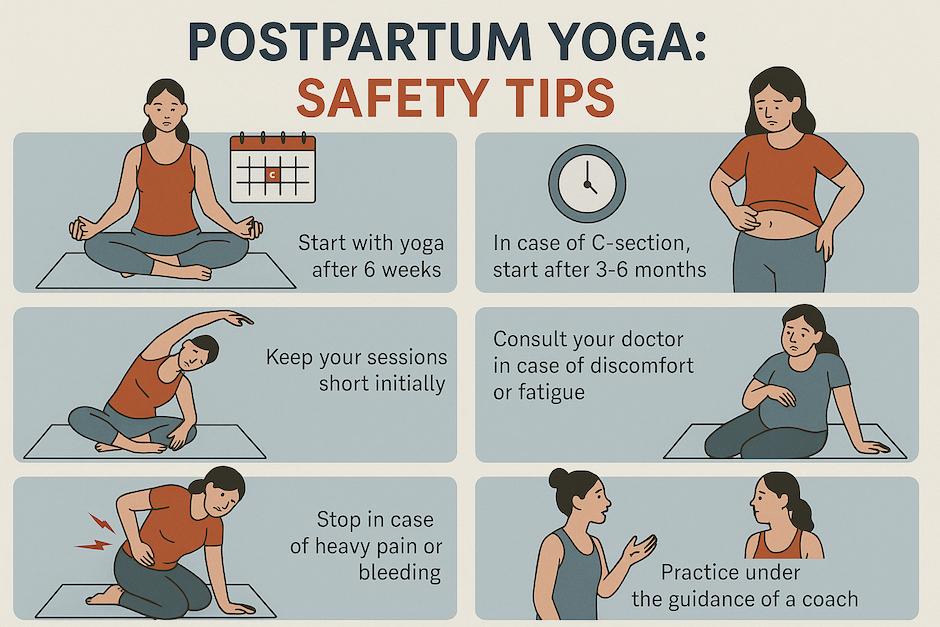
A Cesarean section is a major surgery. Recovery usually takes longer compared to vaginal birth. The incision on your abdomen and uterus means your muscles, nerves, and tissues need time to heal. Most doctors recommend waiting at least 6-8 weeks before starting any exercise, including yoga. However, each woman heals differently. Always consult your healthcare provider before beginning postpartum yoga after a C-section.
Healing is not just about the scar. You may notice core weakness, back pain, and even emotional ups and downs. Yoga can help address both physical and mental challenges, but the right approach is crucial.
Benefits Of Postpartum Yoga After C-section
When practiced safely, postpartum yoga offers several benefits for mothers recovering from a C-section:
- Improves circulation – Gentle movement helps boost blood flow, reducing swelling and promoting healing.
- Rebuilds core strength – Carefully selected poses support abdominal and pelvic floor recovery.
- Reduces back pain – Yoga can relieve tension from breastfeeding and carrying your baby.
- Supports mental health – Deep breathing and mindfulness can reduce anxiety and help prevent postpartum depression.
- Enhances sleep – Relaxation techniques used in yoga often lead to better rest.
- Promotes body awareness – Yoga helps you reconnect with your body and recognize its new needs.
One less-known benefit is that yoga can improve scar mobility. Gentle stretching and mindful breathing can prevent scar tissue from becoming too tight, which sometimes causes discomfort months or even years later.
When To Start Yoga After C-section
Most doctors advise waiting at least six weeks before starting yoga. However, listen to your body and your doctor. Here are some key signs you’re ready:
- Incision is well-healed, with no pain, redness, or discharge
- You have no fever or signs of infection
- You feel physically ready to move gently
- Your doctor has cleared you for exercise
It’s normal to feel eager, but rushing can lead to setbacks. In the first few weeks, focus on rest, hydration, and bonding with your baby.
Safety Tips For Postpartum Yoga
Yoga after a C-section is not about pushing hard. Safety should always come first. Follow these tips:
- Start slow: Begin with breathing exercises and gentle stretches.
- Avoid core-intensive poses: Skip planks, crunches, or deep twists until your doctor says you’re ready.
- Watch your incision: If a pose causes pulling or pain near your scar, stop immediately.
- Focus on alignment: Proper form prevents injury and helps healing.
- Use props: Pillows, yoga blocks, and blankets can make poses safer and more comfortable.
- Stay hydrated: Your body needs fluids, especially if you’re breastfeeding.
- Listen to your body: Fatigue, pain, or dizziness are signals to stop and rest.
Common Mistakes To Avoid
- Returning too early: Starting before your body is ready can slow healing.
- Ignoring pain: Discomfort is a sign to modify or skip a pose.
- Comparing with others: Each recovery is different; progress at your own pace.
- Overstretching: Your body produces relaxin, a hormone that loosens ligaments, making injury more likely.
Key Yoga Poses For C-section Recovery
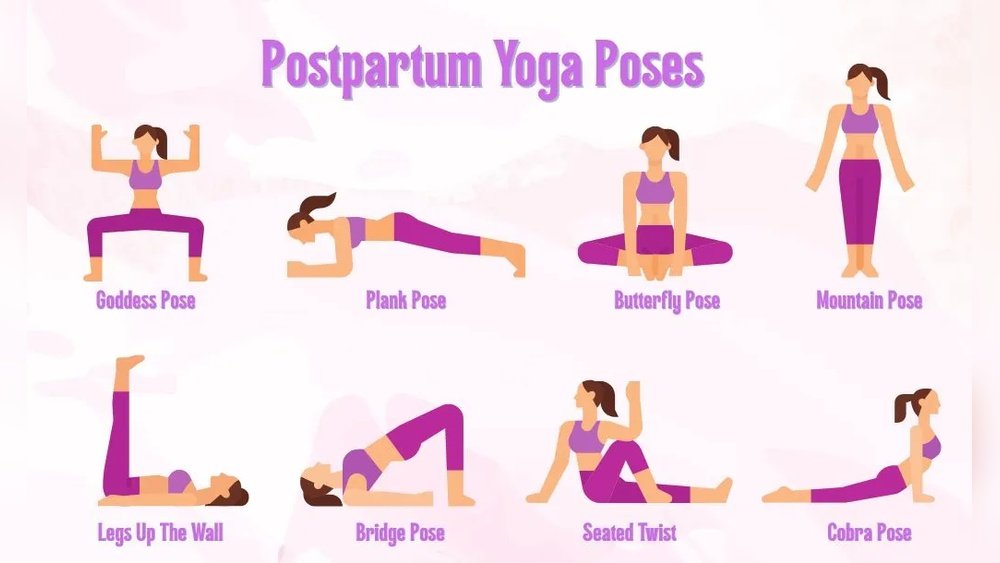
Not every yoga pose is safe right after a C-section. The following poses are gentle and supportive for most women, especially in the early weeks after clearance from your doctor.
1. Diaphragmatic Breathing (belly Breathing)
This simple technique helps retrain your abdominal muscles and relax your mind. Lie on your back with knees bent. Place your hands on your belly. Inhale slowly through your nose, feeling your belly rise. Exhale gently through your mouth. Repeat for 5–10 breaths.
2. Cat-cow Pose
This gentle movement helps mobilize your spine and stretch your back. Start on hands and knees, wrists under shoulders, knees under hips. Inhale, arch your back (cow), lifting your head and tailbone. Exhale, round your back (cat), tucking your chin and tailbone.
Move slowly for 8–10 rounds.
3. Child’s Pose
A restful pose to stretch your back and hips. Kneel on the floor, bring your big toes together, and sit back on your heels. Reach your arms forward and rest your forehead on the mat. Hold for 30 seconds, breathing deeply.
4. Seated Forward Fold
Sit with legs extended. Inhale, lengthen your spine. Exhale, gently fold forward, reaching toward your feet. Don’t force the stretch. This pose supports gentle hamstring release and relaxation.
5. Supported Bridge Pose
Lie on your back with knees bent, feet flat on the floor. Place a block or cushion under your hips. Rest here for 20–30 seconds. It opens the chest and gently engages the pelvic floor.
6. Pelvic Tilts
Lie on your back, knees bent. Inhale, gently tilt your pelvis to press your lower back into the floor. Exhale, relax. Repeat 8–10 times. This movement helps reactivate deep core muscles without strain.
7. Legs Up The Wall
Sit sideways next to a wall, then swing your legs up and lie back. Rest here, arms by your sides. This pose supports circulation and reduces swelling in tired legs.
8. Gentle Neck And Shoulder Stretches
While seated, slowly tilt your head side to side, forward and back. Roll your shoulders gently. These stretches relieve tension from holding and feeding your baby.
How To Build A Safe Yoga Routine
Start with 10–15 minutes a day, focusing on breathing and gentle stretches. Over time, you can add more poses or increase duration, as your strength returns. A sample routine might look like this:
- Diaphragmatic Breathing – 2 minutes
- Cat-Cow Pose – 2 minutes
- Child’s Pose – 2 minutes
- Seated Forward Fold – 2 minutes
- Supported Bridge Pose – 2 minutes
- Gentle Neck and Shoulder Stretches – 2 minutes
Weekly Progress Table
Here’s a simple way to increase your practice safely:
| Week | Duration | Focus |
|---|---|---|
| Week 1–2 | 10–15 min | Breathing, gentle stretches |
| Week 3–4 | 15–20 min | Core activation, back mobility |
| Week 5–6 | 20–30 min | Full gentle routine, add balance poses |
Remember, this is just a guide. Your progress may be slower or faster, and that’s okay.
Credit: myyogateacher.com
Comparing Postpartum Yoga To Other Activities
Not sure if yoga is the best fit? Here’s how postpartum yoga compares to other common activities:
| Activity | Benefits | Risks for C-Section Moms | Recommended Timing |
|---|---|---|---|
| Yoga | Gentle, mindful, supports healing | Low if done properly | After 6–8 weeks |
| Walking | Boosts mood, circulation | Low, but avoid hills/long distances early | After 2–4 weeks |
| Pilates | Core strength, flexibility | High if started too soon | After 10–12 weeks |
| High-Impact Cardio | Endurance, weight loss | High risk of injury | After 12+ weeks |
As shown, yoga is often the safest first step back to movement after a C-section.
Signs You Should Stop Yoga And Seek Help
While postpartum yoga is generally safe when done gently, be alert for warning signs. Stop immediately and contact your doctor if you notice:
- Increased pain at the incision
- Heavy bleeding or unusual vaginal discharge
- Fever or chills
- Dizziness or shortness of breath
- Swelling, redness, or pus near the scar
Ignoring these symptoms can make recovery harder. Always prioritize your health.
Emotional Healing Through Yoga
Recovery isn’t only physical. Many mothers feel overwhelmed, anxious, or even sad after a C-section. Yoga offers tools for emotional balance:
- Mindfulness: Helps you stay present and appreciate your progress.
- Self-compassion: Reminds you that healing takes time and kindness.
- Community: Postpartum yoga classes can connect you with other moms.
A surprising benefit is that gentle yoga practices can help reduce postpartum insomnia by calming the nervous system before bed.
If you’re struggling emotionally, don’t hesitate to reach out to a counselor or support group. You are not alone.
When To Try A Postpartum Yoga Class
Joining a class can offer motivation and expert guidance, but make sure it’s right for you:
- Look for classes labeled “postnatal” or “gentle”.
- Ask about the instructor’s experience with C-section recovery.
- Tell your teacher about your surgery and any discomfort.
Many studios offer online or in-person postpartum yoga. Participating in a group can boost accountability and reduce loneliness.
For trusted guidance, the Yoga Journal has more tips for postpartum yoga.
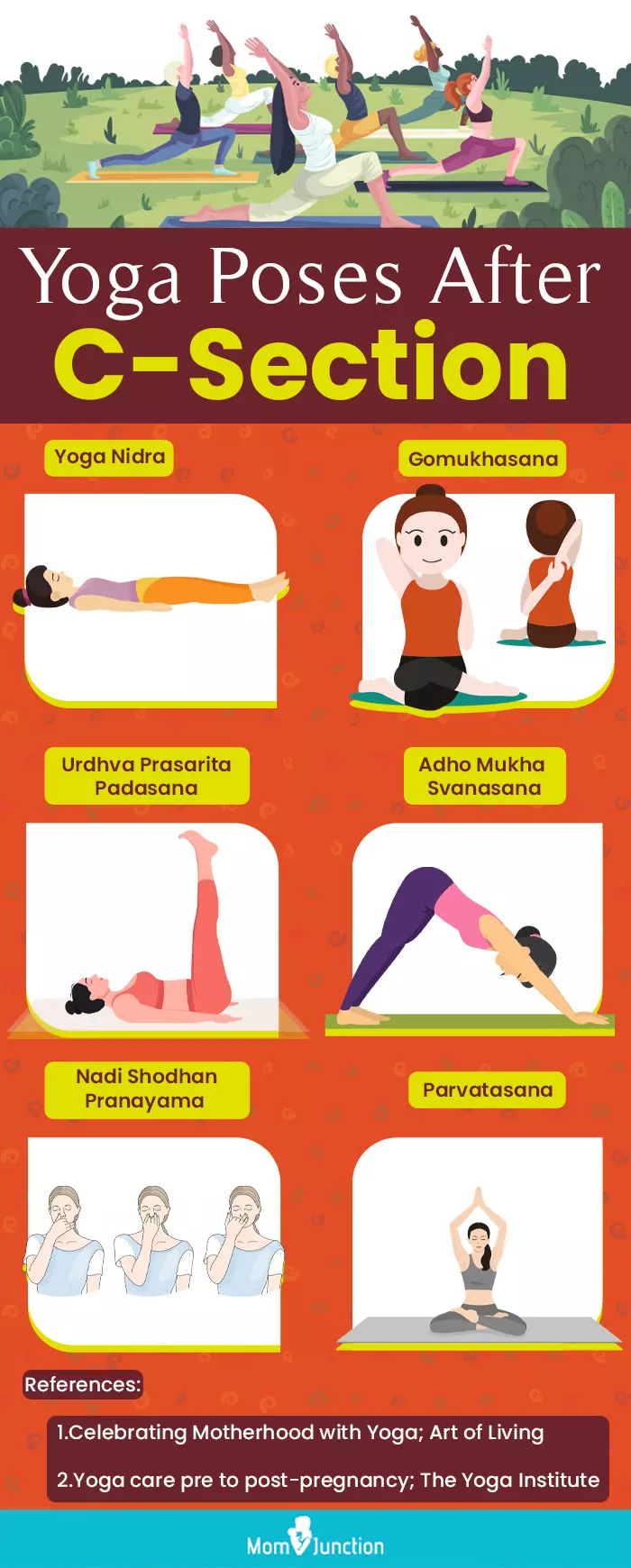
Credit: www.momjunction.com
Practical Tips For New Moms
Here are some extra tips to make postpartum yoga more effective and enjoyable:
- Practice when your baby sleeps – Short sessions are better than skipping altogether.
- Wear comfortable clothing – Avoid anything tight near your scar.
- Don’t skip warm-ups – Even gentle yoga requires warming your muscles.
- Take before-and-after photos or notes – Tracking progress can be motivating.
- Invite your partner – Yoga can be a bonding activity for couples.
One non-obvious insight: Engage your pelvic floor gently during every pose. This helps prevent long-term issues like incontinence.
Frequently Asked Questions
How Soon Can I Start Yoga After A C-section?
You should wait until your doctor gives you clearance, usually after 6–8 weeks. Always listen to your body and never rush the process.
Is It Normal To Feel Discomfort Around The Scar During Yoga?
Mild tightness may be normal, but sharp pain, pulling, or burning is not. If you feel these sensations, stop immediately and consult your doctor.
Can Yoga Help Reduce My C-section Belly?
Yoga can help tone your core and improve posture, but it won’t directly “flatten” your belly overnight. Combined with healthy eating and patience, it supports gradual recovery.
What Yoga Poses Should I Avoid After A C-section?
Skip any poses that put pressure on your abdomen, such as planks, full bridges, deep twists, or any pose that strains your scar. Focus on gentle stretches and breathing exercises.
Are Online Postpartum Yoga Classes Safe?
Many online classes are safe if they’re designed for postpartum women. However, always check the instructor’s qualifications and stick to beginner or gentle levels at first.
Recovering from a C-section is a journey that demands patience, self-care, and the right support. Postpartum yoga, when approached wisely, can be a gentle companion on your path to healing—helping you regain strength, confidence, and inner peace. Listen to your body, seek professional advice, and celebrate every small step forward.

Credit: www.youtube.com