Qigong Vs Yoga: Which Practice Fits Your Life?
Many people today are searching for ways to reduce stress, improve health, and find balance. Two ancient practices—Qigong and Yoga—often come up in these conversations. Both promise better well-being, but they come from different cultures and use unique methods. If you are curious about which one could be right for you, this guide will help you understand their differences, similarities, and how each might suit your lifestyle.
What Is Qigong?
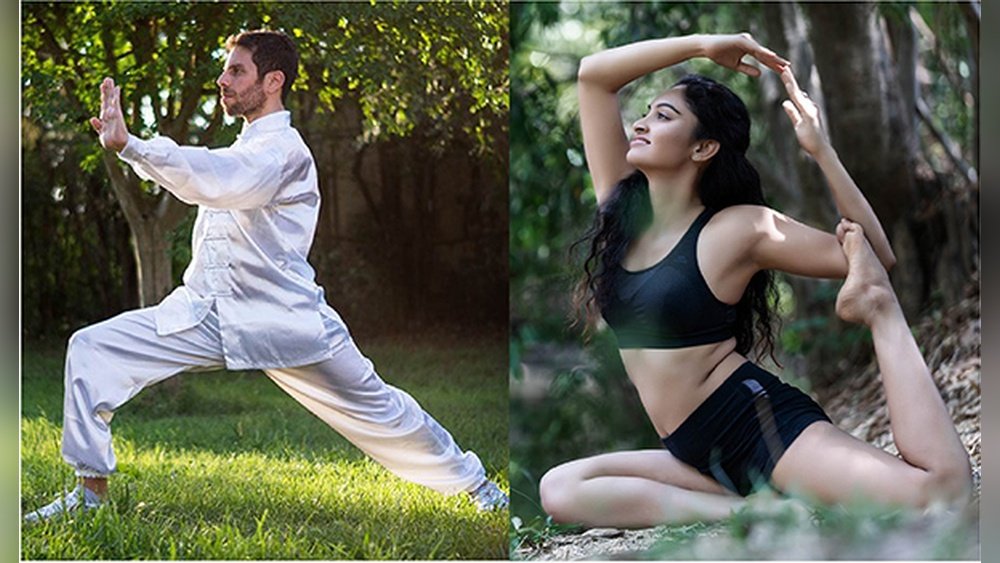
Qigong (pronounced “chee-gong”) is an ancient Chinese practice. The word combines “Qi,” which means life energy, and “Gong,” which means skill or cultivation. Qigong is about using gentle movements, breathing, and mental focus to improve the flow of Qi in your body.
There are thousands of styles of Qigong, but most involve slow, rhythmic movements, breathing exercises, and visualization. People use Qigong for health, martial arts, and spiritual growth.
Main goals:
- Balance energy in the body
- Increase flexibility and strength
- Lower stress
- Boost immune system
Example: A common Qigong exercise is “Eight Pieces of Brocade,” which uses eight simple movements to stretch and relax the body.
What Is Yoga?
Yoga comes from ancient India. The word means “union”—connecting mind, body, and spirit. Yoga includes physical postures (called asanas), breathing exercises (pranayama), meditation, and sometimes chanting.
Yoga has many styles, from gentle (Hatha Yoga) to intense (Power Yoga). Some types focus on stretching and balance, while others include flowing movements or breathing techniques.
Main goals:
- Improve flexibility and strength
- Calm the mind
- Develop self-awareness
- Support physical and mental health
Example: A basic Yoga pose is “Downward Dog,” which stretches the legs, arms, and back.

Credit: www.taoistwellness.online
Origins And History
Both Qigong and Yoga have deep cultural roots. Understanding their history helps appreciate their approach.
| Practice | Origin | Age | Main Influences |
|---|---|---|---|
| Qigong | China | Over 4,000 years | Taoism, Buddhism, Confucianism |
| Yoga | India | Over 5,000 years | Hinduism, Buddhism, Jainism |
Qigong started with ancient Chinese healers and was influenced by Taoist philosophy. It became popular in martial arts and traditional medicine.
Yoga began as a spiritual practice in India, described in ancient texts like the Yoga Sutras. Over time, it became more physical, especially in the West.
Key Differences: Qigong Vs Yoga
While both practices aim for better health and inner peace, they use different methods.
| Aspect | Qigong | Yoga |
|---|---|---|
| Movements | Slow, flowing | Static postures, some flowing |
| Breathing | Natural, deep | Controlled, varied |
| Focus | Energy flow (Qi) | Mind-body connection |
| Spirituality | Often subtle | More pronounced in some styles |
| Accessibility | Easy for all ages | Varies by style |
Qigong is usually gentle and can be done standing or sitting. It suits people of all ages, including seniors and those with health issues. The movements rarely strain the body.
Yoga ranges from gentle to demanding. Some poses need strength or flexibility, which may be hard for beginners or people with injuries.
Health Benefits: What Does Science Say?
Both practices have scientific backing, but the research varies.
Qigong Benefits
- A study in the Journal of Alternative and Complementary Medicine found Qigong improved chronic pain, reduced anxiety, and boosted immune function.
- Regular practice can lower blood pressure, help sleep, and improve balance.
- Qigong is used in Chinese hospitals to support recovery.
Yoga Benefits
- Research from Harvard Medical School shows Yoga reduces stress, improves flexibility, and supports heart health.
- Yoga can help with back pain, depression, and anxiety.
- Some studies report Yoga improves focus and self-control.
Non-obvious insight: Many beginners believe both practices are only for fitness. In reality, both can be powerful for managing long-term health issues, such as arthritis or chronic fatigue, often with fewer side effects than medication.
Who Should Try Qigong?
Qigong is ideal for:
- People with limited mobility
- Seniors looking for gentle exercise
- Those wanting to manage stress and anxiety
- Individuals recovering from illness or injury
- Anyone interested in energy work
A unique advantage: Qigong can be practiced even in a chair. This makes it accessible for people who struggle with standing or balance.

Credit: www.youtube.com
Who Should Try Yoga?
Yoga suits:
- People seeking flexibility and strength
- Those who enjoy physical challenges
- Anyone wanting structured classes
- Individuals interested in meditation and mindfulness
- People who want varied workouts (from gentle to intense)
Yoga has many community classes, online videos, and books. You can find styles for every level.
Practical tip: If you have joint problems or a history of injury, start with gentle Yoga or consult a teacher before trying advanced poses.
Cultural And Spiritual Aspects
Both Qigong and Yoga have spiritual roots, but they express them differently.
Qigong Spirituality
- Linked to Taoism, Buddhism, and traditional Chinese medicine
- Focuses on harmony with nature and balance of Qi
- Spiritual aspects are often subtle, not religious
Yoga Spirituality
- Deeply connected to Indian philosophy
- Includes ideas like karma, chakras, and self-realization
- Some classes include chanting or spiritual study
Not every class or teacher will focus on spirituality. In the West, many Yoga and Qigong classes are secular and focus mainly on health.
Learning And Practicing: What To Expect
Qigong Practice
- Usually taught in small groups or one-on-one
- Movements are simple and easy to remember
- Practice time: 10–30 minutes daily is common
- No special equipment needed
Yoga Practice
- Classes may be group or individual
- Styles vary: Gentle, vigorous, meditative
- Practice time: 30–60 minutes is typical
- May need a mat and comfortable clothing
Non-obvious insight: Beginners often expect Yoga to be only physical or Qigong to be only meditative. In fact, both combine movement, breath, and mind focus. Learning from a qualified teacher can help avoid mistakes and maximize benefits.
Comparing Accessibility And Safety
Both Qigong and Yoga are safe when done properly, but some differences exist.
| Factor | Qigong | Yoga |
|---|---|---|
| Physical Demands | Low | Varies (can be high) |
| Risk of Injury | Very low | Low to moderate |
| Adaptability | High | High (some styles) |
| Need for Equipment | None | Yoga mat, blocks (optional) |
Qigong rarely causes injury, even for people with health issues. Yoga injuries are uncommon, but some poses can strain the neck, back, or knees if done incorrectly.

Credit: www.youtube.com
Cost And Availability
Both practices are widely available, but costs can differ.
- Qigong: Often taught in community centers, parks, or online. Classes are usually affordable, and you don’t need to buy equipment.
- Yoga: Found in gyms, studios, schools, and online. Classes range from free to expensive. You may need to buy a mat or props.
In many cities, you can join free group sessions for both. Many online videos and apps offer guided practices.
Which Practice Is Better For You?
The best choice depends on your needs, goals, and preferences.
Choose Qigong if:
- You prefer gentle movements
- You want to improve energy flow
- You need an accessible practice
Choose Yoga if:
- You want to build strength and flexibility
- You enjoy variety and challenge
- You seek mind-body awareness
Some people use both! For example, they practice Qigong for morning energy and Yoga for evening relaxation. Combining both can give you a fuller experience.
If you want to read about scientific studies on these practices, visit PubMed Central.
Frequently Asked Questions
What Is The Main Difference Between Qigong And Yoga?
The main difference is the focus. Qigong centers on energy flow (Qi) through slow, gentle movements and breath. Yoga uses physical poses and breathing to connect mind, body, and spirit, often with more physical intensity.
Is Qigong Or Yoga Better For Beginners?
Both are beginner-friendly, but Qigong is easier for people with limited mobility or health issues. Yoga has gentle styles, but some poses can be challenging for new students.
Can Qigong And Yoga Be Practiced Together?
Yes, many people combine both. Practicing Qigong can improve energy and relaxation, while Yoga builds strength and flexibility. They complement each other well.
Are There Risks With Qigong Or Yoga?
Risks are low for both, but Yoga can cause injury if poses are done incorrectly. Qigong is very safe, especially when guided by a teacher. Always listen to your body and avoid pushing too hard.
How Long Should I Practice Each Day?
10–30 minutes of Qigong and 30–60 minutes of Yoga daily are common. Start with what feels comfortable and increase as you gain experience.
Both Qigong and Yoga offer powerful ways to improve health, manage stress, and find balance. The right choice depends on your body, goals, and interests. Try a class or follow an online video to see which feels best for you.
Consistency matters more than perfection—so choose the practice you enjoy, and let it support your well-being every day.