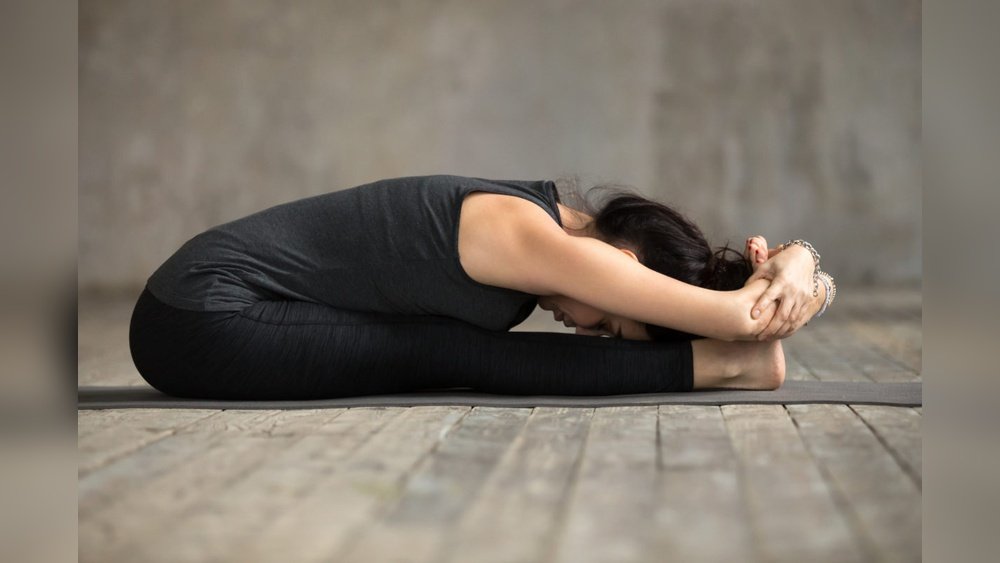
The Seated Forward Fold is a yoga pose that looks simple but offers deep benefits for the body and mind. If you have ever watched someone fold forward and reach toward their feet while sitting on the floor, you have seen this pose. It’s called Paschimottanasana in Sanskrit, and it is practiced in yoga studios all around the world. While it may seem like just a stretch for the hamstrings, the seated forward fold is much more. It connects breath with movement, helps calm the mind, and improves overall flexibility.
But many people—especially beginners—struggle with this posture. Their backs round, their legs tremble, and their hands stay far from their toes. That’s normal. With time, proper technique, and practical tips, anyone can improve in this pose. Let’s explore what makes the seated forward fold special, how to practice it safely, and how to get the most out of every breath and stretch.
What Is The Seated Forward Fold?
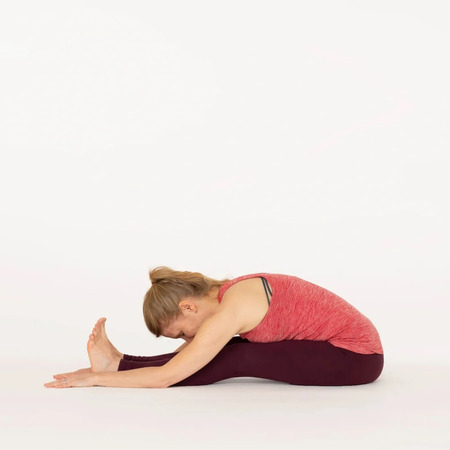
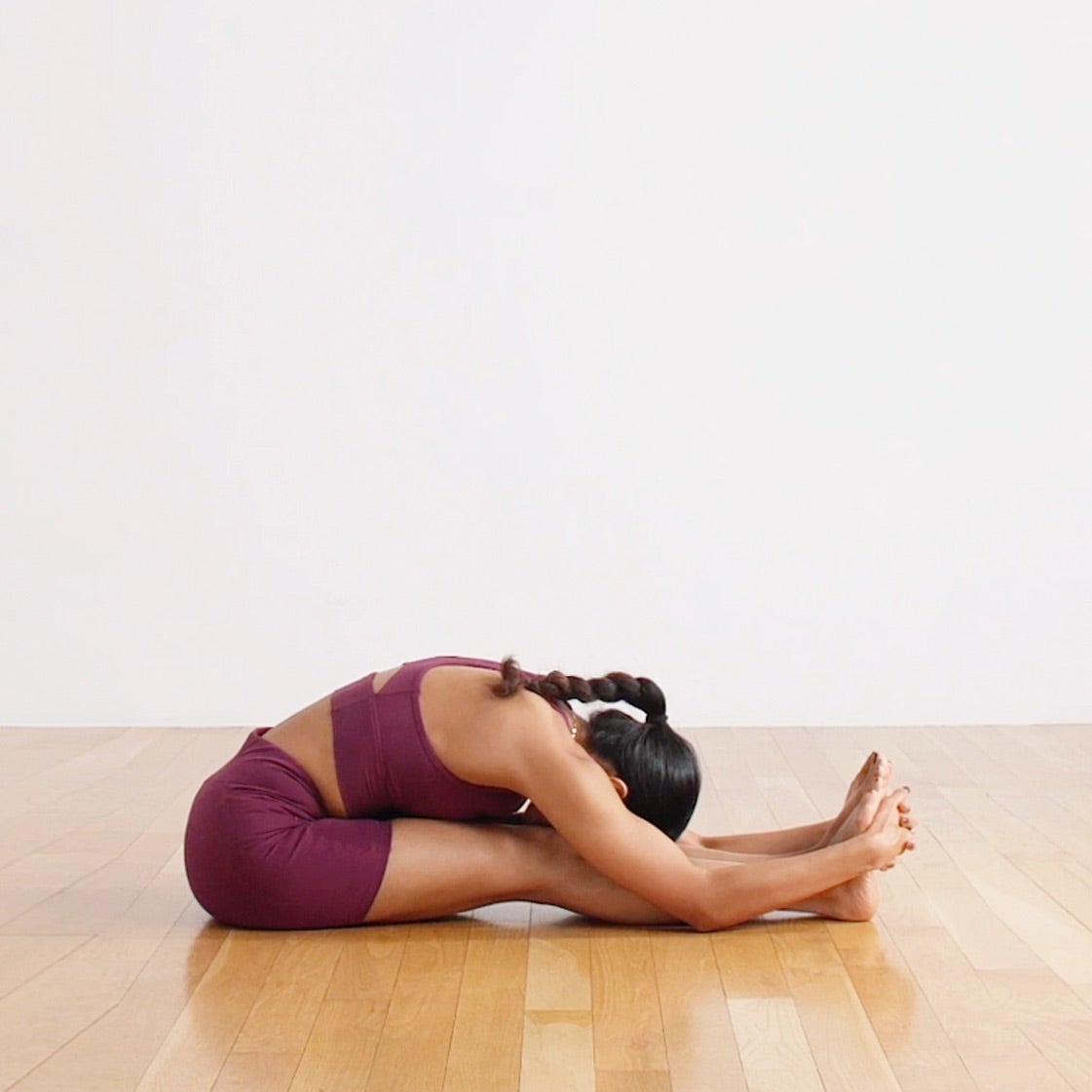
The seated forward fold is a classic yoga posture where you sit with your legs extended straight in front of you and fold your upper body over your legs. The aim is to lengthen the spine and reach toward your feet while keeping your back as straight as possible. This pose is used in many styles of yoga, including Hatha, Vinyasa, and Ashtanga.
In Sanskrit, “Paschimottanasana” means “intense stretch of the west,” referring to the back side of the body. The pose focuses on stretching the back, hamstrings, and calves, but its effects reach even deeper.
Key Benefits Of Seated Forward Fold
The seated forward fold offers a wide range of benefits. Some are obvious, like better flexibility, but others are subtle and only reveal themselves with regular practice.
1. Improves Flexibility
Folding forward stretches the hamstrings, calves, and lower back. Over time, the muscles lengthen, and your range of motion increases. Improved flexibility can help prevent injuries and make daily movements easier.
2. Reduces Stress
This posture encourages deep, slow breathing. As you fold forward, your body enters a calm state, and your heart rate may drop. Many people use this pose to relax after a stressful day.
3. Supports Spine Health
When done with correct alignment, the seated forward fold gently lengthens the spine and releases tension from the lower back. People who sit a lot or have mild back pain often find relief from regular practice.
4. Stimulates Organs
Pressing your belly against your thighs can gently massage the digestive organs. This can help with digestion and sometimes reduce bloating or discomfort.
5. Enhances Focus
Staying in the pose for a few breaths helps train your mind to focus. The stillness and the stretch bring attention inward, making it easier to meditate or stay present.
Non-obvious insights: Many beginners don’t realize that the seated forward fold is not just about touching your toes. The real goal is to create length in your spine, not to force your chest down. Also, even if you cannot reach your feet, you can get the full benefit by keeping your back long.
Step-by-step Guide: How To Practice Seated Forward Fold
Doing this pose correctly is key to getting its benefits and avoiding injury. Here is a practical, step-by-step approach:
- Sit on the floor with your legs straight in front of you. Press your thighs down and flex your feet.
- Remove flesh from under your sitting bones to create a stable base. This helps you sit upright.
- Inhale and raise your arms overhead, lengthening your spine.
- Exhale and hinge at your hips (not your waist) as you fold forward. Imagine your belly reaching toward your thighs.
- Keep your back long. If your back rounds, stop and focus on keeping the spine straight, even if you don’t go very far.
- Rest your hands on your shins, ankles, or feet. Don’t force your grip.
- Hold the position for 5-10 breaths. With each exhale, see if you can relax and fold a little deeper.
- Return to sitting by inhaling and slowly rolling up.
Common Mistakes To Avoid
- Rounding the back: This strains the spine. Keep your heart moving forward.
- Locking the knees: Micro-bend your knees if you feel tension in your hamstrings.
- Pulling with your hands: Let the stretch come naturally, not by forcing your body.
Practical Tips
- Use a yoga strap around your feet if you cannot reach them.
- Sit on a folded blanket if your back rounds or your hamstrings are tight.
- Breathe slowly. The breath will help your body open.
- Practice regularly. Small improvements add up over time.
Seated Forward Fold Variations
Sometimes the classic pose isn’t right for everyone. Here are some variations to try:
Seated Forward Fold With Bent Knees
If you have tight hamstrings or lower back pain, bend your knees slightly. This takes pressure off your back and lets you focus on lengthening the spine.
Wide-legged Seated Forward Fold
Sit with your legs wide apart, then fold forward. This version targets the inner thighs and is helpful for people who want to improve hip flexibility.
One-legged Seated Forward Fold
Keep one leg straight and bend the other, placing the sole of your foot against your inner thigh. Fold over the straight leg. This pose can be easier for beginners and helps even out flexibility imbalances.
Seated Forward Fold With Props
Place a bolster or pillow on your legs and rest your forehead on it as you fold. This is more relaxing and supportive, especially if you practice before bed.
Muscles Targeted In Seated Forward Fold
The seated forward fold works a wide group of muscles, not just the ones you feel stretching.
| Muscle Group | Main Action | Benefit |
|---|---|---|
| Hamstrings | Stretch | Improves flexibility |
| Calves | Stretch | Reduces tension |
| Spine | Lengthen | Supports posture |
| Lower back | Release | Reduces pain |
| Shoulders | Relax | Reduces tightness |
Insight: Many people focus only on their legs, but relaxing the shoulders and neck in this pose is just as important. Tension in the upper body can limit your forward movement.
Who Should Practice Seated Forward Fold?
This pose is safe for most people, but it is especially useful if you:
- Sit for long periods (office workers, students)
- Have tight hamstrings or lower back
- Want to calm your mind and reduce stress
- Are looking for a gentle way to stretch after exercise
However, some people should be cautious or avoid the pose if they have:
- Acute lower back injuries
- Herniated discs
- Severe sciatica
- Recent abdominal surgery
If you’re unsure, consult a healthcare professional or experienced yoga teacher.
Credit: www.yogaeasy.com
Seated Forward Fold Vs. Other Forward Folds
The seated forward fold is one of many forward bends in yoga. How does it compare to standing forward fold (Uttanasana) or child’s pose (Balasana)? Here’s a simple comparison:
| Pose | Body Position | Main Focus | Best For |
|---|---|---|---|
| Seated Forward Fold | Sitting, legs extended | Hamstrings, spine | Flexibility, relaxation |
| Standing Forward Fold | Standing, fold over legs | Hamstrings, back | Warming up, energizing |
| Child’s Pose | Kneeling, folded forward | Hips, back | Rest, gentle stretch |
Non-obvious insight: The seated forward fold allows for more control and longer holds, making it better for deep stretching and relaxation compared to the more active standing version.
How To Progress In Seated Forward Fold
Improvement in this pose does not happen overnight. Here’s how to make steady progress:
- Start Slow: Don’t push yourself too hard. Focus on alignment and breathing.
- Practice Consistently: Even 2-3 minutes a day will help over time.
- Use Props: Blankets, straps, or pillows can support your progress.
- Listen to Your Body: Some days, you’ll go deeper; other days, you’ll be tighter. Both are fine.
- Combine with Other Poses: Warm up your hamstrings with gentle movements first.
Mindful Breathing In Seated Forward Fold
Breathing is as important as stretching in this posture. Try this simple technique:
- As you inhale, feel your spine grow longer.
- As you exhale, gently relax and fold a little deeper.
- If your breath becomes strained, ease up and return to a comfortable position.
This mindful breathing can help you calm anxiety and feel more relaxed, not just during the pose, but throughout your day.
Seated Forward Fold For Different Body Types
Not every body is built the same. Here’s how to adapt the pose for different needs:
| Body Type | Common Challenge | Adaptation |
|---|---|---|
| Tight hamstrings | Cannot fold far | Bend knees, use a strap |
| Long torso, short legs | Back rounds easily | Sit on a blanket |
| Larger belly or chest | Pressure, discomfort | Take legs wider apart |
| Back pain history | Fear of injury | Go slow, keep knees bent |
The key is to make the pose fit your body, not the other way around.
Credit: www.yogajournal.com
When And How Often To Practice
The seated forward fold can be done any time, but here are some good options:
- After exercise: Muscles are warm and stretch more easily.
- Before bed: The pose calms the mind and prepares you for sleep.
- During stress: A few minutes in this pose can help you reset.
For best results, practice 3-5 times per week. Hold for at least 30 seconds, up to 3 minutes if comfortable.
Seated Forward Fold In Different Yoga Styles
While the basics remain the same, this pose may look a bit different in various yoga styles:
- Hatha Yoga: Focuses on alignment and holding the pose for longer.
- Vinyasa Yoga: Often included in a flowing sequence, held for fewer breaths.
- Yin Yoga: Held for 3-5 minutes with relaxed muscles, often using props.
- Restorative Yoga: Uses pillows and blankets to support full relaxation.
No matter the style, the core principles—long spine, relaxed breath, gentle stretch—remain the same.
:max_bytes(150000):strip_icc()/Verywell-11-3567193-SeatedForward-986-5c54a76246e0fb000152e740.jpg)
Credit: www.verywellfit.com
Frequently Asked Questions
What If I Can’t Touch My Toes In Seated Forward Fold?
You do not need to touch your toes to benefit from this pose. Use a yoga strap around your feet or hold your shins. Focus on lengthening your spine, not on reaching your feet.
Is Seated Forward Fold Safe For People With Lower Back Pain?
It depends. If you have mild tightness, the pose can help, but if you have an injury or herniated disc, avoid deep folding. Bend your knees and keep your movements gentle. Always listen to your body.
How Long Should I Hold The Seated Forward Fold?
Beginners can start with 20-30 seconds. Over time, you can hold for up to 3 minutes. In Yin Yoga, some people stay for 5 minutes or more with support.
Can I Do Seated Forward Fold Every Day?
Yes, but pay attention to how your body feels. If you have soreness or pain, take a rest day. Regular practice brings the best results, but rest is also important.
Where Can I Learn More About Yoga Poses And Alignment?
A great starting point is the Wikipedia page on Paschimottanasana. You can also find videos and guides from certified yoga teachers.
The seated forward fold is a journey, not a destination. With patience, mindful breathing, and proper technique, you’ll find this pose brings not just flexibility, but also peace and focus into your daily life. Try it, adapt it to your needs, and let your body guide your practice.