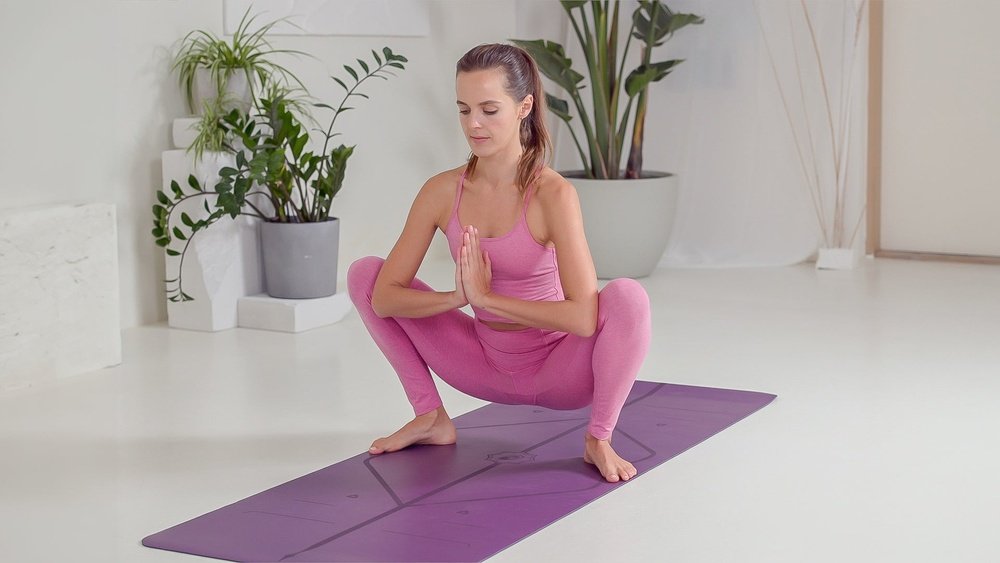
Are you looking for a simple yet powerful way to unlock your body’s natural flexibility and strength? Squatting Yoga, also known as Malasana or the yoga squat, might be exactly what you need.
This pose targets your hips, ankles, and lower back, helping you move more freely and feel more grounded. Whether you spend long hours sitting or want to improve your yoga practice, squatting can transform how your body feels every day.
Keep reading to discover how this easy-to-learn pose can open up tight muscles, boost your balance, and even give you a refreshing break during your workouts. Your journey to happier hips and stronger ankles starts here.
Credit: blog.alomoves.com
Squat Pose Basics
Squatting in yoga is a simple yet powerful pose. It opens hips, stretches muscles, and improves balance. Many beginners and experts use this pose to increase flexibility and strength. Understanding the basics helps you get the most benefits from this posture.
Practice regularly to feel your body become stronger and more flexible. Let’s explore the essential elements of the squat pose in yoga.
What Is Malasana?
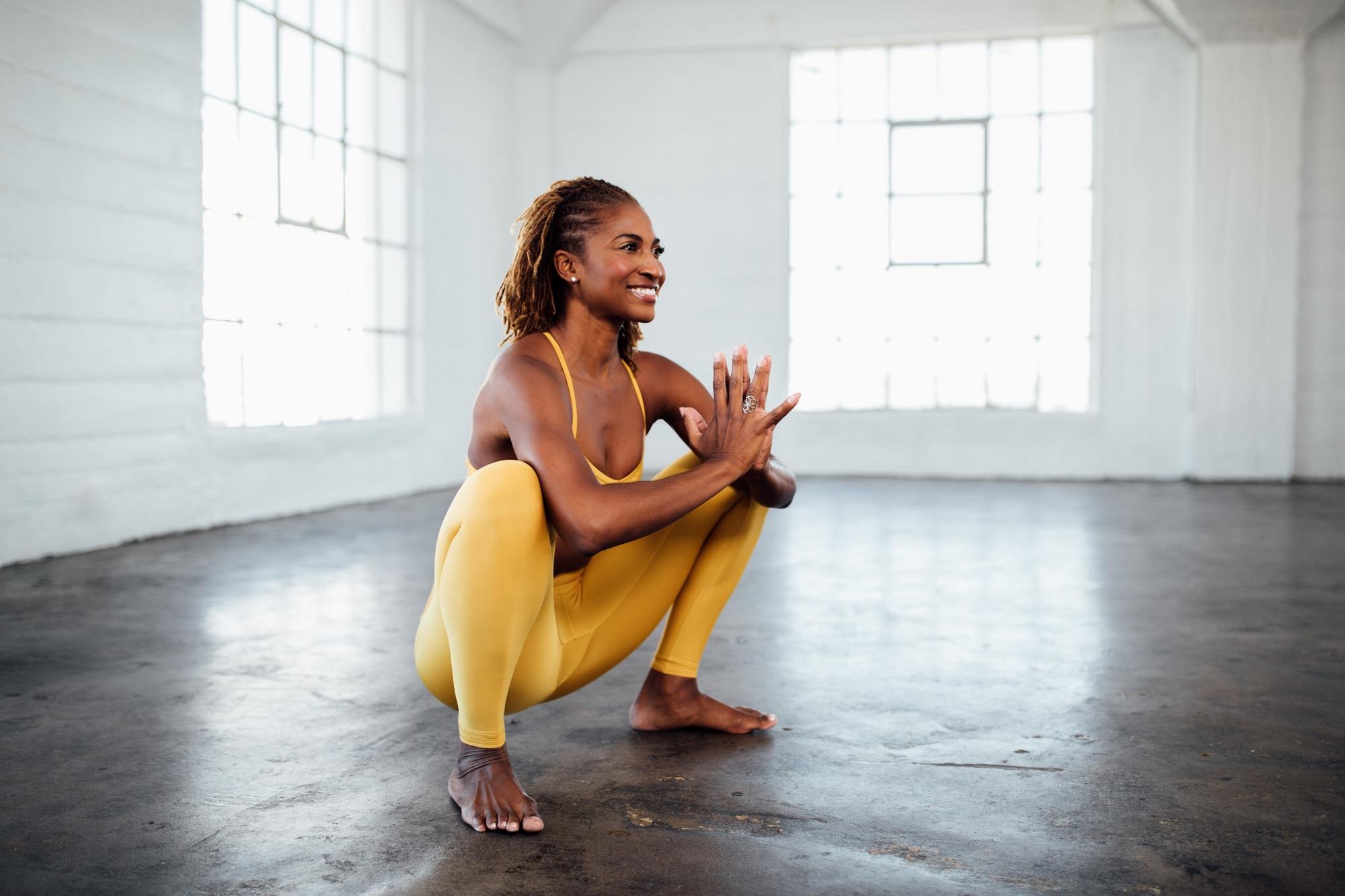
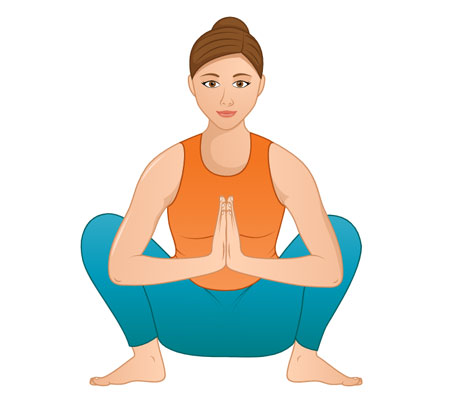
Malasana, also called the yoga squat, is a deep squatting pose. It stretches the hips, groin, and lower back. In Malasana, your feet stay flat on the floor, and your knees bend deeply. Your hands often come together in prayer at the chest. This pose is calming and helps improve digestion and posture.
Variations Of Yoga Squat
Several variations exist to match your flexibility and strength. For example, you can try a wide-legged squat with feet farther apart. Another option is to keep heels lifted if your ankles feel tight. Some yogis add arm positions like holding the floor or reaching forward. Each variation targets different muscles and offers unique benefits.
Key Alignment Tips
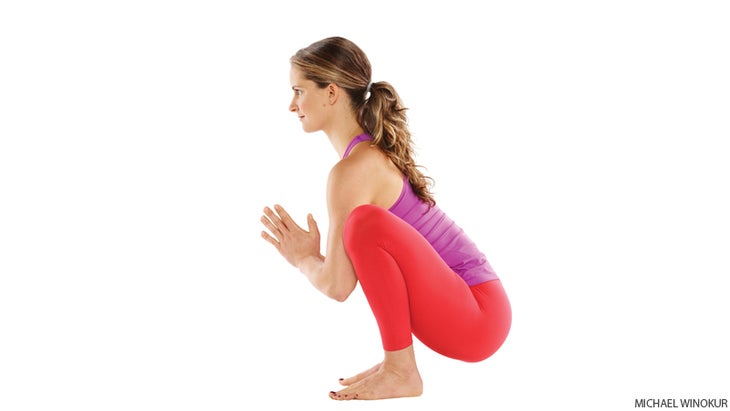
Keep your feet flat and spread toes wide for balance. Align knees over your toes to protect your joints. Engage your core and lengthen your spine to avoid slouching. Relax your shoulders and breathe deeply. If your heels lift, place a folded blanket underneath. These tips help you stay safe and get the most from the pose.
Flexibility Benefits
Squatting Yoga offers many flexibility benefits that improve your body’s movement. It helps loosen tight muscles and joints. This practice targets key areas often stiff from sitting or inactivity.
Regular practice increases your range of motion. Your body feels lighter and more agile. Let’s explore how squatting yoga enhances flexibility in specific body parts.
Hip And Groin Opening
The squat pose deeply opens your hips and groin. These areas store tension from daily activities. Squatting stretches the hip flexors and inner thighs gently. Over time, this reduces stiffness and improves hip mobility. It also supports better posture and eases walking or running.
Ankle And Foot Strengthening
Squatting strengthens your ankles and feet with gentle pressure. This builds stability and balance. It stretches the muscles around the ankles, improving flexibility. Strong ankles lower injury risk and enhance movement in sports and daily life. Your feet also become more flexible, supporting better weight distribution.
Lower Back Relief
Squatting relieves tension in the lower back. It stretches the muscles along the spine and hips. This eases lower back stiffness and pain. The pose encourages better spinal alignment and posture. Regular practice supports a healthy, flexible lower back.
Health Advantages
Squatting Yoga offers many health advantages. It helps the body stay strong and flexible. Regular practice brings benefits to joints, muscles, and overall wellness.
This simple pose supports natural body movements. It improves how the body works every day.
Improved Mobility
Squatting Yoga opens the hips and groin area. It stretches muscles that often feel tight. This helps increase the range of motion in the lower body.
Better mobility reduces stiffness and pain. It makes walking, bending, and sitting easier. The pose also strengthens ankles and feet for better balance.
Enhanced Circulation
Holding a squat position boosts blood flow. More oxygen reaches muscles and tissues. This supports faster healing and energy levels.
Good circulation also helps remove toxins from the body. It can improve skin health and reduce swelling in the legs.
Posture Support
Squatting Yoga encourages a strong and upright spine. It trains core muscles to stay active. This helps reduce slouching and back pain.
The pose teaches proper body alignment. It supports good posture during daily activities. Over time, this can prevent common aches caused by poor posture.
Credit: www.yogajournal.com
Getting Started Safely
Starting Squatting Yoga safely is key to enjoying its benefits. This pose opens hips, strengthens ankles, and improves flexibility. Beginners should take care to avoid injury and discomfort. Proper guidance helps build confidence and good habits early.
Focus on alignment and ease rather than depth. Listen to your body’s signals and progress gradually. Below are tips to begin your Squatting Yoga practice safely and effectively.
Beginner-friendly Modifications
Use a yoga block or rolled towel under your heels if they do not touch the ground. Keep feet hip-width apart to maintain balance. Sit back slightly on a chair if full squat feels too intense. Keep your hands in prayer position or rest them on your thighs for support.
These simple changes help reduce strain and increase comfort. They allow your muscles and joints to adapt slowly.
Common Mistakes To Avoid
Avoid rounding your back or collapsing your chest forward. Keep your spine long and shoulders relaxed. Do not let your knees fall inward; keep them aligned with your toes. Avoid holding your breath or forcing the pose beyond your comfort.
Proper form prevents injury and maximizes the benefits. Take breaks if you feel pain or sharp discomfort.
Breathing Techniques
Inhale deeply through your nose as you prepare to enter the squat. Exhale slowly while lowering your hips down. Keep your breath steady and even throughout the pose. Use your breath to relax and deepen the stretch gently.
Focused breathing improves concentration and helps release tension. It supports a calm and mindful practice.
Integrating Squats In Yoga Practice
Integrating squats into your yoga practice brings balance and strength. Squatting helps open hips, stretch ankles, and build flexibility. This simple movement supports better posture and body awareness. It fits well in many yoga sequences.
Using squats regularly improves mobility and prepares the body for deeper poses. Squats also act as a gentle rest between intense postures. Adding squats enhances flow and connects breath with movement.
Using Squats As Transitions
Squats serve well as smooth transitions during yoga practice. Moving into a squat can ease the body from standing to seated poses. It helps the hips stay open and ready for the next posture. Squats keep energy flowing without strain.
For example, shift from a standing forward bend into a squat to lengthen the spine. Then move into a seated twist or hip opener. This flow keeps the practice dynamic and balanced.
Combining With Other Poses
Squats combine easily with many yoga poses. Pair squats with lunges to stretch thighs and strengthen legs. Add a twist in the squat to improve spinal mobility. You can also move from a squat to a plank for core work.
Incorporate squats before hip openers like Pigeon Pose. This warms up the joints and avoids injury. Squats also prepare the body for balancing poses by activating leg muscles.
Daily Routine Ideas
Include squats in your daily yoga routine for better flexibility. Start your session with gentle squats to wake up hips and ankles. Use squats as breaks between longer holds to release tension.
Try holding a squat for 30 seconds to build endurance. Add arm movements or twists to increase challenge. End your practice with squats to reset and ground your body.
Advanced Squat Variations
Advanced squat variations in yoga deepen your practice and build strength. These variations challenge balance, flexibility, and power. They engage different muscle groups and improve body control. Practicing these moves regularly enhances your overall yoga experience.
Arm Balances With Squat
Combining squats with arm balances tests your core and upper body strength. Try Malasana with lifted feet, balancing on your hands. This pose increases wrist and shoulder stability. It also improves focus and body awareness. Beginners should start with support, then progress to full balance.
Dynamic Squat Flows
Dynamic flows link squats with smooth movements. Move from a deep squat to standing and back fluidly. Add twists or side stretches to increase mobility. These flows warm up your hips and legs effectively. They build endurance and improve coordination over time.
Strengthening Challenges
Advanced squats build powerful legs and hips. Hold a deep squat while lifting one heel for balance training. Add pulses or holds to increase muscle engagement. Use props like blocks for added resistance. These challenges improve stability and joint health for daily activities.
Troubleshooting And Tips
Squatting yoga offers many benefits but can also present challenges. Some body parts may feel tight or unstable. These issues can make holding the pose difficult. This section shares helpful tips to overcome common problems. Simple adjustments improve comfort and effectiveness.
Dealing With Tight Hips
Tight hips often limit your ability to squat deeply. Warm up with gentle hip openers like butterfly stretches. Use props such as blocks or rolled blankets to support your hips. Gradually lower yourself into the squat without forcing. Consistent practice loosens hip muscles over time.
Improving Ankle Flexibility
Stiff ankles can cause discomfort and instability. Stretch your calves daily by pressing your heels into the floor. Try ankle circles to increase mobility. Elevate your heels on a folded mat or towel while squatting. These small changes protect your joints and improve form.
Maintaining Balance
Balance is key to holding the squat pose safely. Focus your gaze on a fixed point in front of you. Engage your core muscles to stabilize your body. Spread your toes wide to create a strong base. Practice near a wall or chair for extra support if needed.
Credit: www.yogaclassplan.com
Frequently Asked Questions
What Is Squat In Yoga?
Squat in yoga, known as Malasana, is a deep hip-opening pose. It stretches the groin, strengthens ankles, and improves flexibility.
What Are Yoga Squats Good For?
Yoga squats open hips and groin, strengthen ankles and feet, and stretch lower legs and back. They improve mobility and balance.
What Is The Yoga Squat Called?
The yoga squat is called Malasana, also known as Garland Pose. It opens hips, stretches groin, and strengthens ankles.
What Is The Hardest Yoga Pose In The World?
The hardest yoga pose varies by person. Scorpion Pose (Vrschikasana) demands balance and deep backbend. Eight-Angle Pose (Astavakrasana) requires arm strength. Formidable Face Pose (Gandha Bherundasana) challenges extreme flexibility. All demand strength, flexibility, and intense focus.
Conclusion
Squatting yoga helps improve hip and ankle flexibility daily. It also strengthens your lower body gently and safely. Regular practice can reduce tension and improve posture naturally. This simple pose fits well into any yoga routine. Try adding squatting yoga for better mobility and balance.
Small steps lead to big improvements over time. Keep practicing, listen to your body, and enjoy the benefits.