
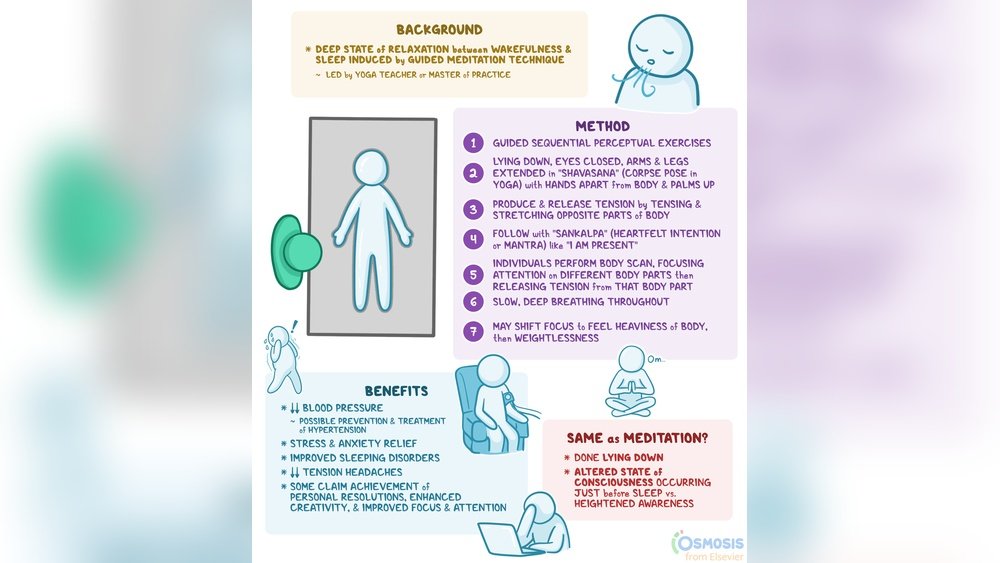
What if you could experience the deep rest of sleep while staying fully aware? That’s exactly what Yoga Nidra offers—a unique state where your body relaxes completely, but your mind remains gently conscious.
If you’re feeling stressed, overwhelmed, or simply curious about a new way to recharge, Yoga Nidra might be the answer you’ve been searching for. You’ll discover what Yoga Nidra really is, how it works, and why it’s becoming a popular tool for relaxation and better sleep.
Ready to unlock a powerful practice that could transform your well-being? Keep reading to find out how you can start your own Yoga Nidra journey today.
Yoga Nidra Basics
Yoga Nidra Basics introduce a unique form of guided relaxation. It helps the mind and body rest deeply while staying aware. This practice is simple to follow and suits all levels. Understanding its origins, state of consciousness, and differences from meditation is key.
Origins And Meaning
Yoga Nidra means “yogic sleep” in Sanskrit. It comes from ancient Indian traditions. The practice was revived by Swami Satyananda Saraswati in the 20th century. It blends yogic teachings with modern relaxation methods. The goal is to reach deep rest without losing consciousness.
State Of Consciousness
During Yoga Nidra, the body sleeps, but the mind stays alert. This state lies between waking and sleeping. The brain shifts to alpha and theta waves, which are linked to deep relaxation. This unique state helps reduce stress and refresh the nervous system.
Yoga Nidra Vs Meditation
Yoga Nidra is different from meditation. Meditation usually requires focused attention or mindfulness. Yoga Nidra guides the body into complete relaxation while the mind follows instructions. It does not demand concentration but encourages gentle awareness. This makes it easier for beginners and those with busy minds.
How Yoga Nidra Works
Yoga Nidra guides the mind and body into a deep state of relaxation. It uses simple yet effective steps to quiet the mind. The practice allows awareness to remain while the body rests fully. Each stage plays a key role in calming the nervous system and releasing stress.
Intention Setting
The practice begins with setting an intention, or sankalpa. This is a short, positive statement. It reflects a personal goal or desire. Saying it quietly helps focus the mind. This intention guides the experience and plants seeds for change.
Body Scan Technique
Next, attention moves through the body step-by-step. This is called the body scan. It helps notice and release tension in each area. The mind gently observes sensations without judgment. This process brings deep physical relaxation and awareness.
Breath Awareness
Breath awareness follows the body scan. The breath is observed naturally or with gentle control. This slows the breath and calms the nervous system. Focusing on breathing helps anchor the mind. It encourages a peaceful state and reduces stress.
Deep Relaxation Benefits
Yoga Nidra offers profound deep relaxation benefits. This practice helps the body and mind reach a state of calm and rest. It supports healing and reduces stress effectively. Many experience a sense of peace and renewal after sessions.
Deep relaxation through Yoga Nidra improves overall well-being. The body activates natural relaxation responses. The mind shifts into restful brainwave patterns. Sleep quality also tends to improve greatly.
Parasympathetic Activation
Yoga Nidra activates the parasympathetic nervous system. This system controls the body’s rest and digest functions. Activation slows the heart rate and lowers blood pressure. It reduces stress hormones like cortisol. The body shifts from a fight-or-flight state to calmness. This helps in quick recovery and better health.
Brainwave Shifts
During Yoga Nidra, brainwaves change from beta to alpha and theta. Beta waves link to active thinking and stress. Alpha and theta waves promote relaxation and creativity. These slower waves help the brain rest deeply. Such shifts bring mental clarity and emotional balance. This brain state supports healing and reduces anxiety.
Improved Sleep Quality
Practicing Yoga Nidra regularly improves sleep patterns. It calms the nervous system and eases mental chatter. This leads to falling asleep faster and deeper sleep cycles. Many report fewer awakenings during the night. Better sleep boosts energy, mood, and focus. It also strengthens the immune system and overall health.
Credit: health.clevelandclinic.org
Getting Started With Yoga Nidra
Starting Yoga Nidra is simple and rewarding. It needs only a quiet space and a few minutes. This practice helps you relax deeply and clear your mind.
Setting a good environment makes your experience better. Using guided sessions supports your focus. Beginners find these steps helpful to build a steady habit.
Setting Up Your Practice Space
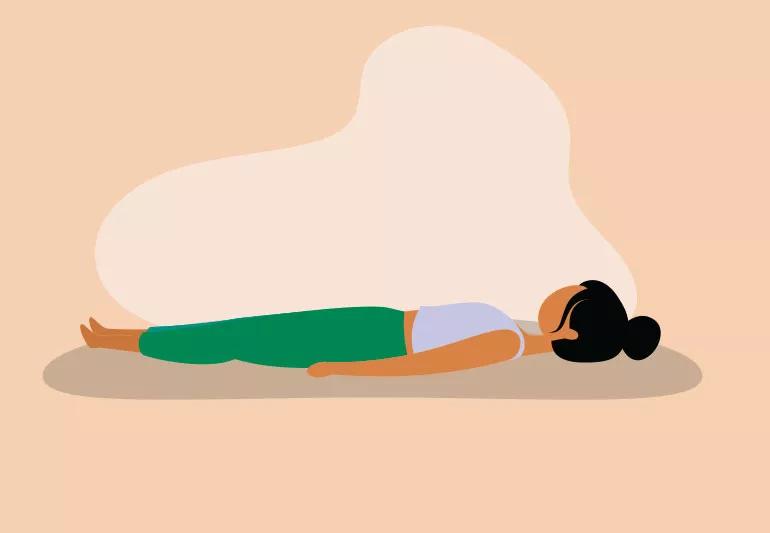
Find a calm, quiet room where you will not be disturbed. Use a soft mat or blanket to lie on comfortably. Dim the lights or use a sleep mask to block out light. Keep your phone on silent to avoid interruptions.
Using Guided Audio Sessions
Choose a guided Yoga Nidra audio that suits beginners. Many free and paid options are online. Follow the voice instructions and stay relaxed. The guide leads you through body scans and breathing exercises.
Tips For Beginners
Start with short sessions of 15 to 20 minutes. Practice regularly, even if only a few times a week. Do not worry about falling asleep; it is part of the process. Stay patient and gentle with yourself. Over time, your practice will deepen and feel natural.
Who Should Avoid Yoga Nidra
Yoga Nidra is a powerful relaxation method. It guides the mind into deep rest while keeping awareness. Despite its benefits, some people should avoid it. Certain conditions can make Yoga Nidra unsafe or uncomfortable. Understanding who should skip this practice is important for safety.
People With Severe Mental Health Issues
Yoga Nidra can bring up strong emotions. Those with trauma, PTSD, or severe anxiety might feel overwhelmed. This practice may trigger unwanted memories or feelings. Professional guidance is crucial before trying Yoga Nidra.
Individuals With Epilepsy
The deep relaxation and altered states in Yoga Nidra may cause seizures. People with epilepsy should avoid this practice unless cleared by a healthcare provider. Safety is the top priority.
Pregnant Women In Early Stages
Certain body positions in Yoga Nidra might be uncomfortable or risky. Early pregnancy may require avoiding lying flat on the back for long periods. Consulting a doctor before starting is essential.
People Experiencing Severe Physical Pain
Yoga Nidra asks for stillness, which can be hard with pain. Staying in one position may increase discomfort. Those with serious injuries or pain should reconsider or adapt the practice.
Credit: www.vinyasayogaashram.com
Common Yoga Nidra Session Lengths
Yoga Nidra sessions vary in length depending on the setting and purpose. The duration influences the depth of relaxation and the experience. Understanding common session lengths helps you choose the right practice for your needs.
Short Sessions: 10 To 20 Minutes
Short Yoga Nidra sessions are ideal for beginners or busy schedules. They provide quick relaxation and stress relief. These sessions often focus on breath awareness and a brief body scan. They can be done anytime during the day to reset your mind.
Standard Sessions: 30 To 45 Minutes
Most Yoga Nidra classes last between 30 and 45 minutes. This length allows a full body scan and intention setting. Practitioners can enter deeper relaxation and experience stronger benefits. These sessions fit well in daily routines or yoga classes.
Extended Sessions: 60 Minutes Or More
Longer sessions offer profound rest and mental clarity. They include detailed instructions and longer pauses for deep relaxation. Extended Yoga Nidra practices are used in retreats or therapeutic settings. They support healing and deep stress release.

Credit: www.arhantayoga.org
Frequently Asked Questions
What Happens During Yoga Nidra?
During yoga nidra, you lie down and follow guided instructions to relax deeply, scan your body, focus on breath, and set intentions. This practice calms the nervous system, shifts brainwaves, and promotes restful awareness between wakefulness and sleep.
Who Should Not Do Yoga Nidra?
People with severe mental health issues, PTSD, or epilepsy should avoid yoga nidra without professional guidance. Pregnant women should consult a doctor first.
What’s The Difference Between Yoga Nidra And Meditation?
Yoga Nidra guides deep relaxation in a sleep-like state with awareness. Meditation focuses on mindful attention or concentration. Yoga Nidra is practiced lying down, while meditation often involves sitting. Both reduce stress but differ in technique and consciousness level.
How Long Is A Typical Yoga Nidra Session?
A typical Yoga Nidra session lasts between 20 to 40 minutes. Some sessions can extend up to an hour.
Conclusion
Yoga Nidra offers deep rest while keeping your mind aware. This practice helps reduce stress and improves sleep quality. Anyone can try it at home using simple guided audio. Regular sessions bring calm and balance to daily life. Give Yoga Nidra a chance to support your well-being.