
What’s My Dosha: Understanding Your Ayurvedic Body Type
Ayurveda is an ancient science from India that focuses on natural healing and balance. One of its most unique concepts is the idea of the dosha. If you have ever wondered, “What’s my dosha?” you are not alone. Many people are curious about their dosha because it can help them make better choices about food, exercise, and lifestyle. In Ayurveda, knowing your dosha is like having a personal guide for health and well-being.
The idea of doshas may seem confusing at first, but once you understand the basics, it becomes much simpler. Each person has a unique combination of three energies—Vata, Pitta, and Kapha. These energies affect everything from your body shape to your emotions.
By knowing your dosha, you can find out why you may feel energetic one day and tired the next, or why certain foods make you feel good while others do not.
Let’s explore the meaning of doshas, how to discover your own, and what you can do with this knowledge to lead a healthier, more balanced life.
The Three Doshas Explained
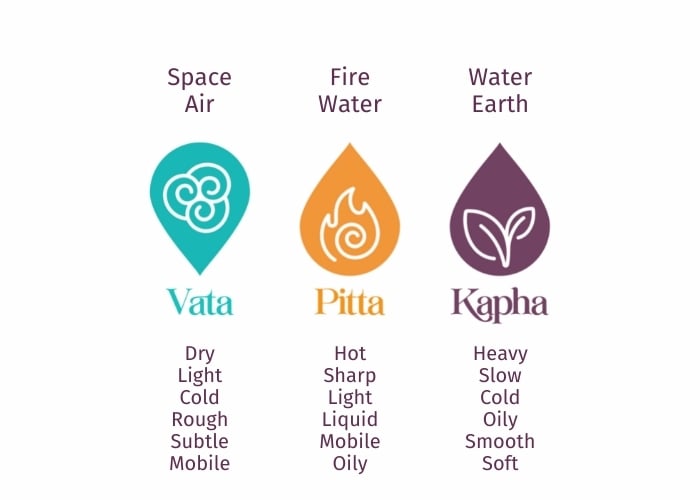
Ayurveda says that all people are made of three main energies, known as Vata, Pitta, and Kapha. These doshas combine in each person in a unique way, creating different body types and personalities.
Vata Dosha
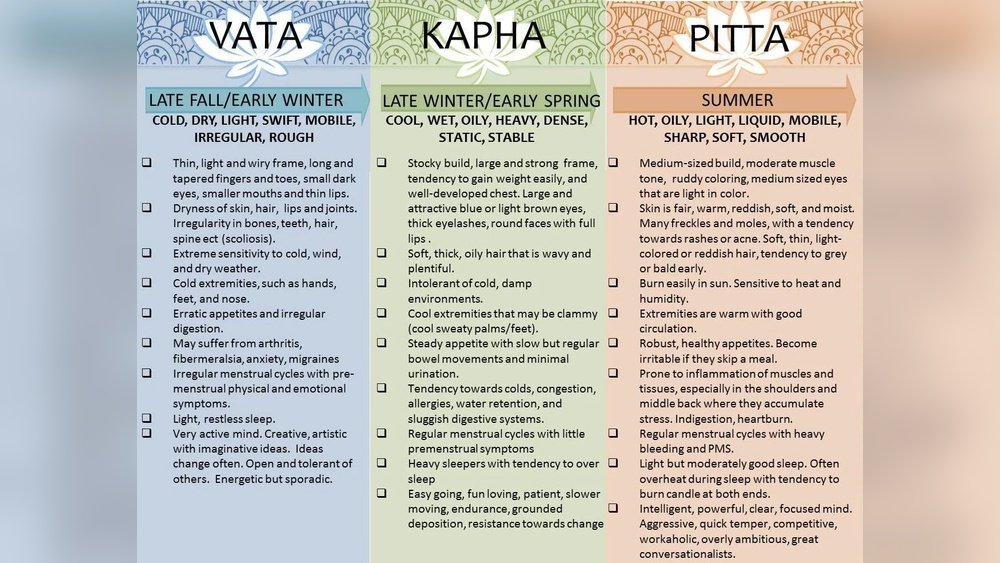
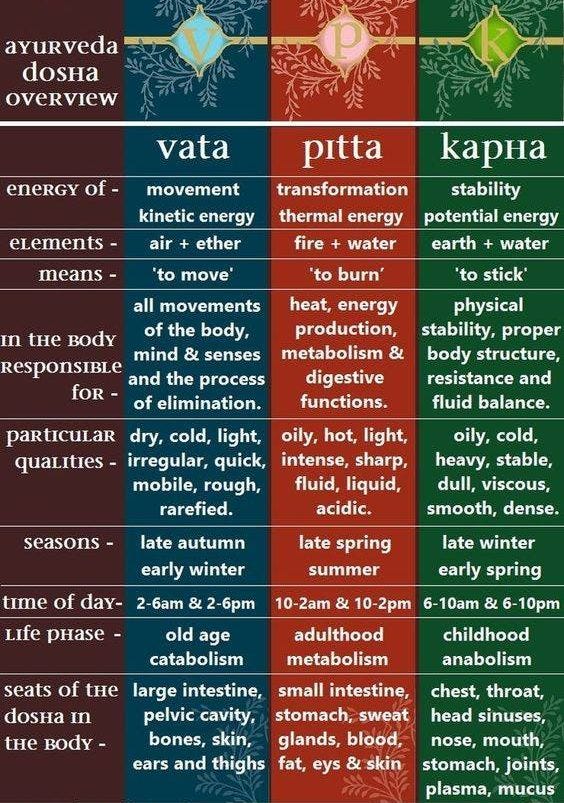
Vata is the energy of movement. It is linked to air and space. People with a strong Vata dosha often have a thin body, dry skin, and a lively mind. They are creative, talkative, and full of ideas. However, Vata types can also feel anxious, restless, or cold easily. When Vata is balanced, a person is energetic and flexible, but when it is out of balance, they might feel scattered or tired.
Pitta Dosha
Pitta represents transformation and is connected to fire and water. Pitta people usually have a medium build, warm skin, and a sharp mind. They are focused, determined, and like to lead. Balanced Pitta types are confident and organized, but if Pitta is too strong, they may become angry, critical, or impatient. They often dislike hot weather and spicy foods.
Kapha Dosha
Kapha stands for stability and structure. It is linked to earth and water. People with a dominant Kapha dosha have a solid body, smooth skin, and a calm mind. They are loyal, caring, and patient. When Kapha is balanced, a person feels strong and loving, but when it’s too high, they can feel slow, heavy, or stuck. They might have trouble getting motivated or lose weight slowly.
How To Find Out Your Dosha
Most people are a mix of two or even all three doshas, but usually one or two are most dominant. To answer “What’s my dosha?” you need to look at your body, personality, and habits. Here are some steps you can take:
- Self-Assessment Quizzes: Many websites and books offer dosha quizzes. These ask questions about your body, mind, and habits.
- Physical Signs: Notice your body type, skin, hair, and energy levels.
- Mental and Emotional Patterns: Are you calm, energetic, or intense? How do you react to stress?
- Professional Consultation: An Ayurvedic doctor can give a more accurate reading by checking your pulse, tongue, and asking detailed questions.
Example Questions From A Dosha Quiz
- Is your body thin and light, medium and muscular, or heavy and strong?
- Do you get cold easily, feel hot often, or feel comfortable in most weather?
- Are you usually energetic, focused, or relaxed?
- Do you like routine, or do you prefer change and excitement?
By answering these questions honestly, you can get a good idea of your main dosha.
Dosha Characteristics: A Quick Comparison
To make it easier to see the differences, here’s a simple table comparing the three doshas:
| Dosha | Body Type | Mental Traits | Common Imbalance Signs |
|---|---|---|---|
| Vata | Thin, light, dry skin | Creative, quick, talkative | Anxiety, dryness, insomnia |
| Pitta | Medium, warm, oily skin | Focused, ambitious, sharp | Anger, heartburn, rashes |
| Kapha | Solid, smooth, cool skin | Calm, caring, steady | Weight gain, sluggishness, congestion |
Why Your Dosha Matters
Knowing your dosha is not just about labels. It can change the way you live. Here’s why it matters:
- Personalized Health Advice: Dosha knowledge helps you choose foods, exercises, and routines that fit your true nature.
- Better Digestion: Ayurveda says digestion is the root of health. Each dosha digests food differently, so eating for your dosha can improve your stomach and energy.
- Emotional Balance: Understanding your dosha explains why you react a certain way under stress or change.
- Preventive Care: If you know your weak points, you can prevent sickness before it starts.
Many beginners miss that your dosha can change with age, season, or lifestyle. For example, a person may start life as mostly Kapha, but after years of stress, Vata can become dominant. Dosha is a moving target, not a fixed label.
Credit: www.healthydirections.com
Diet Tips For Each Dosha
Ayurveda puts strong focus on food. Here are some practical diet tips for each dosha:
For Vata
- Eat warm, cooked foods like soups and stews.
- Use healthy oils such as sesame or olive oil.
- Avoid cold, dry, or raw foods.
- Add sweet, sour, and salty tastes.
- Drink warm beverages.
For Pitta
- Enjoy cooling foods like cucumbers, melons, and dairy.
- Avoid spicy, oily, or fried foods.
- Choose bitter, sweet, and astringent tastes.
- Drink room temperature or cool water.
- Limit alcohol and caffeine.
For Kapha
- Eat light, spicy, and dry foods.
- Use more vegetables, beans, and grains like barley.
- Avoid dairy, heavy, or oily foods.
- Choose bitter, pungent, and astringent tastes.
- Drink less water if you feel heavy.
Here’s a table to show which foods are best for each dosha:
| Food | Vata | Pitta | Kapha |
|---|---|---|---|
| Rice | Good | Good | Moderate |
| Yogurt | Good | Cooling | Avoid |
| Chili Peppers | Stimulating | Avoid | Good |
| Leafy Greens | Good | Good | Excellent |
| Bananas | Good | Good | Avoid |
Lifestyle And Exercise For Each Dosha
Ayurveda also offers advice on how to move, rest, and work based on your dosha. Here’s how to use this information:
Vata
Vata types need regular routines and gentle exercise. Yoga, walking, and slow dancing help balance their energy. Too much running or changing activities can make them tired or anxious. Meditation and deep breathing are also helpful.
Pitta
Pitta people do well with sports that are not too competitive or hot. Swimming, cycling, and hiking in nature are good choices. They should avoid being in the sun for too long or overworking. Cooling activities like tai chi can calm their fire.
Kapha
Kapha types need motivation and energy. Fast, active sports like jogging, aerobics, or team games work best. They should avoid being too sedentary, as it can make them feel slow. Trying something new or exercising with friends keeps them moving.
This table shows which exercises match each dosha:
| Activity | Vata | Pitta | Kapha |
|---|---|---|---|
| Yoga | Best (slow) | Good (cooling) | Good (dynamic) |
| Running | Limit | Moderate | Best |
| Swimming | Good (warm water) | Excellent | Good |
| Aerobics | Moderate | Good | Excellent |
Credit: medium.com
Common Mistakes When Discovering Your Dosha
Many people make mistakes when trying to find their dosha. Here are two things beginners often miss:
- Mixing Current State with Natural State: You should focus on your lifelong patterns, not just how you feel today. For example, if you are usually calm but feel anxious after a busy week, that does not mean you are Vata dominant.
- Not Considering the Influence of Age and Season: Dosha balance can change with age (children are more Kapha, adults more Pitta, older people more Vata) and with the seasons (winter increases Vata, summer increases Pitta, spring increases Kapha).
Another common mistake is believing you need to be only one dosha. Most people are a mix, and this is normal. If two doshas score almost the same, you may be “bi-doshic,” and will benefit from balancing both.
Using Dosha Knowledge In Daily Life
Knowing your dosha is just the first step. The real benefits come when you start using this knowledge daily. Here’s how:
- Meal Planning: Choose recipes and ingredients that match your dosha.
- Daily Routine: Set a sleep and work schedule that fits your energy pattern.
- Stress Management: Use relaxation techniques that help your dosha (for example, meditation for Vata, cooling walks for Pitta, energetic music for Kapha).
- Environment: Choose colors, smells, and sounds that bring balance (soft, warm for Vata; cool, calm for Pitta; bright, lively for Kapha).
For more detailed information and research on doshas, you can visit the Wikipedia page on Dosha.

Credit: ayurroots.com
Frequently Asked Questions
What Are The Main Doshas In Ayurveda?
The main doshas are Vata (movement, air/space), Pitta (transformation, fire/water), and Kapha (stability, earth/water). Each person has a unique mix, but one or two are usually dominant.
Can My Dosha Change Over Time?
Yes, your dosha balance can shift with age, lifestyle, stress, or the seasons. However, your main, or “prakriti,” remains mostly the same from birth.
How Accurate Are Online Dosha Quizzes?
Online quizzes are a good starting point, but they can miss details. For the most accurate reading, see an Ayurvedic doctor who can check your pulse, tongue, and other signs.
What If I Have Two Doshas That Are Equally Strong?
You may be “bi-doshic,” meaning you have two doshas equally present. You should follow advice for both, and try to keep them in balance, especially during times when one is more challenged (like hot weather for Pitta).
Is Ayurveda And Dosha Balancing Supported By Modern Science?
Some parts of Ayurveda, like using herbs or stress management, have scientific support. However, the dosha system is a traditional method and not widely studied in modern science yet. Always combine Ayurveda with advice from your regular doctor.
Understanding your dosha can be a powerful tool for health and happiness. With this knowledge, you can make small changes that have a big impact on your daily life. Whether you are Vata, Pitta, Kapha, or a mix, the journey to balance is ongoing—and worth exploring.