
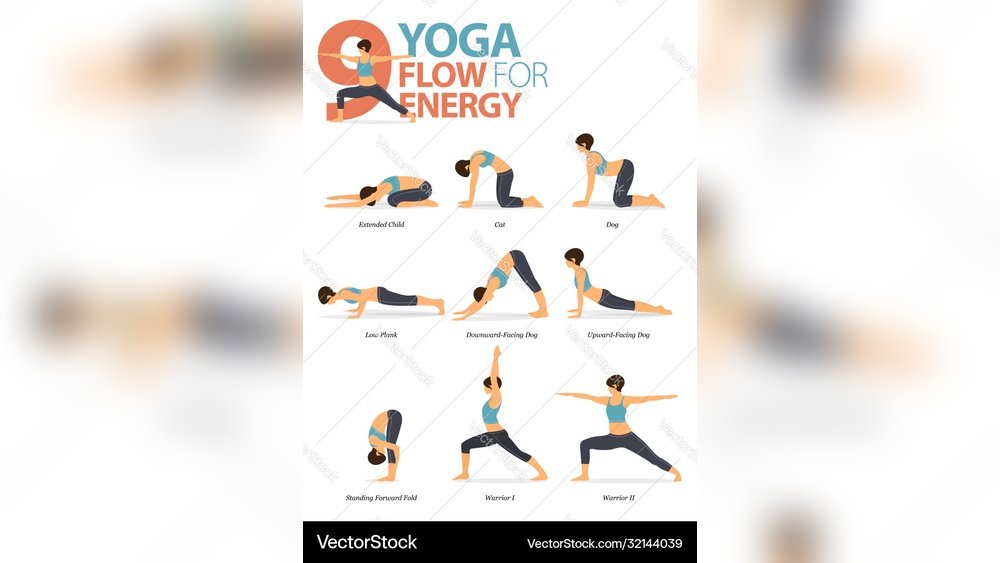
Feeling tired before noon or lacking energy in the afternoon is a common struggle for many people. While coffee or energy drinks may offer a quick fix, their effects often fade fast and can leave you feeling even more sluggish later. If you want a natural, long-term solution to boost your vitality, yoga asanas for energy can make a huge difference. Simple yoga poses, done daily, help wake up your body and mind, improve your breathing, and clear mental fog. They’re suitable for all ages and fitness levels, and you don’t need special equipment or a gym membership.
Many people think yoga is only about relaxation, but in reality, certain asanas are designed to activate your body, increase blood flow, and release built-up tension. The right sequence of poses can help you feel more alert, refreshed, and ready to handle daily challenges.
In this guide, you’ll discover which yoga asanas are best for boosting energy, how to practice them safely, and why they work. If you’re looking for a reliable way to beat fatigue and find more stamina, read on to learn how yoga can energize your day.
Why Yoga Asanas Boost Energy
Yoga works on both the body and the mind. When you move through energetic asanas, you open up your chest, improve your posture, and allow more oxygen to flow into your lungs. This extra oxygen helps your cells produce energy more efficiently.
At the same time, these poses activate your nervous system, making you feel more awake and alert. Unlike quick fixes, yoga gives you a deep, steady sense of vitality.
Another reason yoga increases energy is by reducing stress. Chronic stress drains your energy over time. Yoga teaches you to breathe deeply and focus, which calms your mind and helps your body recover faster from daily stress.
The 10 Best Yoga Asanas For Energy
Let’s look at the top yoga asanas that naturally boost energy. These poses are easy to learn, and you can practice them at home or even during a work break.
- Tadasana (Mountain Pose)
- Adho Mukha Svanasana (Downward-Facing Dog)
- Utkatasana (Chair Pose)
- Virabhadrasana I (Warrior I)
- Virabhadrasana II (Warrior II)
- Trikonasana (Triangle Pose)
- Bhujangasana (Cobra Pose)
- Setu Bandhasana (Bridge Pose)
- Navasana (Boat Pose)
- Ardha Matsyendrasana (Half Spinal Twist)
1. Tadasana (mountain Pose)
Tadasana is the foundation for all standing poses. It looks simple, but it’s powerful for waking up the whole body. Stand tall with feet together, arms by your sides, and take deep breaths. Imagine energy rising from your feet to your head.
Benefits: Improves posture, increases alertness, and boosts confidence. It also helps you feel grounded and stable, making it a perfect start to your morning.
Tip: Beginners often forget to engage their thighs and core. Keep your muscles active for the best effect.
2. Adho Mukha Svanasana (downward-facing Dog)
This classic pose stretches your back, legs, and arms while bringing blood flow to your brain. Start on all fours, lift your hips toward the ceiling, and straighten your legs and arms.
Benefits: Relieves fatigue, strengthens arms and legs, and helps clear mental fog. It’s also great for improving circulation quickly.
Common mistake: Rounding the back or letting the heels lift too much. Press your heels toward the floor and keep your spine long.
3. Utkatasana (chair Pose)
Utkatasana fires up your lower body and core. Stand with feet hip-width apart, bend your knees, and lower your hips as if sitting in a chair. Raise your arms overhead and hold for several breaths.
Benefits: Builds stamina, heats the body, and increases heart rate. This gets your blood pumping and wakes you up fast.
Non-obvious insight: Focus on pulling your knees back rather than letting them go forward. This protects your knees and activates more muscle.
4. Virabhadrasana I (warrior I)
Warrior I is a strong, uplifting pose. Step one foot forward, bend your front knee, and reach both arms up. Keep your back leg straight.
Benefits: Energizes the entire body, opens the chest, and increases lung capacity. It also builds mental focus and resilience.
Tip: Press evenly through both feet and keep your hips facing forward for the full effect.
5. Virabhadrasana Ii (warrior Ii)
This pose is similar to Warrior I but with arms stretched out to the sides and hips open. Step your feet wide apart, bend your front knee, and reach your arms parallel to the floor.
Benefits: Strengthens legs, arms, and shoulders. It improves stamina and helps you feel strong and powerful.
Common mistake: Leaning forward. Keep your spine upright and gaze over your front hand.
6. Trikonasana (triangle Pose)
Triangle pose stretches your sides and opens your chest. Stand with feet wide apart, turn one foot out, and reach your arm down to your shin or the floor, with the other arm pointing up.
Benefits: Increases energy by improving balance and stretching the whole body. It also helps relieve stress and anxiety.
Non-obvious insight: Think of lengthening your side body before reaching down. This creates more space and prevents strain.
7. Bhujangasana (cobra Pose)
Cobra pose is done lying on your stomach. Press your palms into the floor and gently lift your chest, keeping your elbows slightly bent.
Benefits: Opens the lungs, strengthens the spine, and boosts energy. It also helps you breathe deeper, which wakes up the mind.
Tip: Do not over-arch your back. Focus on using your back muscles, not just your arms.
8. Setu Bandhasana (bridge Pose)
Bridge pose is a gentle backbend. Lie on your back, bend your knees, and lift your hips while pressing your feet into the floor.
Benefits: Stimulates the nervous system, increases energy, and reduces fatigue. It also improves posture and flexibility.
Common mistake: Letting the knees splay out. Keep your thighs parallel for safety.
9. Navasana (boat Pose)
Boat pose activates your core and hip flexors. Sit with knees bent, lean back slightly, and lift your feet off the ground, balancing on your sit bones. Extend your arms forward.
Benefits: Builds core strength, fires up the body, and improves focus. It’s a quick way to shake off sleepiness.
Non-obvious insight: Keep your chest lifted. If your back rounds, you lose the energizing effect.
10. Ardha Matsyendrasana (half Spinal Twist)
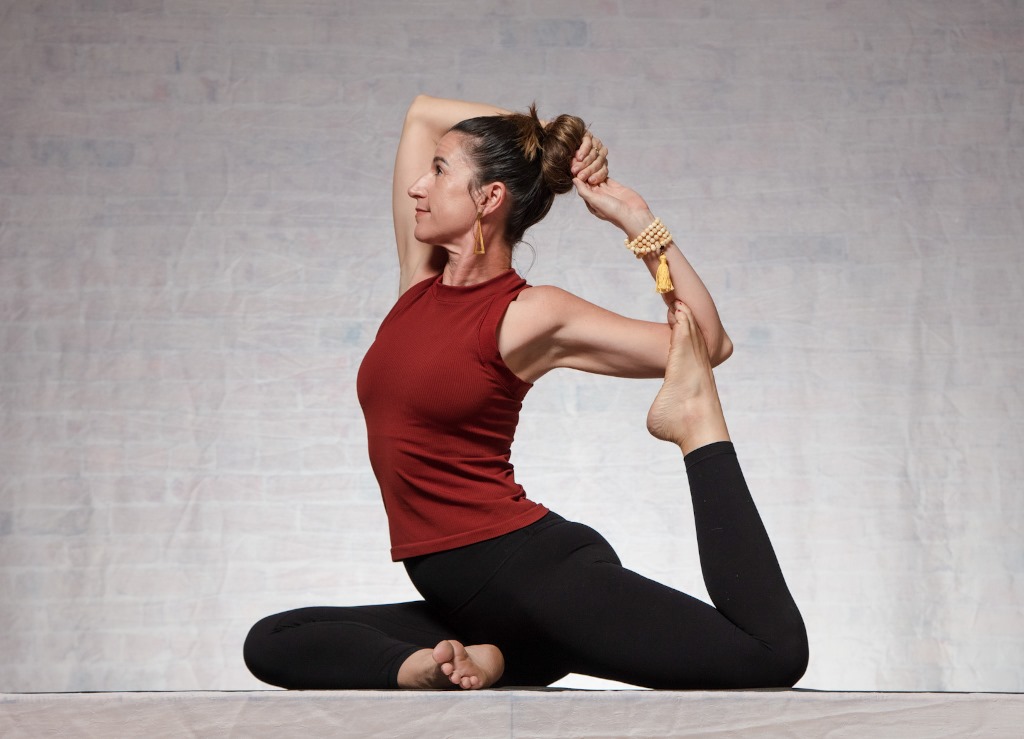
This seated twist massages your internal organs and wakes up your digestive system. Sit with one leg bent, the other crossed over, and twist your torso toward the top leg.
Benefits: Releases tension, improves digestion, and refreshes the mind. Twists help clear away sluggishness, especially after sitting.
Tip: Use each inhale to lengthen your spine before twisting deeper.
Credit: www.uptownyoga.com
How To Practice Yoga Asanas For Energy Safely
It’s important to practice these asanas with good alignment and at your own pace. Start with a short session—just 10-15 minutes can make a difference. Wear comfortable clothing, and use a yoga mat if you have one.
If you’re new, try practicing in front of a mirror to check your posture. Always listen to your body—if a pose feels sharp or painful, stop and rest. For people with injuries or health issues, consult your doctor before starting a new exercise routine.
Breath is key. Inhale deeply through your nose and exhale slowly. This helps oxygen reach your muscles and brain, making each pose more energizing.
Morning Vs. Afternoon Practice: When Is Best?
Many people find yoga most energizing in the morning, before breakfast. It wakes up stiff muscles and sets a positive tone for the day. However, an afternoon yoga break can also fight tiredness after lunch.
Here’s a simple comparison of morning vs. afternoon yoga for energy:
| Time of Day | Benefits | Best Poses |
|---|---|---|
| Morning | Boosts alertness, improves mood, prepares body for the day | Mountain, Downward Dog, Warrior I & II, Cobra |
| Afternoon | Relieves fatigue, reduces stress, fights post-lunch drowsiness | Chair, Triangle, Bridge, Boat, Twist |
If you only have a few minutes, pick 2-3 poses from the list above and hold each for 5-10 breaths. Even a short session can recharge your energy.

Credit: www.healthshots.com
Common Mistakes To Avoid
Many beginners make errors that reduce the energizing effect of yoga. Here are some to watch out for:
- Holding your breath: Always keep your breath steady and deep.
- Rushing through poses: Move slowly and focus on alignment, not speed.
- Ignoring discomfort: Mild stretching is good; sharp pain is not. Adjust your position if needed.
- Skipping the warm-up: Jumping straight into deep stretches can lead to injury.
- Not engaging muscles: Active muscles give more energy. Don’t just “hang” in poses—stay present and strong.
Simple Yoga Flow For Energy (example Routine)
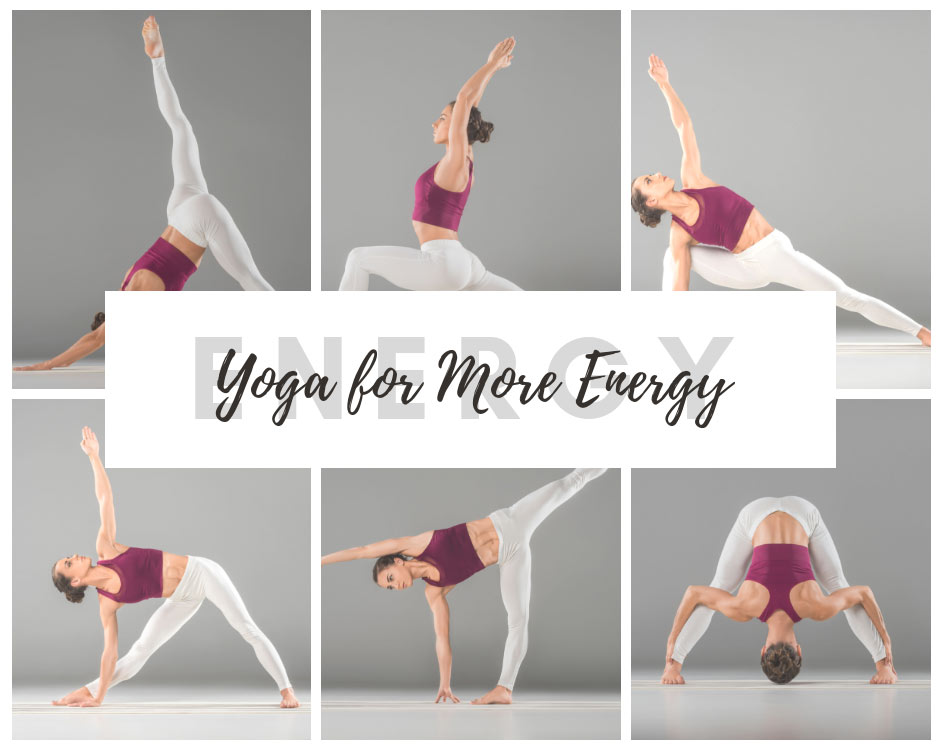
To help you get started, here’s a basic routine that takes about 15 minutes:
- Tadasana (Mountain Pose) – 1 minute
- Utkatasana (Chair Pose) – 30 seconds
- Adho Mukha Svanasana (Downward-Facing Dog) – 1 minute
- Virabhadrasana I (Warrior I), both sides – 2 minutes total
- Virabhadrasana II (Warrior II), both sides – 2 minutes total
- Trikonasana (Triangle Pose), both sides – 2 minutes total
- Bhujangasana (Cobra Pose) – 1 minute
- Setu Bandhasana (Bridge Pose) – 1 minute
- Navasana (Boat Pose) – 1 minute
- Ardha Matsyendrasana (Half Spinal Twist), both sides – 2 minutes total
This routine balances standing, core, and twisting poses for a full-body energy boost.
Credit: bliss-flow.com
How Yoga Asanas Compare To Other Energy-boosting Activities
Yoga is not the only way to fight tiredness, but it has unique benefits. Let’s compare yoga asanas to other common activities:
| Activity | Energy Boost | Additional Benefits | Drawbacks |
|---|---|---|---|
| Yoga Asanas | Steady, long-lasting | Reduces stress, improves flexibility, no equipment needed | Requires learning correct form |
| Coffee | Fast, short-lived | Mental alertness | Energy crash, affects sleep |
| Quick Walk | Moderate, immediate | Boosts mood, easy to do | Limited if weather is bad |
| Energy Drink | Very fast, short | Temporary boost | Unhealthy ingredients, crash |
As you can see, yoga offers a more balanced and lasting benefit than stimulants.
Research And Real-world Results
Recent studies support the idea that yoga increases energy. In a 2017 study, participants who practiced yoga for just 20 minutes three times a week reported more energy and better mood compared to those who did not. Another research paper in the journal “Complementary Therapies in Medicine” found that yoga improved work productivity and reduced fatigue in office workers.
Real people also report that yoga helps them wake up, concentrate, and avoid afternoon slumps. Many yoga teachers say that even 5 minutes of standing poses can change your whole day.
For more scientific details, you can visit this research article.
Frequently Asked Questions
What Is The Best Yoga Asana For Instant Energy?
Downward-Facing Dog (Adho Mukha Svanasana) is one of the best poses for a quick energy boost. It sends blood to your brain, wakes up your body, and stretches multiple muscle groups at once.
How Long Should I Hold Each Pose For Best Results?
Hold each pose for at least 5-10 deep breaths (about 30 seconds to 1 minute). This gives your body time to adjust and your energy to rise. If you are a beginner, shorter holds are fine.
Can I Do These Yoga Asanas If I Am Not Flexible?
Absolutely. Many yoga asanas for energy can be adjusted for all levels. Use blocks, bend your knees, or keep your hands higher if needed. Flexibility will improve over time.
How Soon Will I Feel More Energetic From Yoga?
Most people notice a difference immediately after one session. With regular practice (3-5 times a week), your overall energy and mood will improve within a few weeks.
Is Yoga Better Than Coffee For Energy?
Yoga offers a steady, long-lasting boost without the energy crash or side effects of coffee. It also improves your health, posture, and mental focus over time.
Finding more energy doesn’t have to be a struggle. With just a few yoga asanas for energy, you can build a routine that wakes up your body, sharpens your mind, and helps you enjoy each day to the fullest. Give it a try—you might be surprised at how much stronger and more alive you feel.