Yoga and ballet may seem like two different worlds—one ancient and meditative, the other expressive and athletic. But for dancers, yoga is more than just a way to relax. It’s a powerful tool that strengthens, stretches, and balances the body, helping ballet dancers reach new heights.
Whether you’re a professional or just starting at the barre, yoga can support your ballet training in ways you might not expect.
Both disciplines share a focus on alignment, breath, and body awareness. Yet, yoga offers unique benefits that fill gaps left by traditional dance classes. Many dancers discover yoga after an injury or when they feel stuck with flexibility. But the smartest use yoga as a secret weapon, integrating it into daily practice to prevent problems before they start.
With the right approach, yoga becomes a silent partner—enhancing grace, power, and resilience on and off the stage.
Why Ballet Dancers Need Yoga
Ballet places high demands on the body. Long hours at the studio test not just your muscles, but your joints and mind. Even with good technique, dancers face risks like overuse injuries, burnout, and mental fatigue. Yoga addresses these challenges from several angles:
- Flexibility: Yoga stretches target muscles that ballet often misses. Regular practice opens hips, hamstrings, and shoulders in a balanced way.
- Strength: Many yoga poses build deep core and stabilizer muscles—essential for balance and jumps.
- Balance: Yoga trains proprioception (your body’s sense of position) and teaches control on one leg or while moving.
- Breath Control: Ballet focuses on movement, but rarely on how to breathe. Yoga’s breath work (pranayama) calms nerves and boosts stamina.
- Mental Focus: The mindfulness in yoga helps dancers stay present, reduce anxiety, and handle performance stress.
What Makes Yoga Different
Unlike most ballet stretches, yoga isn’t rushed. Each pose is held with attention and breath. This slower pace helps you find and fix alignment problems that might go unnoticed during fast-paced rehearsals. Yoga also works both sides of the body equally, correcting imbalances that can lead to injury.
Best Yoga Poses For Ballet Dancers
Not all yoga poses serve a ballet dancer’s needs. Some are better for flexibility, others for strength or balance. Here are key poses and how they support ballet technique:
- Downward Dog (Adho Mukha Svanasana)
- Lengthens hamstrings, calves, and spine.
- Builds shoulder and wrist strength.
- Teaches full-body integration.
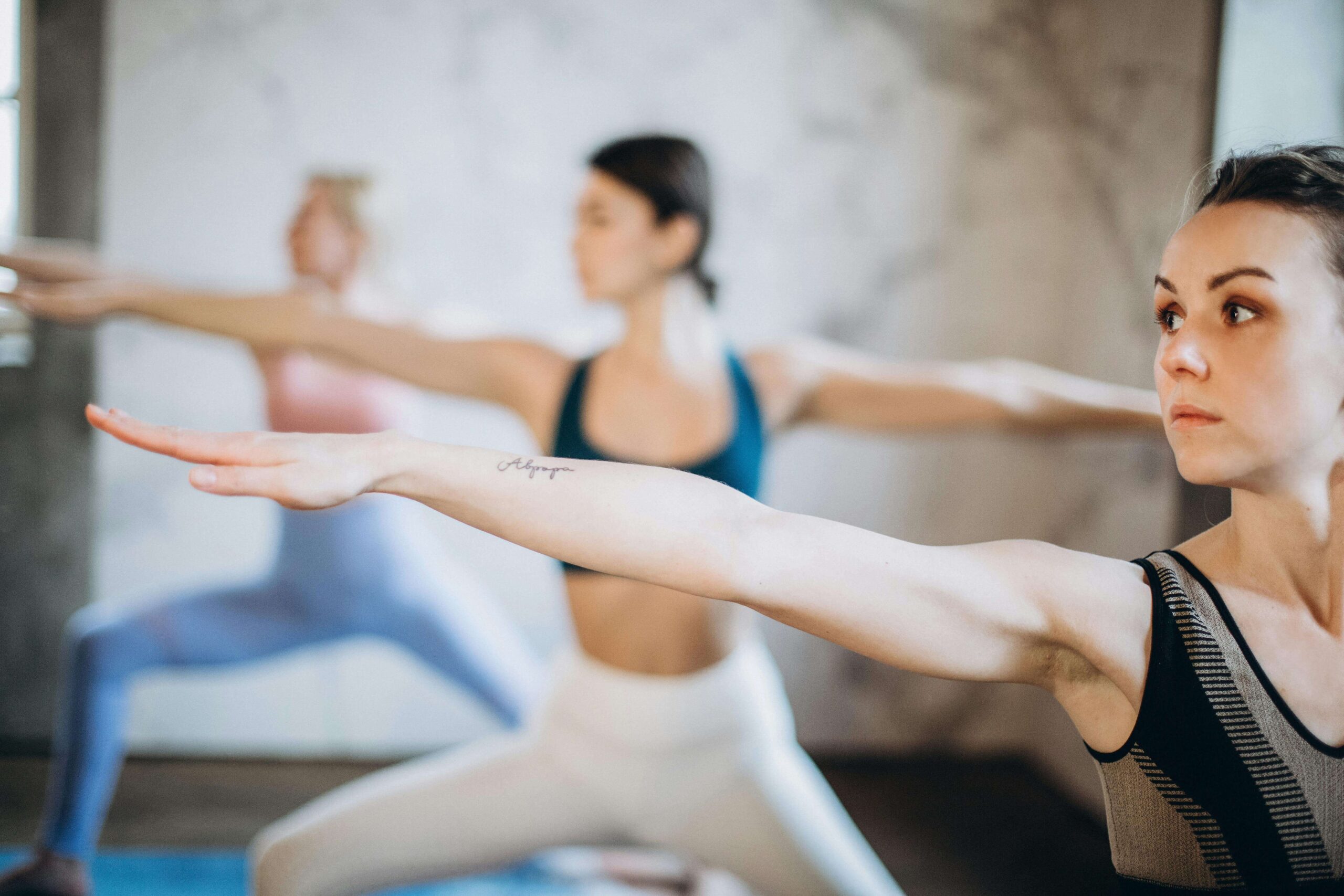
- Warrior II (Virabhadrasana II)
- Opens hips and strengthens thighs.
- Trains turnout muscles used in ballet.
- Improves body awareness in the lower half.
- Tree Pose (Vrksasana)
- Develops balance on one leg.
- Strengthens ankles and feet.
- Encourages alignment from foot to head.
- Pigeon Pose (Eka Pada Rajakapotasana)
- Stretches hip flexors and glutes.
- Relieves tightness from repetitive pliés and grand battements.
- Plank Pose
- Builds core stability crucial for pirouettes and leaps.
- Strengthens arms and shoulders.
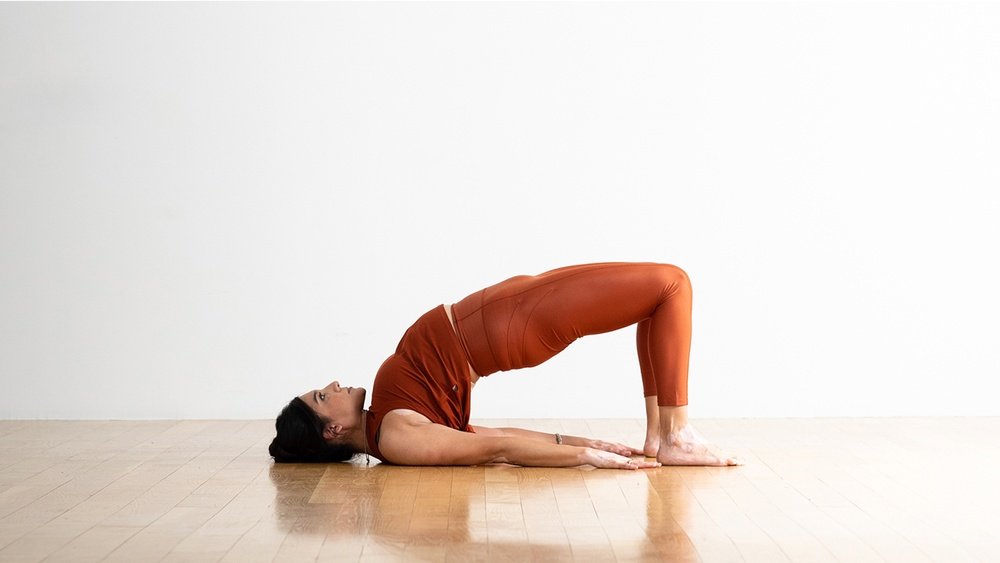
- Bridge Pose (Setu Bandha Sarvangasana)
- Opens the front of the hips and chest.
- Activates glutes and hamstrings.
- Reclining Hand-to-Big-Toe Pose (Supta Padangusthasana)
- Isolates hamstring flexibility.
- Helps with arabesque and developpé lines.
- Child’s Pose (Balasana)
- Allows full rest and gentle back stretching.
- Good for recovery during intense practice.
- Seated Forward Fold (Paschimottanasana)
- Deepens hamstring and back flexibility.
- Encourages relaxation and focus.
- Eagle Pose (Garudasana)
- Improves foot and ankle strength.
- Increases hip and upper back mobility.
How Often To Practice
For best results, dancers should add yoga two to three times a week. Sessions don’t have to be long—even 20 minutes can make a difference. Consistency is more important than duration.

Credit: www.youtube.com
Comparing Yoga And Ballet Training
While both yoga and ballet develop flexibility and strength, their methods and focus areas are different. To see how they align and differ, look at the comparison below:
| Aspect | Yoga | Ballet |
|---|---|---|
| Primary Focus | Mind-body connection, breath, balance | Technique, performance, artistry |
| Pace | Slow, controlled | Varied, often fast-paced |
| Flexibility | Evenly develops both sides | Can create imbalances (e.g., dominant leg) |
| Strength | Core, stabilizers, full body | Legs, feet, core (dynamic) |
| Breathing | Central to practice | Less emphasized |
This table shows why combining yoga with ballet can lead to better overall performance and fewer injuries.
Yoga For Flexibility And Extension
Ballet is famous for its high legs and long lines. But getting a higher arabesque or developpé isn’t just about pushing harder. Yoga helps by:
- Safely increasing range of motion: Poses like Pigeon and Reclining Hand-to-Big-Toe stretch both the major and minor muscles supporting the hips and legs.
- Improving muscle control: Yoga teaches you to move into and hold stretches with awareness, reducing the risk of overstretching.
- Balancing strength and flexibility: Many dancers become flexible but not strong in their full range. Yoga’s active stretches build control through the whole motion.
Flexibility Pitfalls To Avoid
A common mistake is forcing stretches, especially before the body is warm. This leads to strains or even long-term injuries. Yoga encourages gentle, gradual progress. Listen to your body, especially on days when you feel tight.
Yoga For Injury Prevention
Injuries are common in ballet—ankle sprains, knee pain, and hip problems top the list. Many are caused by muscle imbalances or poor alignment. Yoga can help:
- Promoting even flexibility: Working both sides equally, yoga corrects the one-sided habits of ballet.
- Strengthening stabilizers: Poses like Warrior III challenge the small muscles in the feet and ankles, improving stability.
- Teaching rest and recovery: Child’s Pose and Savasana (final relaxation) remind dancers that rest is as important as activity.
Common Mistakes In Injury Prevention
One thing beginners often miss: stretching alone isn’t enough. Strengthening exercises must be included to support new flexibility. Also, yoga is not a replacement for medical treatment—always consult a professional if you’re injured.
Integrating Yoga Into Ballet Training
Adding yoga to your ballet routine doesn’t mean you need to spend hours on the mat. The key is to find the right balance for your goals and schedule.
Before Class
Gentle yoga sequences can warm up muscles and focus the mind. Avoid deep static stretches before dancing—use dynamic movements and breathing instead.
After Class
Longer holds and deep stretches are best after ballet, when muscles are warm. Focus on areas that feel tight or sore, and finish with a relaxing pose to calm the nervous system.
On Rest Days
A full yoga session can aid recovery, improve flexibility, and build mindful awareness without the impact of jumping or pointe work.
Sample Yoga Sequence For Ballet Dancers
Below is a simple sequence you can try after class or on rest days. It targets key areas for dancers:
- Child’s Pose – 1 minute
- Cat-Cow – 1 minute
- Downward Dog – 1 minute
- Low Lunge (each side) – 1 minute
- Pigeon Pose (each side) – 2 minutes
- Seated Forward Fold – 2 minutes
- Bridge Pose – 1 minute
- Supine Twist (each side) – 1 minute
- Reclining Hand-to-Big-Toe – 1 minute each side
- Savasana (Relaxation) – 3 minutes
Total Time: About 15 Minutes
Modify as needed. If a pose causes pain (not just stretch), skip it or ask a teacher for help.
Mental Benefits: Focus And Stage Presence
Yoga trains more than the body. Its mindfulness practices help dancers manage nerves, stay present, and recover from mistakes quickly. Techniques such as breath counting and body scans reduce anxiety before auditions or performances.
Practical Tips For Using Yoga Mentally
- Practice deep breathing before going on stage.
- Use short meditation sessions to calm racing thoughts.
- Visualize movements while holding relaxing poses.
Advanced Yoga: Is It Right For Ballet Dancers?
Some dancers wonder if they should try advanced yoga poses—headstands, arm balances, or deep backbends. These can look impressive, but they’re not always useful for ballet. In fact, pushing for extreme flexibility can sometimes make dancers more prone to injury.
Focus on mastering the basics first. Advanced poses are only helpful if they support your ballet goals. Consult a qualified yoga instructor who understands dancers’ needs.
How To Choose A Yoga Class For Ballet Support
Not all yoga styles are the same. Here’s a quick overview of common types and how they fit into ballet training:
| Yoga Style | Main Features | Best for Dancers? |
|---|---|---|
| Hatha | Gentle, focuses on basics | Yes – good for all levels |
| Vinyasa | Flowing, links breath to movement | Yes – helps with strength and stamina |
| Yin | Long holds, deep stretching | Yes – for flexibility, but not before class |
| Bikram/Hot Yoga | Heated room, fixed sequence | Maybe – can risk overstretching |
| Ashtanga | Intense, athletic | Maybe – advanced dancers only |
For most ballet dancers, Hatha or Vinyasa yoga is best. Yin yoga is helpful for flexibility, but save it for after class or on rest days.
Credit: balletwithisabella.com
Real-world Examples: Ballet Companies And Yoga
Many top ballet companies now offer yoga as part of their training. The San Francisco Ballet uses yoga for injury prevention and mental health. The Royal Ballet in London has dancers who say yoga helps with recovery and performance anxiety.
A survey by Dance Magazine found that over 60% of professional dancers use yoga regularly. Those who do report fewer injuries and better focus on stage. This trend is growing, with more studios now hiring yoga teachers with dance backgrounds.
Common Beginner Insights: What Dancers Overlook
- Breath is a tool, not just a reaction. Ballet teaches you to “hold” your core, but yoga teaches you to coordinate breath with movement. This makes jumps lighter and balances steadier.
- Flexibility doesn’t equal control. Many dancers chase extreme splits but lack strength in stretched positions. Yoga bridges this gap with active flexibility.
Another point often missed: yoga’s calming effect isn’t just for relaxation. It helps dancers recover faster, both physically and mentally, after tough rehearsals.

Credit: dance-teacher.com
Frequently Asked Questions
Is Yoga Safe For Ballet Dancers Of All Ages?
Yes, most yoga poses are safe for all ages if done with good alignment and care. Young dancers should avoid advanced poses and focus on basics. Always listen to your body and ask a teacher if unsure.
Can Yoga Replace Ballet Warm-ups?
No, yoga is a great addition but not a substitute. Ballet warm-ups prepare your body for the specific movements of dance. Use yoga to support flexibility and recovery, not as a full replacement.
How Long Before I See Results From Yoga?
Most dancers notice improvements in flexibility and focus within a few weeks of regular practice. Injury prevention and strength gains may take a few months. Consistency is more important than the length of each session.
Which Yoga Style Is Best For Flexibility?
Yin yoga and Hatha yoga are both excellent for flexibility. Yin involves long, gentle holds; Hatha focuses on basic stretches. Avoid hot yoga if you are not experienced, as it can lead to overstretching.
Where Can I Find Safe Yoga Resources For Dancers?
Look for certified yoga teachers with dance experience or classes designed for athletes. Online resources like Yoga Journal provide trusted sequences and advice for all levels.
Yoga and ballet together create a foundation for a stronger, more resilient dancer. When practiced wisely, yoga is not just a way to stretch—it’s a pathway to better performance and longer careers. Integrate it step by step, and you’ll feel—and see—the difference on stage and in your daily life.