Yoga plank is more than just a pose you see in fitness photos. It is a simple but powerful exercise that can transform your body if you do it correctly and regularly. Many people think of the plank as just a way to build a strong core, but its benefits go much deeper.
If you want a stronger body, better posture, and improved balance, understanding the yoga plank is a smart place to start.
What Is The Yoga Plank?
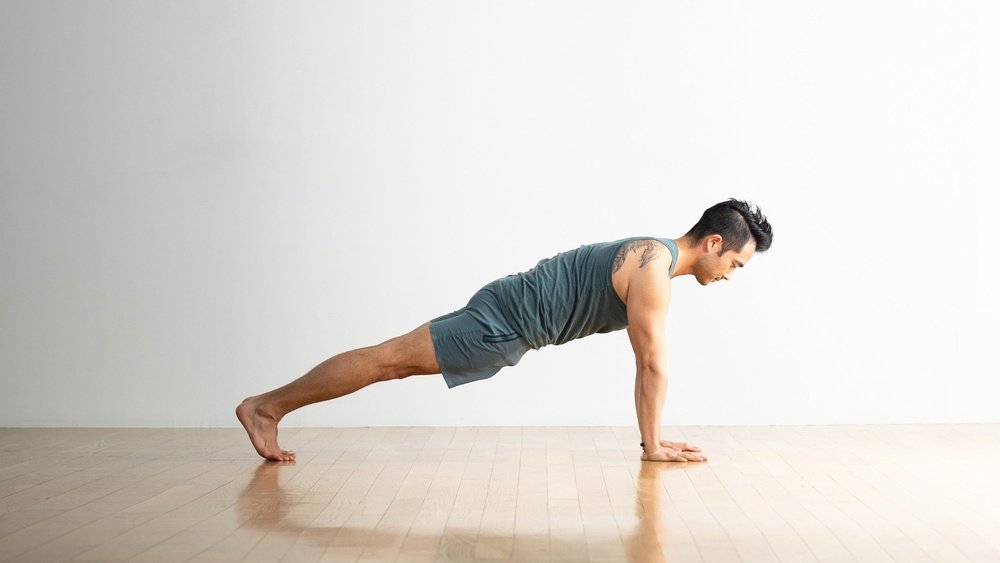
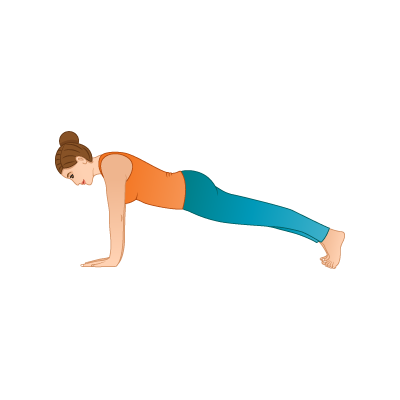
The yoga plank is a static pose where you hold your body in a straight line, supported by your hands and toes. It looks similar to the starting position of a push-up. In yoga, this pose is called Phalakasana. It is a foundation pose in many yoga flows, especially in vinyasa and power yoga sequences.
Unlike many other exercises, the yoga plank does not require any equipment. You only need a mat and some floor space. The goal is to maintain perfect alignment while engaging your muscles, not to move up and down or twist.
How To Do A Perfect Yoga Plank
A correct plank might look simple, but small mistakes can reduce the benefits or even cause injury. Here’s how to get it right:
- Start on all fours with your hands directly under your shoulders and knees under your hips.
- Step your feet back one at a time so your body forms a straight line from head to heels.
- Spread your fingers wide and press your palms into the mat.
- Engage your core by pulling your belly button towards your spine.
- Tighten your legs and squeeze your glutes.
- Look down slightly so your neck stays long.
- Hold this position, breathing steadily.
A common beginner mistake is letting the hips sag or pike up. Your body should feel like a solid plank—straight and strong.
Muscles Worked In Yoga Plank
The yoga plank is a full-body exercise. While many know it as a core move, it targets several key muscle groups:
- Core: Rectus abdominis, transverse abdominis, and obliques
- Shoulders: Deltoids
- Chest: Pectorals
- Back: Trapezius, rhomboids, and latissimus dorsi
- Arms: Triceps and biceps
- Legs: Quadriceps and glutes
Holding the plank makes all these muscles work together. This is why the plank is often used to test overall body strength.
Benefits Of Yoga Plank
Practicing the yoga plank offers several unique benefits for your body and mind:
- Core Strength: The plank works your deep core muscles, not just the surface abdominals. This creates true strength and stability.
- Improved Posture: Regular plank practice helps align your spine and shoulders, leading to better posture.
- Better Balance: By stabilizing your core, you improve balance in other activities, from walking to sports.
- Enhanced Endurance: Planks build muscular endurance, allowing you to hold good form for longer.
- Supports Other Exercises: A strong plank foundation helps with push-ups, yoga flows, and even running.
- Reduces Back Pain: Strengthening your core and back muscles can reduce or prevent lower back pain.
- Boosts Metabolism: Planks activate large muscle groups, which can help with fat burning.
A non-obvious benefit: Plank also improves shoulder stability, which is crucial if you practice weightlifting or do manual work. Many beginners overlook this, but shoulder health often limits progress in other exercises.
Common Plank Variations In Yoga
The plank is not just one pose. Yoga offers several variations to target different muscles or make the move more challenging:
1. Forearm Plank
Rest on your forearms instead of your hands. This version puts more focus on the core and less stress on the wrists.
2. Side Plank (vasisthasana)
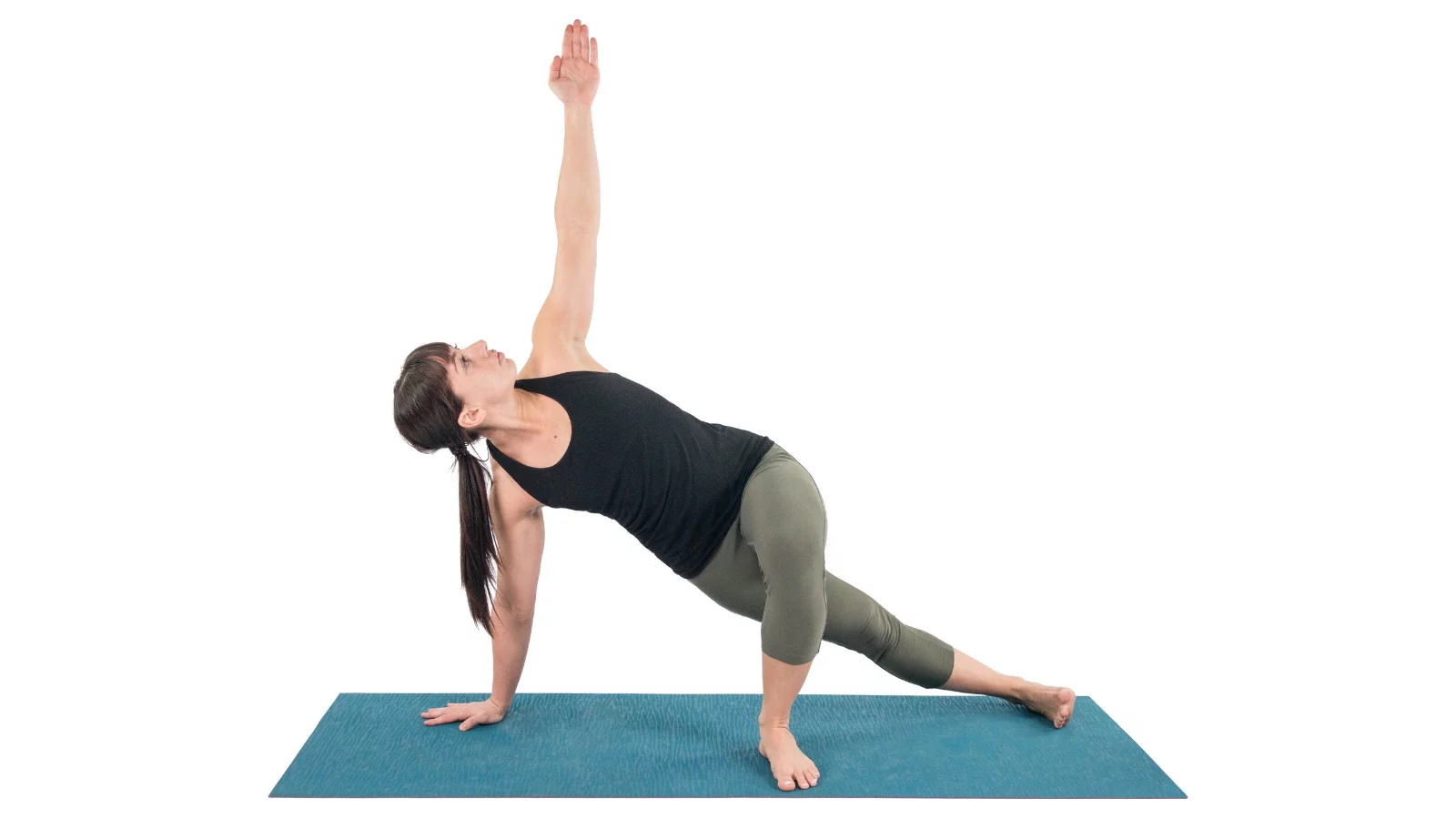
Balance on one hand and the side of one foot. This variation targets the obliques and improves balance.
3. Dolphin Plank
Similar to forearm plank, but with elbows slightly wider and hips slightly higher. Often used as a transition to dolphin pose.
4. Knee Plank
Keep your knees on the ground. Ideal for beginners or those with limited upper body strength.
5. Reverse Plank (purvottanasana)
Face upwards, hands behind you, legs extended. Strengthens the back, glutes, and hamstrings.
6. Plank With Leg Lift
While holding plank, lift one leg at a time. This adds a balance challenge and works the glutes.
Each variation offers a unique challenge. Mixing them into your practice keeps things interesting and prevents plateaus.
Yoga Plank Vs. Regular Fitness Plank
Many people wonder if the yoga plank is different from the classic fitness plank. While the position looks similar, there are some important distinctions.
| Aspect | Yoga Plank | Fitness Plank |
|---|---|---|
| Breathing | Focus on deep, steady breaths | Breathing often ignored |
| Alignment | Emphasizes full-body alignment | Focus on core stability |
| Transition | Used as a link in flows | Usually a static hold |
| Mindfulness | Mind-body connection is key | Less emphasis on mindfulness |
The yoga plank is more than just a physical exercise. It’s also about being aware of your body and breath. This makes the pose a true mind-body workout.
Credit: www.yogaclassplan.com
How Long Should You Hold The Yoga Plank?
There is no single answer. How long you hold plank depends on your fitness level and goals.
- Beginners: Start with 10–20 seconds, rest, and repeat for 2–3 sets.
- Intermediate: Aim for 30–60 seconds, 2–4 sets.
- Advanced: Hold for 1–2 minutes or try challenging variations.
Quality matters more than duration. If your hips drop or shoulders round, stop and rest. Over time, you’ll build more endurance.
A common mistake: Trying to hold for too long before your body is ready. This can cause poor form and risk injury. Progress slowly for the best results.
Yoga Plank In Sun Salutation And Yoga Flows
In traditional yoga, the plank is a key pose in the Sun Salutation (Surya Namaskar) sequence. Here’s how it fits in:
- Start in a forward fold.
- Step or jump back into plank.
- Lower down to chaturanga or cobra pose.
- Move into upward and downward facing dog.
This smooth flow builds heat, strength, and flexibility. The plank acts as a transition, but it’s also a moment to check your alignment and build stability.
Tips For Better Yoga Plank Practice
Even experienced yogis can improve their plank form. Here are some practical tips:
- Use a mirror or record yourself to check your straight line.
- Press the floor away with your hands to avoid sinking in the shoulders.
- Draw your ribs in instead of letting them flare out.
- Keep your feet hip-width apart for better balance.
- Engage your thighs by pulling your kneecaps up.
A non-obvious tip: Focus on your hand placement. Spreading your fingers and pressing into the fingertips, not just the palms, activates the muscles in your arms and protects your wrists.
Common Mistakes And How To Fix Them
Even small errors can reduce the effectiveness of your plank. Here are some of the most common mistakes:
| Mistake | What Happens | How to Fix |
|---|---|---|
| Hips sag down | Back pain, poor core work | Engage glutes and core, check your line |
| Hips too high | Reduces core challenge | Lower hips until body is straight |
| Locked elbows | Strain on joints | Slightly bend elbows, press fingers |
| Looking forward | Neck strain | Look down to keep neck neutral |
| Holding breath | Less endurance, tension | Breathe deeply and steadily |
Fixing these mistakes will make your practice safer and more effective.
Credit: yogauonline.com
Progressing With Yoga Plank
When the basic plank feels easy, you can increase the challenge:
- Add movement: Try knee-to-elbow or shoulder taps.
- Increase hold time: Add 5–10 seconds each week.
- Try unstable surfaces: Use a yoga block or balance disc.
- Explore advanced variations: Side plank or reverse plank.
Always listen to your body. If you feel pain (not just muscle fatigue), stop and check your form.
Yoga Plank For Different Fitness Levels
The yoga plank can be adapted for anyone, from beginners to athletes. Here’s how:
- Absolute beginners: Start on the knees and build up core engagement.
- People with wrist pain: Try forearm plank or use yoga blocks for support.
- Seniors or limited mobility: Plank against a wall or on an elevated surface.
If you have any medical conditions, consult your doctor before starting a new exercise routine. Proper form and safety come first.

Credit: www.yogajournal.com
Yoga Plank In Everyday Life
The benefits of yoga plank go beyond the mat. A strong core helps you:
- Sit and stand with better posture
- Lift heavy objects safely
- Prevent injuries from falls or sudden movements
- Reduce aches from long hours at a desk
Many people notice less back and neck pain after just a few weeks of regular plank practice.
Scientific Research On Plank And Core Strength
Research supports the effectiveness of the plank for core strength. A study published in the Journal of Strength and Conditioning Research found that planks activate more core muscles than traditional crunches. Another study showed that holding a plank for just 30–60 seconds, 3–4 times a week, can improve core endurance in less than a month.
For more details on yoga poses and their benefits, check the Wikipedia page on Plank (exercise).
Frequently Asked Questions
What Is The Difference Between Yoga Plank And Regular Plank?
The main difference is in the focus. The yoga plank emphasizes body alignment, breath, and mindfulness. The regular plank in fitness is more about holding the position for as long as possible, sometimes without attention to breath or transitions. Both build core strength, but yoga plank is part of a mind-body practice.
How Often Should I Do Yoga Plank For Best Results?
For most people, 3–5 times a week is enough to see benefits. Consistency is more important than long holds. Even short sessions, when done regularly, can improve strength and endurance.
Is Yoga Plank Safe For People With Back Pain?
Yes, when done with correct form, the yoga plank can help reduce back pain by strengthening the core and back muscles. However, if you already have a serious back injury, consult your doctor or a physical therapist before starting.
How Do I Know If My Plank Form Is Correct?
Your body should form a straight line from head to heels, with no sagging or arching. Use a mirror or ask a friend to check your form. You can also video yourself from the side and look for a straight alignment.
Can Yoga Plank Help With Weight Loss?
Planks alone won’t burn large amounts of calories, but they help build muscle and boost your metabolism. When combined with a healthy diet and other exercises, yoga plank can support weight loss as part of a balanced fitness plan.
Yoga plank is a simple exercise with powerful effects. Practicing it regularly will not only build a strong core, but also improve your overall movement and health. If you focus on good form and listen to your body, the yoga plank can become one of your most valuable tools for lifelong fitness.